The Golden Rock Gem in the Caribbean: Part Three
Welcome back! So you must’ve liked what you read in the first two parts (read part 1 here and part 2 here). Well, hopefully you love my last venture under the waves in Statia.
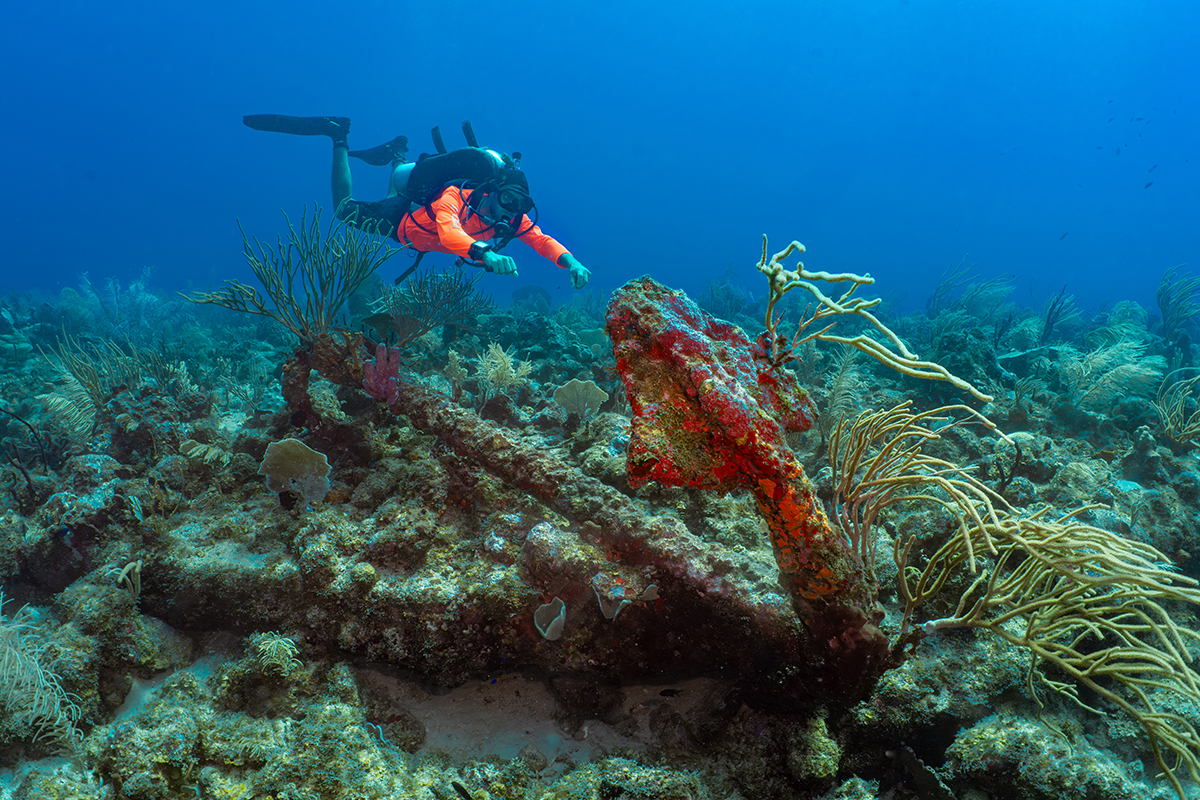
The diving here isn’t all about the natural world; there’s also some incredible history. Anywhere that was this busy with shipping 300 years ago, you would expect there to be some wrecks, and there are. In my dreams, I always expect diving on an ancient shipwreck to be like a scene out of the movie The Deep. Intact wooden beams laden with cannons and gold coins scattered just under the sand. Sadly, that’s not the case; there is virtually no sign of these wooden vessels, their timbers have long since disappeared. I was pointed out a few cannons, but I’ll be honest, they just looked like cannon-shaped rocks. What remains are their anchors, many of which stand proud of the seabed; even after all this time, they still look very impressive.
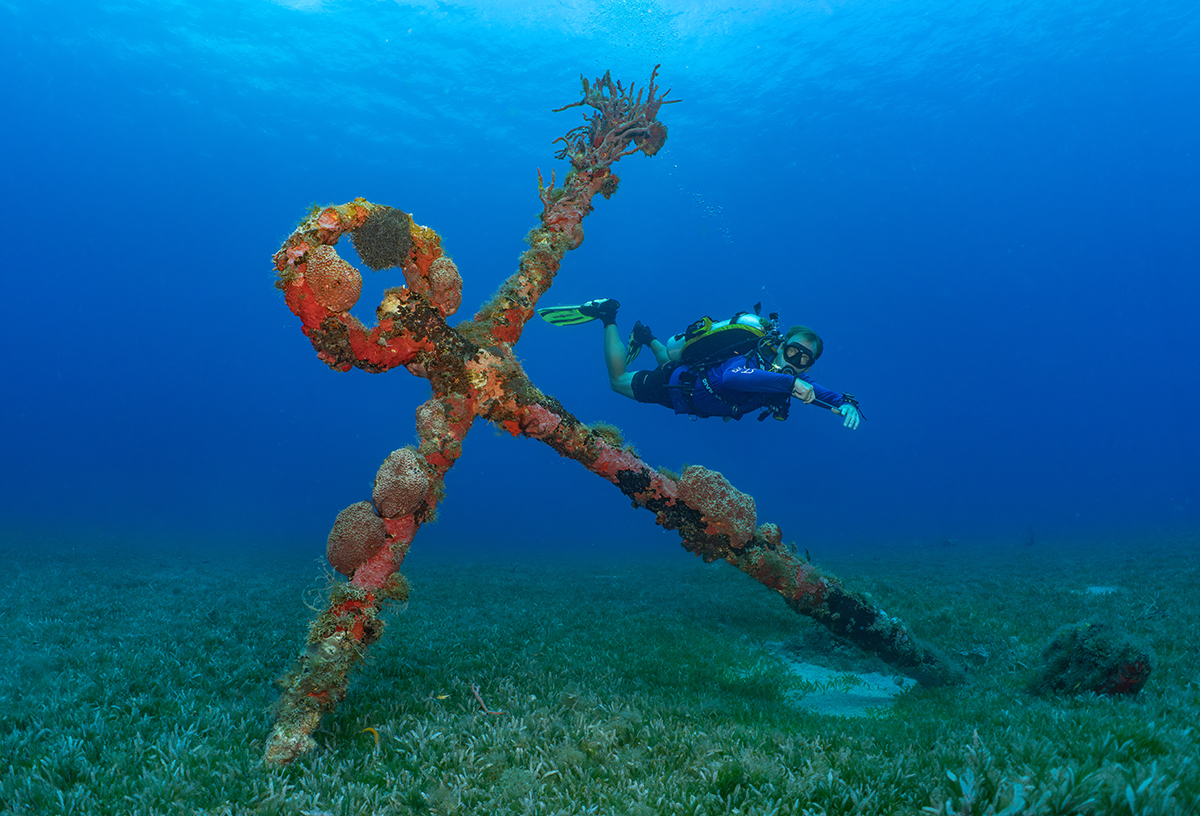
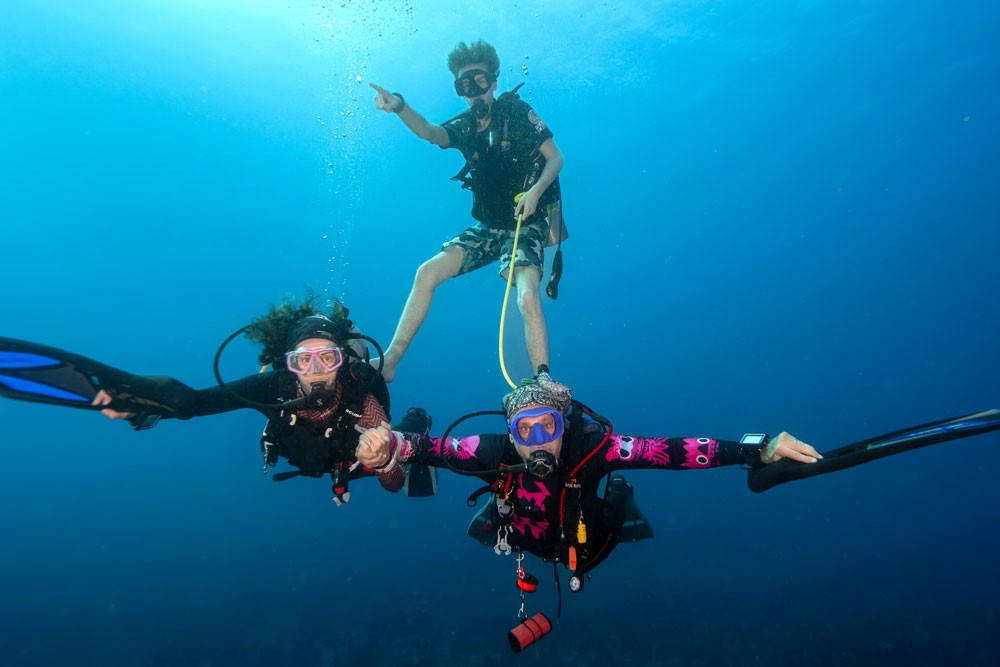
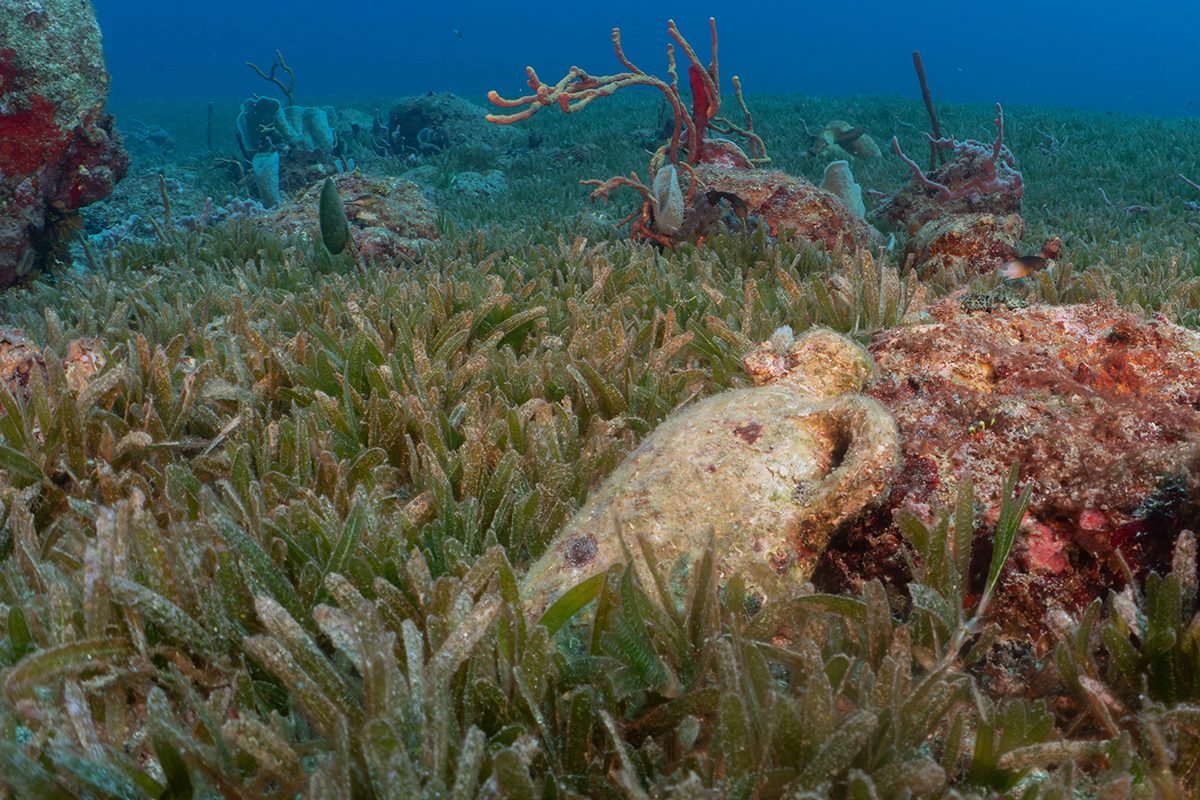
This is a great spot for your buddy to do a little bit of underwater modelling. You can also see rum bottles scattered over the sand with the occasional piece of tableware; on some of them, you can just make out the ornate patterns that this fancy china would’ve had. It’s just enough to give you a glimpse into life 300 years ago.
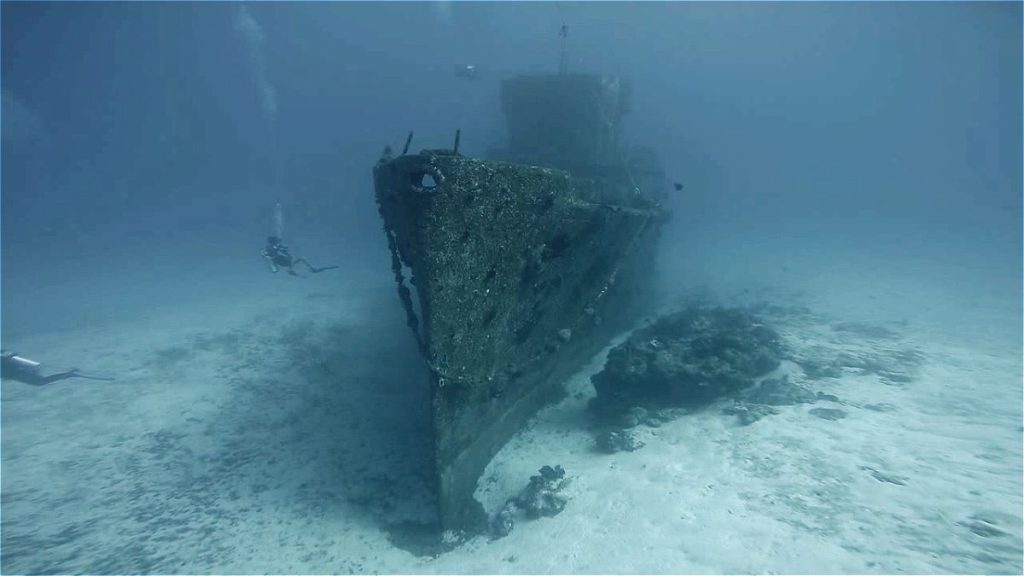
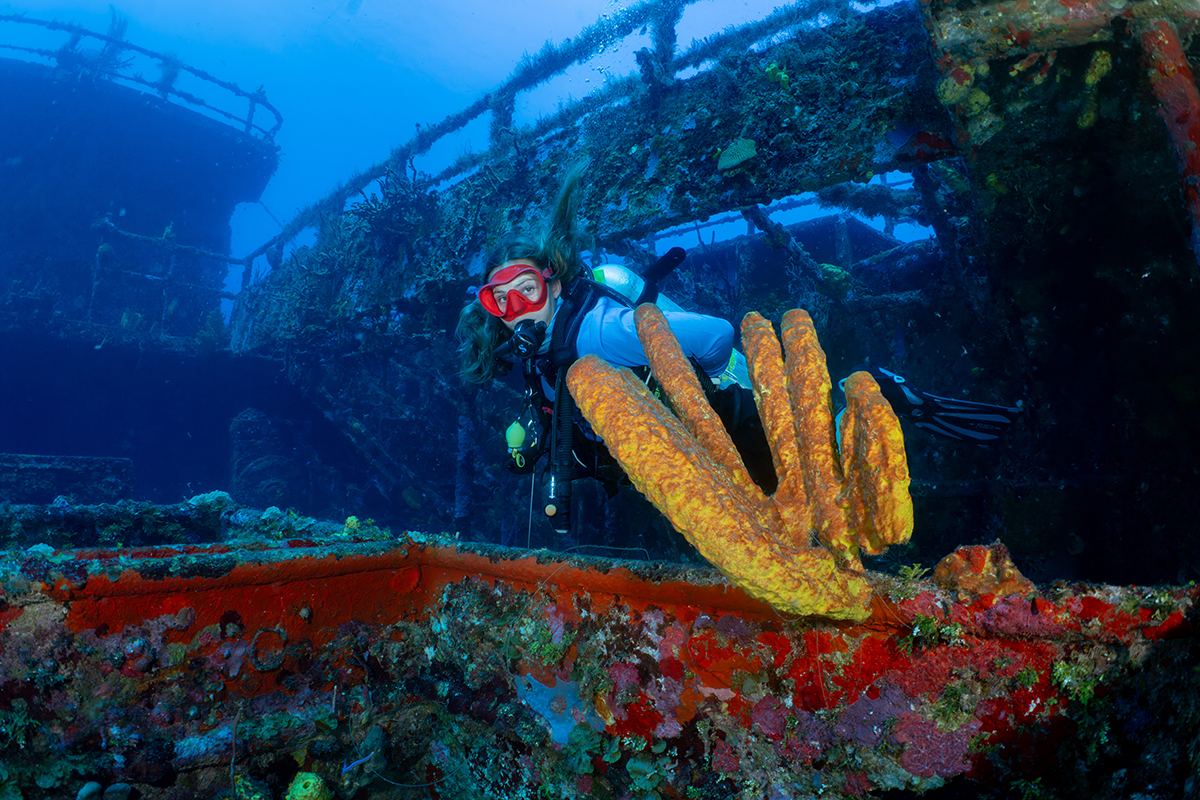
But don’t worry, those of you who want to see an intact shipwreck, there are a few of those as well. During my week, I dived the Chien Tong and the two wrecks of Stenapa Reef, the barge and tugboat. Visibility on both these wrecks is often really good, and I’ve seen some beautiful pictures of them, but of course when I visited, visibility wasn’t optimal. “You should have been here last week” is always the phrase that you hear at times like this, but I was still able to dive these wrecks.
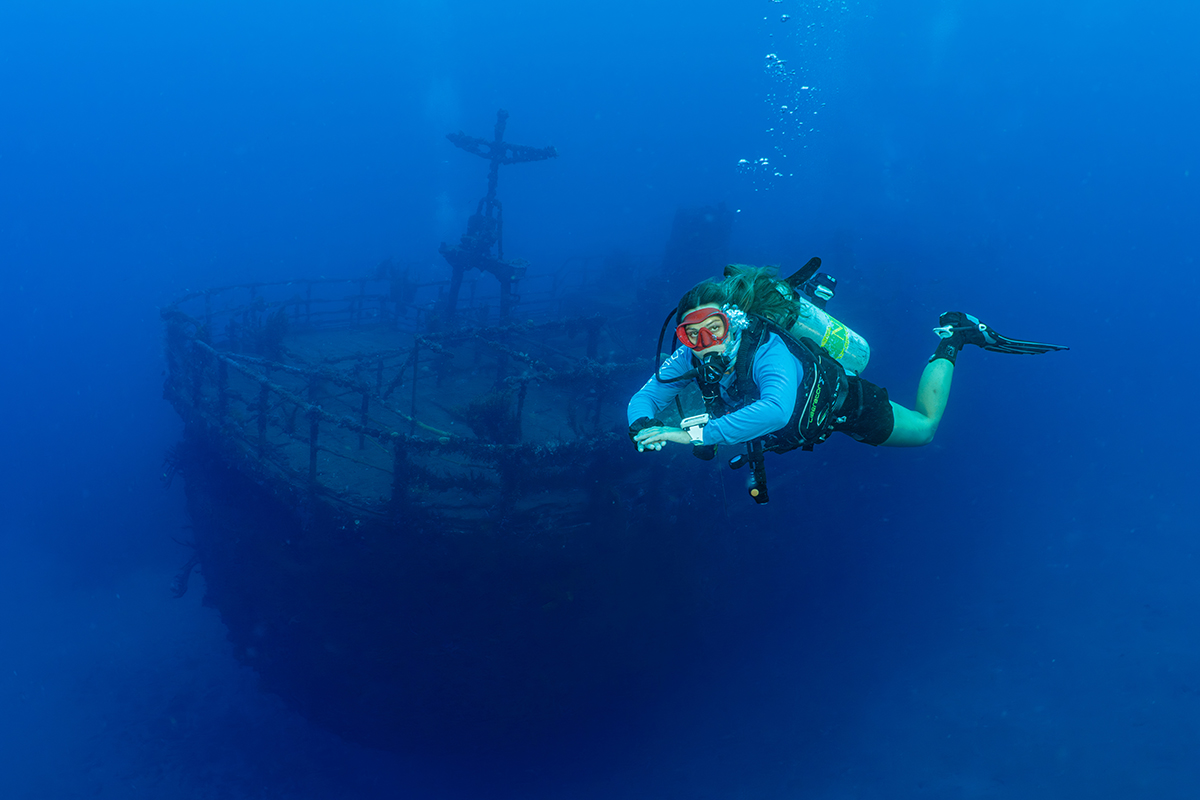
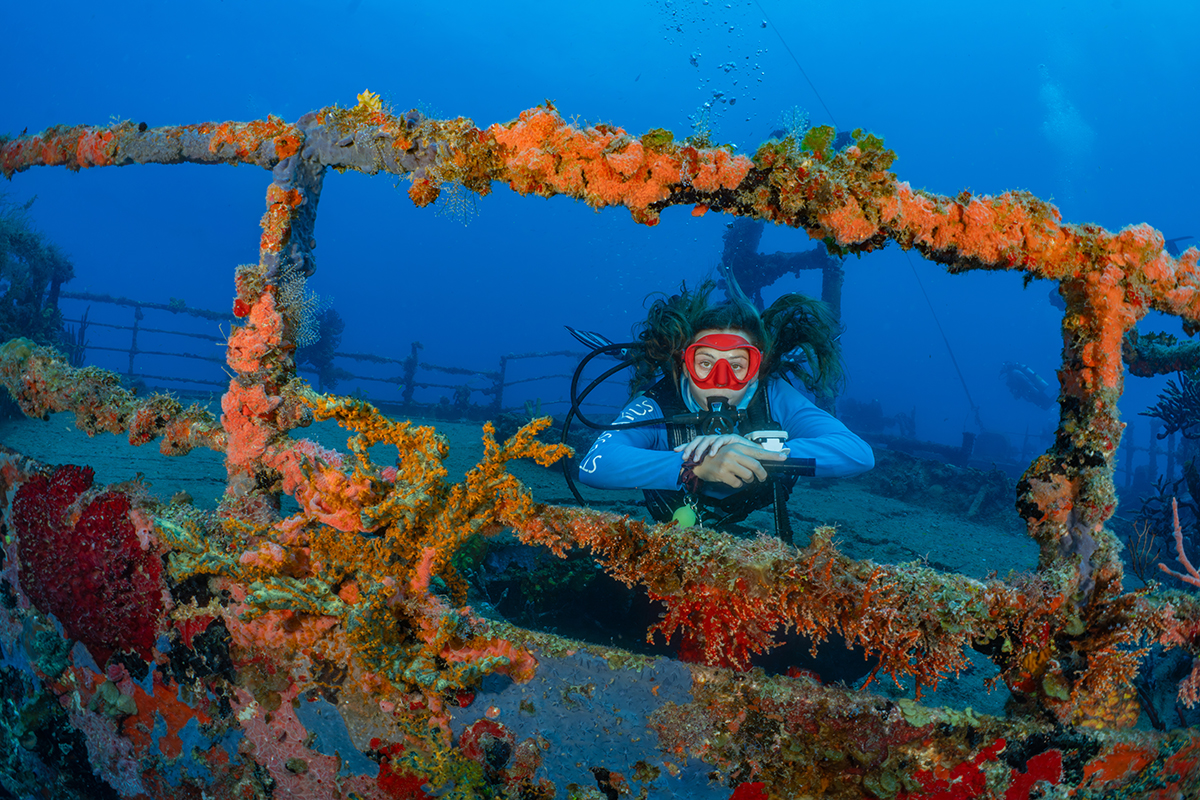
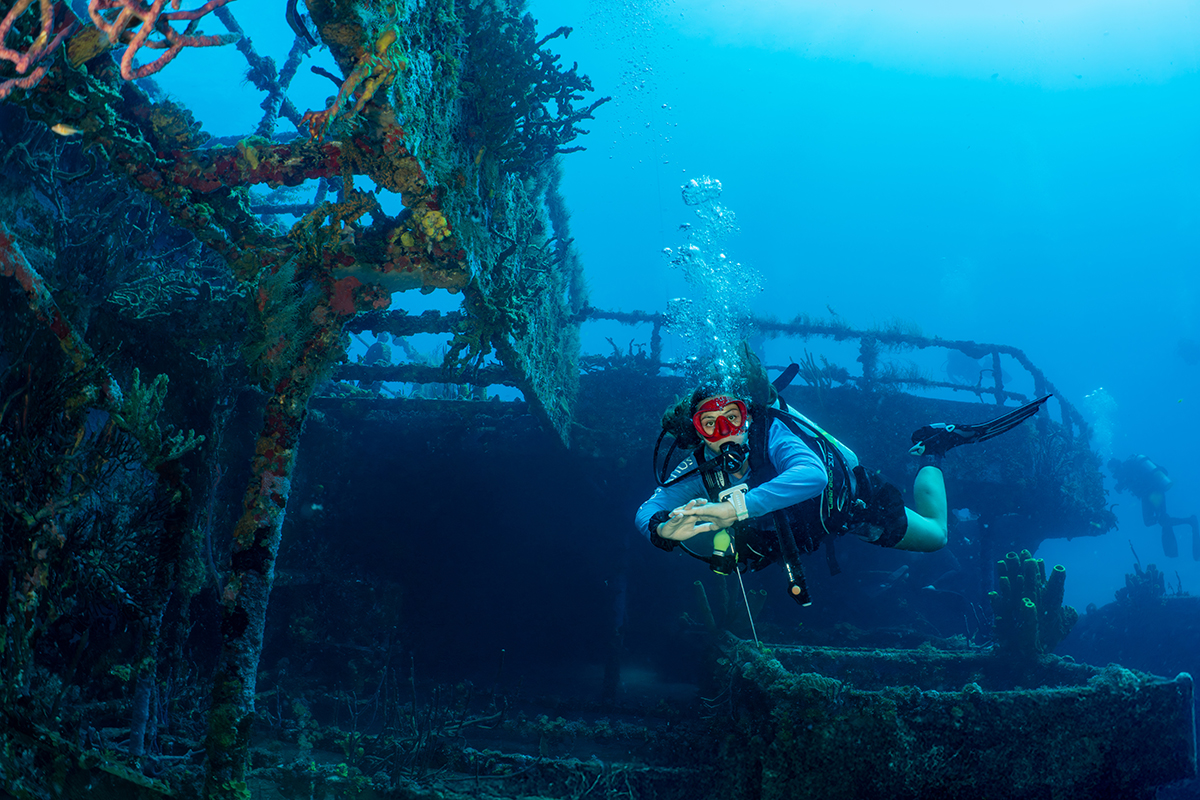
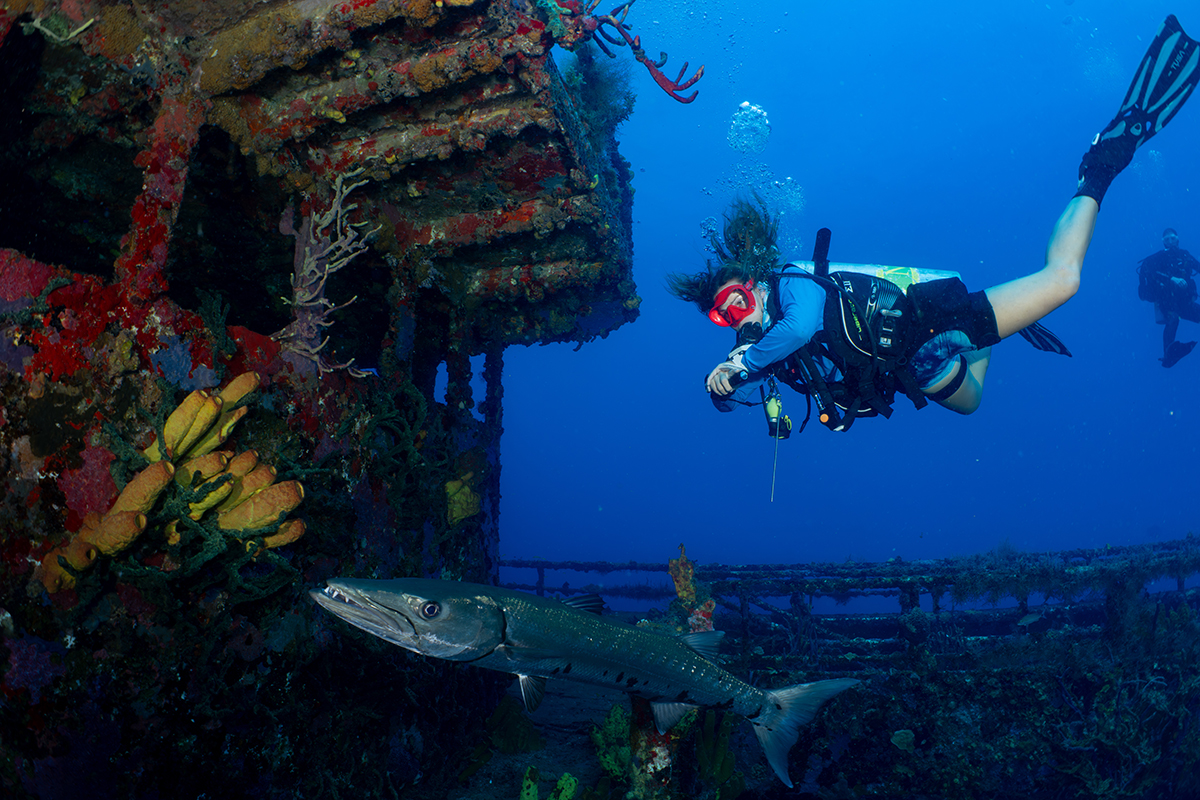
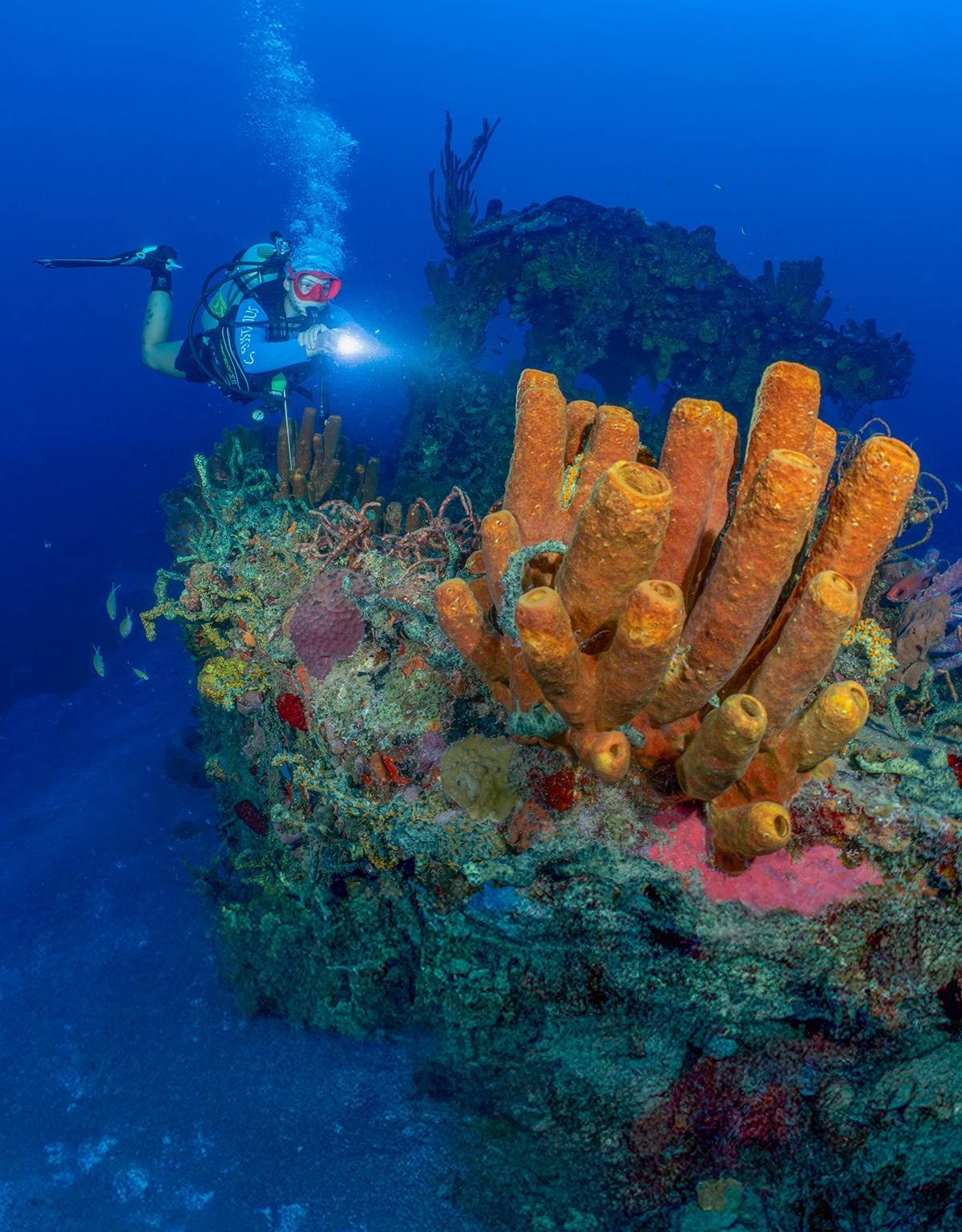
The Chien Tong was a Taiwanese fishing vessel that was damaged and abandoned in the island’s harbour, and then in 2004 it was decided to sink it as an artificial reef. The wreck sits upright on the seabed at 24m, making it an incredibly easy site to dive. The last 22 years have been very kind to this wreck, as it still looks really intact, almost as if you could raise it from the seabed, then you could probably sail it away. It’s covered in beautiful orange, red and yellow sponges, with large schools of fish darting in and out of its hold. Of course, where you get schools of fish, you also get their predators.
Several very large barracuda sit motionless, lying in wait for the next meal to swim a little bit too close. These fish always make me feel a little bit uneasy, much more than anything else in the sea, and in fact one of these gave me a massive fright. Just as I was setting up to take a photograph of the bridge, one of them lunged right across my view to grab an unsuspecting fish. That made me jump; I did notice a little giggle coming from my dive guide, who obviously saw the whole thing happen.
But don’t worry, the history isn’t over quite yet, as there’s still some old treasure to be found, but only if it wants to find you! When you’re drifting over the sandy patches, you’re not just looking at a seabed; you’re looking at a site of profound historical importance. You could be lucky enough to find a blue, glistening piece of history that is worth more than its weight in gold—an infamous blue bead.
In the 17th and 18th centuries, during the peak of the transatlantic slave trade, these pentagonal glass beads were manufactured in Amsterdam and brought to the Caribbean by the Dutch West India Company. They were used as a form of colonial currency to “pay” enslaved people for their labour. Because they were the only currency enslaved people were allowed to possess, they became a symbol of status and survival within that community.
The reason you find them scattered across the seafloor today is shrouded in a bit of beautiful local folklore. According to legend, when slavery was abolished in 1863, formerly enslaved people gathered at the cliffs overlooking the sea and threw their beads into the water as a final, defiant act of casting off their chains.
Over the centuries, the ocean has tumbled and polished them, occasionally burying them in the sand only to reveal them again after a storm. While taking historical artefacts is strictly forbidden on most islands, Statia has a unique rule: if a Blue Bead “finds” you on the seabed, you are legally permitted to keep it as a gift from the island’s past. It is said that if you are lucky enough to find one, your soul belongs to Statia, and you are destined to return to its shores again. Sadly, none of them found me, although I have spoken to people who now possess one of these amazing pieces of history, and it has made them fall in love with Statia even more.
A week’s diving is always over quicker than you would want, and there are so many more sites to explore here. But that always gives you an excuse to return for another trip.
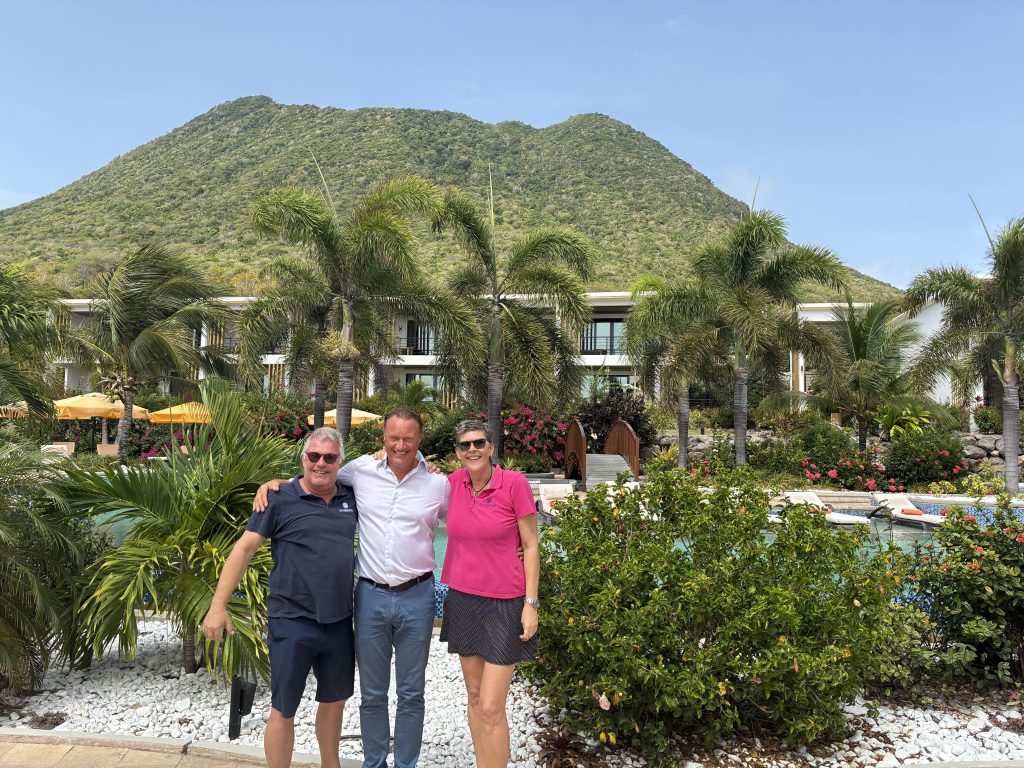
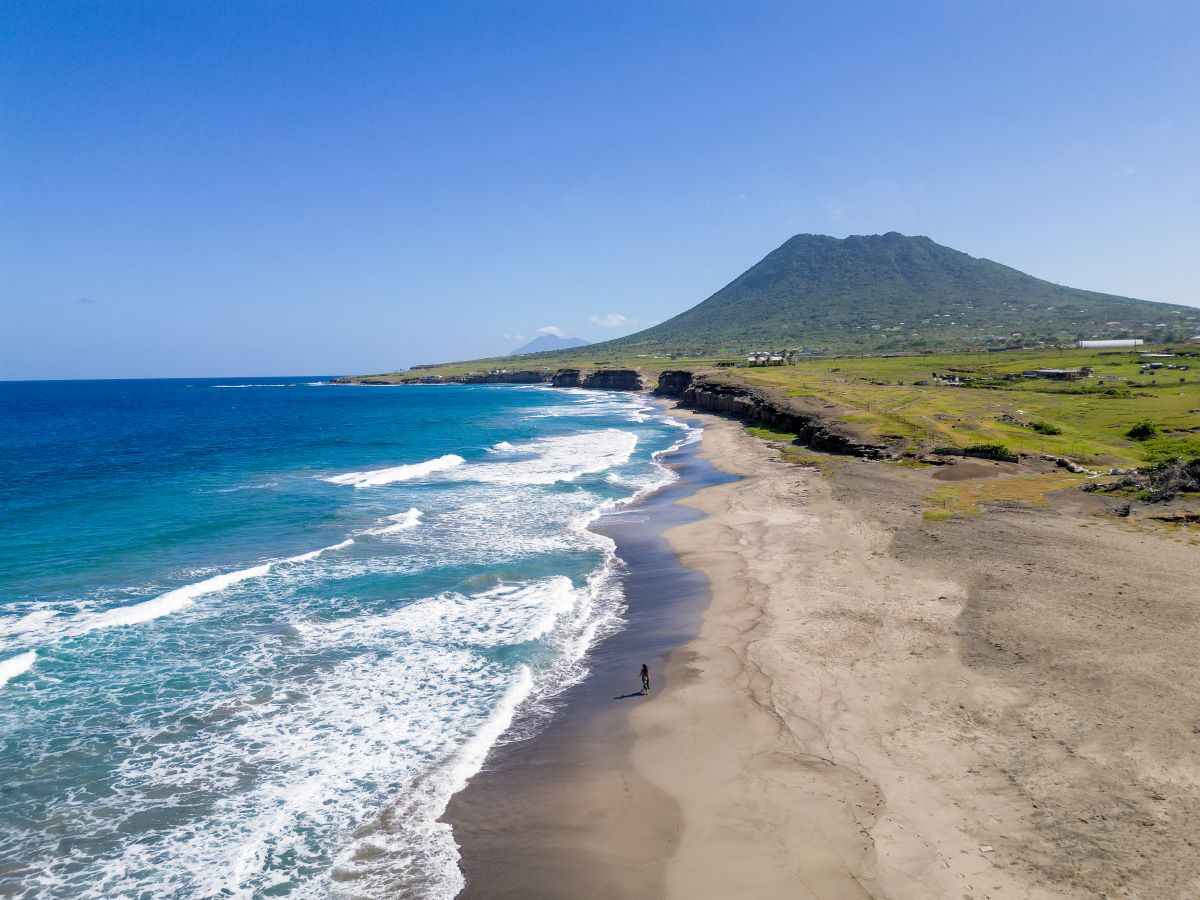
The great thing about diving somewhere like Statia is there is always something to do on your non-diving day; a historical tour around the town (which is beautiful), a visit to Zeelandia Beach or a hike up the local volcano. I chose danger, I chose the volcano! Well, when I say danger, I’m exaggerating quite a lot—well in fact, I’m completely lying. The volcano, The Quill, has been dormant for the last 1600 years, so it’s more of a hill hike, but volcano sounds much more exciting. It’s also not too high, so you don’t need to worry about decompression sickness if you are sensible and don’t run up there directly after your last dive.
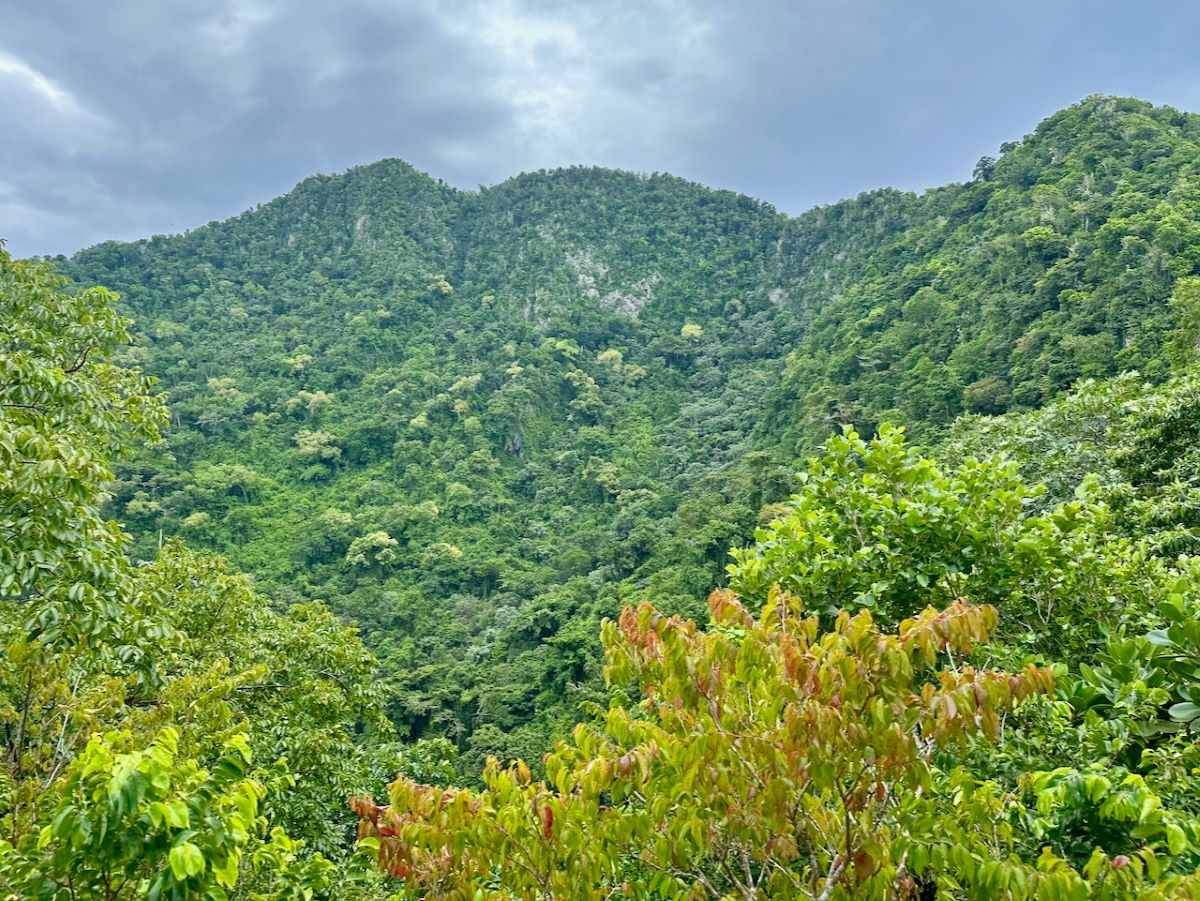
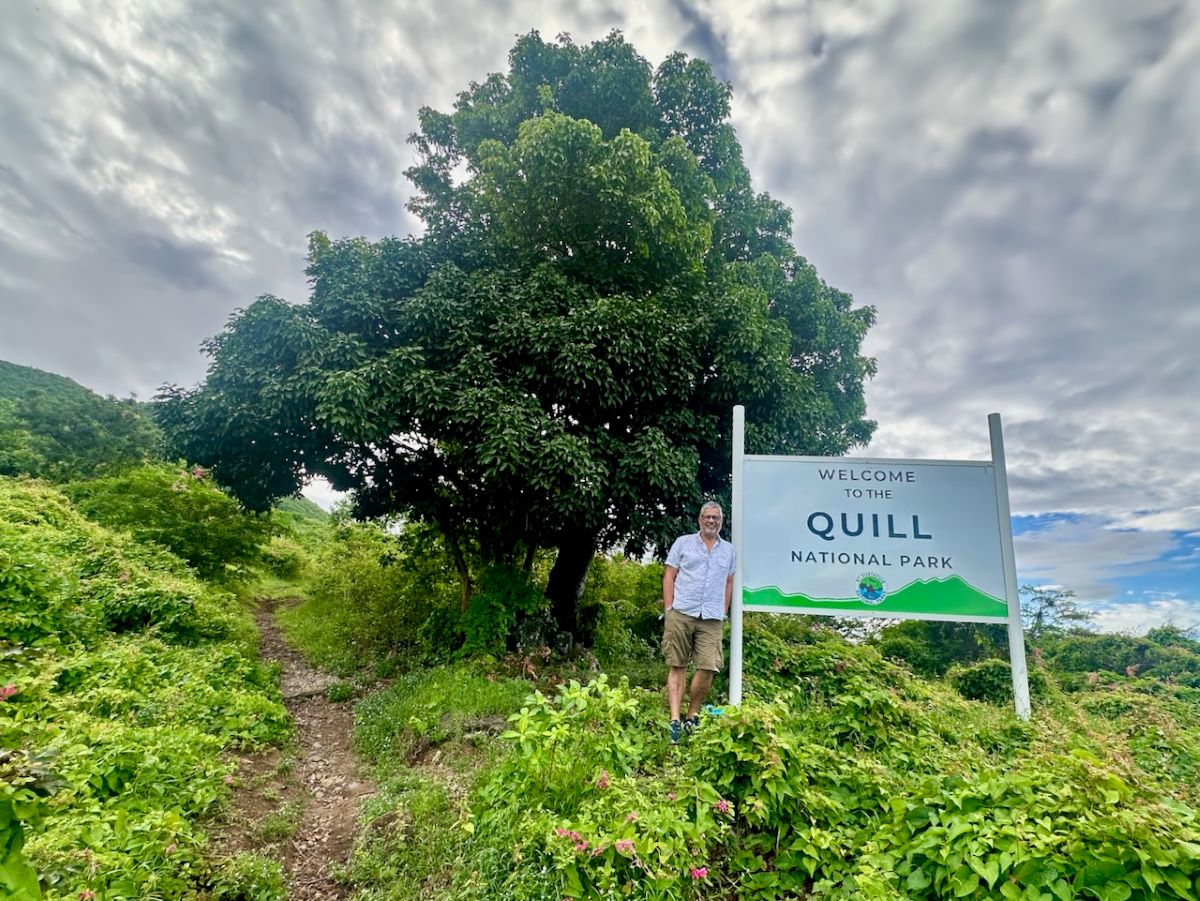
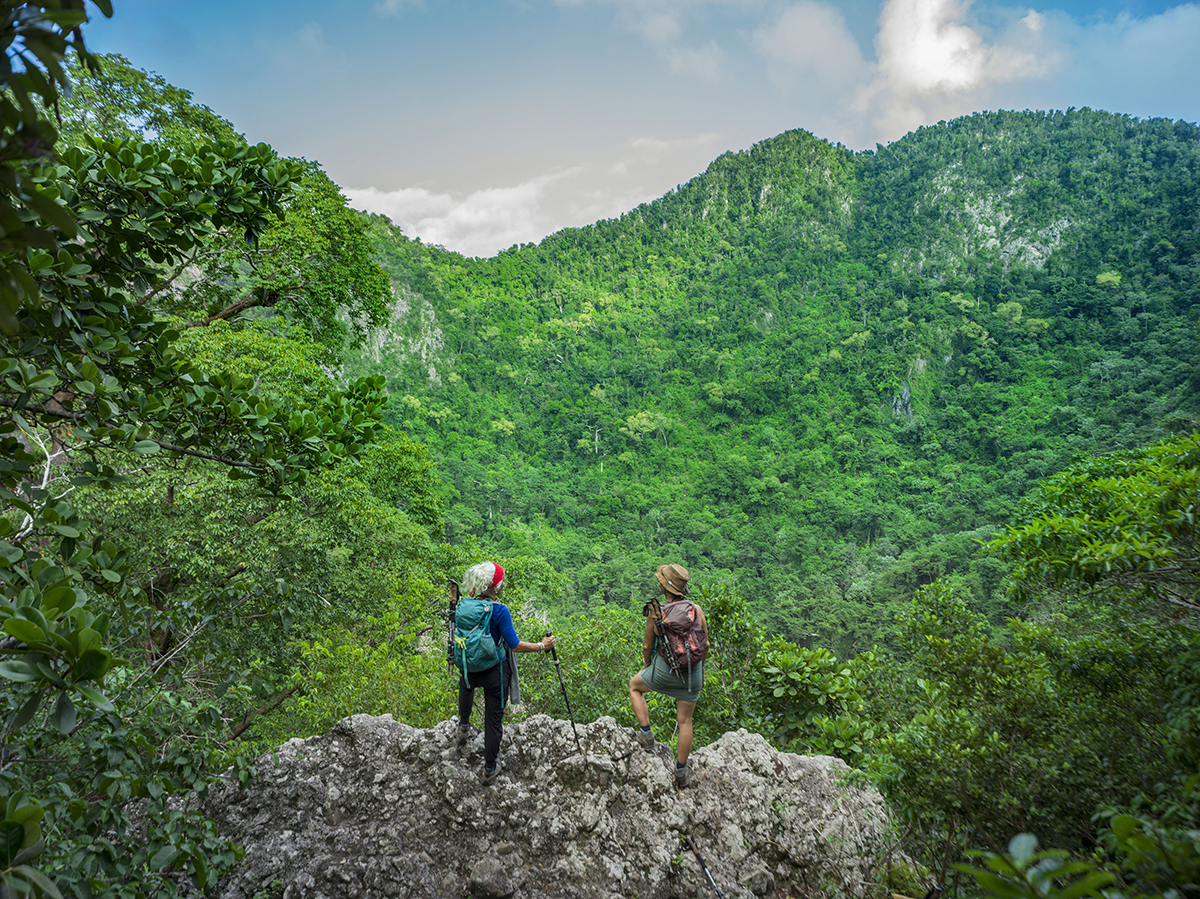
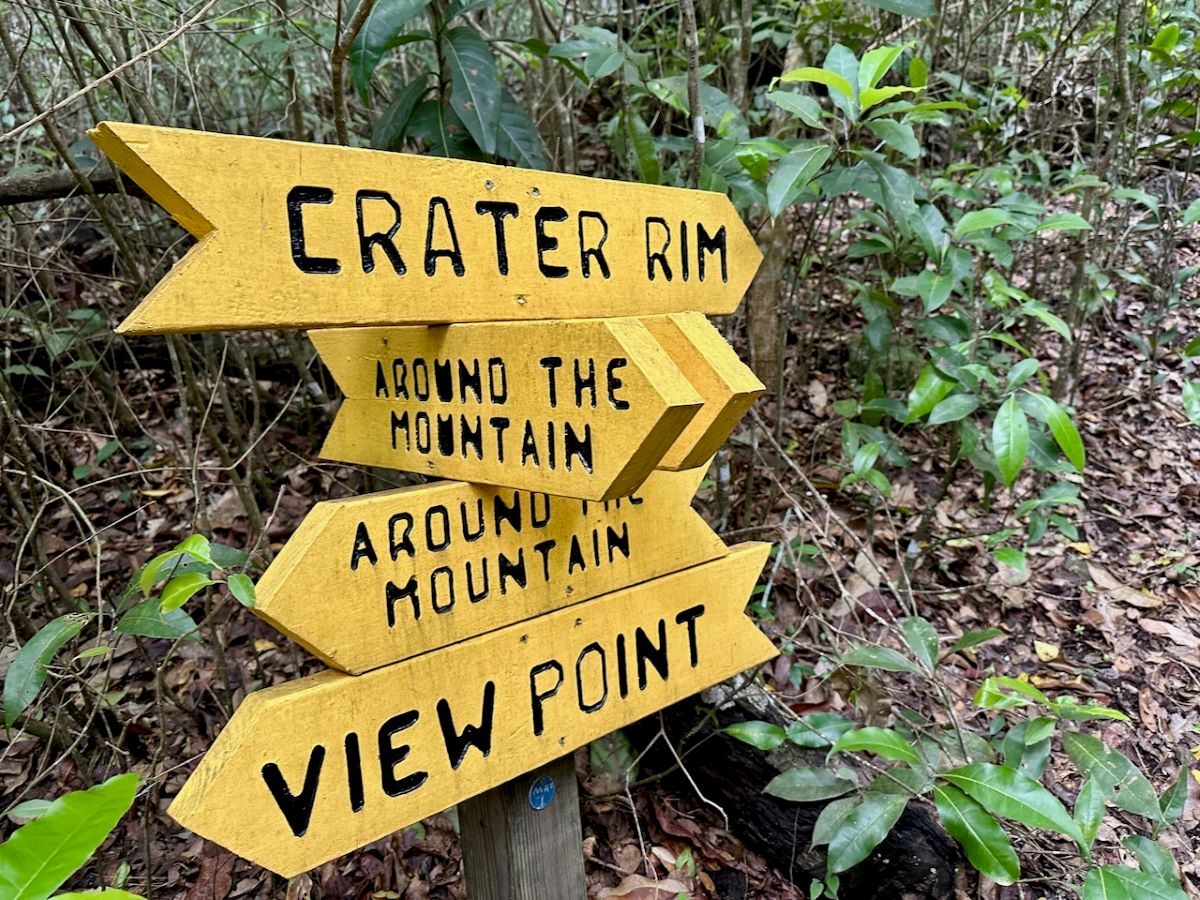
This perfectly formed dormant volcano, whose name comes from the Dutch word kuil, meaning “pit” or “hole”, isn’t just a landmark; it’s a vertical journey through entirely different worlds.
I’d recommend setting off as early as possible, ideally around 7/8 AM, to beat the Caribbean heat and catch the beautiful morning light. The hike to the crater rim is a steady, heart-pumping climb that typically takes about an hour, depending on how often you stop to snap photos. While you don’t need to be an Olympic athlete, a moderate fitness level is recommended, as those volcanic switchbacks can get quite steep and rocky. Near the top, I did need to scramble on my hands and feet, but that’s only for the last little bit.
Along the way, you’ll witness a dramatic shift in scenery. The dry scrub at the base quickly gives way to a lush, prehistoric-looking seasonal tropical forest. You’ll find yourself walking beneath giant silk cotton trees and looking out for the “Statia Morning Glory,” a flower found nowhere else on Earth.
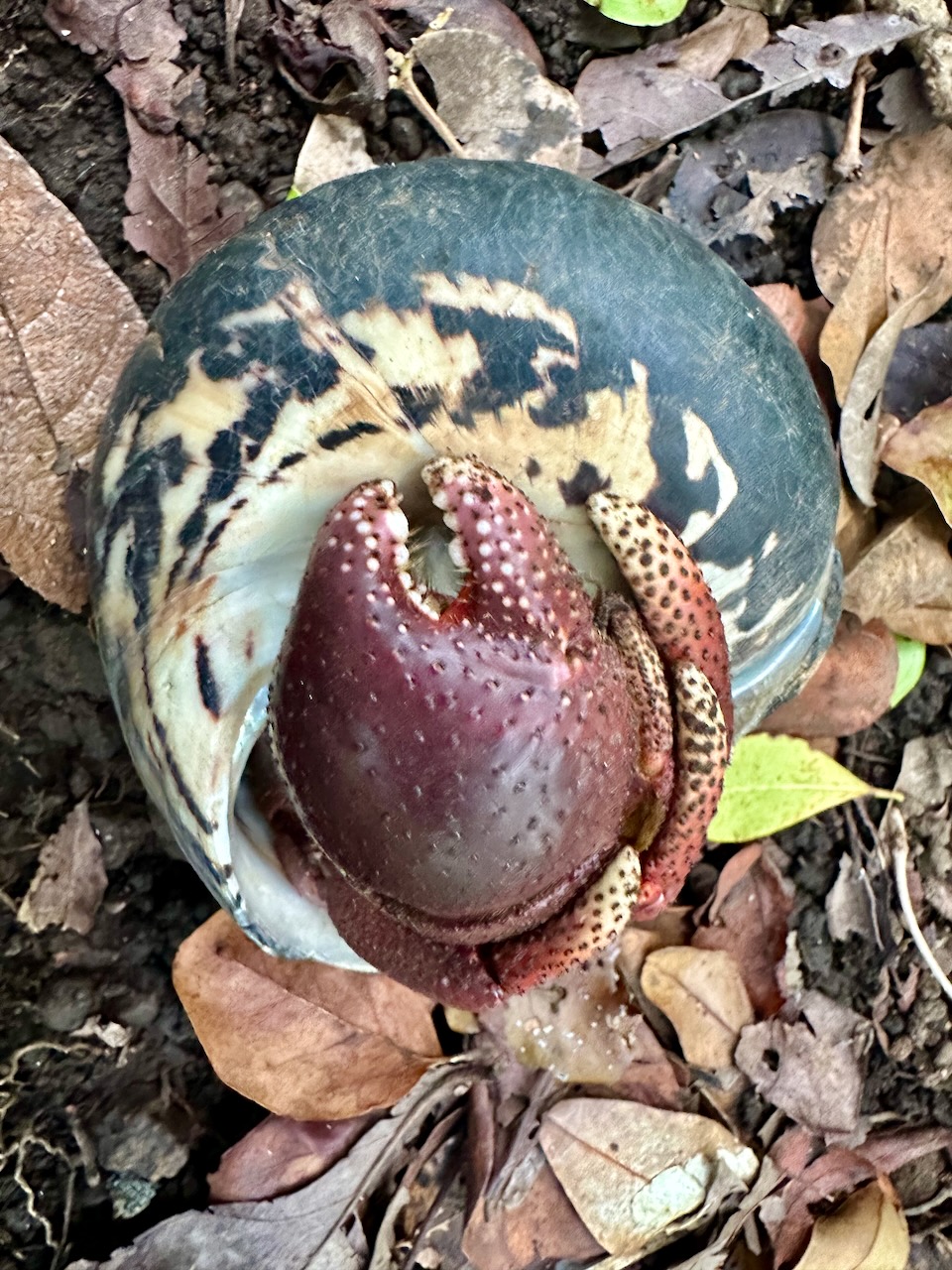
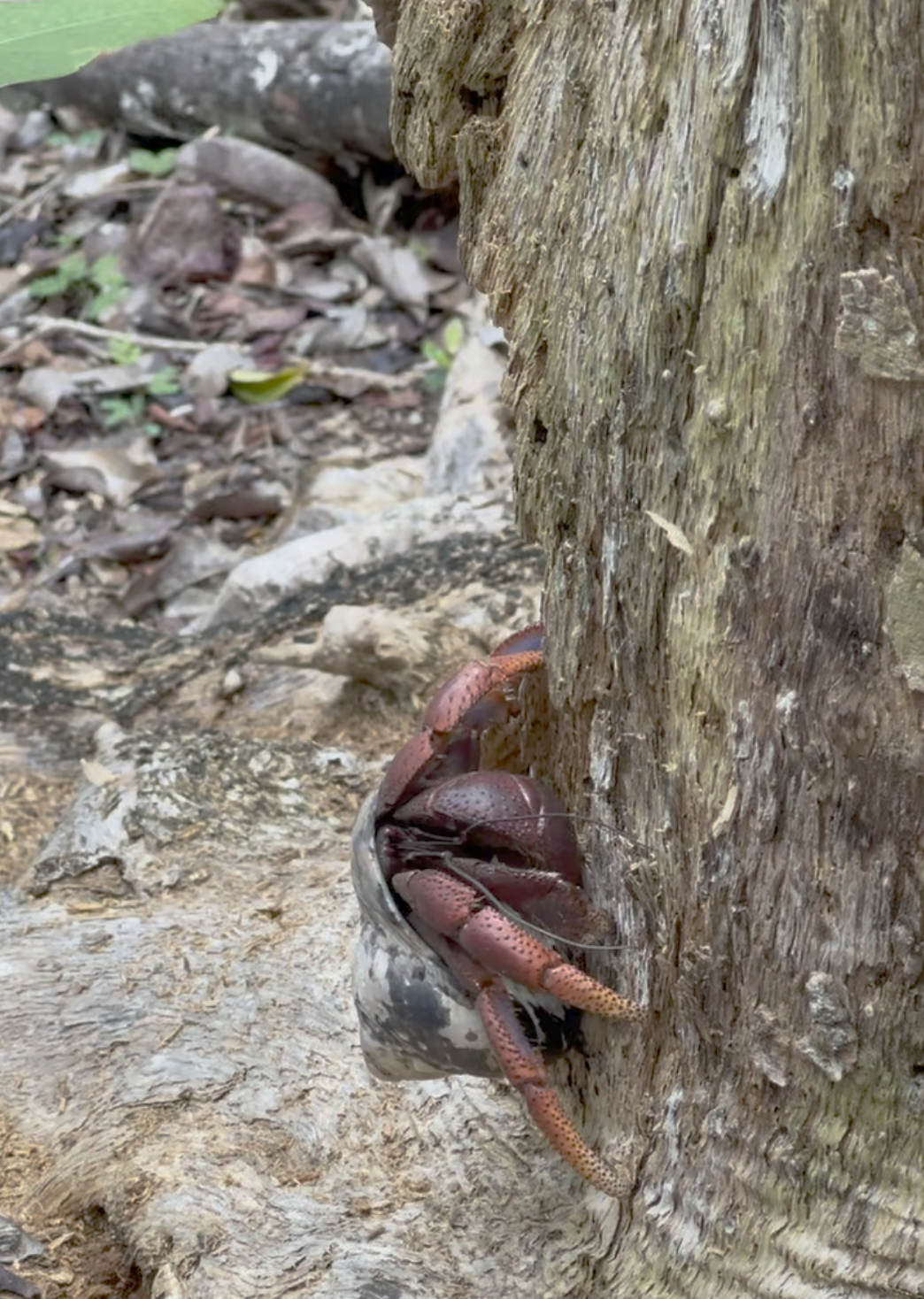
Wildlife enthusiasts are in for a treat, too. I was told that you’re likely to spot bright green Antillean Iguanas sunning themselves on high branches, but sadly I didn’t spot any. What we did see were literally hundreds of hermit crabs; you normally hear them before you see them. These incredibly shy little critters are mostly up the trees, and when they hear you coming, they dart back into their shell and fall out of the tree, dropping like stones. Watch out, as I had a couple nearly hit me on the head. It’s amazing that these crabs are so far away from the sea, and it’s incredible that they are all in seashells. I wonder if sometimes they go back down to the beach to find a new shell when they outgrow their old one? It would be an epic pilgrimage if they did—we are literally miles away. I bet some clever person out there has done some research on them.
I was also fortunate to spot a harmless red-bellied racer snake slithering through the damp leaf litter, but as with all snakes, they’re more scared of you than you are of them, and it quickly slid away from us. Birdwatchers should keep an ear out for the bridled quail-dove cooing in the shadows. Once you finally reach the rim and look down into the misty, fern-draped crater floor 600 feet below, the silence is incredible. You’ll feel less like a tourist and more like an explorer who has just stumbled upon a lost world.
So there you go, that’s my take on this lovely little gem in the Caribbean Sea that the tourists have forgotten about. If you visit, I really hope you enjoy your stay there as much as I did; maybe I’ll see you there.
Fact File
- Currency: US dollar. Credit cards are widely accepted, but some cash would be useful.
- Language: English and Dutch are widely spoken.
- Electricity: North American Type A and B plugs.
- Ideal for: Families, groups and non-divers.
- Best time to go: December through April offers the lowest rainfall and best visibility for diving.
- Visa: (UK) Not required for stays up to 90 days.
- Getting there: London to Saint Kitts, ferry from Saint Kitts to Sint Eustatius. There is a brand-new flight with Fly Dutch Caribbean from Saint Kitts to Sint Eustatius that takes just 10 minutes.
- Sample itinerary price: 8 days from £2,995pp based on two persons sharing. Includes flights from the UK, transfers, 7 nights accommodation, daily breakfast and 10 dives each.
- Travel agent link: www.diveworldwide.com/accommodation/golden-rock-dive-nature-resort