Future Focus: Joseph Mawdsley
In each instalment of Future Focus, we speak with past and present students of the Marine & Natural History Photography BA(Hons) course at Falmouth University about their experiences, challenges, and successes on the course.
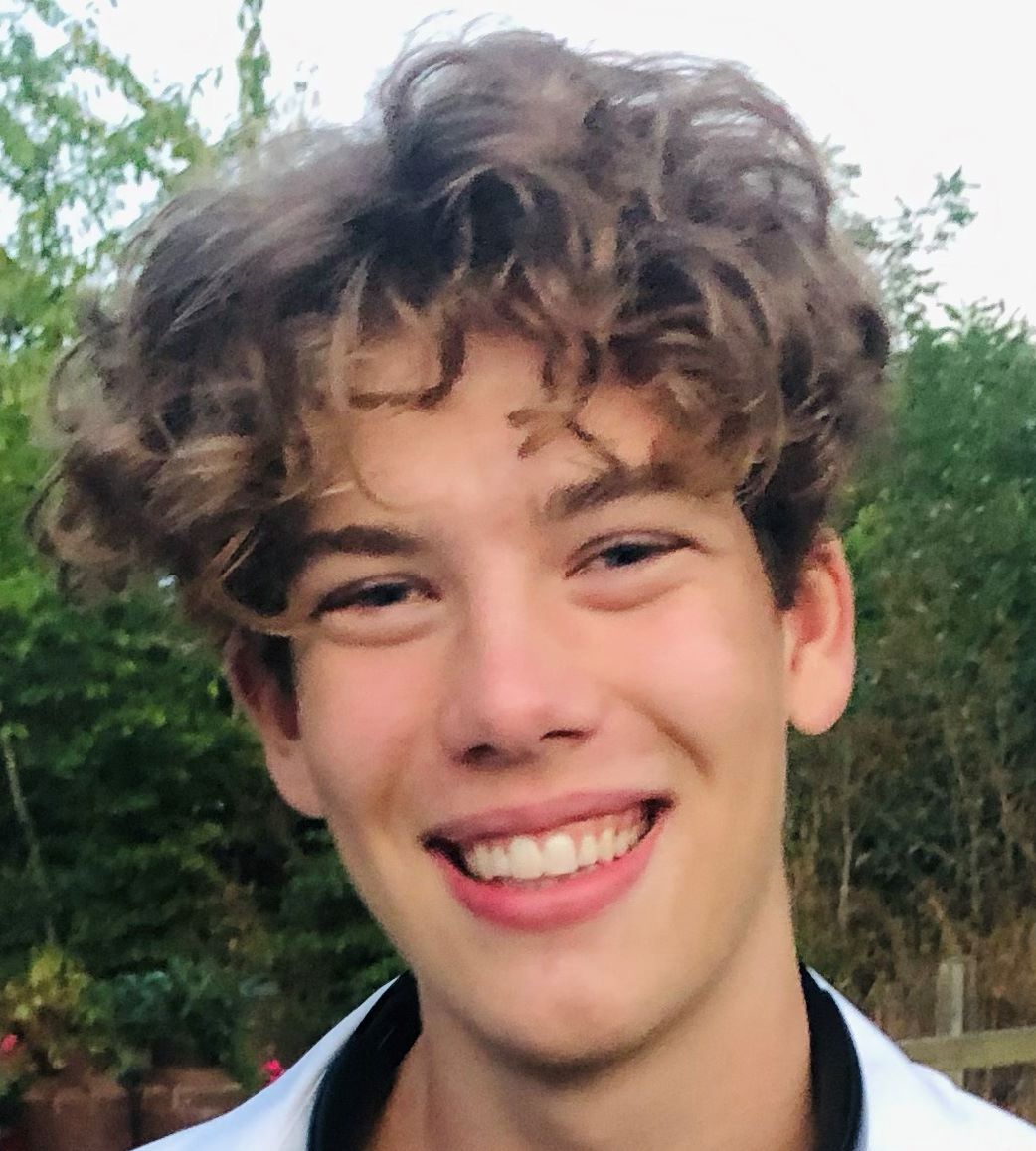 Joseph Mawdsley – Student
Gina: What first drew you to study underwater photography at Falmouth?
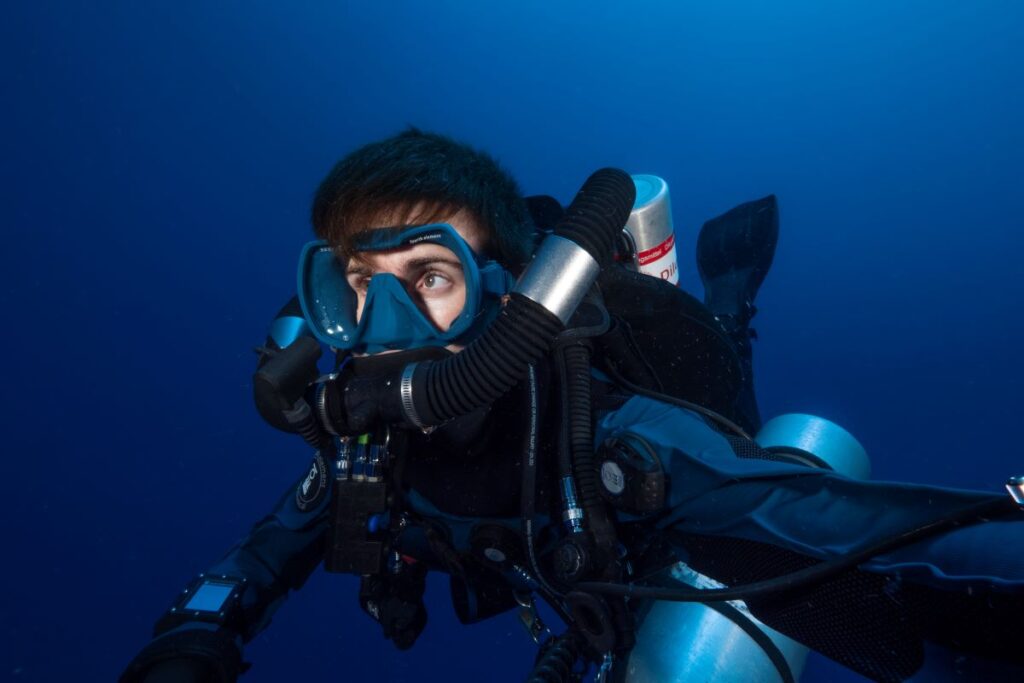
Joseph: My original draw to study underwater photography was obviously largely to do with my love for sea life and the creatures that inhabit it, but more than that, it was because diving gives me the ability to fly freely through the waves, something that I will never grow tired of.
Gina: Did you have any diving or underwater imaging experience before joining the course?
Joseph: I had completed my dive certifications about 3 months before beginning the course and had no prior experience using a camera underwater.
Gina: What were the biggest technical challenges you faced when first photographing underwater?
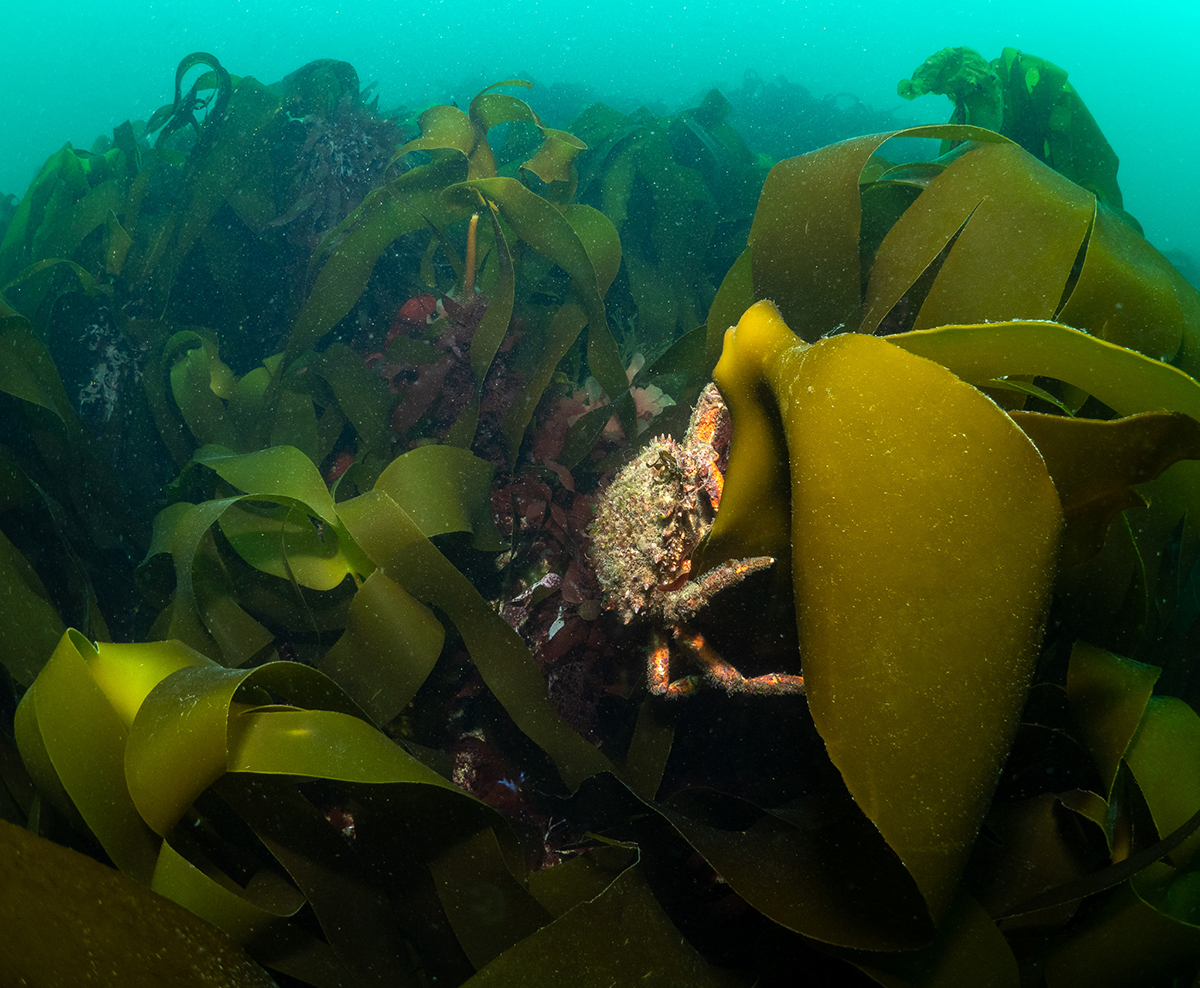
Joseph: The first of my technical challenges was avoiding backscatter, something I am still struggling with, but I have found workarounds and lighting options that avoid it in its entirety.
Gina: How does photographing in UK waters shape the way you think about light, colour, and composition?
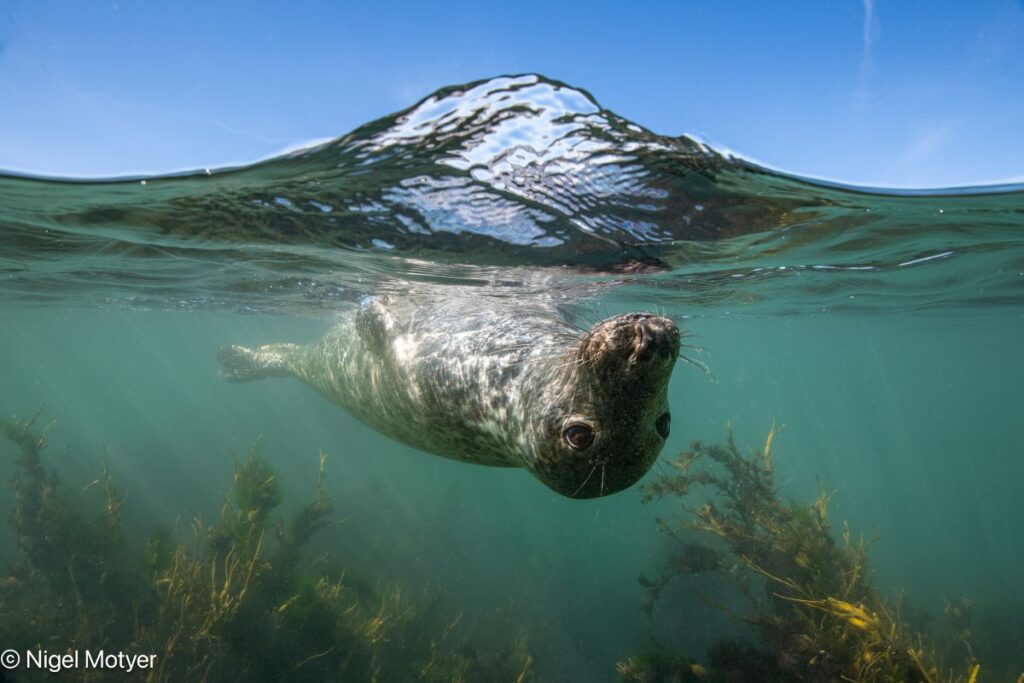
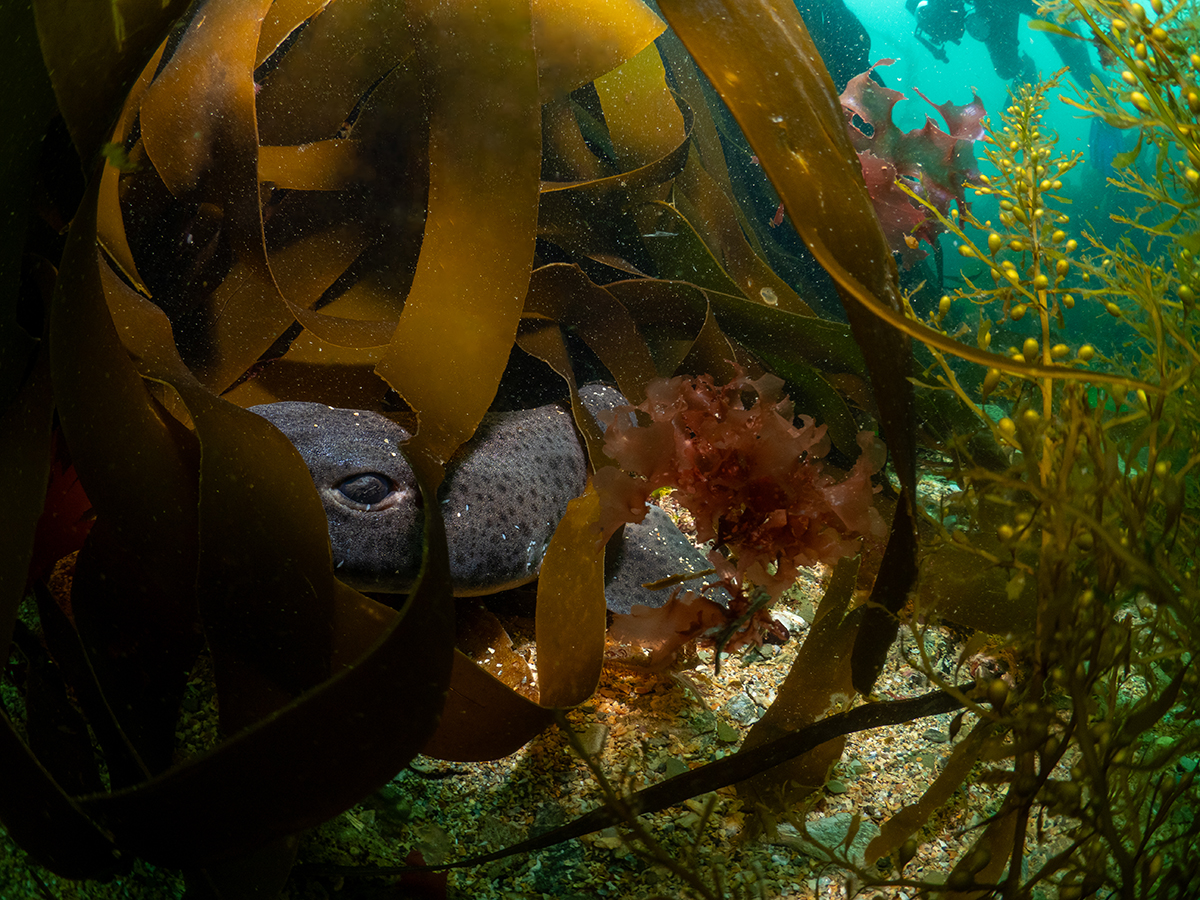
Joseph: I am unaware of any other countries’ waters when it comes to underwater photography, as I have never dived outside of England. I have had many different diving experiences here though, with all kinds of weather and cloud coverage. I often find that a high flash power is necessary due to low ambient light and this tends to be perfect for me as when shooting UV I want as little ambient light as possible to ensure the most bold image possible.
Gina: Can you describe a dive where something unexpected forced you to adapt your photographic approach?
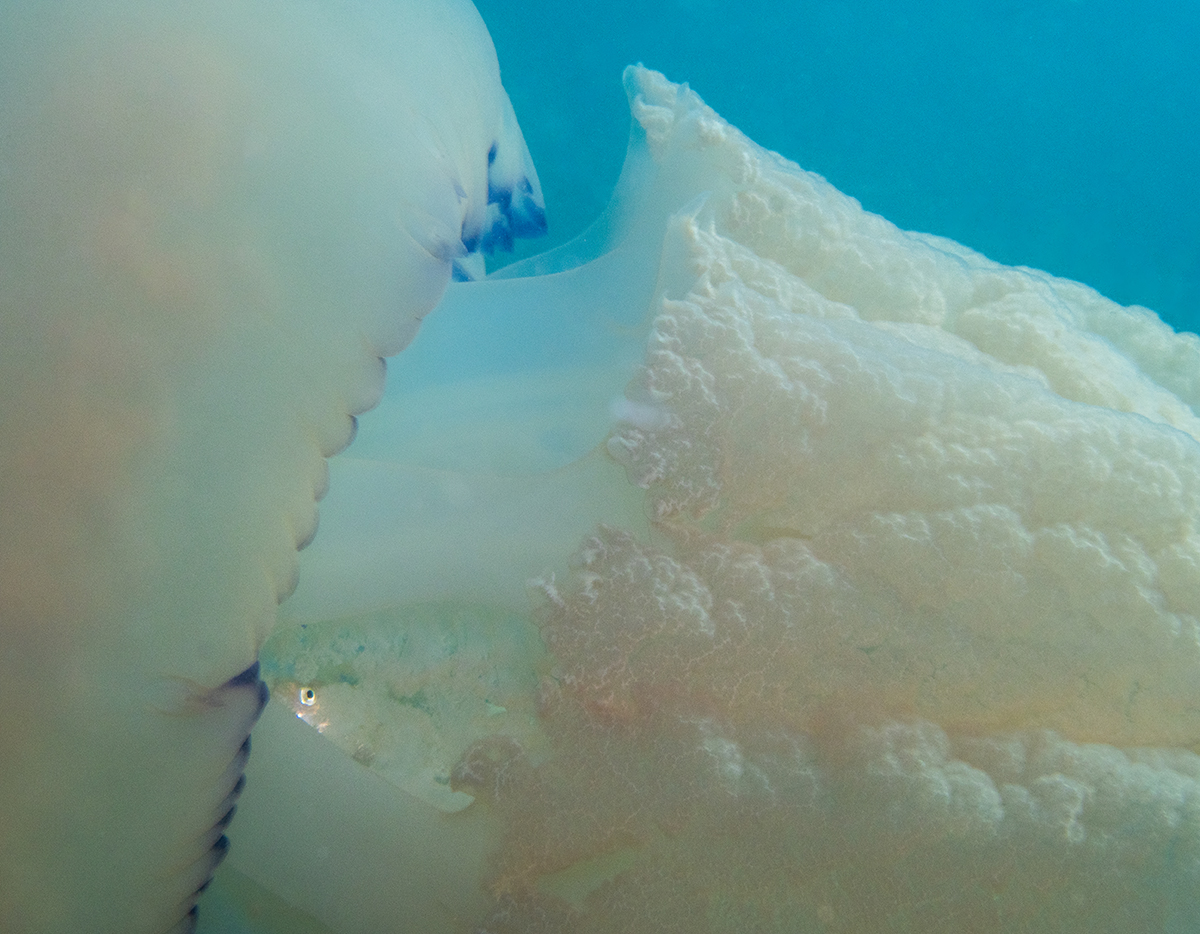
Joseph: During the final dive of my first year we came across a huge barrel jellyfish completely by surprise. At the time I only had a macro lens on and had no way to capture it in its entirety. I did however notice tiny fish inside it and chose to change my focus to them, creating a shot completely different from anything I’d done before. It was the decision to leave the subject I had wanted and to look deeper that made me learn more than I ever could have if I’d had a wide-angle or fisheye lens.
Gina: How has working in cold-water conditions affected the way you plan a shoot?
Joseph: Due to the water temperature, I tend to stay in the shallower parts of the bay. I had lots of fun adventuring in my first year, but as Gina had said, and I came to realise, all the best work comes from staying in one place and hyper-focusing on a smaller array of subjects. I make sure I always have an idea of the shot I want before I enter the water and always keep my movement to a minimum unless I get too cold, in which case I’ll do a few doughnuts in the open water to warm up, being careful of my fins.
Gina: Have you discovered anything surprising about the biodiversity in UK waters while working on your portfolio?
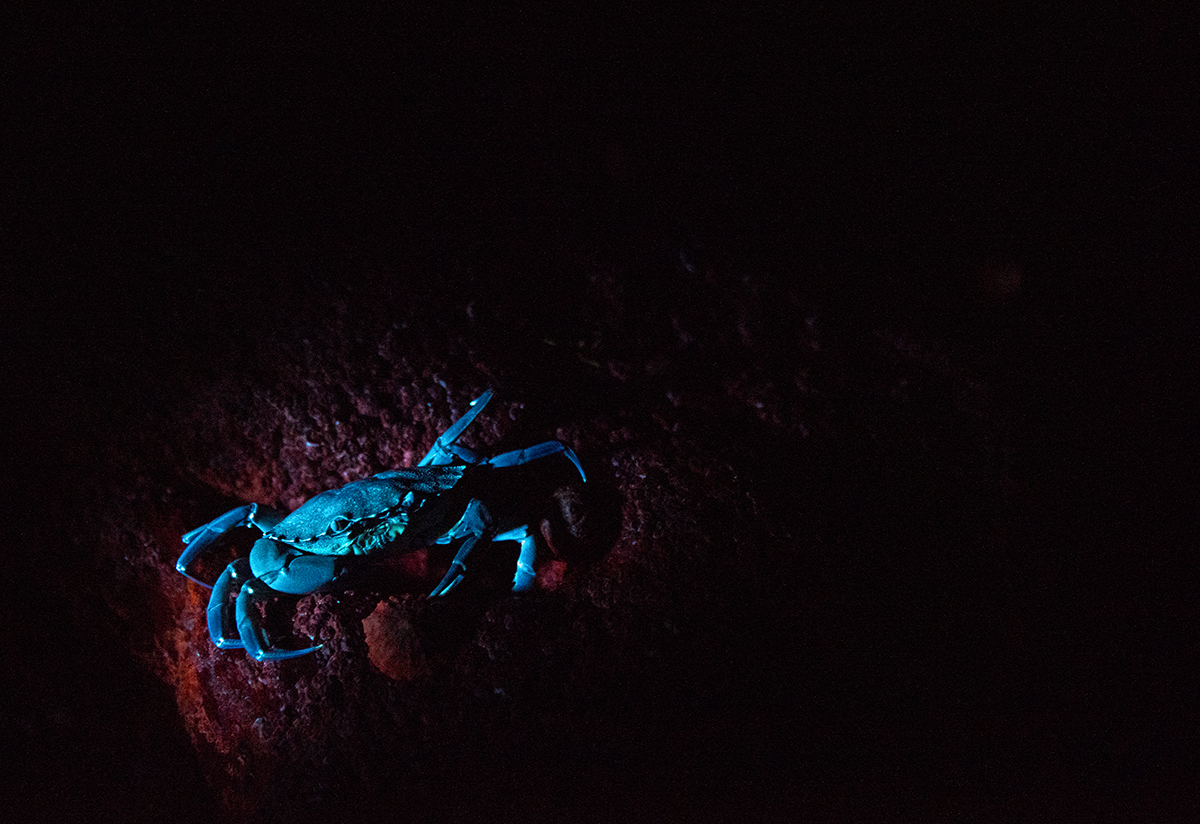
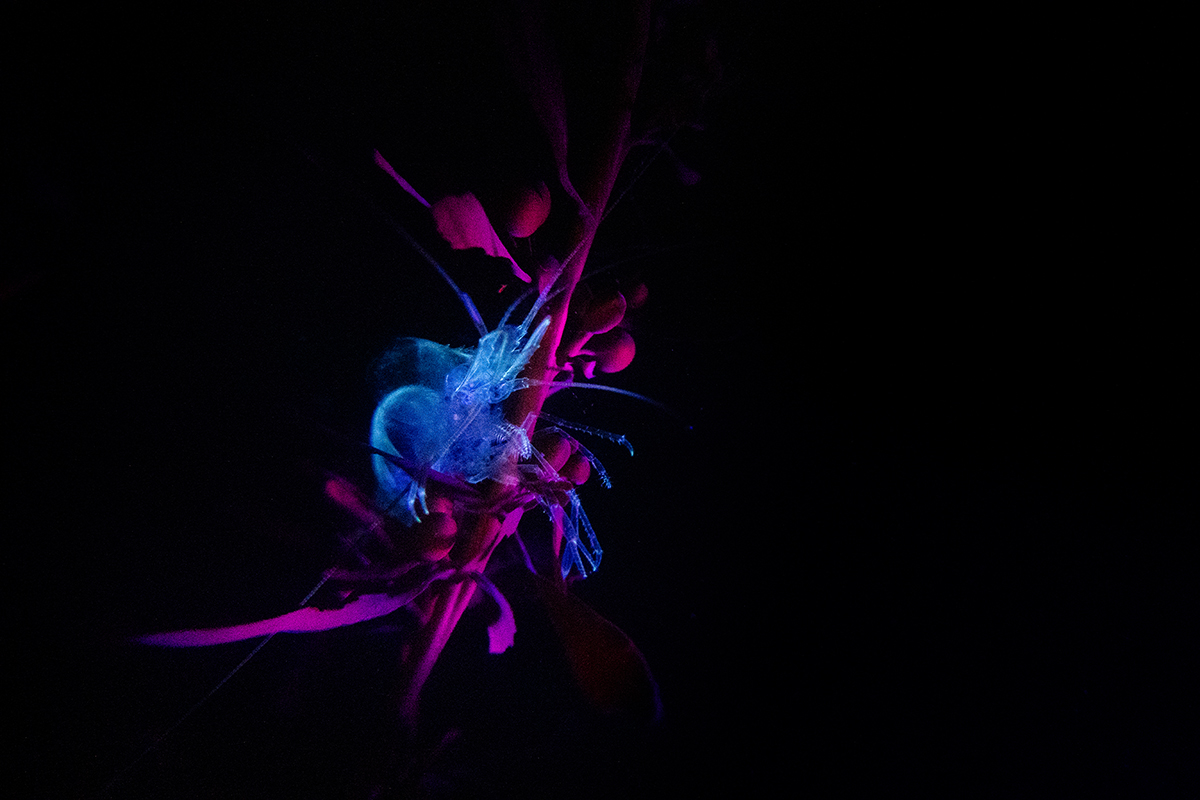
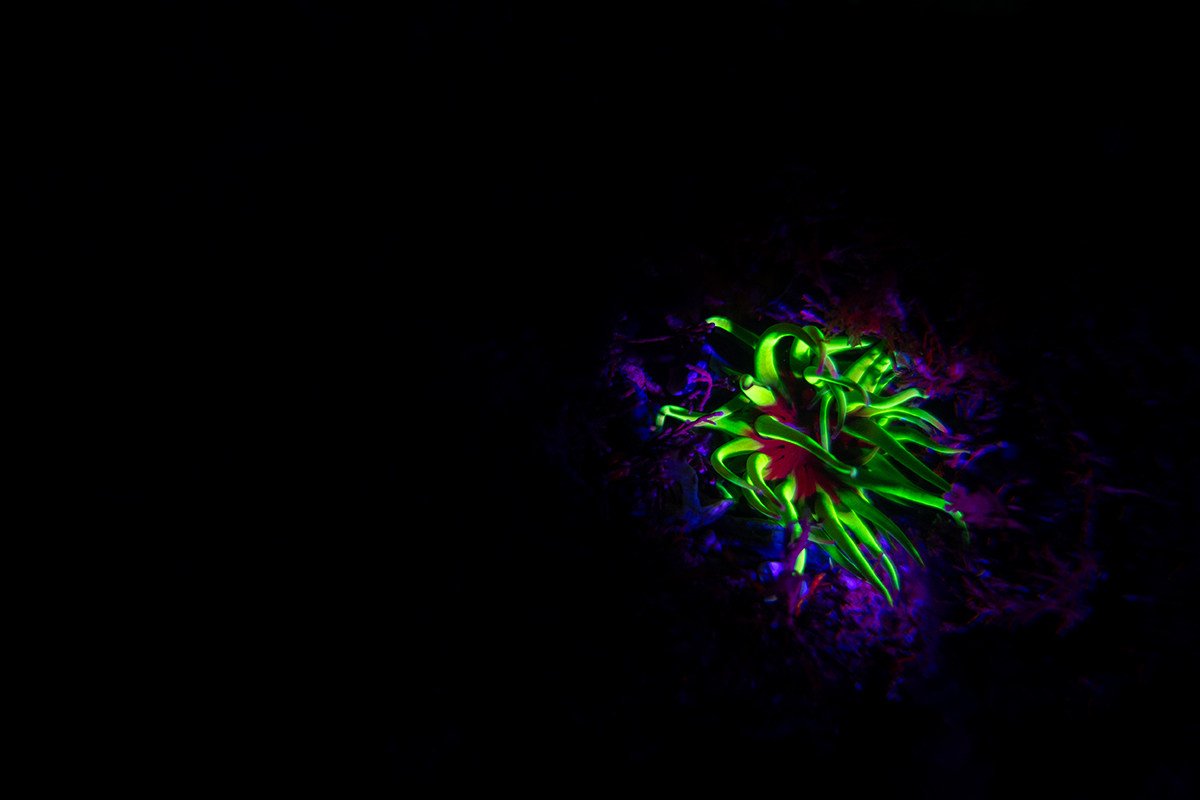
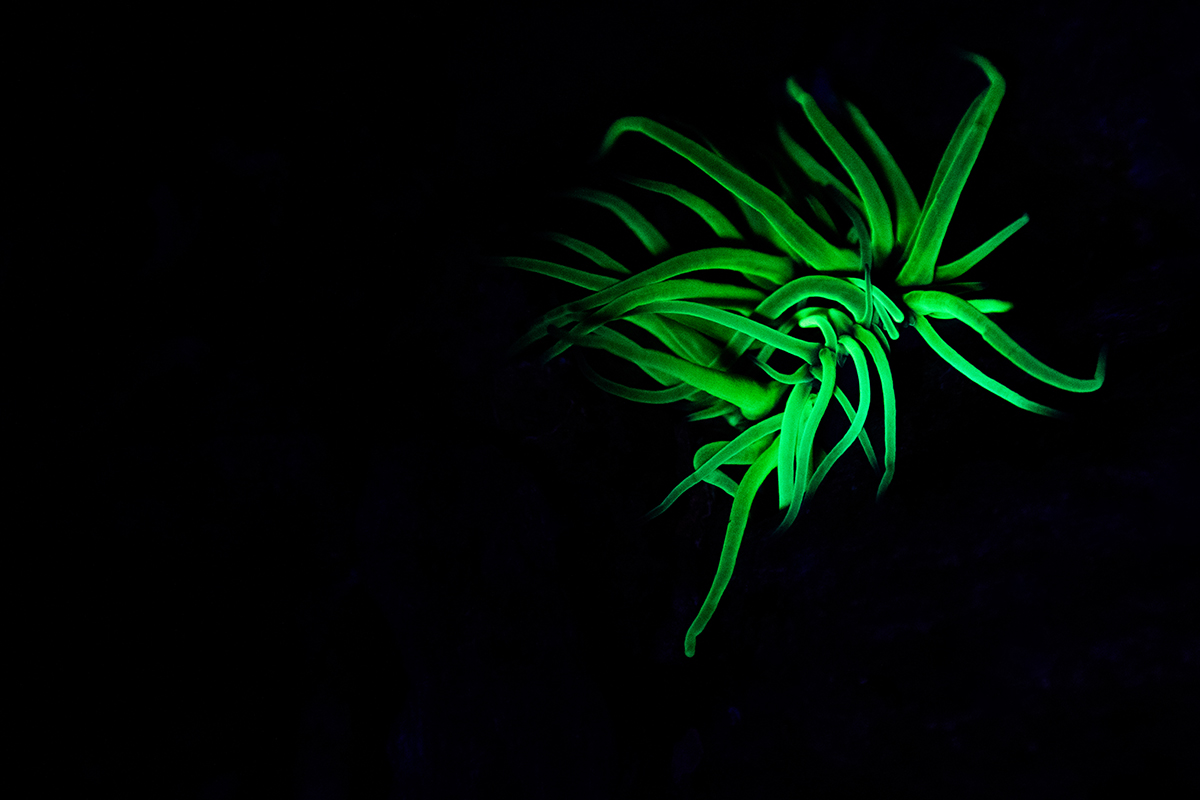
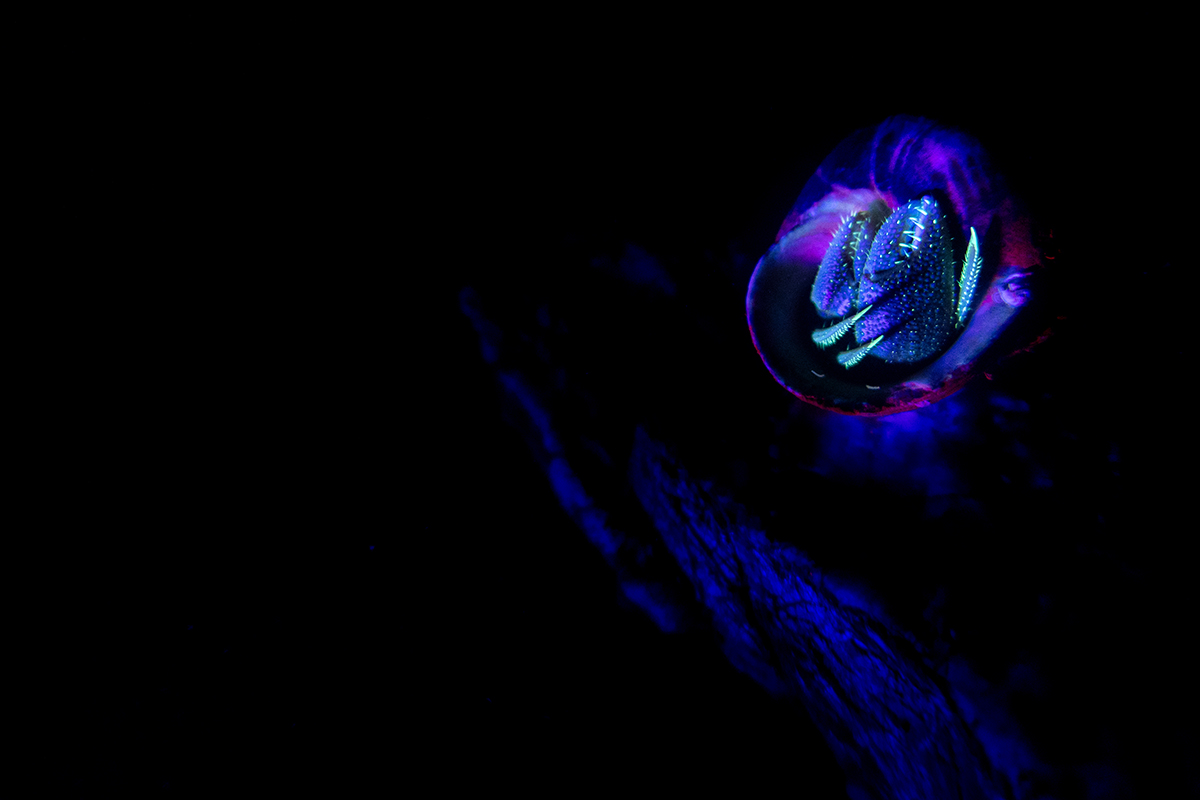
Joseph: I think the most surprising thing I’ve discovered is just the sheer amount of biofluorescent lifeforms that populate the rockpools all around us. They are often so small and overlooked, especially as they are impossible to notice in the dark without a UV torch. Linking to this, the many uses of bioluminescence are incredibly interesting to me, especially due to the minuscule amount we have discovered. Many creatures use it for a plethora of reasons, such as communication and mating rituals.
Is there a particular image or project from the underwater module that you are most proud of?
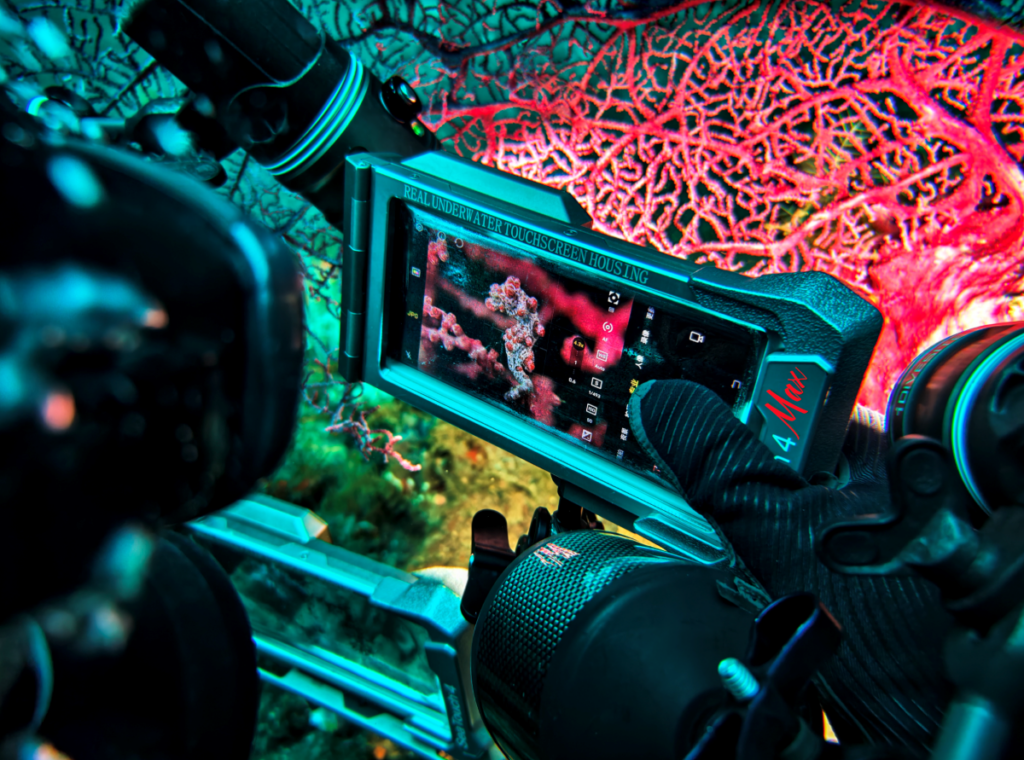
Joseph: My final portfolio for you in year 2 is my absolute favourite project I have ever done. Diving wholeheartedly into the UV world was the best decision I could have made, especially since we didn’t go on many dives at all over the winter due to the terrible weather. I had to face and cross many hurdles throughout the project, especially when I started it; I had no UV torch to breach the water. I was often wrapping my body into very strange positions to hold both the camera and the torch whilst trying to balance the camera, as was necessary in the low light. The outcomes far and away made up for my trouble, though, and the many late nights at the pools.
Gina: What role does experimentation play in your learning process underwater?
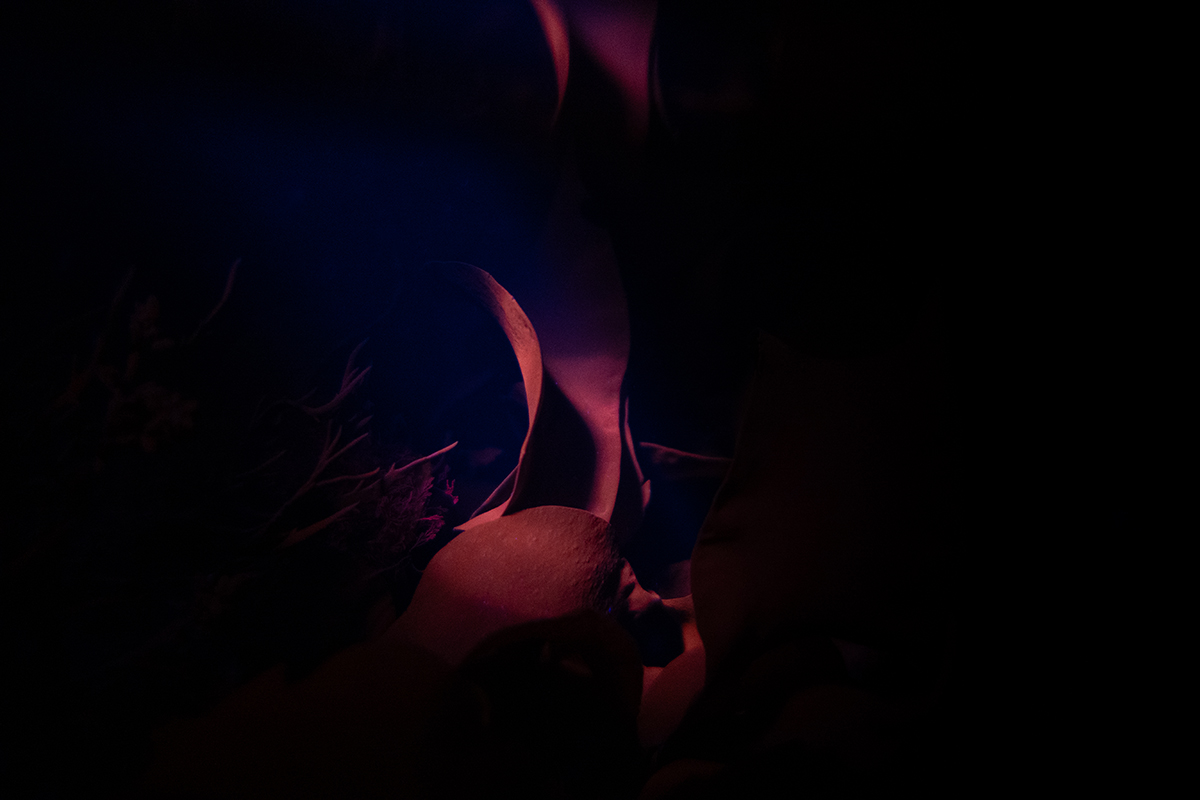
Joseph: Experimentation is the most key factor other than composition to the success of my work. I believe that the trying and testing of new ideas is the only way to grow as any kind of artist, be that in painting, graphics or even cooking. Using what others have tested before you and jump padding off them to new heights is the most essential key to growth. Every test and idea I’ve had and tried underwater and outside of it is stored in my head ready for the moment it could come into use. For example, using backlighting techniques in accordance with UV strobes to create a black background image without any backscatter whilst still highlighting the biofluorescence of the subject.
Gina: How do you see underwater photography fitting into your future career?
Joseph: I hope once I leave here to begin teaching diving and photography as I travel the world. I would like to document all sorts of UV life both in and out of the water on my own time and perhaps sell the images if I can create a unique and sought after style or begin working with scientists and marine biologists in the continued study and documentation of the UV world.
Gina: What skills from the course will be most valuable for working in the marine media industry?
Joseph: Though it seems like a simple answer, I believe the connections I have made and continue to foster will be of immense use to me throughout my media presence and life in general. As far as what people may deem valuable about me, I would think my experimental skills, ideas and friendly nature will improve my chances, as well as my dive safety, which has been the course’s number one priority all the way through.
Gina: What areas of underwater imaging technology or storytelling excite you for the future?
Joseph: Deep-sea drones are something I am finding increasingly interesting. The idea of being able to explore the deep ocean and all its mystical life is greatly interesting to me. As someone who loves stories and myths, the deep unknown of the ocean excites me enormously. I want to discover new and amazing creatures and the abilities they possess and, just as humanity has always done, watch us use that knowledge to create new and exciting technology for the betterment of us all.
Gina: What advice would you give to students considering the underwater photography module?
Joseph: I would advise them to jump at the opportunity and focus on amassing a portfolio of images like nothing anyone has seen before. I believe changing yourself and testing new and interesting ideas is the foremost right of new artists in all fields, and I believe nothing can bring you more joy than finding something you love and sharing it with the world.
www.instagram.com/joe_mawdsley
Click below for more details about Falmouth University’s Marine & Natural History Photography course:
https://www.falmouth.ac.uk/study/undergraduate/marine-natural-history-photography
Meet Gina Goodman and the rest of the team at Falmouth University shaping the next generation of underwater photographers here.