The Golden Rock Gem in the Caribbean: Part Two
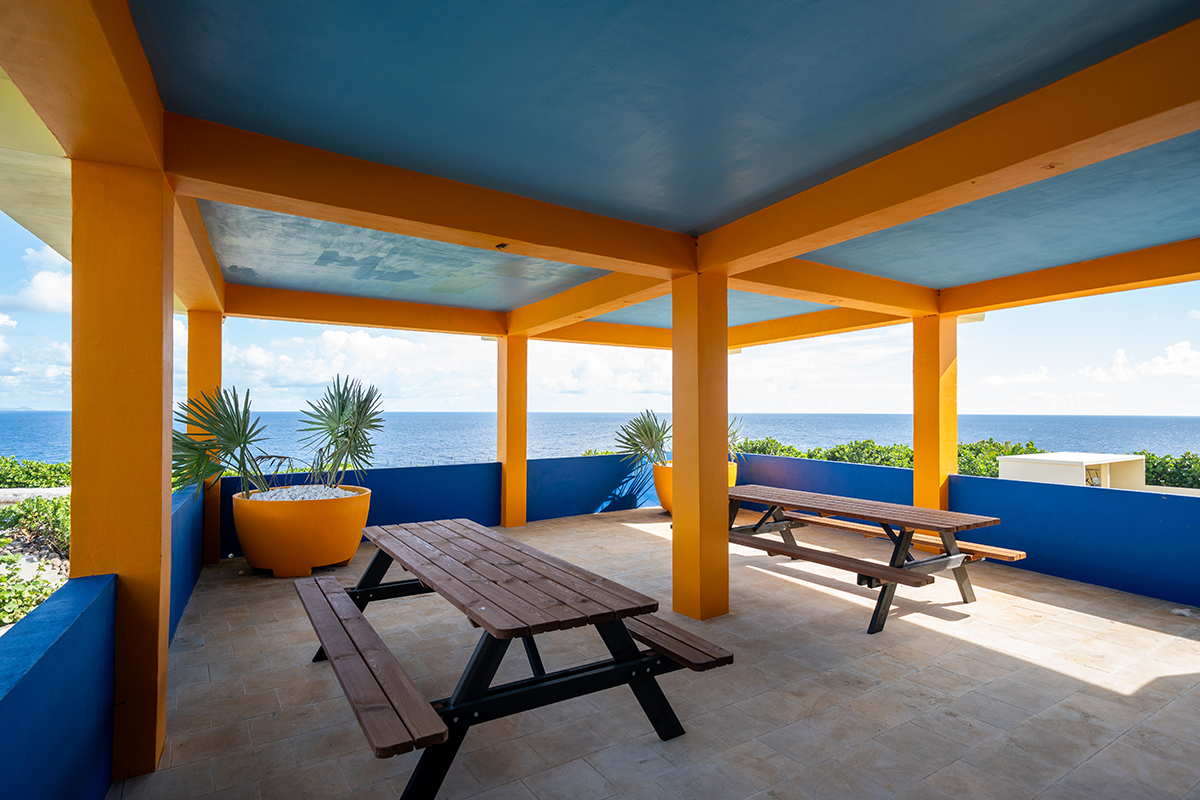
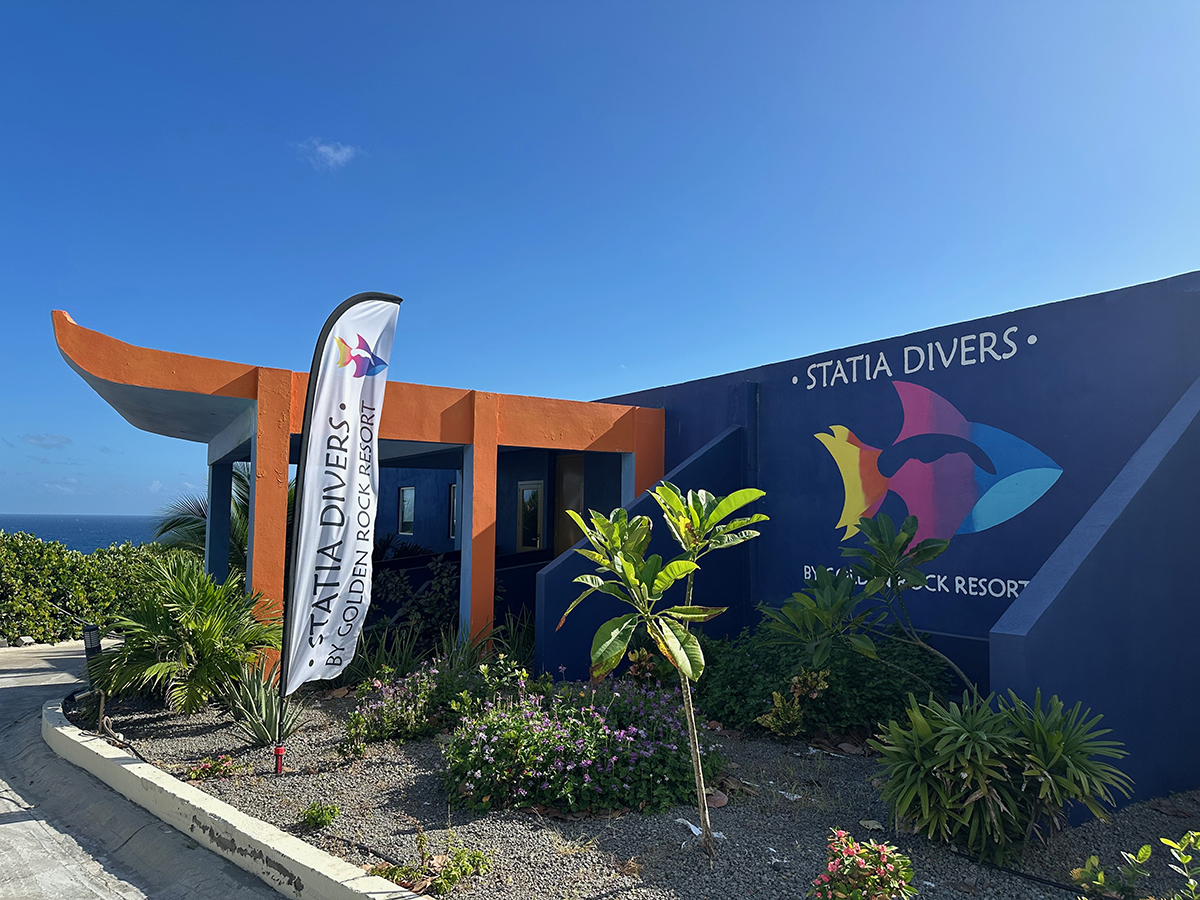
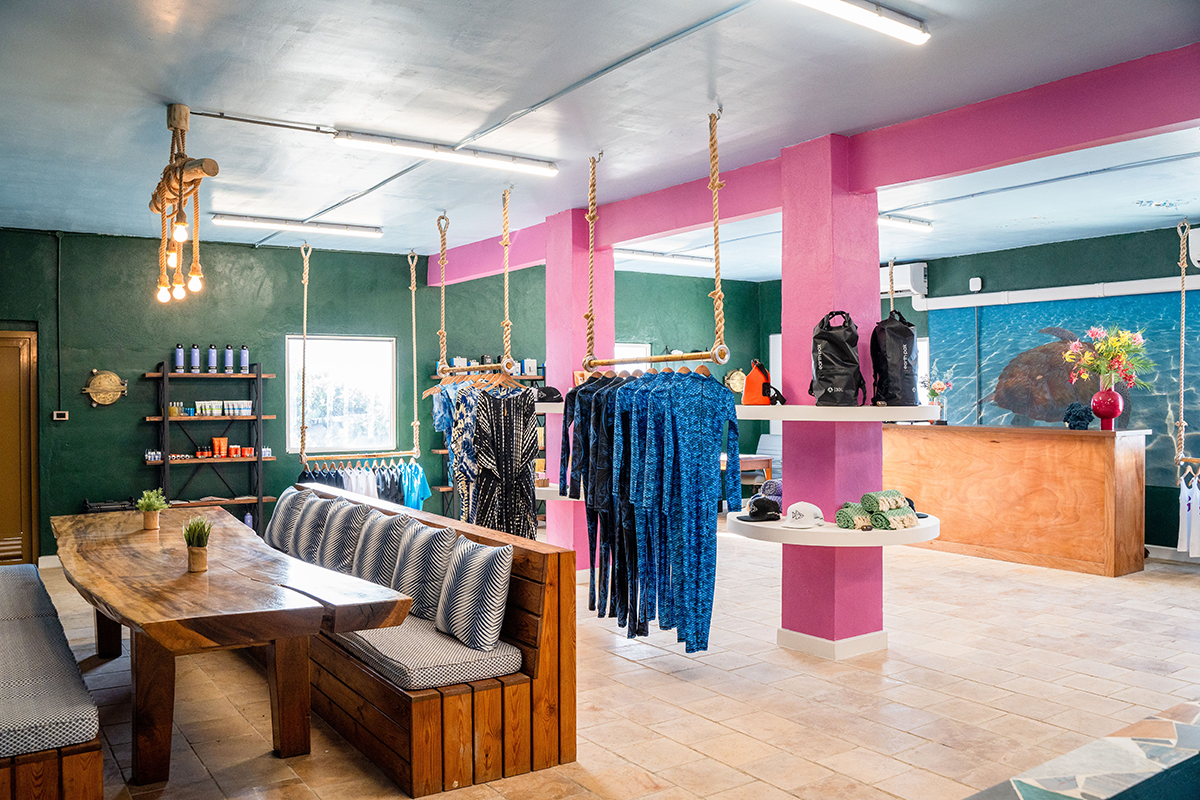
In the last exciting instalment (which you can read here), I told you why Statia is such an amazing place, but what about the diving? I finished last time down the bottom of the hill of the resort, talking about the new beach club and bar that were about to open. So, while we’re down there, let’s talk about the dive centre, Statia Divers, which is located here. It is a large, fully kitted-out PADI centre with enough space both inside and out for big groups. Because it’s at the bottom of the hill, I’m not sure how often you would want to visit. But if you don’t fancy walking down there, there is a little road train which regularly drives around the resort. The dive centre also has a 10-metre purpose-built saltwater lagoon, specially built for training, and right in the middle of the lagoon, they sunk a school bus as their main feature. Sadly, the lagoon was out of action when I was there due to a few upgrades they were making.
You can’t dive directly from the resort; you need to travel back to the harbour you landed at when you first got to Statia, but this is all taken care of. At dive time, you meet at reception and a minibus picks you up and transports you to the other side of the island; don’t worry, it’s only a few minutes away. You do need to clear immigration again, but you don’t need a passport; they have a list of names and count you in and out. So remember, if your name is not down, you’re not getting out!
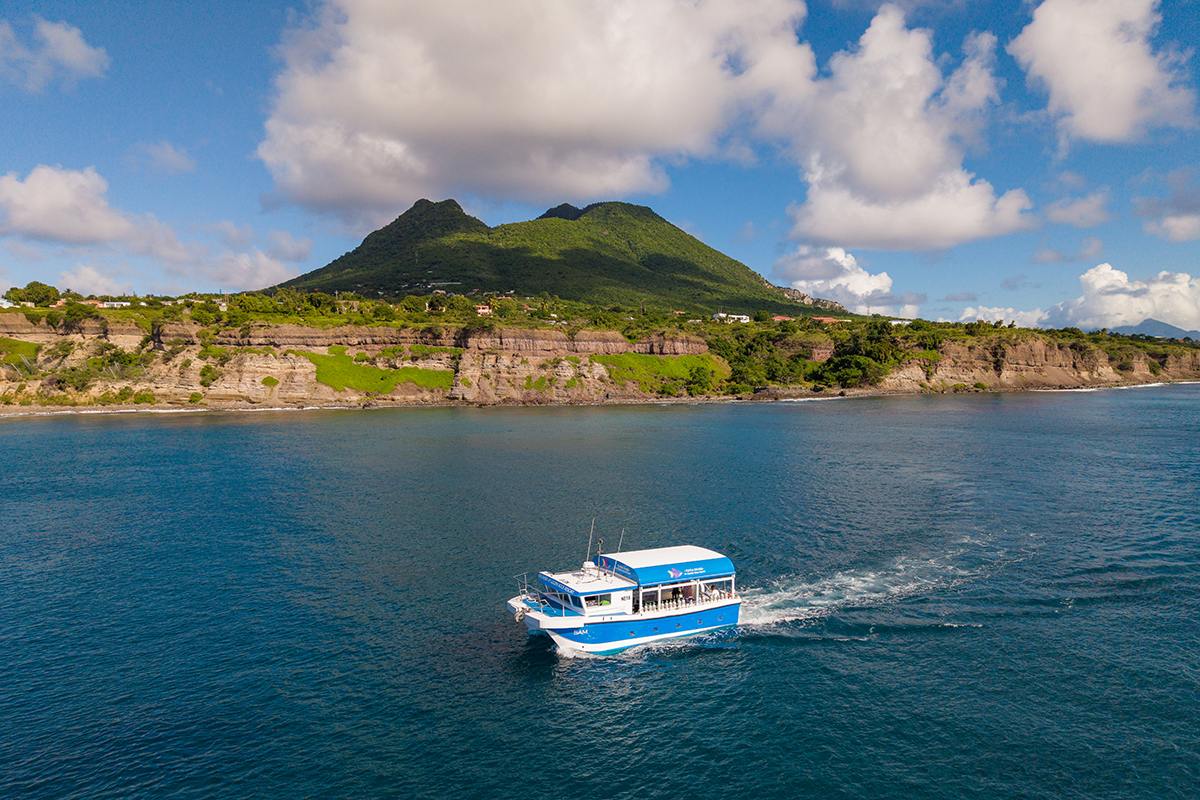
Statia Divers operates a few boats, but we were on their largest, a super stable catamaran called Sam. We were about 10 divers, plus the dive guides, and on the odd time the occasional daily fun diver, and the boat still had room for more, so no problem if you want to organise a group or club trip here. I was on a two-dive day package, but it’s possible to dive up to four times, including a night dive, if you wanted. I quite enjoyed the two morning dives, leaving my afternoon and evening free to relax and have a drink around the pool. This makes it excellent for those who want to travel with family or a non-diving partner. There are also loads of activities such as tennis or pickleball courts to keep them occupied in the morning while you’re off visiting the underwater world.
Today, Statia’s treasures lie not in those crumbling warehouses around the harbour, but beneath the waves. The island is surrounded by the protected St. Eustatius National Marine Park, making it a world-class destination for divers and snorkellers. According to many online polls, Statia’s diving always rates very highly; some say it’s the very best in the Caribbean. I started diving in the mid-90s, which, in my head, is only about 10 years ago, right? But in all that time, my diving has never taken me west; I’ve always travelled east, mostly to the Red Sea or Asia, so sadly, I have nothing to compare the diving here to. Because of this, I was really looking forward to checking out the waters here.
I was diving with a lovely group from the US; this was also their first trip to Golden Rock, although they told me they have dived all over the “Ca-rib-bean”. So, they were also very much looking forward to diving here. Most of the dive sites are on the western Caribbean Sea side of the island. The water here is a lot calmer than the Atlantic, so the diving conditions are generally very relaxed.
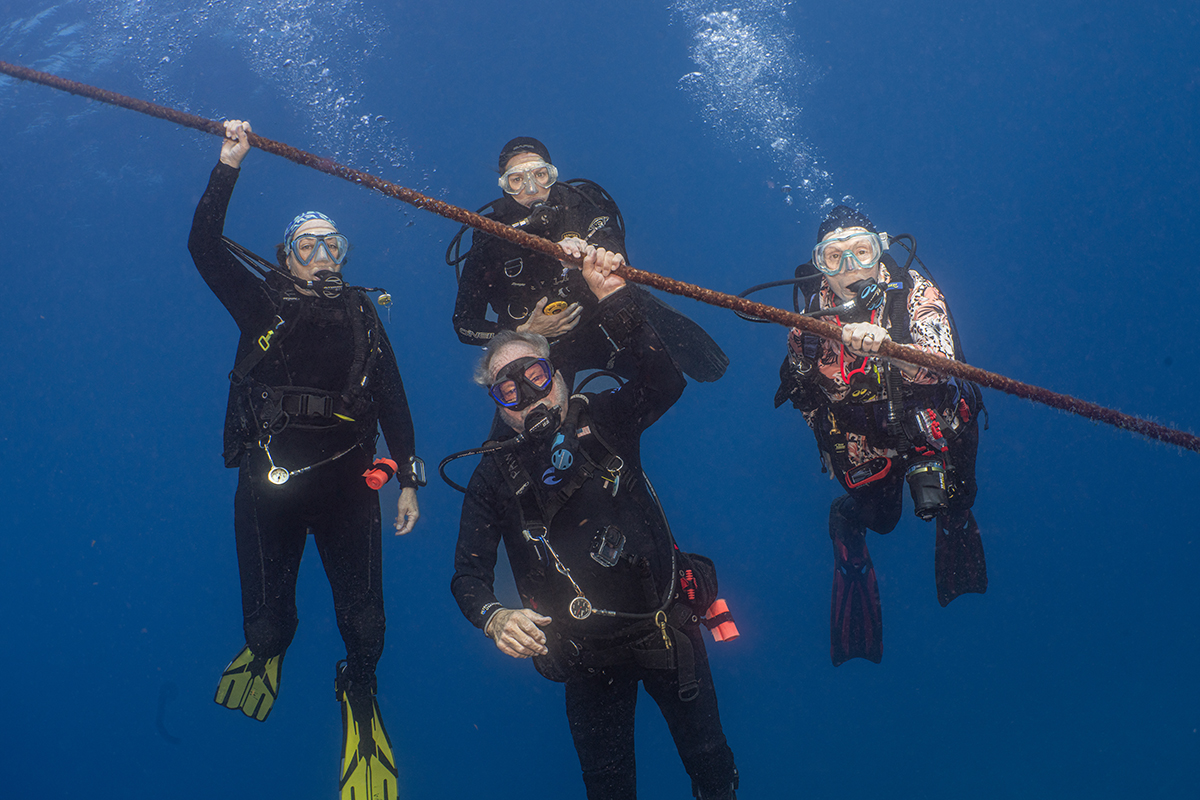
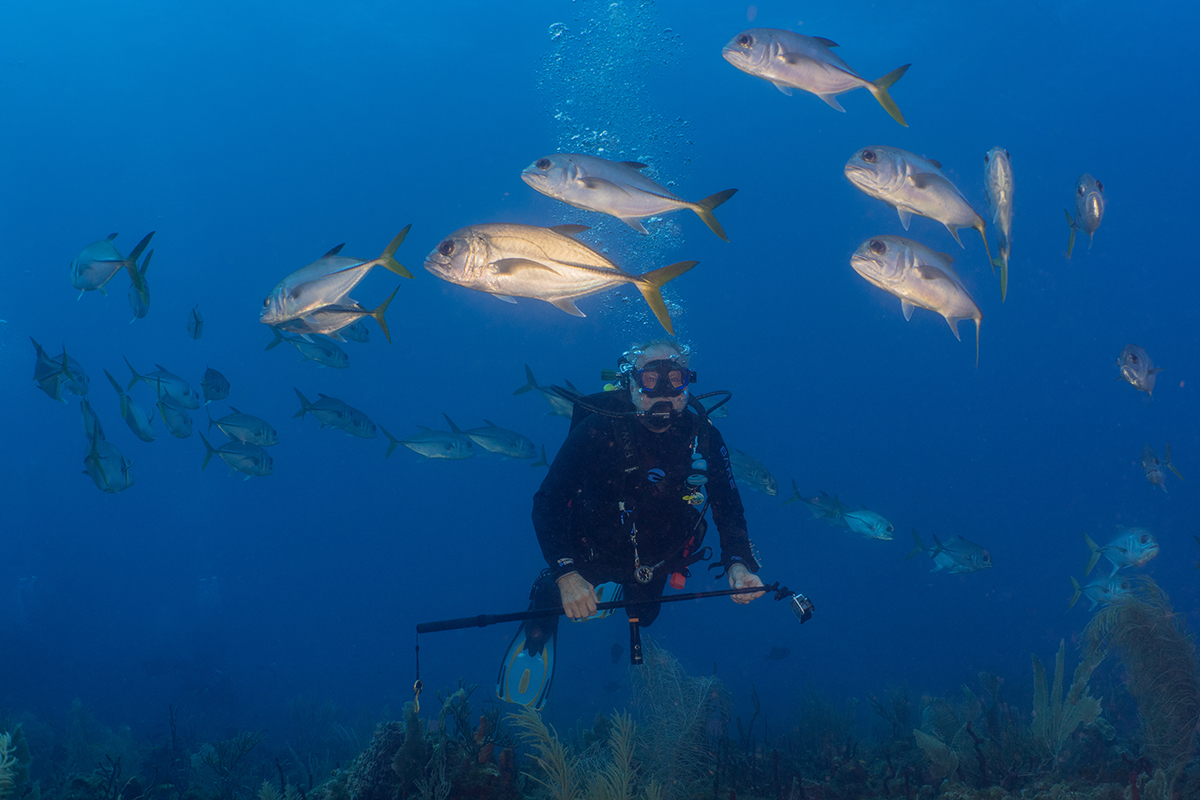
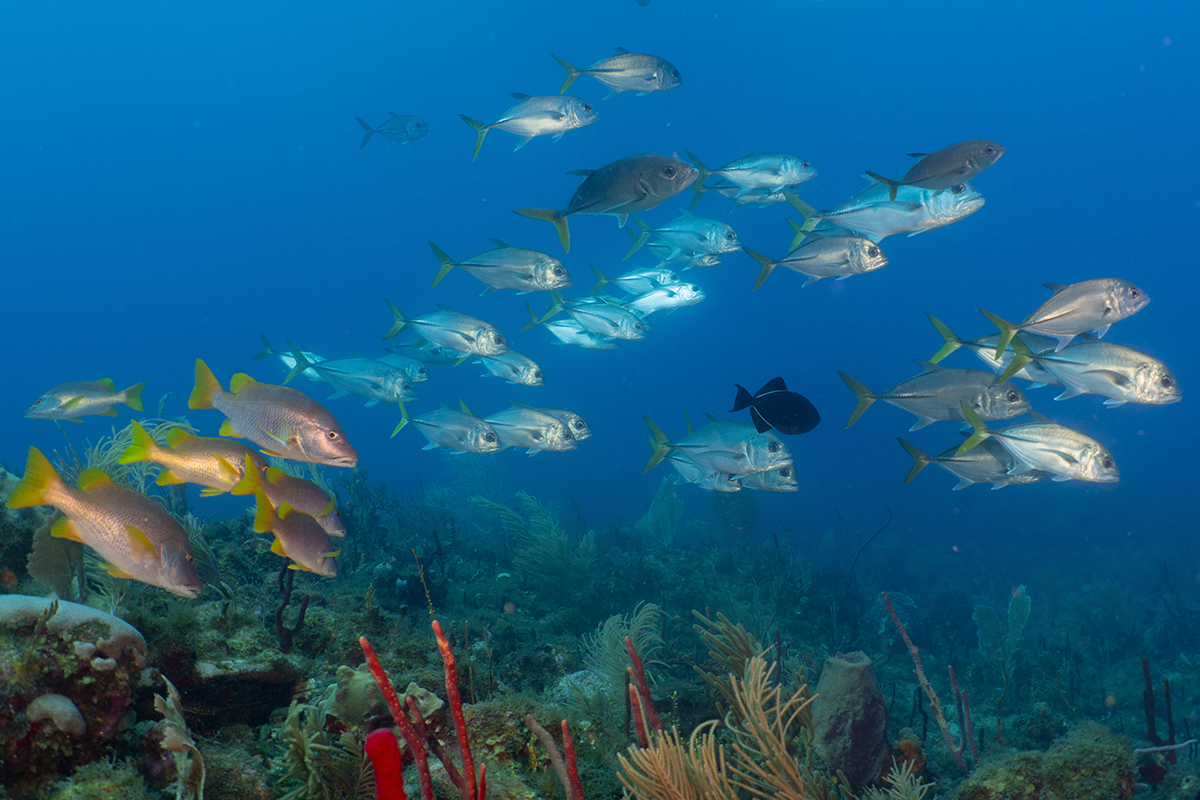
As soon as I entered the water, I could see that this looked very different to the diving that I’m used to. The topography of the reefs are much more low-lying; they reminded me of my local diving off the Dorset coast in England, although much clearer and definitely warmer. The water is generally quite shallow, so you don’t get those dramatic coral walls descending thousands of metres, but it doesn’t mean that you’re missing out on anything.
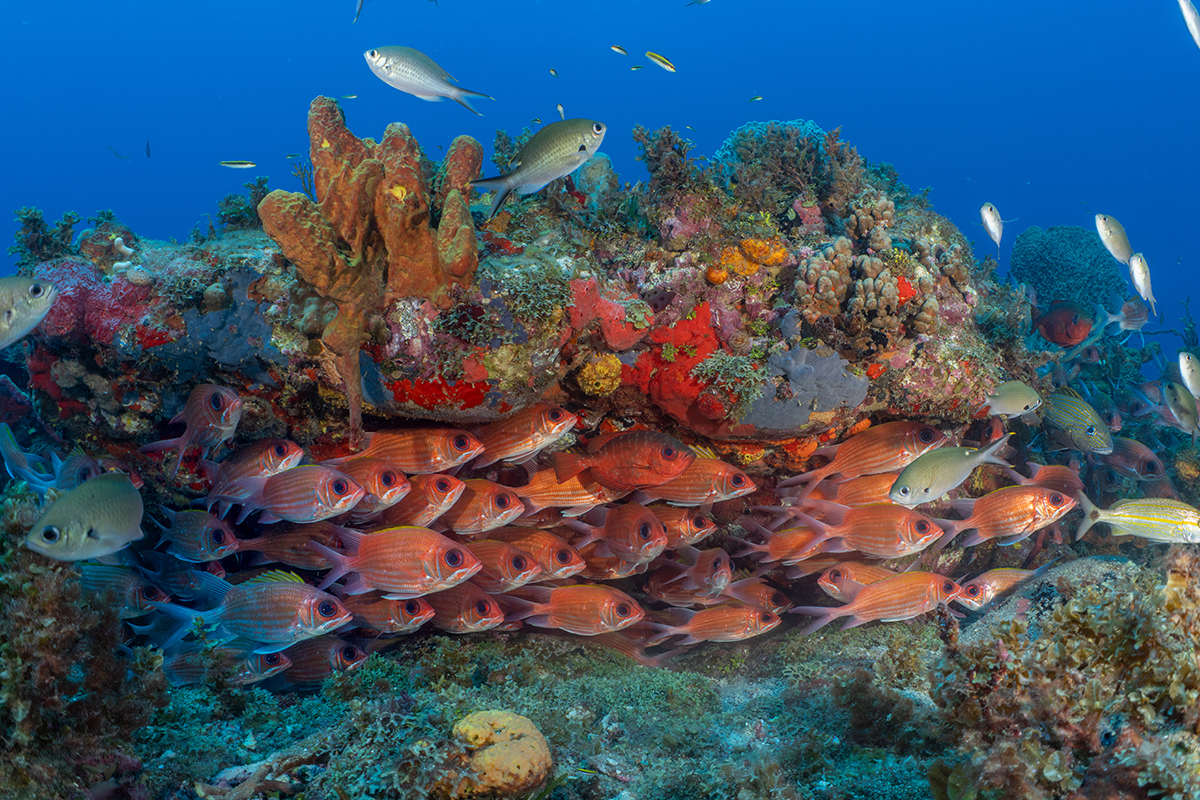
If you thought Statia’s history on land was dramatic, wait until you let the Caribbean Sea swallow you whole. For a travel writer like me, diving here isn’t just a sport; it’s a submerged safari through a kaleidoscope of colour. With over 36 dive sites protected within the Marine Park, the island offers an underwater utopia. Later that week, I was told by someone in the US group that it feels like the Caribbean did 30 years ago: pristine, quiet, and delightfully uncrowded. In a world of over-touristed reefs, Statia remains a masterclass in conservation and “slow diving”.
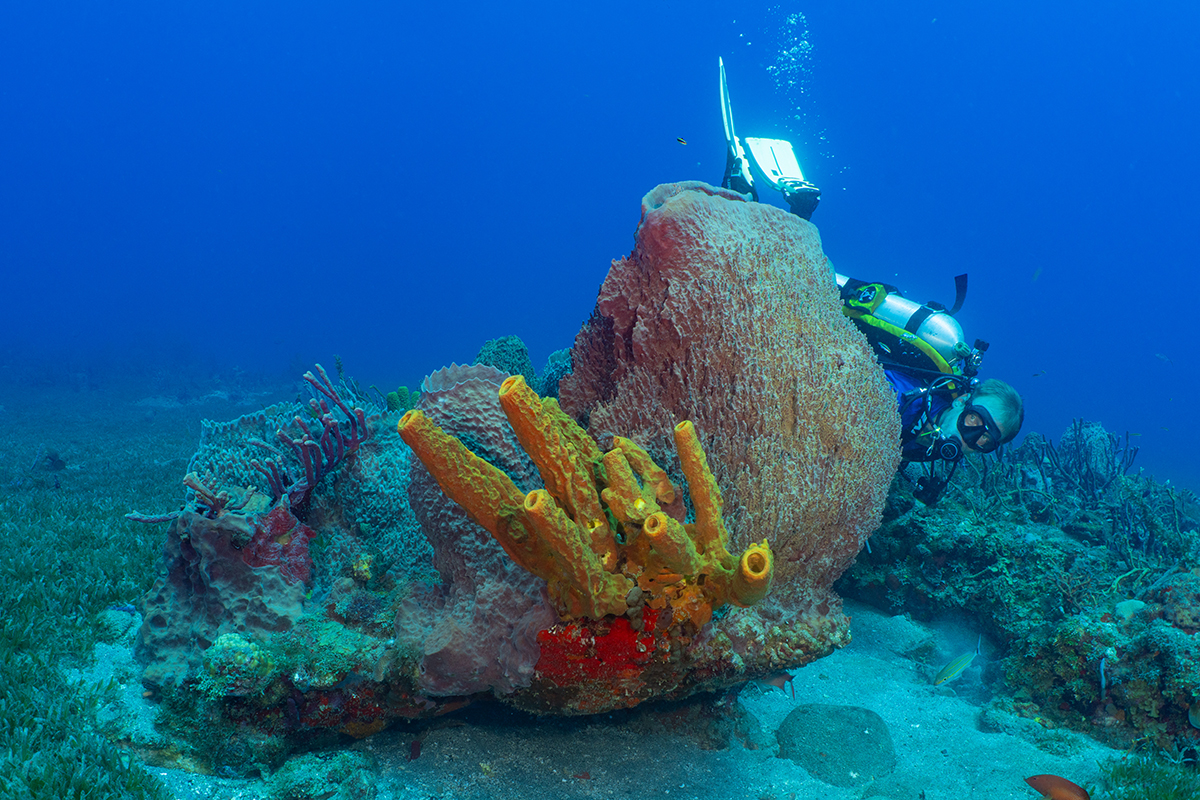
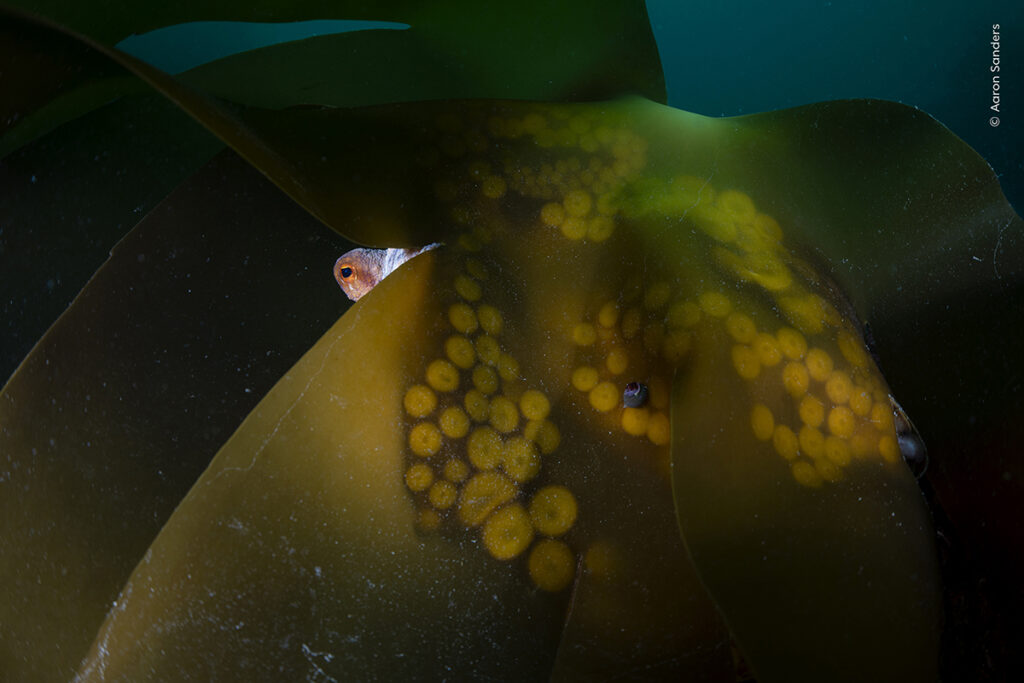
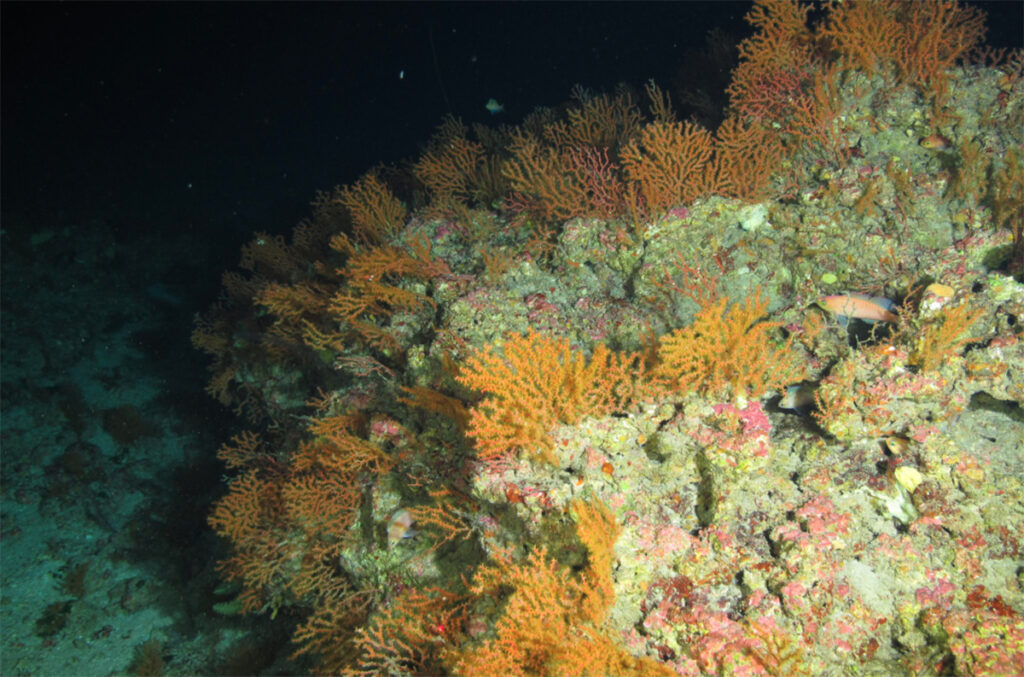
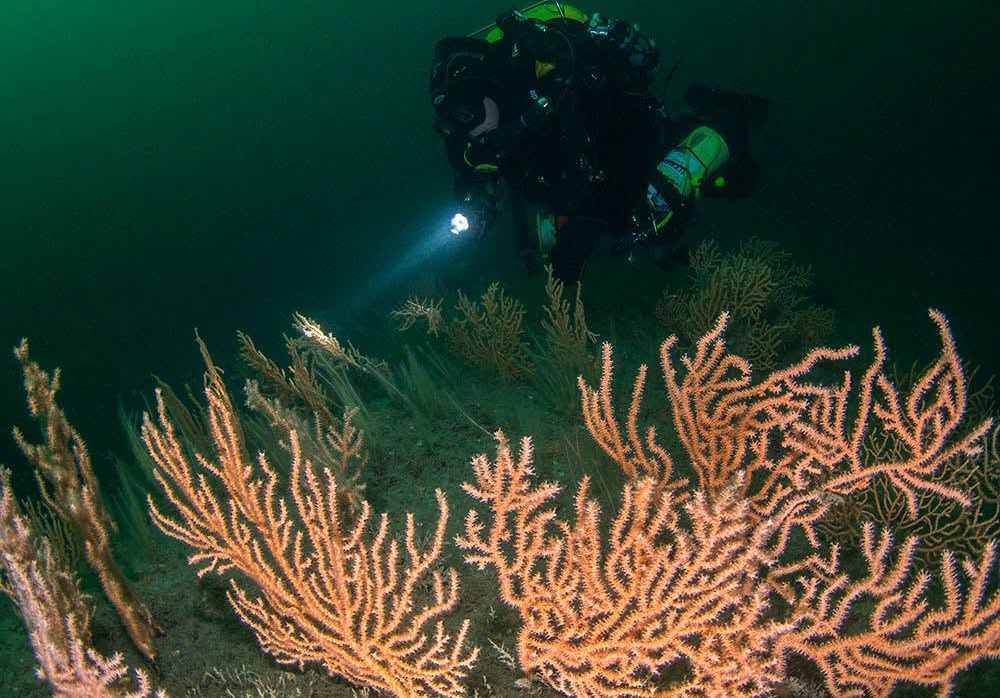
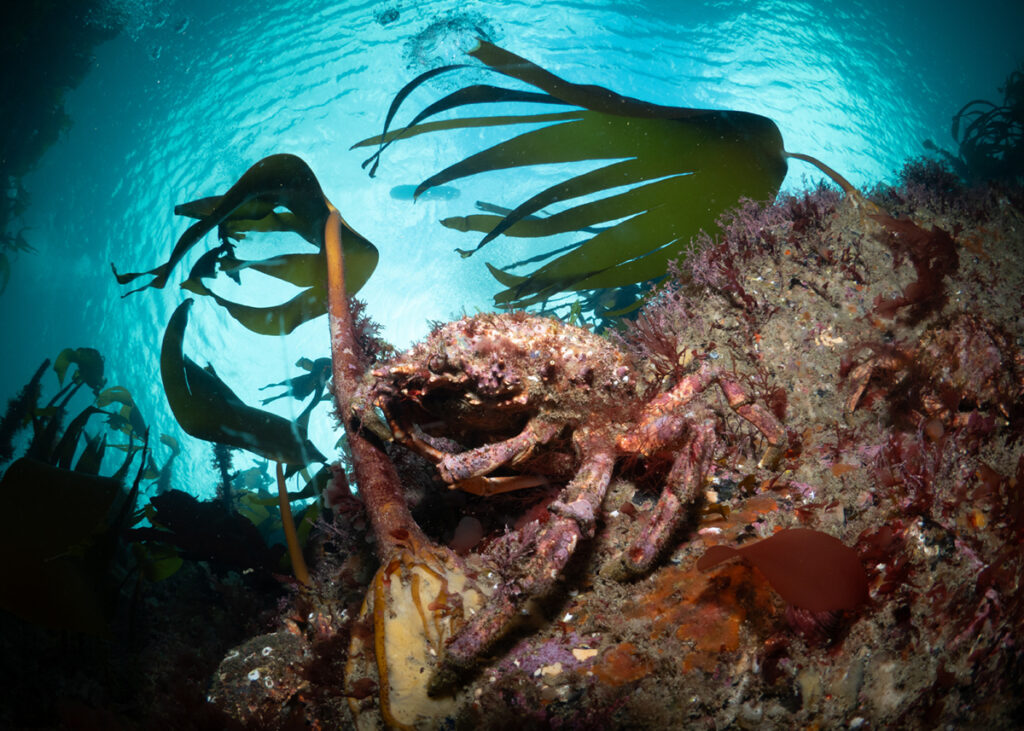
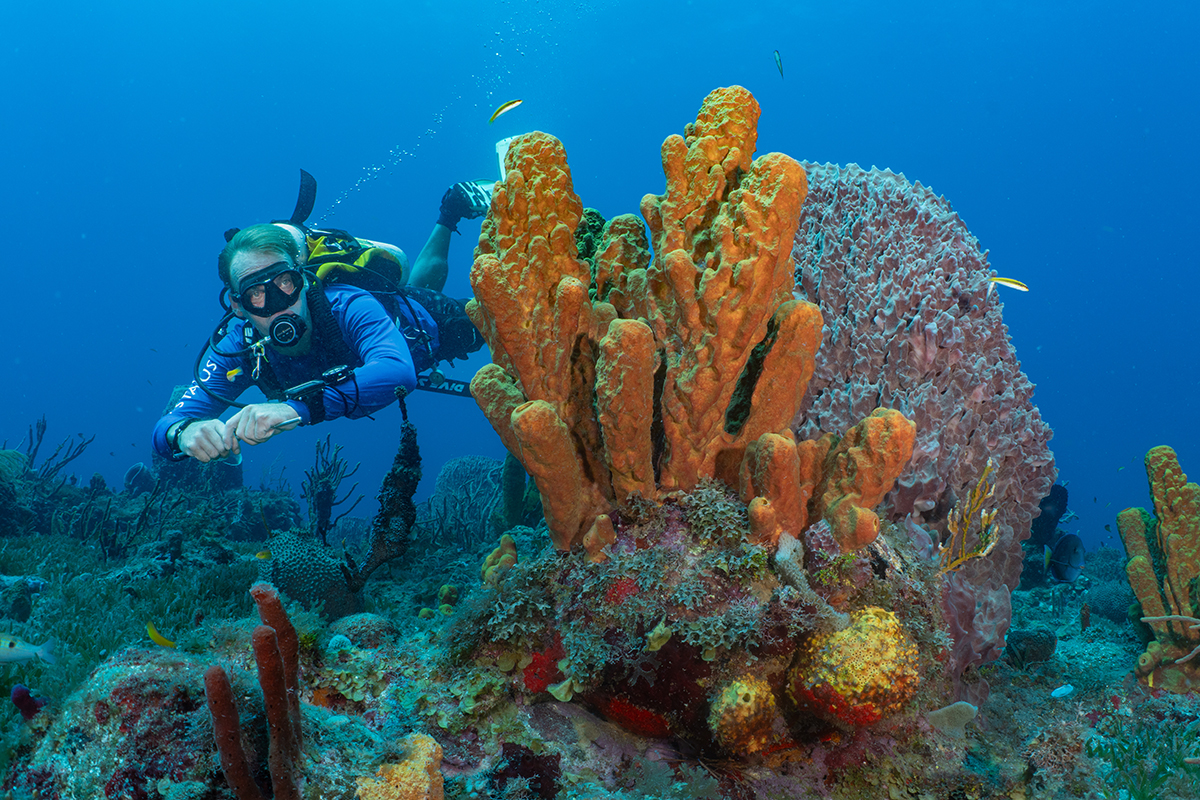
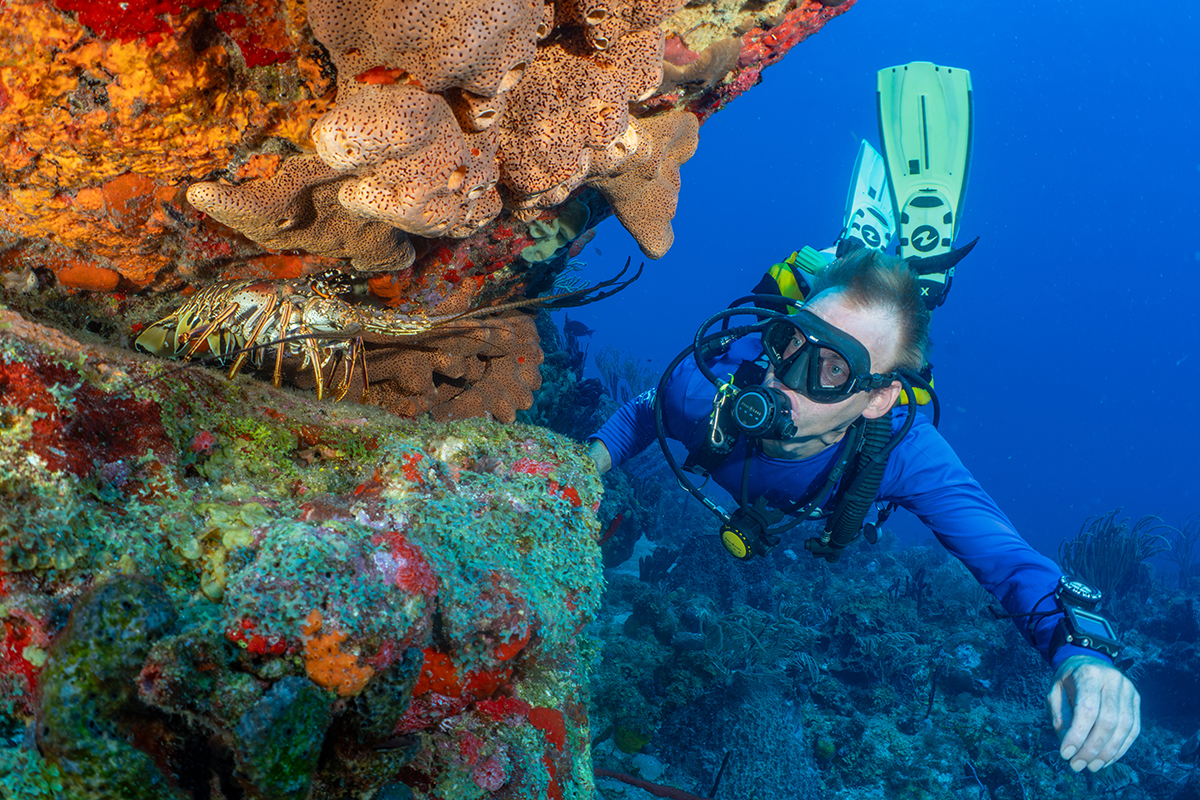
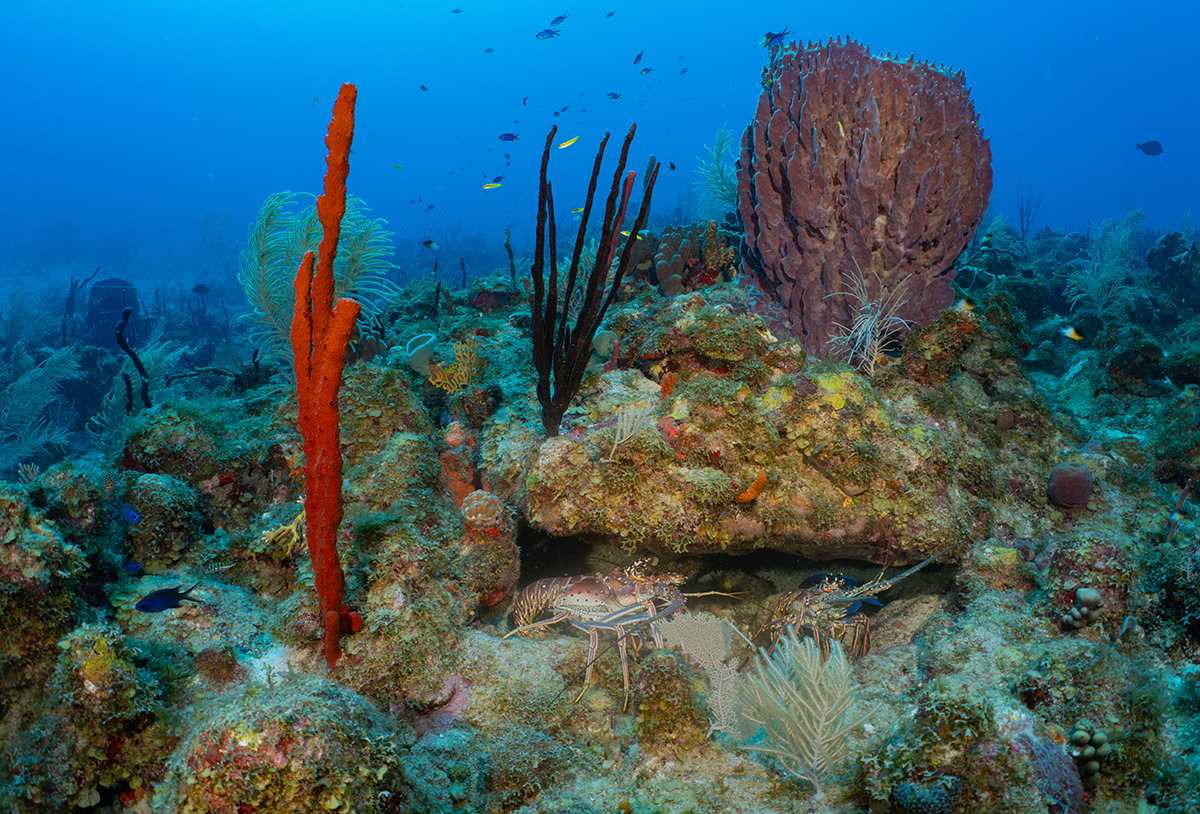
The island’s coral reefs are a direct result of its explosive volcanic origins. Instead of just typical sand flats, you’ll find a fascinating landscape of lava flows shaped like fingers, volcanic boulders, and dramatic rock outcroppings. Like everywhere in the world, coral reefs are under extreme pressure. Here, there isn’t a huge abundance of hard corals like some of the locations that I’m used to diving; instead, sites are dominated by huge barrel and bright red and yellow finger sponges, with delicate sea fans, wire, and soft corals that sway in the gentle currents. Remember those nooks and crannies I talked about; well, they are full of life. Octopus and eels love living here, and on many sites, these are the perfect home for lobsters (I would call them crayfish). In fact, some of the sites had more lobsters than I’ve ever seen in one spot. So, the marine park must be working, as those guys would be snapped up by local fishermen, fetching a high price in fancy restaurants anywhere else in the world.
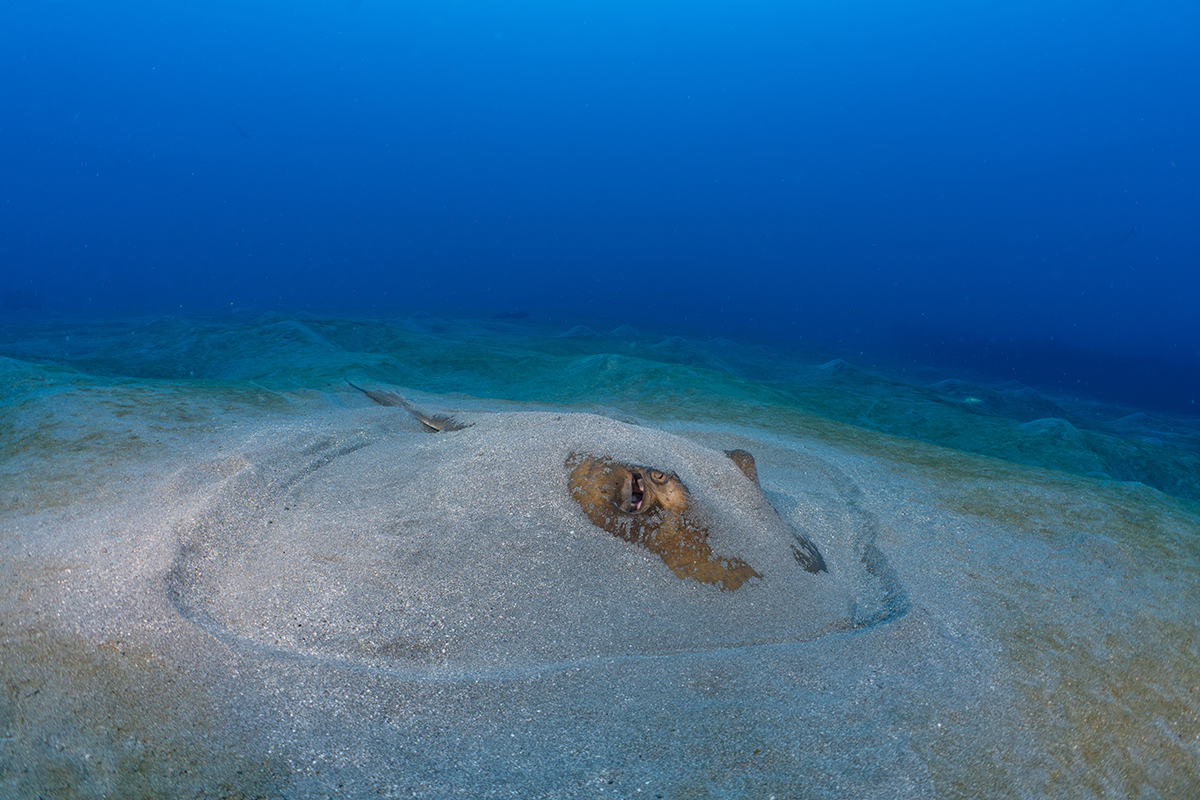
There are lots of areas of seagrass around the reefs, and these are a magnet to the larger reef dwellers, including huge rays that bury themselves under the sand and, of course, the local green turtles, whose presence can almost be guaranteed. I’ve learnt over the years that if a turtle is feeding, they don’t care about you, and as long as you don’t hassle them, they can be super chilled. I love just hovering next to turtles and watching these amazing animals that have hardly changed in millions of years. It took ages for me to see my first one, but I’m incredibly fortunate as I’ve now seen hundreds, and I never tire of spending time with them.
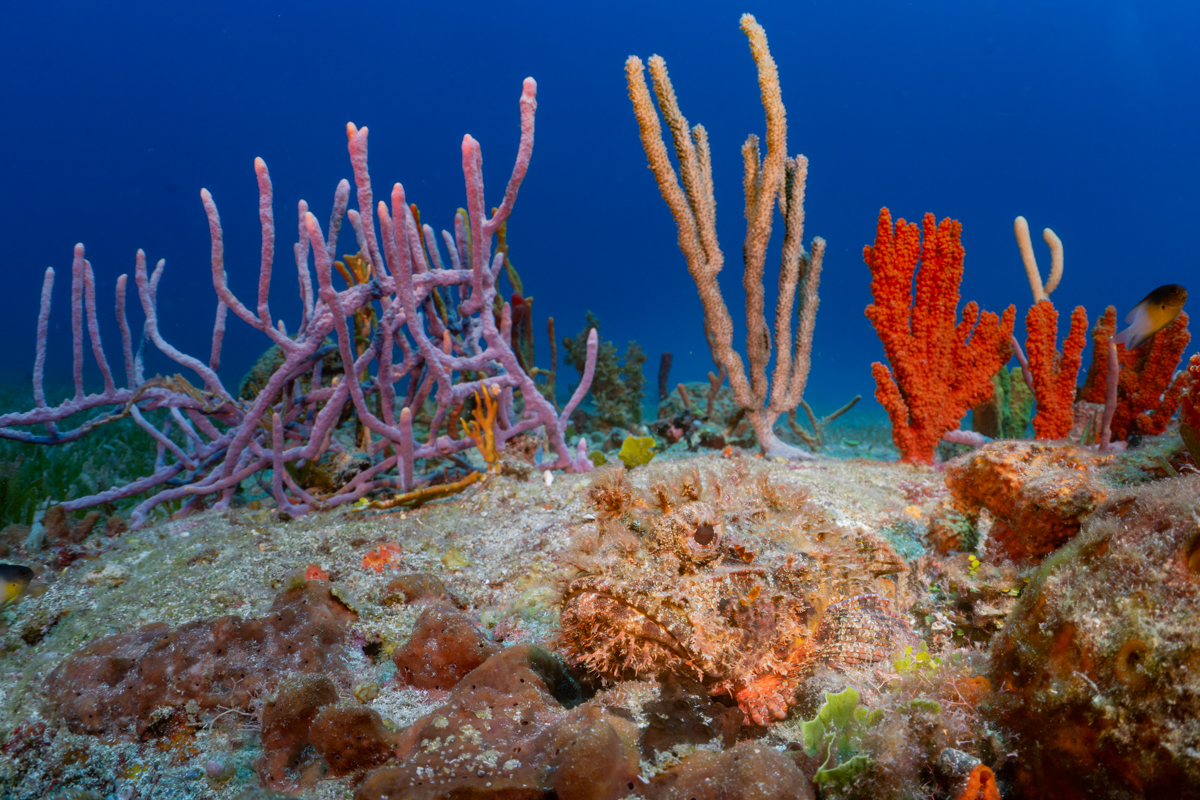
It’s a thriving ecosystem here, where the reef is alive with colour, from the bright royal blue and yellow of the Queen angelfish, who really do act like they own the place, to flashy butterflyfish darting in and out of the rocks and bright red squirrelfish hiding in the shadows, waiting for nighttime so they can come out and feed. Very often, schools of jacks would follow you on your dive, swimming above your head, and yellow snapper never far behind them. The reefs are also a hotspot for squid; in fact, we saw shoals of dozens on many of the reefs, but they are a lot shyer here than other places I’ve seen them, so I couldn’t quite get close enough for good photographs.
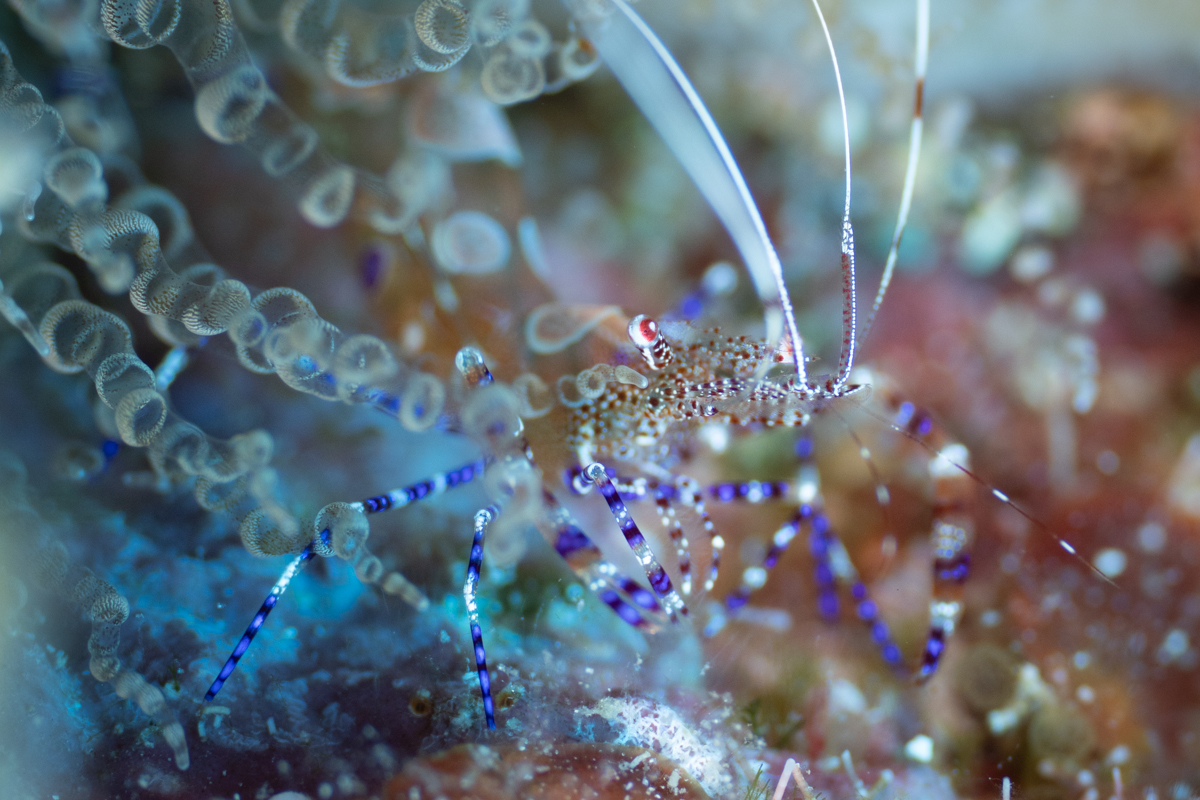
One of my favourite things to look for, though, requires a bit of patience and a keen eye. If you find yourself hovering over one of the sandy patches between the lava ridges, keep a lookout for the Yellowhead Jawfish. These little guys are the comedians of the reef. They live in vertical burrows they’ve painstakingly excavated in the sand using their mouths. You’ll often see them hovering just above their holes like tiny, shimmering sentinels. But don’t get too close, as they will dart back into their burrows for safety at the slightest disturbance. If you’re lucky, you might even spot a male carrying a mouthful of bright pearly eggs; it’s a remarkable bit of underwater parenting that’s always great to spot. I didn’t take my macro lens until the end of the week, and I’m kind of kicking myself because there is some great macro to be had here. From arrow crabs to anemone shrimp, you just need to get your eye in. I’ll definitely be fitting my lens and looking out for those tiny critters much sooner on my next visit.
I hope that’s whetted your appetite for the underwater world in Statia. But it’s not all about the natural world; there is stuff for history buffs and rust seekers as well. So make sure you come back and read the third and final part of my Golden Rock adventure.