The Solar Powered Sea Slug – a Name More Literal Than You Might Think
By Anya Hartwig
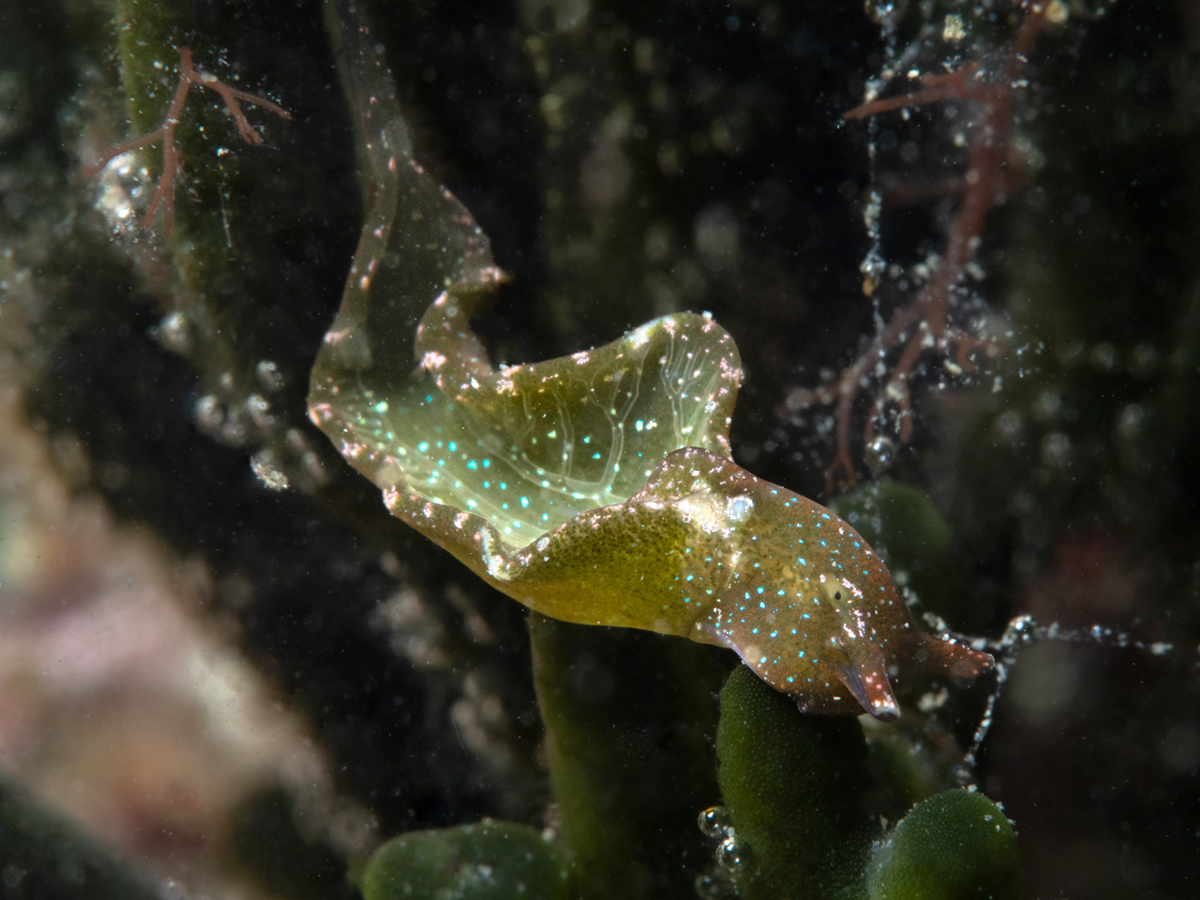
The Solar Powered Sea Slug, or Elysia Viridis, is one of two species in Cornwall with an incredibly unique ability. To understand what this adaptation is and how it works, it’s important to know the distinction between animals and plants. Animals consume other organisms to fuel their bodies with energy. Plants, however, can photosynthesise – meaning they use sunlight to convert water and carbon dioxide into energy, which they use to function. They do this by using chloroplasts, a specialised part of the cell where this process takes place. It was unheard of for an animal to photosynthesise by eating plants and using these chloroplasts, until we discovered kleptoplasts.
Kleptoplasty is the process of an organism stealing chloroplasts from the algae it eats and using them to photosynthesise. The Solar Powered Sea Slug is one of these organisms. Though they are only the size of a grain of rice, they extract chloroplasts from algae and use them to their advantage. Not only are they using the algae as a food source, but they are able to take its chloroplasts and preserve them for months at a time. This means that they can essentially starve for months, surviving off sunlight. This incredible adaptation is something that shouldn’t even be possible.
Chloroplasts are not easily extracted and put into in another organism, as they are not functioning cells on their own, but merely a part of plant cells. Taking an algae’s chloroplast and putting it in a sea slug should not work. To do this, the sea slug has stolen genes from the algae and used them to make themselves compatible with the chloroplasts. This gene has never been found in an animal before and is only seen in smaller organisms like bacteria. Does this mean that in future, we may be able to give animal cells the ability to photosynthesise? It’s impossible to know, but incredible to think what this could be used for in future.
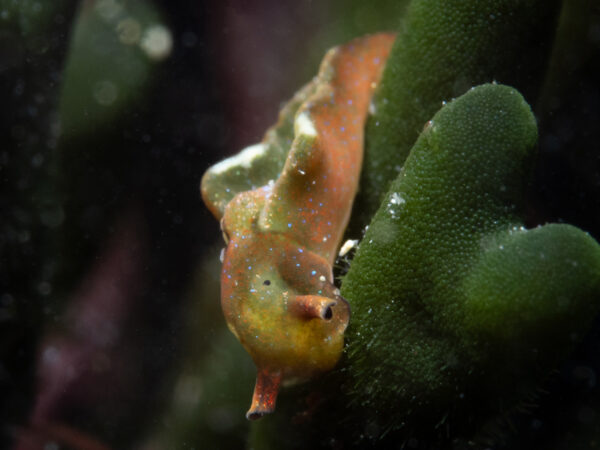
Another interesting characteristic of the sea slug is hidden in its colouring. The sea slug’s colour is affected by the algae it eats, meaning some appear to be red or brown, ranging to deep green.
They also have bright blue spots, thought to be chloroplasts. These reflect the sun, often giving the appearance that the sea slug is covered in twinkling stars. When photographed, I have found that their midsections also reflect light in this way, giving the appearance that the sea slug is glowing from within, using the very sunlight they absorb
The discovery of how these (literally) “Solar Powered” Sea Slugs can function does raise questions, surrounding future implications of this research. From human gene therapy to drug development, and even the field of artificial photosynthesis, the future possibilities are difficult to predict. Whether this could be used to create “green” energy or biproducts, in a renewable way, we don’t know. How they can steal these chloroplasts, without any benefit to the algae they take them from, is incredible on its own. One of many stories in the ocean we struggle to explain but are certainly a sight to behold.
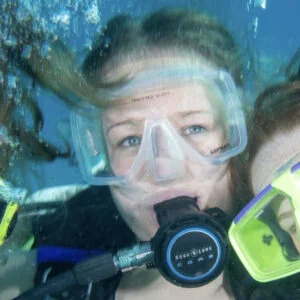
Anya Hartwig – 3rd Year Student – Marine and Natural History Photography – Falmouth University.
Read more about Anya’s work at Falmouth University in her Future Focus: https://scubaverse.com/future-focus-anya-hartwig/