WWI Submarine Wreck Found Leaking TNT into the North Sea
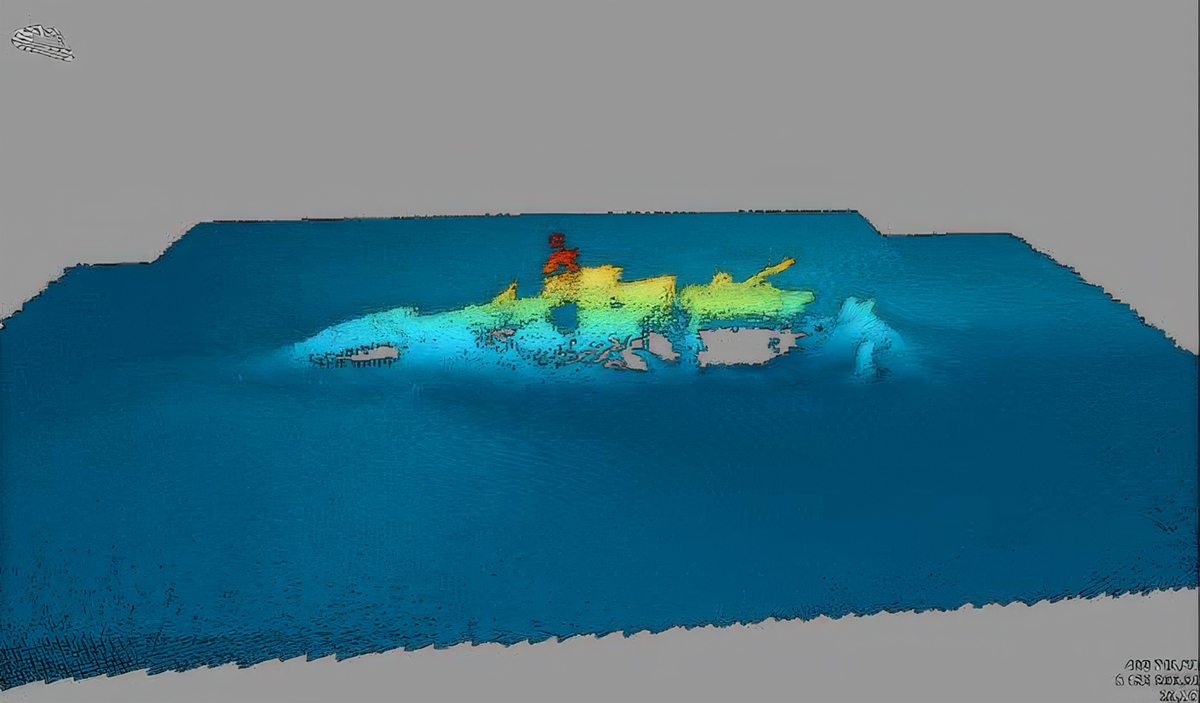
3D model of the wreck of the submarine UC-30, based on seabed scans acquired with a multibeam echosounder. Credit: Kathrine Juul Andresen
A German submarine that sank more than a century ago is still polluting the North Sea, with researchers detecting traces of TNT in the water, seabed and marine life surrounding the wreck.
The WWI submarine UC-30 sank off the Danish island of Rømø on 19 April 1917 after striking a British mine. The vessel was carrying 18 mines and six torpedoes, and all 27 crew members were lost. The wreck remained undiscovered until 2016.
Now, research led by Aarhus University has revealed that explosives still inside the wreck are contaminating the surrounding marine environment.
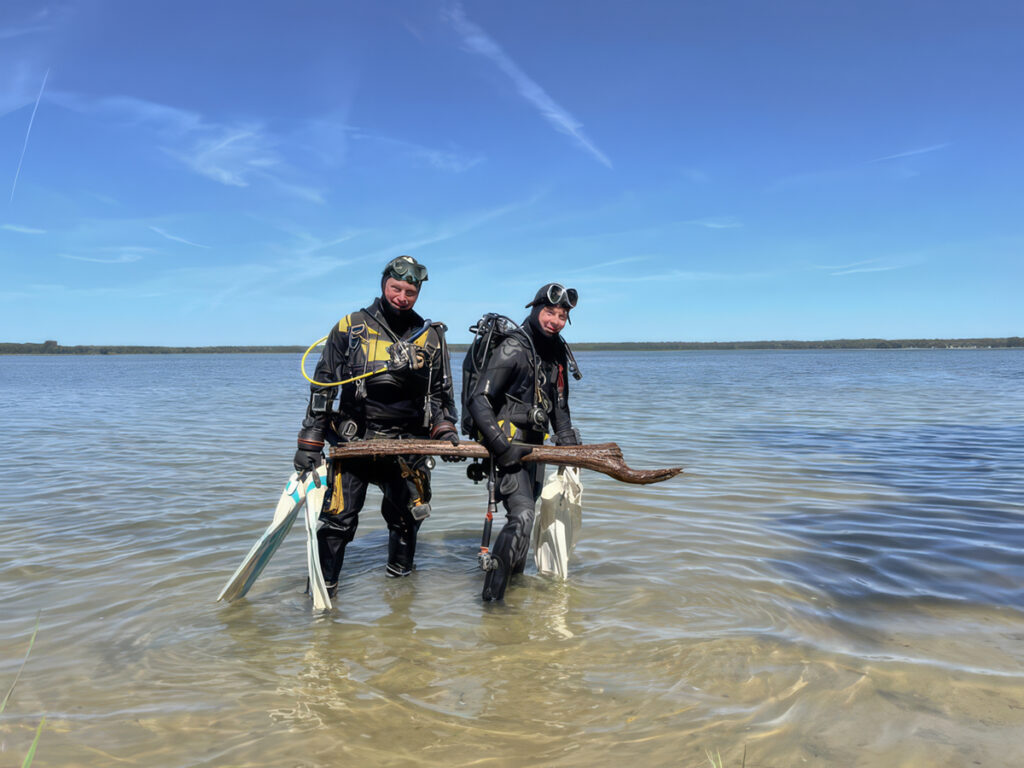
As part of the NorthSeaWrecks research project, Danish Navy divers collected water and sediment samples along with mussels, starfish and other marine life from the wreck and surrounding seabed. The divers also filmed and photographed UC-30, allowing scientists to assess the condition of the wreck and its exposed mines.
Analysis revealed traces of TNT in the wildlife, seabed and water column.
Researchers believe the pollution is currently relatively localised, but warn that the problem could worsen as the century-old wreck continues to corrode, potentially exposing more of the explosive material inside.
And UC-30 is far from alone. More than 10,000 wrecks lie in Danish waters, with around 15% dating from the periods surrounding the two world wars. A Danish environmental assessment estimates that UC-30 itself could still contain more than two tonnes of TNT.
Scientists are now investigating ways of identifying the wrecks posing the greatest environmental threat and how dangerous munitions might eventually be removed or neutralised without causing further damage to the marine environment.