FUTURE FOCUS: ATTICUS HENDERSON
In each instalment of Future Focus, we speak with past and present students of the Marine & Natural History Photography BA(Hons) course at Falmouth University about their experiences, challenges, and successes on the course.
 Atticus Henderson – 2nd Year Student
Gina: What first attracted you to the Marine & Natural History Photography course at Falmouth?
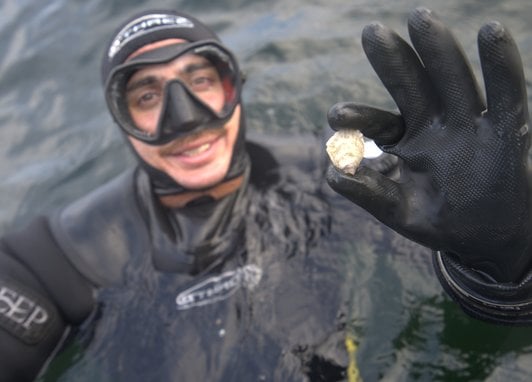
Atticus: My first introduction to the MNHP course at Falmouth very nearly didn’t happen. I had come to an open day at the university to explore a completely different photography course. By perhaps the happiest accident of my life, I found myself talking to a member of staff about my background in scuba diving, and they pointed me in the direction of the MNHP course and its Dive Storeroom. As soon as I walked through the door and saw the extensive range of equipment, I knew I’d made up my mind – I wanted to come to Falmouth to study underwater photography.
Gina: Can you describe a typical week as a student on this course, both in and out of the water?
Atticus: To sum it up in a nutshell, my typical week at Falmouth starts off in the classroom, where we learn the theory and focus on shaping our ideas into achievable projects. Then, in the latter half of the week, we take our ideas off the paper and into practice, spending valuable time out in the environment during our practical sessions, where we have an amazing team of professionals to help us through every hurdle of the realities of working in the industry. And, of course, I can’t forget to mention the many late nights working through the seemingly endless post-production.
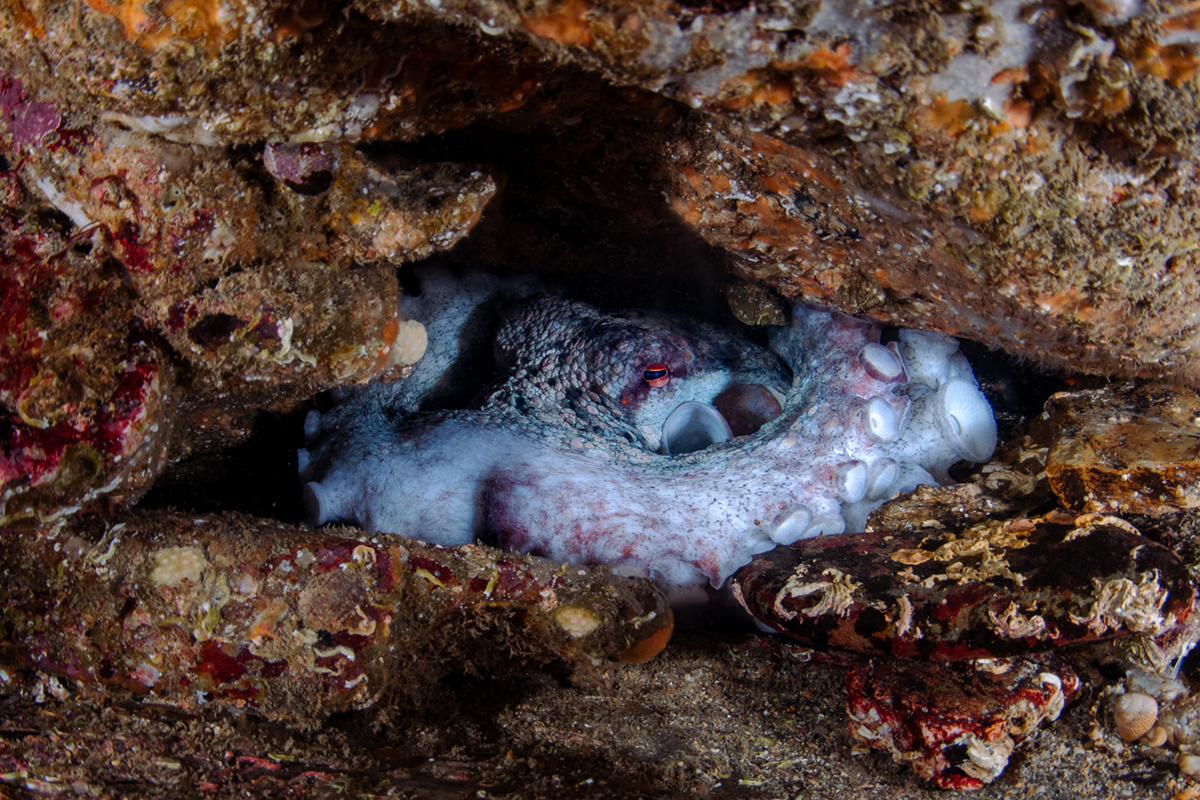
Gina: How did you find transitioning to diving in UK waters, especially if you had only dived abroad before?
Atticus: My introduction to diving was through UK diving. It wasn’t until I was already qualified and diving regularly that I got to experience the world of tropical diving abroad. However, since moving to Falmouth and beginning my studies, I have found that diving in the UK has become so much more accessible to me.
Gina: Has diving in the UK changed the way you think about local marine life and conservation?
Atticus: Diving in the UK has opened my eyes to a much wider view of marine conservation. Growing up, I had always been taught about ocean conservation as fighting against the destruction of amazing coral reefs far away in tropical seas. Through spending much of my time in and around the seas of the UK, I have seen with my own eyes the changes in the environment through firsthand experience. Whether it be warming seas in summer bringing waves of new species to the UK’s shores or falling ill from polluted waters during sewage spills, being lucky enough to experience our local waters has drastically changed my understanding of UK marine life and the efforts necessary to protect it.
Gina: Have you had a favourite species encounter while diving in the UK?
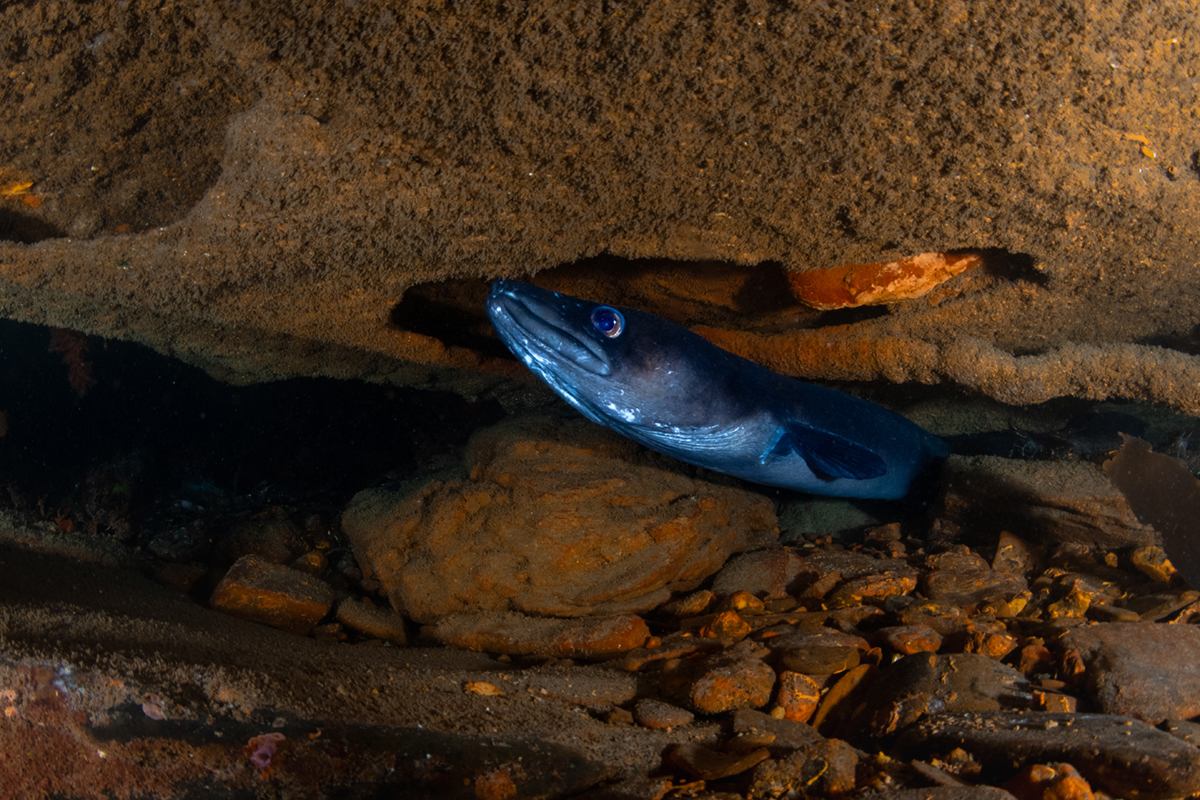
Atticus: Yes, I’ve had many a great interaction with plenty of weird and wonderful species while diving in the UK. But by far my favourite encounter was just recently this year, when diving the U-boat wreck right off the shore here in Falmouth. While looking around the wreck, my buddy and I came across a very curious conger eel. While not uncommon in UK waters, it was the curiosity of the eel that made my dive. The conger seemed fascinated by us and our cameras and didn’t shy away from coming out to take a good look at us. Never had I been so lucky to come across an animal so interested in me as I was in it, although I was quite happy to have a camera between it and my fingers..
Gina: Which project or assignment has been the most rewarding for you so far?
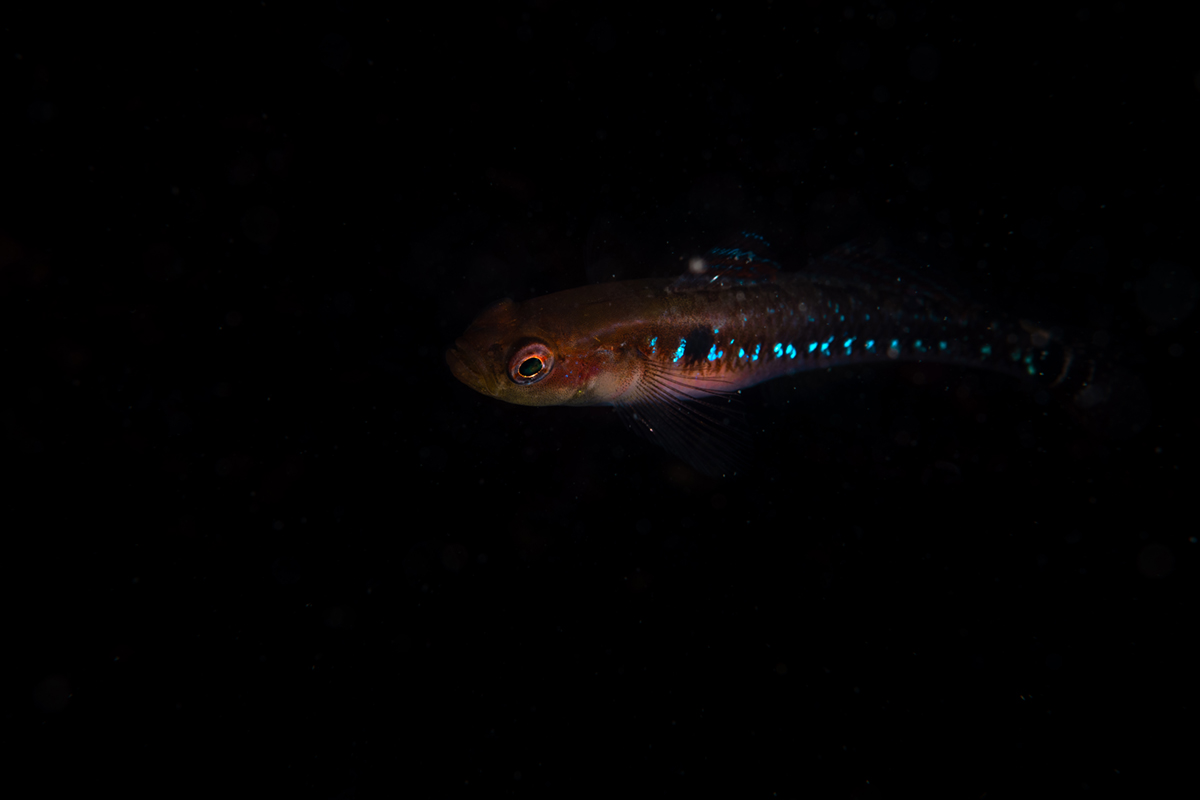
Atticus: The project I am currently working on has felt the most rewarding. Through my current work photographing with high-speed sync strobe lighting, I have been able to really make excellent use of the equipment and technical knowledge available through the dive store and the incredible team here to support us.
Gina: How have the teaching team and dive team supported your development?
Atticus: Having the team there to support us gives us an unmatched ability to progress professionally. Whether it’s a camera issue, technical problem-solving or a diving-related concern, there is always the right person to help find a solution. This has given me the chance to push my creative abilities in only a year or so to a level that would have taken an enormous amount of time and resources to achieve alone.
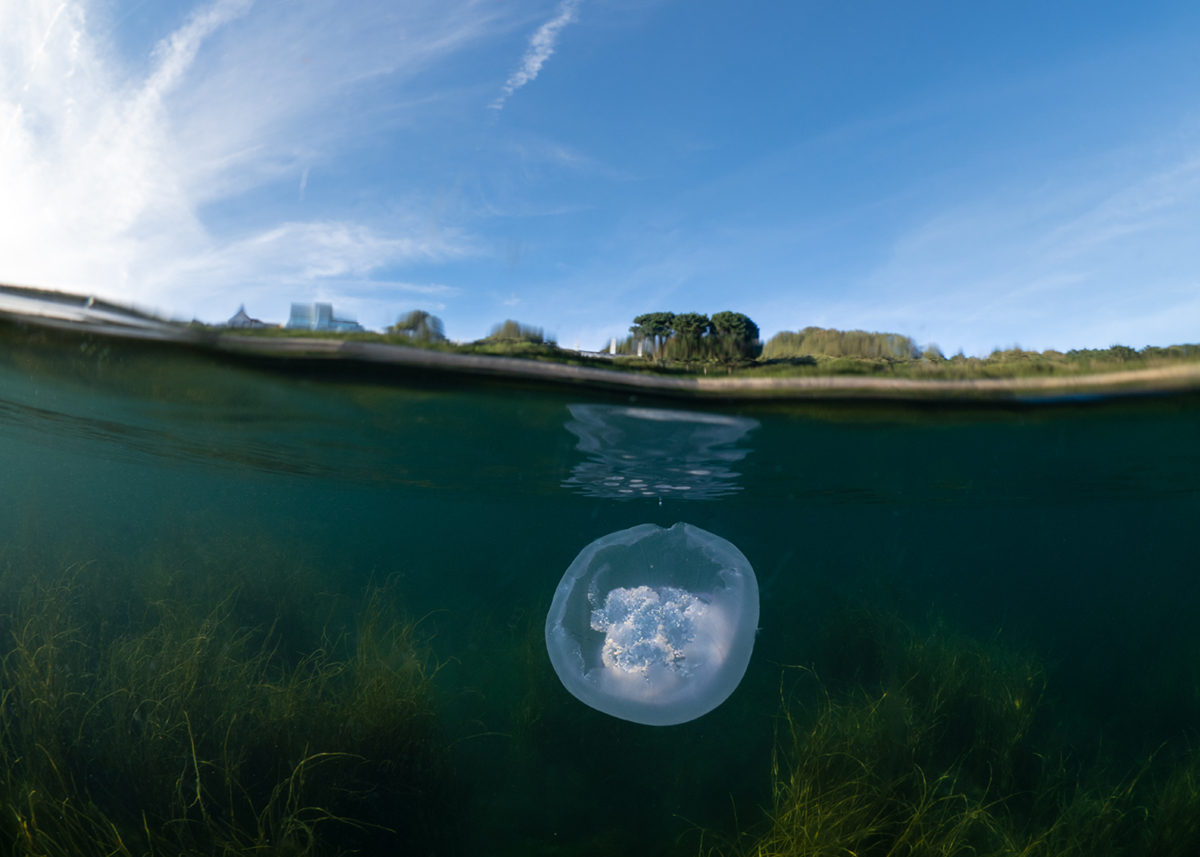
Gina: Do you feel the course has prepared you for working professionally as an underwater photographer?
Atticus: The course pushes us towards thinking about our work at a professional standard from day one. Learning is centred around constantly evaluating and reflecting on our work, building on previous mistakes with my peers and with the support of the academic and technical teams, who bring real-life experience from within the industry.
Gina: What role has feedback and peer support played in shaping your work?
Atticus: One of the best aspects of the course for my professional development has been being surrounded by like-minded individuals. We have reached an enjoyable level of competitiveness where we can inspire each other’s work, striving to achieve the best photos, all the while helping each other problem-solve our ideas theoretically, technically and practically.
Gina: What’s been your proudest achievement on the course so far?
Attiucs: My proudest achievement of the course so far was my work being chosen by the university in their showcase for world oceans day.
Gina: How has the course changed the way you approach diving and photography?
Atticus: My approach to photography and diving has changed considerably over the duration of the course. My experience has taught me just how important it is to be completely comfortable with your equipment (both diving and camera) underwater in order to produce work at a professional level.
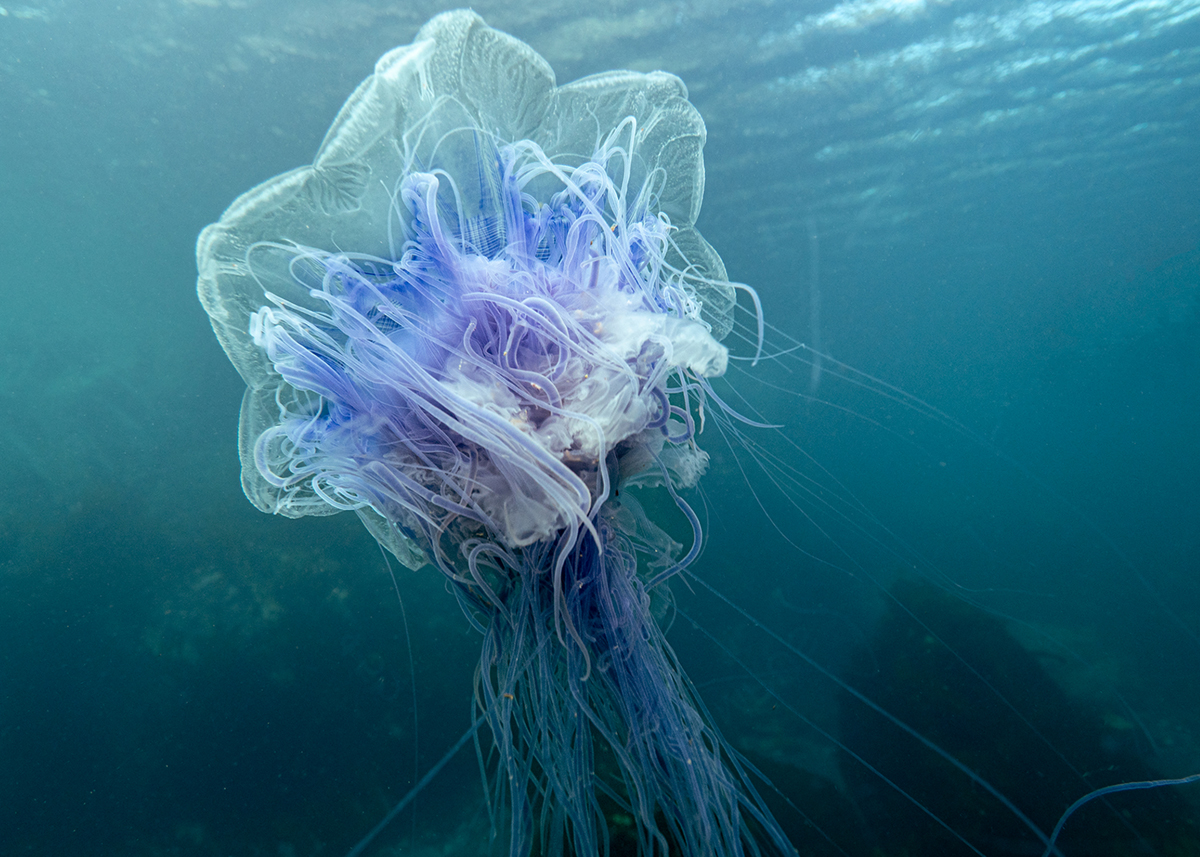
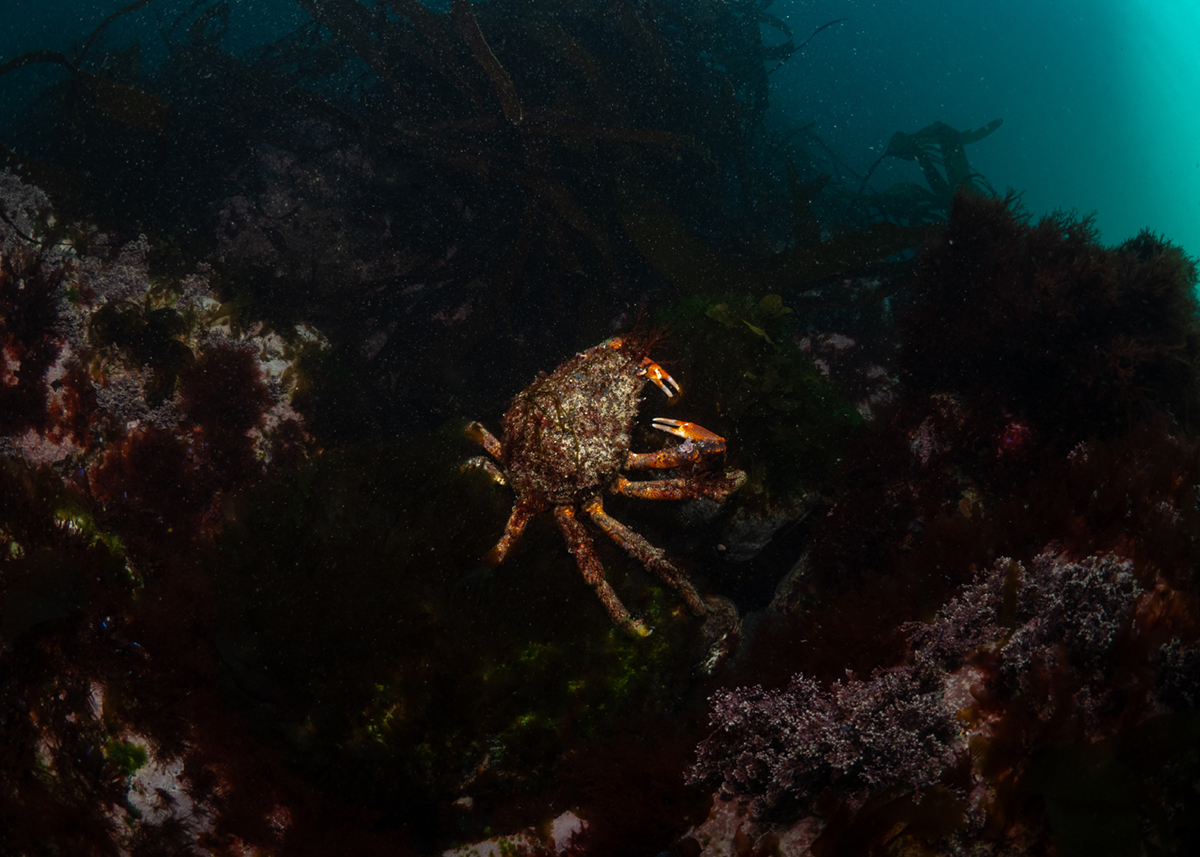
Gina: What skills outside of photography (like dive planning, teamwork, or fieldwork) have you gained?
Atticus: My time working in underwater photography has improved my diving abilities in all manner of ways. Building an extreme level of confidence in the water has been key. Whereas before, when diving recreationally, I would never have needed to get anywhere near as close to the environment, so skills such as buoyancy and positioning in the water were just something to build on over time. However, now these skills require precise control when working with large camera systems, often extremely close to marine life and delicate ecosystems.
Gina: Have you developed any particular style or technical focus since joining?
Atticus: I’d like to say that I love all disciplines of underwater photography equally, but truthfully, I know my love for underwater photography lies in wide-angle photography, which I have always found myself coming back to after experimenting with other techniques.
Gina: How do you see this degree helping you in your future career?
Atticus: This degree has given me the chance to open doors both creatively and professionally that would have been unthinkable to open alone. My time here has already provided me with so much growth, and I am excited to see what the remaining time and future beyond hold.
Gina: What advice would you give to new students thinking about joining the course?
Attiucus: I would tell anyone who’s thinking of joining the course that the best thing they could possibly do is to get out in the sea now, as early as possible. It doesn’t necessarily need to be diving with fancy cameras (there’s plenty of time for that once you’re here), but simply spending time understanding the environment that is our British waters is one of the most underrated skills you could build.
Gina: What would you say to divers who might underestimate UK waters as a photographic subject?
Atticus: To anyone who underestimates the waters we have around the UK, I would encourage you to come and explore all the wonders our island has to offer. There is nowhere else in the world I have known to have such dramatic but beautiful changes in the environment throughout the seasons as our local Cornish seas here in Falmouth.
For information on the Marine & Natural History Photography course at Falmouth University.