Specialty of the Month: Peak Performance Buoyancy
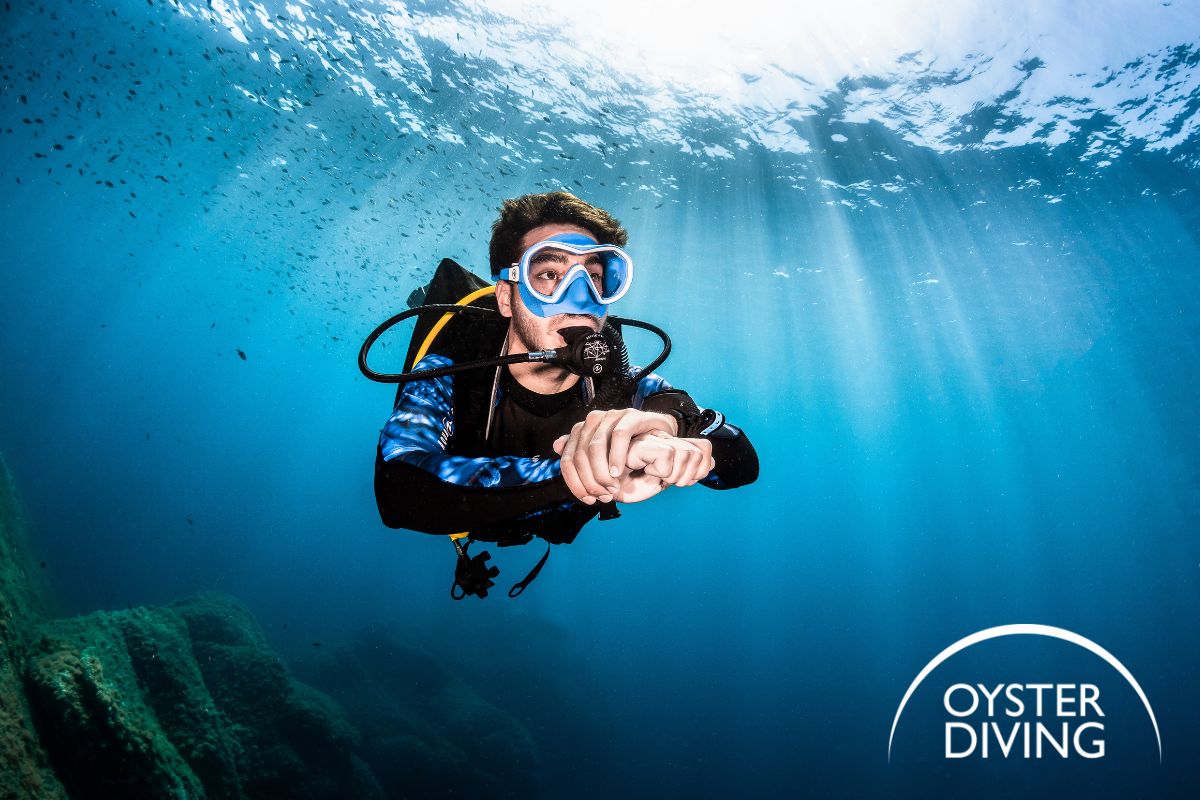
Fine-Tune Your Control, Transform Your Diving
Perfect buoyancy is one of those skills that quietly elevates every dive. It helps you move smoothly, stay relaxed, conserve air and protect the environment around you. From hovering motionless during a safety stop to gliding over delicate reefs without stirring up silt, great buoyancy gives you freedom and control underwater.
This course helps you refine your weighting, adjust your trim and master those small adjustments that make diving feel effortless. Whether you’re newly certified or have hundreds of dives, improving buoyancy makes every dive more enjoyable.
What the Course Teaches You
Weighting and Trim Refinement
You’ll learn how to dial in the perfect amount of weight and place it correctly on your kit. This includes techniques to help you:
- Balance your body position
- Improve stability in the water
- Reduce drag and unnecessary effort
- Maintain horizontal trim for smoother movement
A good foundation becomes the secret to better buoyancy control.
Hovering Techniques
Being able to hover comfortably is a core buoyancy skill. You’ll practise:
- Motionless hovering using breath control
- Hovering in different positions
- Maintaining neutral buoyancy at different depths
- Staying stable while task-loading
Mastering this skill helps you feel calm and in control throughout the dive.
Controlled Ascents and Descents
Smooth, predictable movement through the water column helps you stay safe and avoid damaging the environment. You’ll learn how to:
- Descend efficiently without hitting the bottom
- Rise gently using lungs and BCD together
- Maintain neutral buoyancy during safety stops
- Adjust to depth changes intuitively
These skills help reduce stress and conserve air.
Finning Styles for Better Efficiency
You’ll practise a variety of kicks designed to help you move gracefully and with less effort, including:
- Frog kick
- Modified flutter
- Back kick
- Helicopter turns
Using the right fin technique helps you avoid silting and makes your movement more precise.
Environmental Awareness
Good buoyancy keeps you from accidentally disturbing fragile habitats. The course helps you:
- Navigate delicate areas safely
- Control distance above the bottom
- Reduce contact with reefs, sand or wrecks
- Improve awareness of your surroundings
Better buoyancy is one of the easiest ways to dive more responsibly.
Why This Specialty Is Important
- It Makes Every Dive More Enjoyable
You’ll feel lighter, more relaxed and more in tune with the water, which makes diving far more fun. - It Improves Your Air Consumption
When you move efficiently and stay relaxed, you naturally extend your dive time. - It Enhances Safety and Control
Good buoyancy keeps you away from hazards, helps you maintain depth and makes ascents and descents smoother. - It Protects the Marine Environment
Being able to hover and glide without touching anything keeps reefs and wrecks healthier for everyone. - It Supports Advanced Training
Solid buoyancy skills are essential for specialties like photography, wrecks, drysuit, and technical diving, as well as professional-level courses.
What the Course Involves
The training is practical, engaging and centred on real diving. You’ll typically complete:
- A buoyancy workshop to review weighting and trim
- Open-water sessions to practise hover drills, finning styles and controlled depth changes
- Skills focusing on breath control, stability and positioning
- Coaching to help you refine your technique with each dive
By the end, you’ll move effortlessly through the water and feel more confident in every aspect of your diving.
Why You Should Consider Taking It
This course is ideal for divers of all levels. If you want to use less air, move with more grace, take better photos or simply feel more comfortable underwater, Peak Performance Buoyancy is one of the best investments you can make.
Improving buoyancy pays off instantly and continues to benefit every dive you do in the future.
Equipment That Complements the Course
You don’t need anything beyond your normal dive kit, but many divers find these helpful:
- A well-fitting BCD or wing
- Fins suited to efficient, controlled kicking
- A compact SMB for practising positioning
- Trim weights or pockets
- Dive computers with depth-tracking features
- Wet notes for skills and drills
Having familiar kit helps you make quick, lasting improvements.
SCUBAVERSE EXCLUSIVE OFFER
Oyster Diving, the UK’s premier PADI scuba diving and travel centre, are offering Scubaverse readers 10% off the PADI Peak Performance Buoyancy course when booking online in May.
To claim your discount, simply book with Oyster Diving and enter the code ‘specsaver’ at checkout.