Six Tips on How to Help Save the Whales: Whales Need Your Help!

A guest blog from PADI to mark World Whale Day
Thanks to the brutal practice of whaling over the last century, whales are still recovering from plummeting populations: nearly three million whales were killed. Today, whales (and their dolphin cousins) face constant threats from entanglements in fishing gear, ship strikes, noise, pollution, and habitat loss. Further, plastic particles outnumber plankton in many of their key feeding grounds.
Researchers from Harvard University have determined that whales’ feeding habits actually “fertilize” phytoplankton, which in turn provides half the world’s oxygen, scientific evidence that firmly links healthy whale populations to the fight against climate change.
Whether you love whales, or not – it’s critical to protect them. Healthy whale populations play a vital role in our world’s largest and most important ecosystem – an ecosystem that provides more oxygen than all the rainforests combined is our best defence against rising CO2 levels, and provides more than ⅕ of the world’s population with food.
By protecting whales and their habitats, we are protecting… ourselves. So here’s a few easy tips from PADI on how you can take action
1. Go Plastic Free
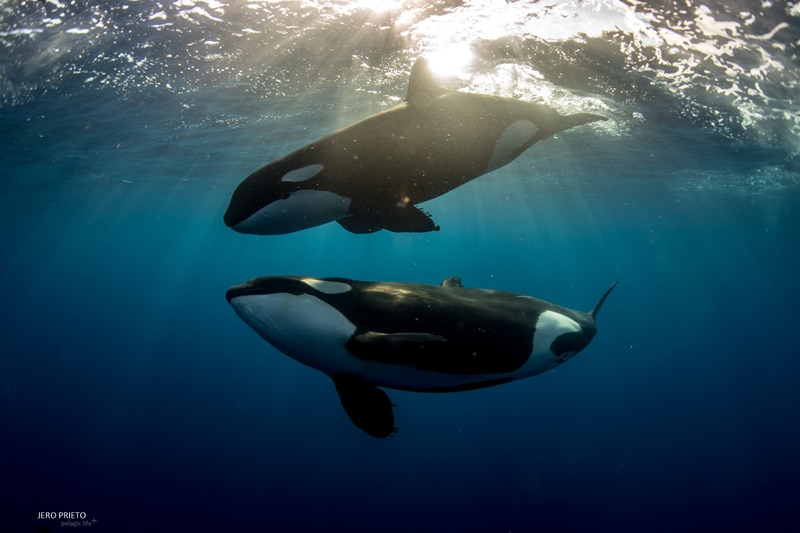
At least 8 million tons of plastic end up in our oceans every year and more than 250 million tons of plastic are estimated to cloudy our waters by 2025. It’s difficult to wrap our heads around how much plastic that really is and even harder to stomach (pun intended) how much of this debris ends up ingested by whales and other marine creatures, usually resulting in death-by-starvation. It is one of biggest threats to all whales and dolphins occurring throughout the world’s oceans.
2. Clean up Your Act
According to the United Nations Environment Program, 8 million pieces of marine debris enter the ocean every single day. This equates to 6.4 million tons of trash each year. The majority of marine litter enters the ocean from land. So recycle whatever you can, pick up trash you find, and avoid letting balloons go.
Why not take a few hours out on a Saturday to plan a local beach clean up. Disposing of your trash responsibly and picking up other trash near waterways is a simple and effective way to help protect whales and dolphins.
3. Become a Diver; Then Dive with a Purpose
Becoming a scuba diver opens up a whole new world to you – and connects you to a global community of passionate ocean advocates. Not only can you actually enter the whale’s home and maybe – just maybe if you are lucky enough – come eye to eye with one, but you’ll also be able to take meaningful action to save them.
After you receive your open water diving certificate, you can support local communities in their protection areas through dive tourism, engage in citizen science efforts to restore the whales home (like planting corals!), get a “Whale Warrior” distinctive specialty, or even participate in a Dive Against Debris and submit a survey every time you dive. For almost three decades, divers have been partners in the fight against marine debris. Divers are adding the unique underwater perspective to this global crisis through the AWARE Dive Against Debris® citizen science program and collecting evidence to inform measures that can stop the problem at the source.
4. Support Responsible Whale Tourism
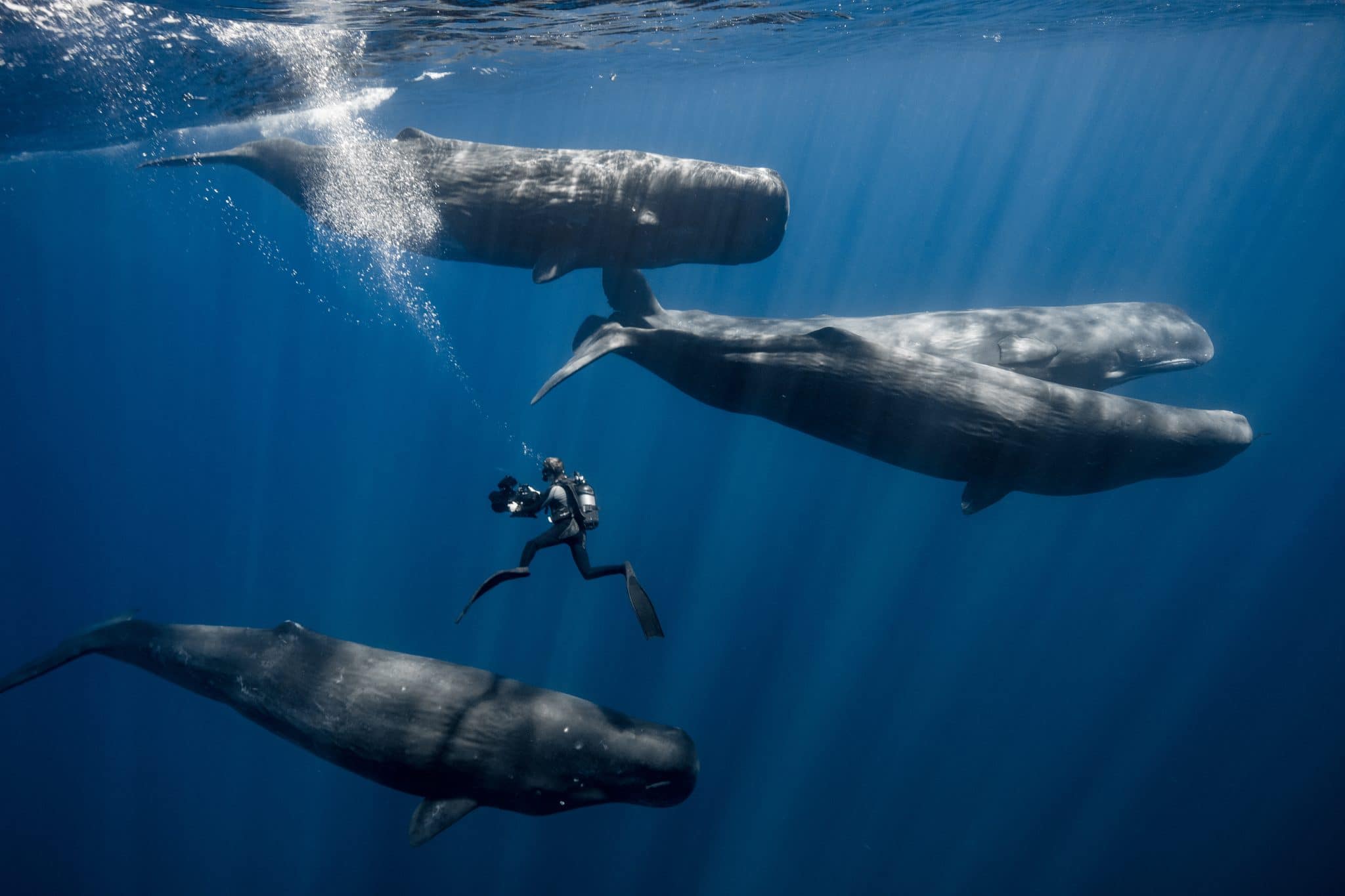
When we see something, we care about it more. So whether you book a whale watching tour, a swim with the whales journey, or encounter them during a dive trip in whale hot spots, your passion for protecting them and educating others to do the same will increase ten-fold! Your first whale encounter will make you a whale advocate for life–and you can do so with PADI Centers all over the world. It also ensures that whales are protected around the world – thanks to the tourism impact upon local economies.
5. Use Your Words, Your Wallet and/or Your Time to Make a Difference!
Making a difference can be as simple as your signature – ensuring local legislation protects endangered sea creatures and their homes. Many conservation groups rely on your help to advocate for their protection. Sign petitions or write letters to elected officials to increase protections for whales and dolphins. And if you have more time, consider volunteering. Finally, If you can afford it, support an organisation you trust by donating or even adopting a whale of your own!
6. Be a Spokesperson On Land with Whale Gear: Proceeds Protect the Whales

You can score amazing gear that celebrates and also supports whale conservation. Start meaningful conversations, shop sustainably and donate to their protection – all at once. Check out PADI Gear’s Whale Collection – with proceeds going directly towards helping to save the whales.
Header Image: Jay Clue, Dive Ninja Expeditions