Back Yard to Bucket List: Gina Goodman
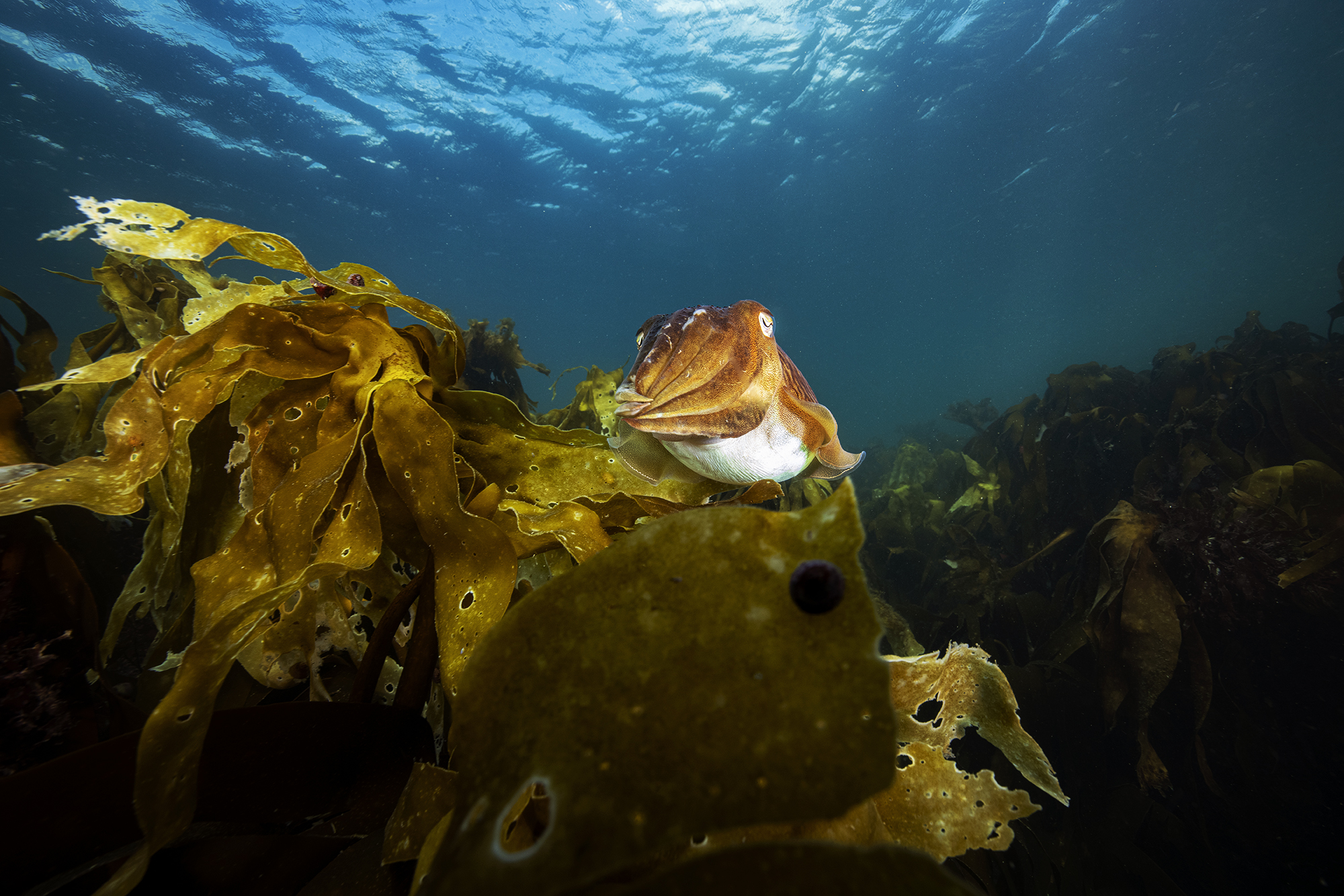
Welcome to one of Scubaverse.com’s regular ongoing series, Back Yard to Bucket List. Each month, we ask an underwater photographer to talk about their dives—local, favourite, and bucket list—and what makes them special. A personal insight into diving with a camera.
In our last edition, we met a photographer whose adventures took us to the Caribbean. This time, we’re staying a little closer to home to catch up with multi-award-winning underwater photographer, diving instructor and lecturer Gina Goodman. Whether she’s photographing colourful reefs, exploring Cornwall’s kelp forests or developing autonomous underwater cameras to help monitor seal behaviour, Gina is always finding new ways to share the underwater world.
But I’ll let Gina tell you all about it.
Don’t forget, if you would like to feature, then drop me a line at saeed.rashid@scubaverse.com.
Saeed
Gina Goodman
 Where to begin… Never in a million years, if you had asked me what I thought I would be when I was older and (supposedly) wiser, would I have ever entertained the idea of ‘underwater photographer’. I was a thalassophobic teen who had fallen victim to the media frenzy of JAWS. I was fascinated by the water and what dwelled in it, but I lacked a critical understanding of the ocean as a living, breathing environment, and so I didn’t have the confidence to engage with it.
Whilst living (for a spell) in the Cayman Islands at 17 years old, I was fortunate to find a mentor, Martin Patterson, who drastically altered the trajectory of my life. Martin could see the curiosity I had with the water and it dismayed him that I was so detached from it. He took it upon himself, and worked with great care, to expand my education and understanding of our oceans and all that dwell within it. As an instructor himself, part of this education was also teaching me to dive, no small feat considering even swimming pools had the capacity to make me sweat. Martin saw me through from my first dive immersed with stingrays, all the way to DM, whilst empowering me to share my new found knowledge and passion with others. Eventually, I made my way back to the UK for my IDC, and from there the rest is history. It is with deep sadness to say that Martin passed away at the beginning of this year.
Now, at 38 years old, I’m in a position to pay that life changing gift forward. I traded the tropical waters of the Cayman Islands for the cooler climes of Cornwall 15 years ago, where I now teach underwater photography full time at Falmouth University, hopefully passing along that same curiosity, respect and adoration for our precious blue spaces.
I have been photographing underwater almost as long as I have been diving, scrounging friends’ cameras or renting point and shoots wherever I could, until I was able to get my hands on a system of my own many years down the line. Doing so taught me to make the most out of what I had to work with, be that a Boots disposable film camera or a high spec DSLR, and this approach has seeped into how I think about where I’m photographing now too. So, here we go. My backyard love affair with Cornish seas, my 15 year long Egyptian obsession, and my future full circle resolution with one of the world’s most resilient and awe inspiring apex predators.
Backyard Dive
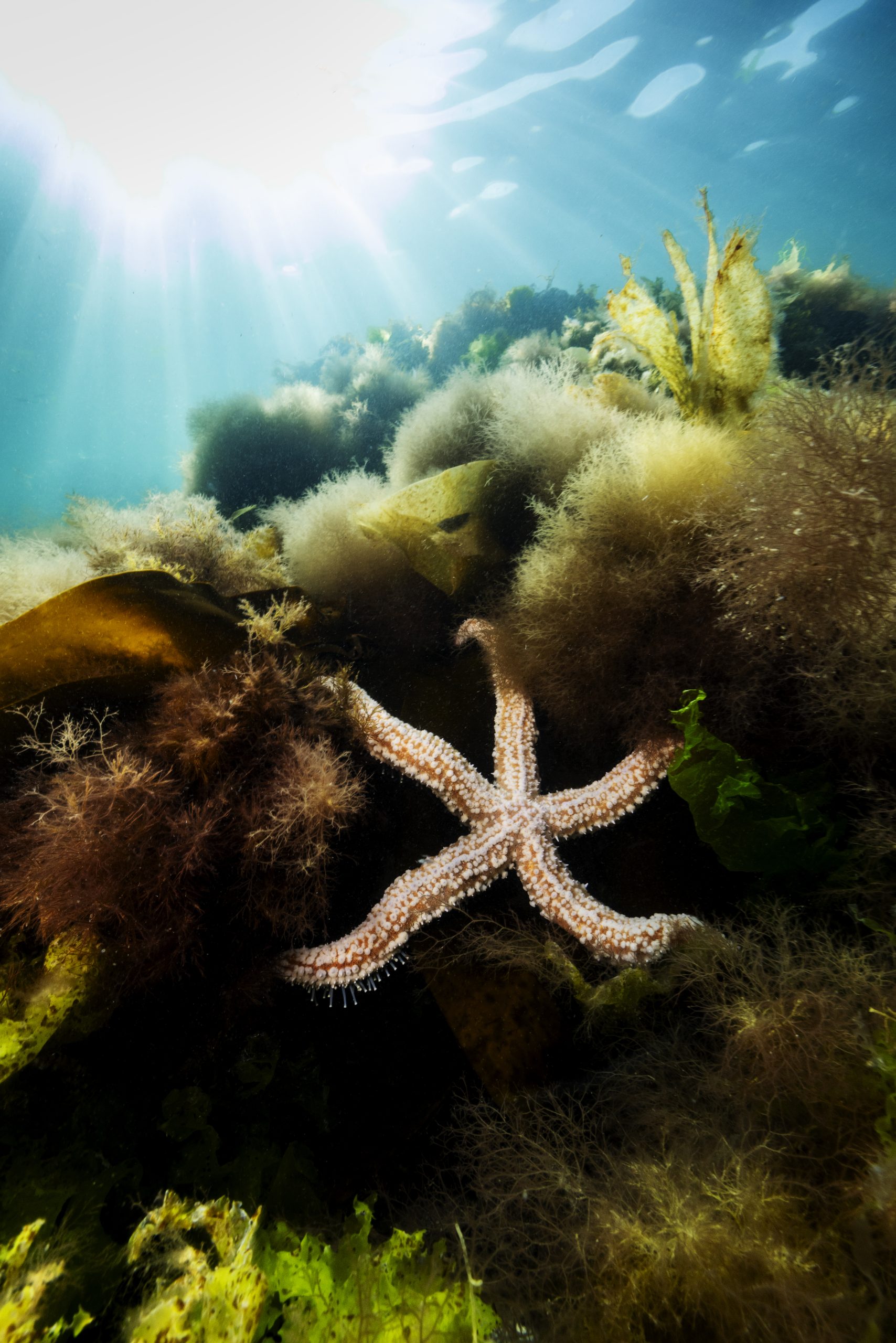
We are so unimaginably lucky to have such diverse and colourful rocky reefs and kelp gardens on our doorstep in the UK, and whilst I love shooting in bright blue warm waters, nothing compares to the changeable colour palettes of seasonal British seas. Every day, every month, every year is different, and that diversity is a photographer’s dream.
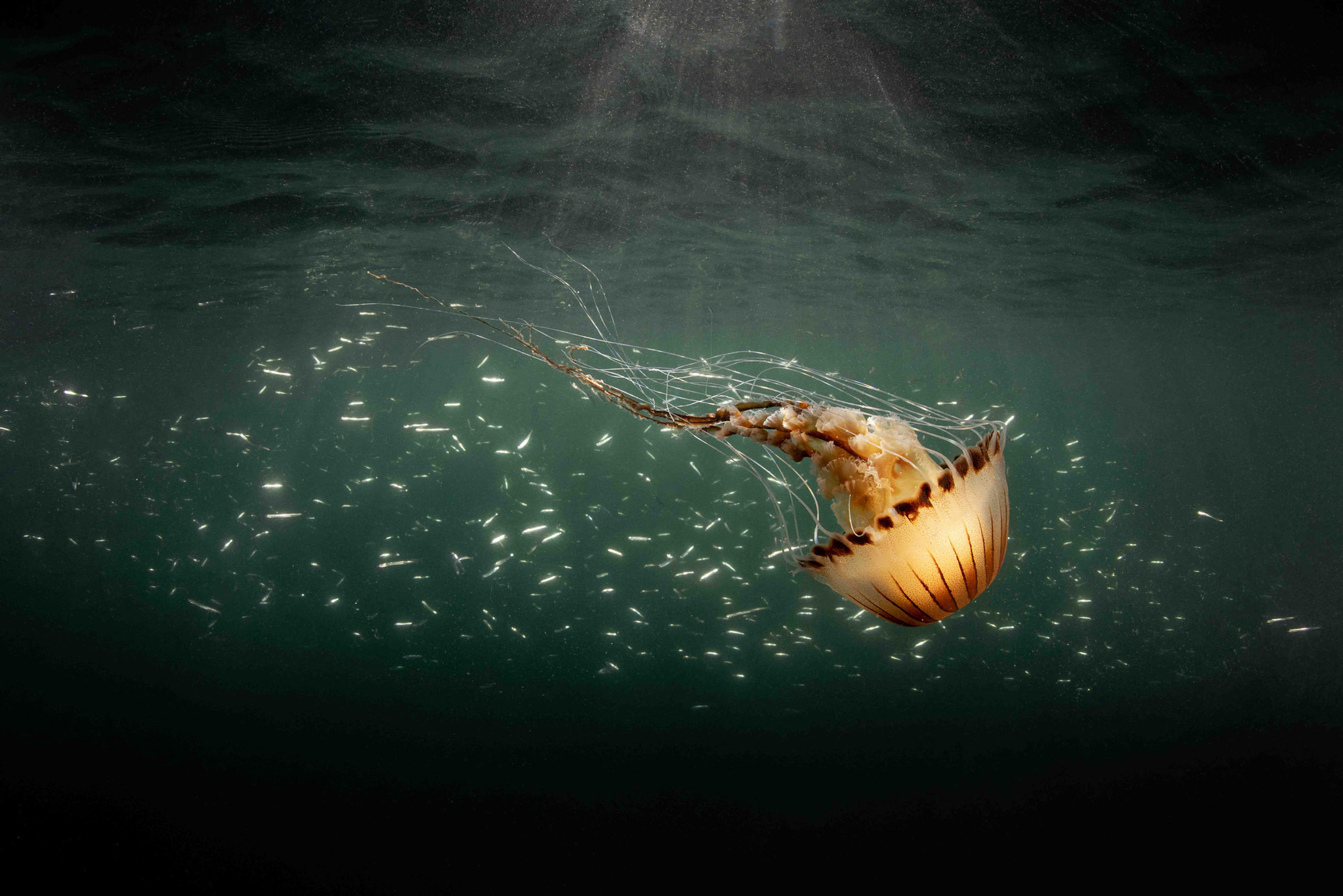
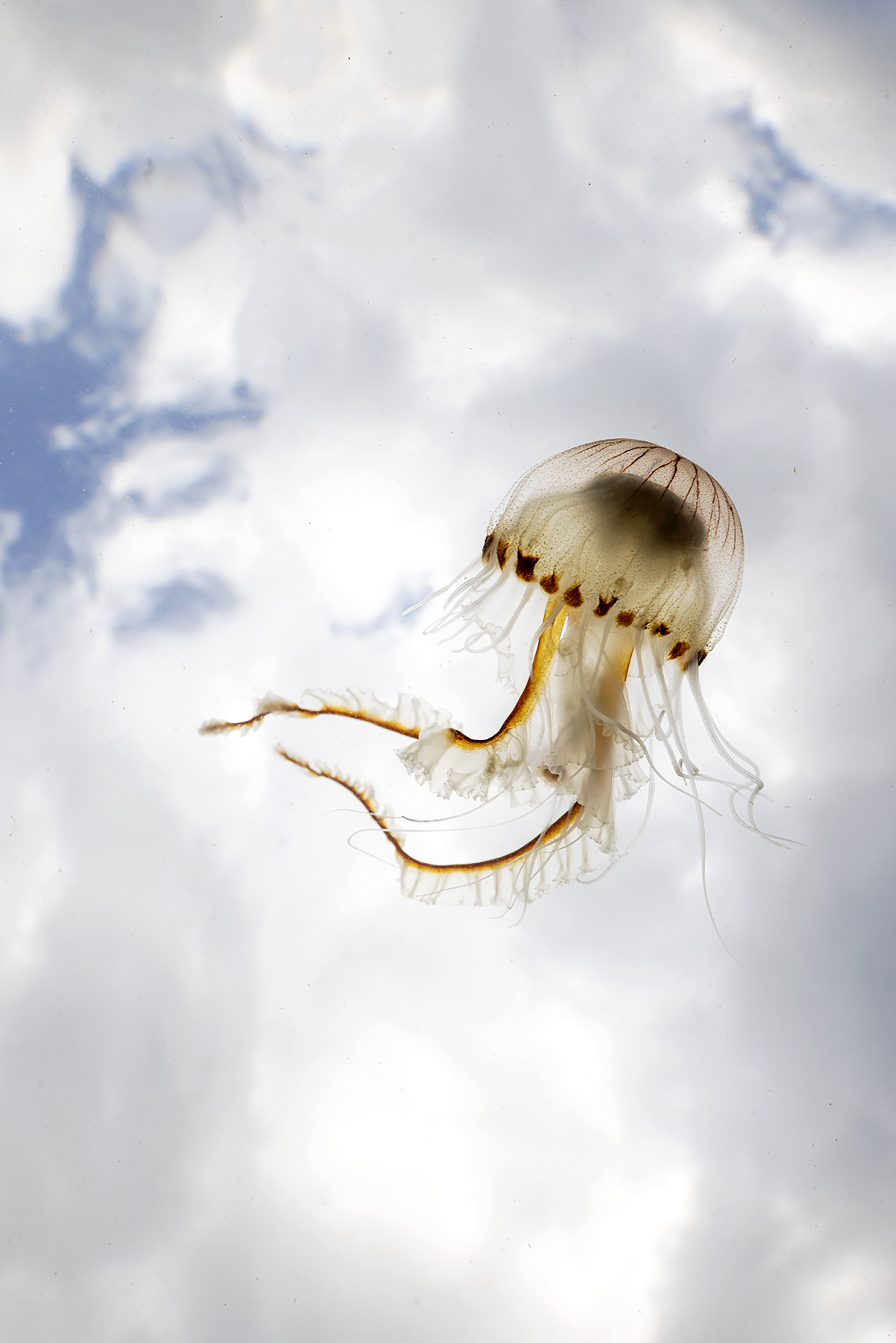
My backyard dive is Pendennis Silver Steps in Falmouth, Cornwall, a very well-known and popular spot for good reason. This area is an abundant and sheltered nursery ground, harbouring all manner of species, from your charismatic tompot blennies and elusive john dory, all the way to scallops, nudibranchs and my favourites… jellyfish. Silver Steps is sheltered by its sister headland, Rosemullion, making it one of the more reliable dive sites on the south coast, whilst also acting like a ‘scoop’ in favourable winds and tides, amassing all the floating transients into this outstandingly biodiverse bay.

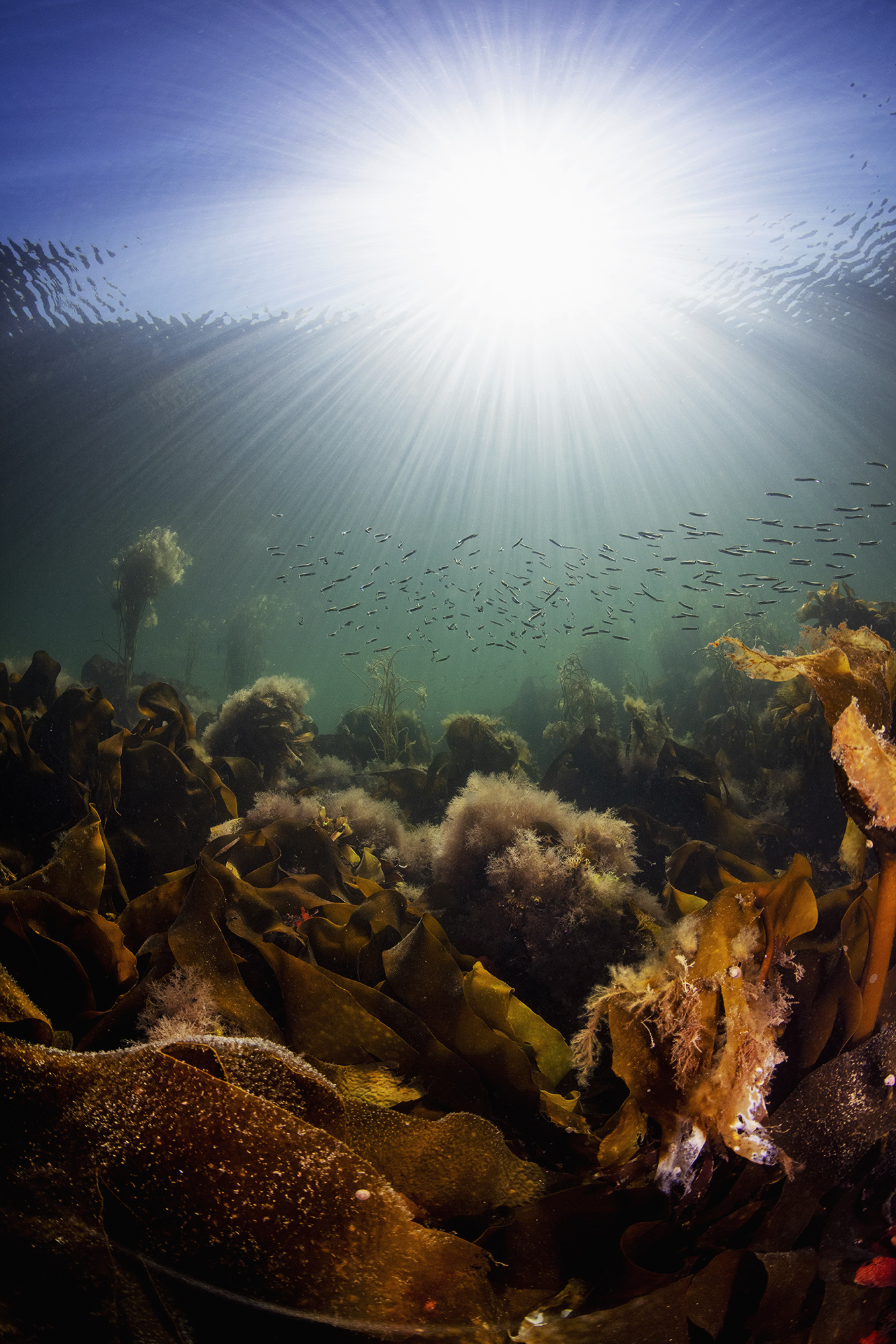
It’s enthralling for a casual dive, but the real treat is its depth. You’ll be pushed to exceed 6 meters even on the most generous tide, making this site a wide-angle photographer’s dream, with striking ambient light surface to substrate, particularly in crystal clear spring waters as the kelp starts to thicken again after our winter storms. Easy to navigate, an intuitive area to find subjects and dense differing beds of marine flora, makes this little area incredibly rewarding to explore with a camera. Colour, life and opportunity await for all variety of photographers.

I’m often asked, ‘if I could only dive in one area for the rest of my life, where would it be?’ and the answer is Cornwall. In 15 years, Falmouth has delighted me in ways I struggle to put into words, from smacks of mauve stingers to dolphins, seals and basking sharks. There really is something to be said for loving where you live.
Favourite Dive
There are so many potential answers to this question, and it goes without saying that Cayman holds a special place in my heart for many reasons, but if I think carefully about where has shaped me, and importantly my work, over the years then there’s only one answer I can come to, and it’s Marsa Shagra, Egypt.

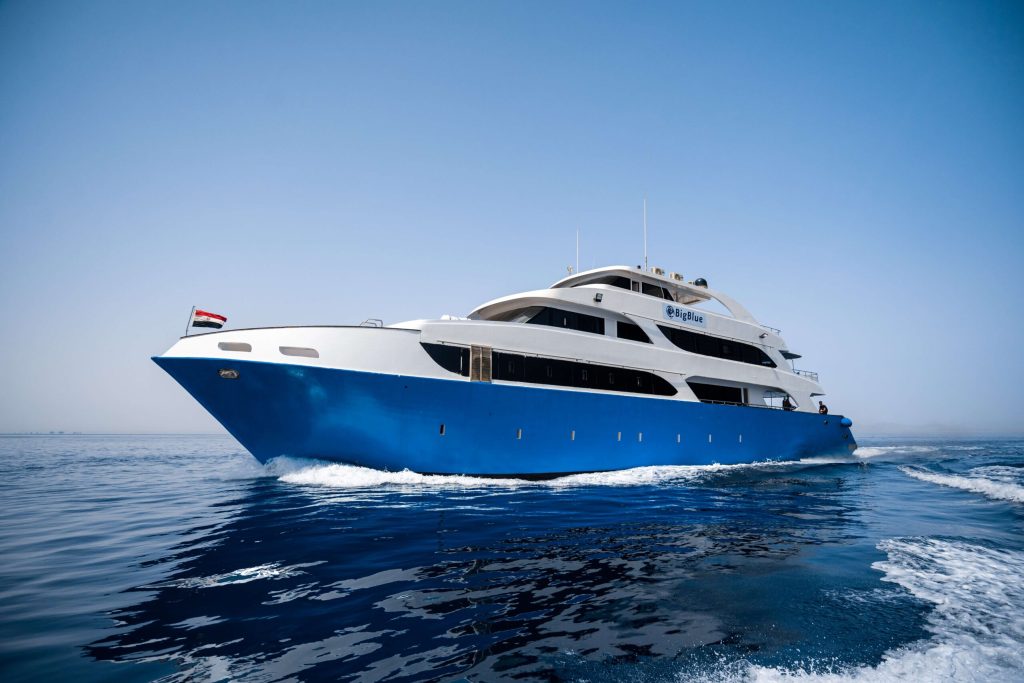
Marsa Shagra is our ‘go to’ annual dive site with our underwater photography field trip at Falmouth, and I have been visiting there since my own student field trip back in 2012. It’s a gorgeous inlet reef with north and south, shore and rib profiles, which really maximises your opportunities with light underwater, allowing you to orientate yourself with the sun at any time of day.
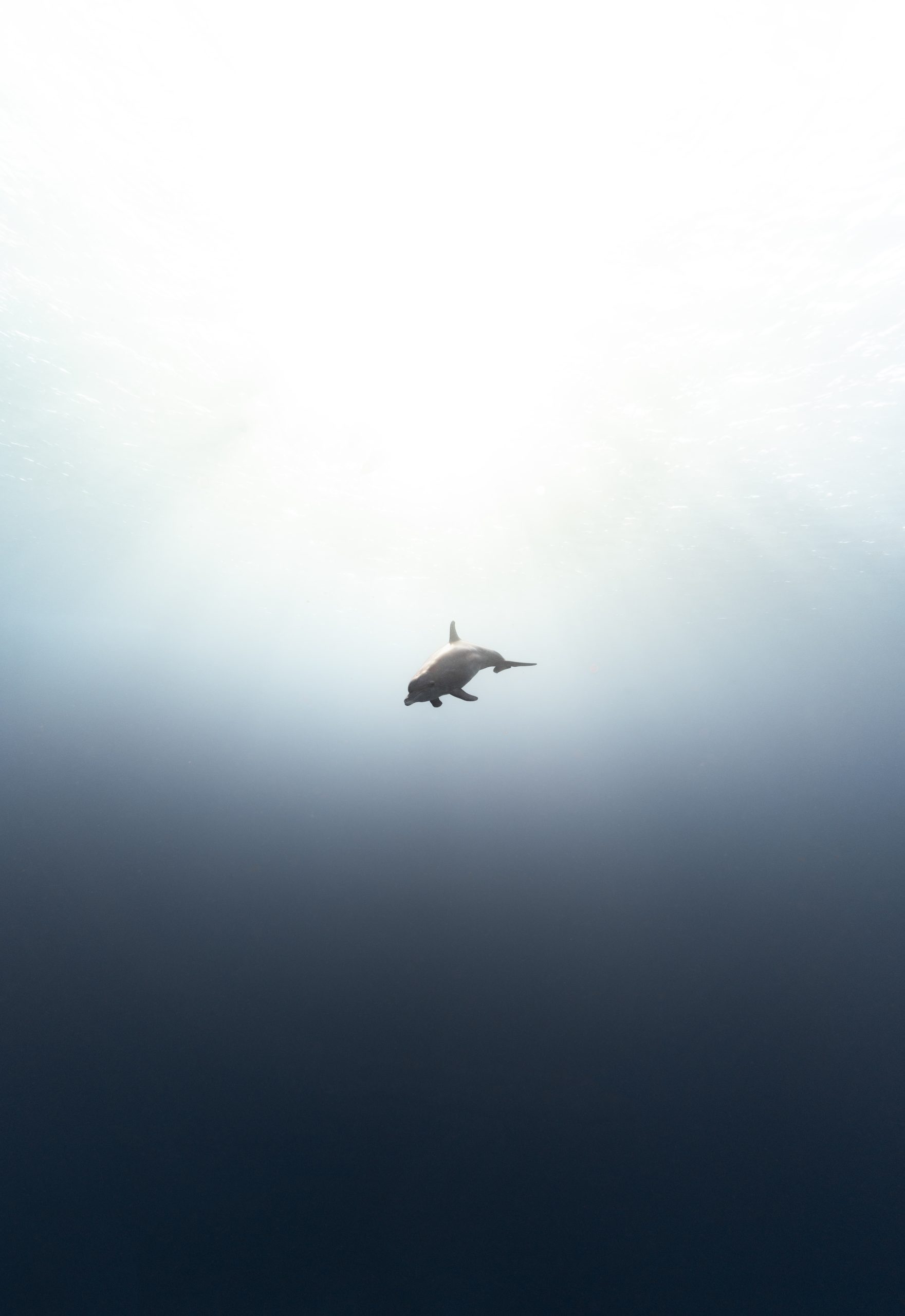
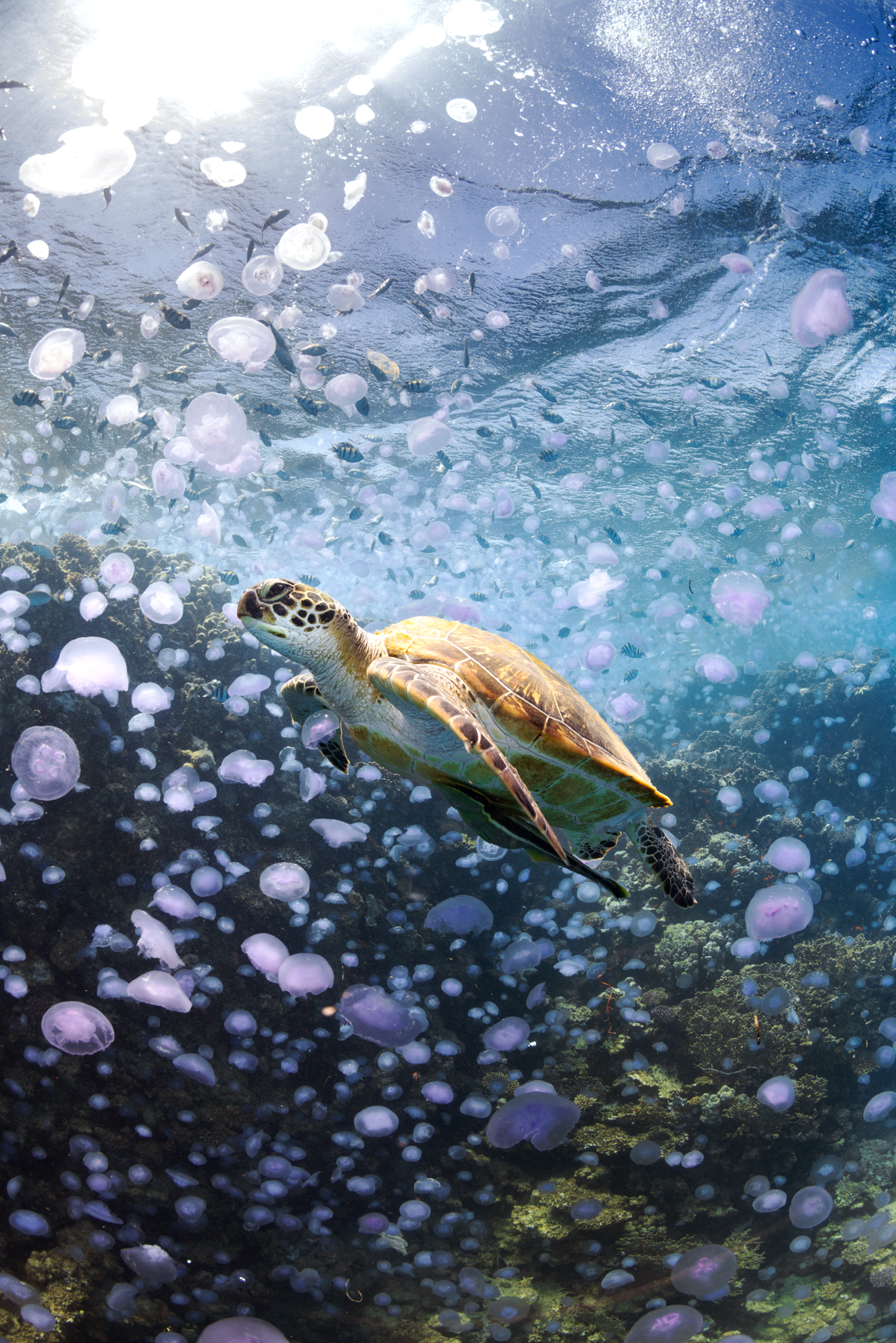
Something I love, as wide angle underwater is my absolute joy. Whilst the reef, and the life on it, is spectacular, this has made my favourite dive list primarily as I have so much experience of it over the years. I find when I dive somewhere for the first time, I’m quietly overwhelmed by my surroundings, taking in all the new scenes and species in front of me. Over time, that doesn’t wear off, but I do start looking at the reef as less of a photographic ‘opportunity’ and more of a ‘problem’ to solve. It allows me space to focus in on areas that others might overlook, such as the jetty used for rib excursions, an artifact I have now spent over 70 hours under in the last decade, watching the smaller predatory dances between seasonal fish and reef staple residents unfold.
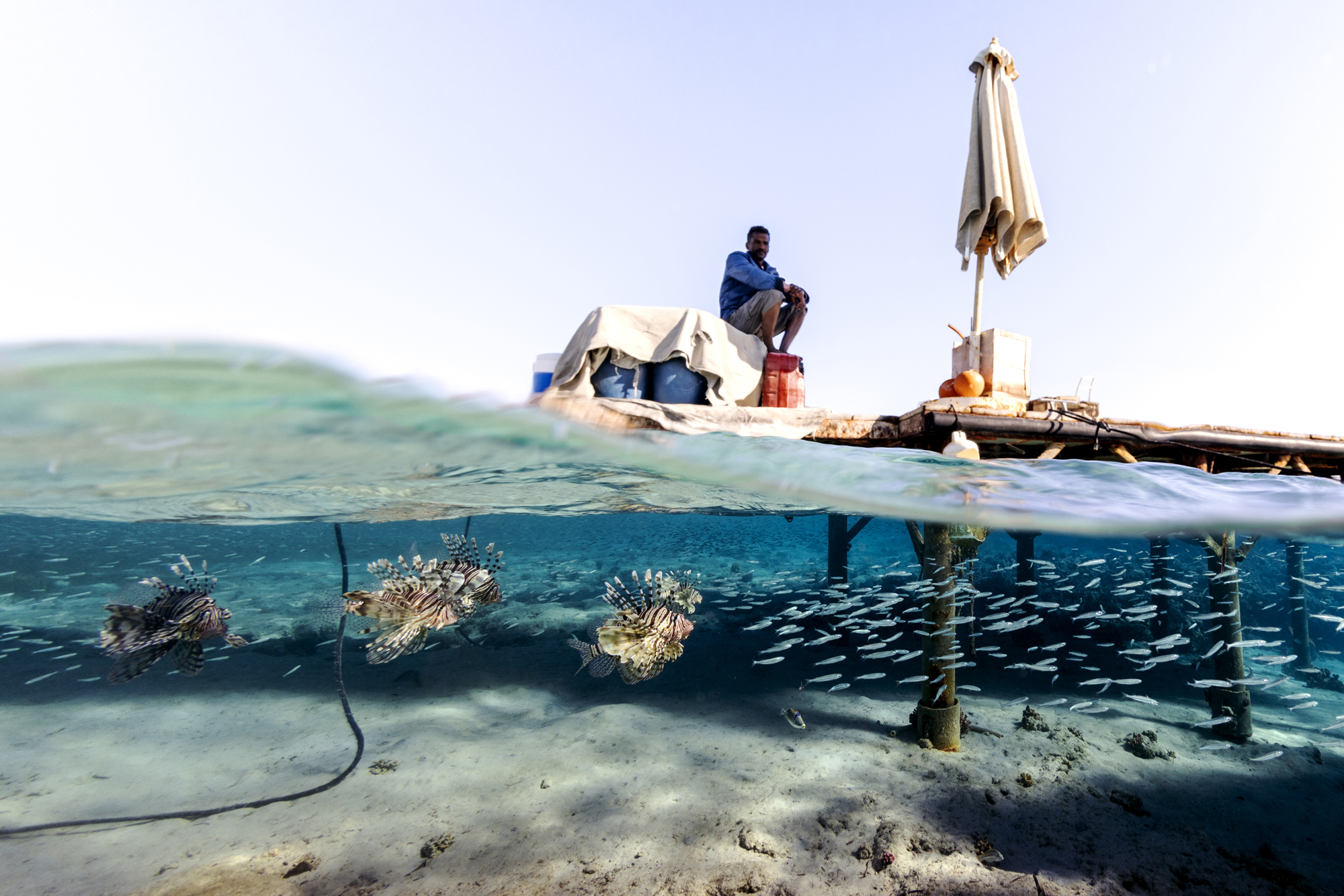
Whilst the colours and structures of the reef don’t change in the way British seas do, the species variation across the seasons is immense. From manta rays and whale sharks, to silverside shoals and jellyfish smacks, having an understanding and experience of the reef over the years has allowed me to really make the most of those spectacular and fleeting moments with the resident and transient wildlife.
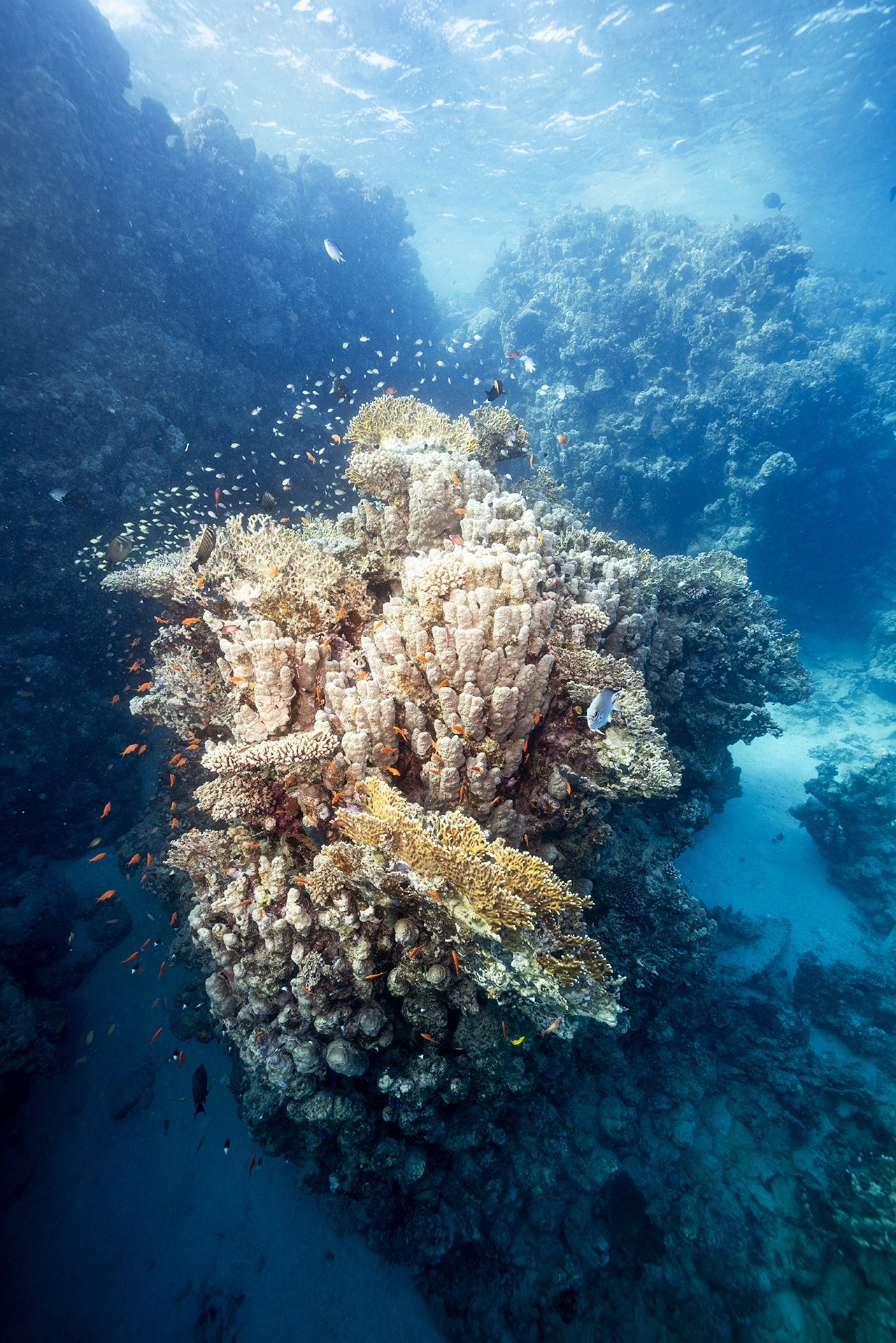
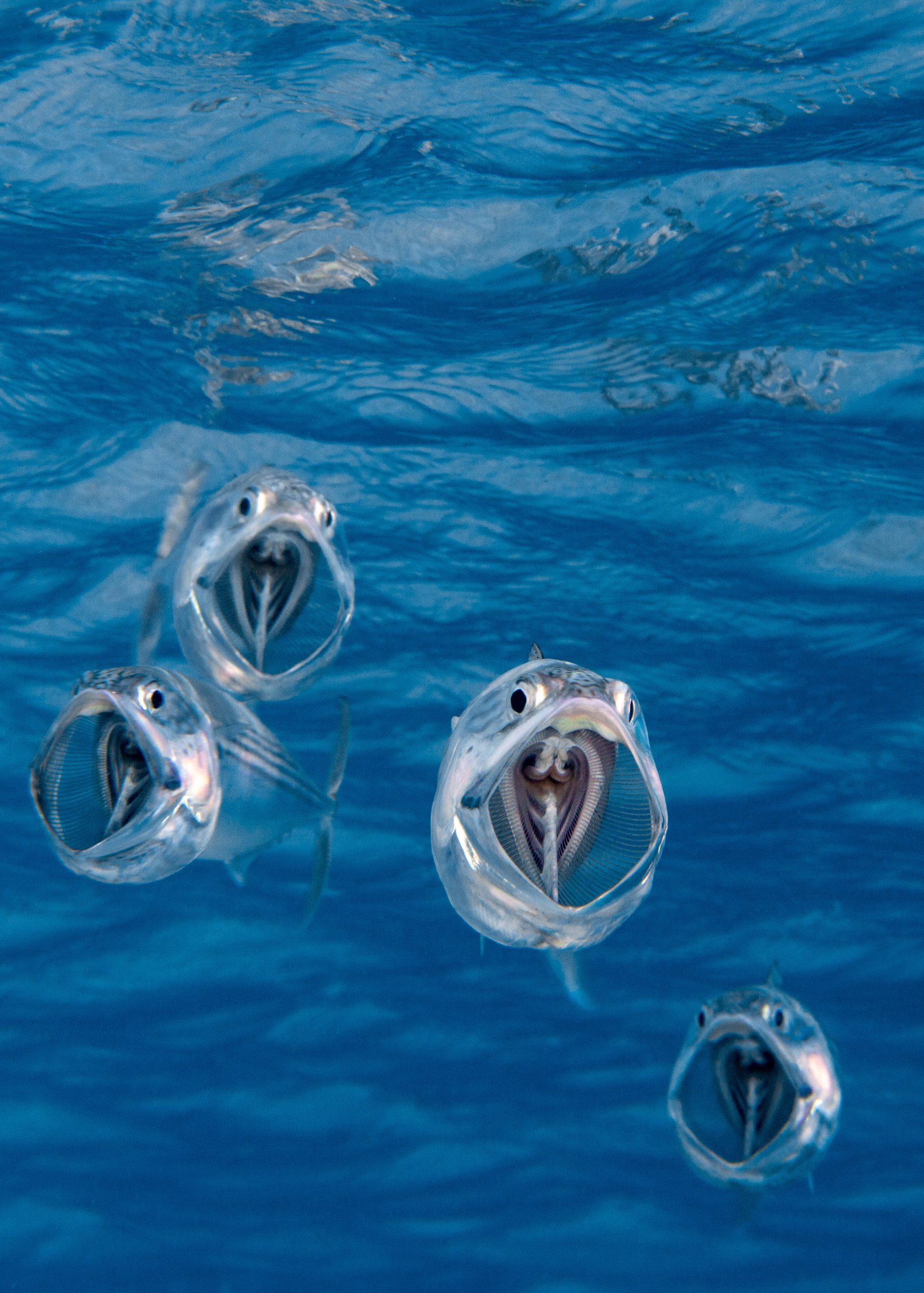
Despite many years under my belt here, there’s no threat of the novelty wearing off. If anything, I’m always excited to return to see how the environment can continue to surprise and inspire me, which it always does.
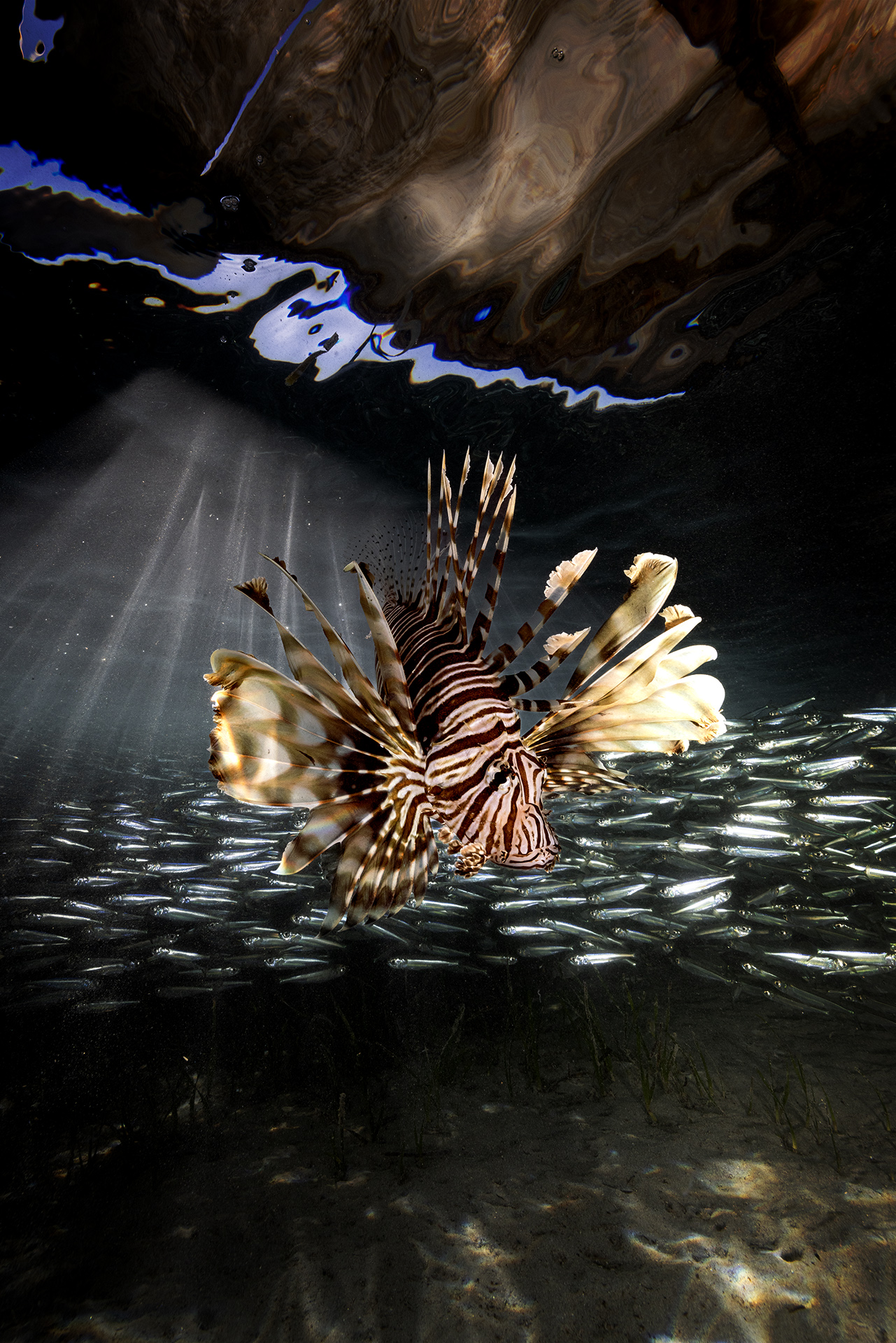
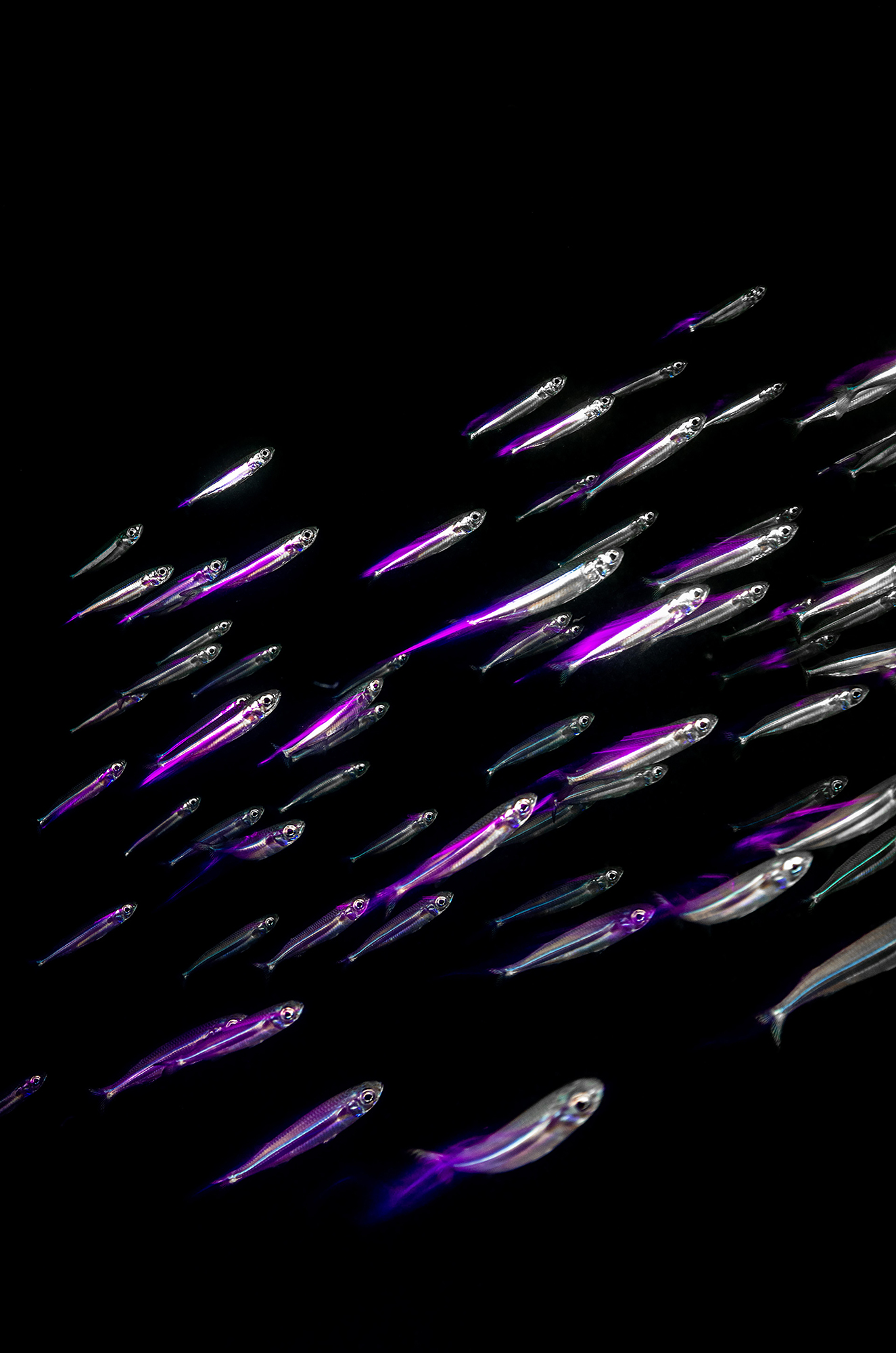
Bucket List Dive
From a young age I have been fascinated, near obsessed, by great white sharks. I ingested all the media I could on them over my youth, which let’s be honest, doesn’t usually show them in a favourable light. So perhaps I can be forgiven for developing a fear of them, and the water, in my teenage years.
As I have grown and learnt, my obsession remains but the fear has turned firmly into awe and appreciation. A turning point in this for me was reading about Rodney Fox when I was at school. Rodney suffered what was regarded at the time as the world’s worst non-fatal shark attack, an experience that would leave many to never enter the water again, but the opposite was true for Fox, who has now over time become a major figure in shark research, filming and public education. So it goes without saying that my bucket list dive has to be meeting these outstanding creatures face to face, and the only place I can dream of doing that is aboard the MV Rodney Fox, which has, to the best of my knowledge, the world’s only ocean floor cage where you can experience the more natural behaviours of the species. Fox’s legacy expedition vessel operates out of Port Lincoln, Australia to the Neptune Islands. Whilst Rodney has stepped back from expedition leading these days, his work continues via his son, Andrew.
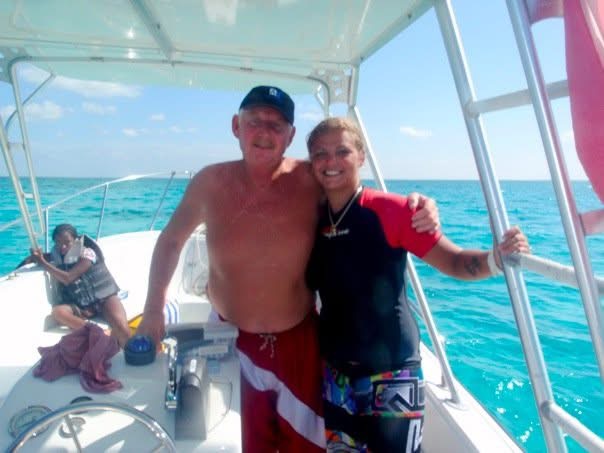 So there we are, my backyard, favourite and bucket list dives. A lifelong journey in understanding, appreciation and photography. A door that was fully opened by a wonderful man who will be missed greatly. To Martin, with love.
I have to admit, Gina’s story really resonated with me. It’s amazing how one person can open a door and completely change the path someone takes, and Martin clearly had a huge impact on Gina’s journey from being afraid of the ocean to becoming the underwater photographer she is today.
I also love that she chose Cornwall as her backyard dive. We often look towards warmer waters for inspiration, but there is something incredibly special about exploring and photographing the seas right on our doorstep.
Don’t forget, if you want to be featured, just send us a message.
Saeed