FUTURE FOCUS: JORDAN MILLAR

In each instalment of Future Focus, we speak with past and present students of the Marine & Natural History Photography BA(Hons) course at Falmouth University about their experiences, challenges, and successes on the course.
 Jordan Millar – 3rd Year Student
Gina: What first drew you to study underwater photography at Falmouth?
Jordan: Mainly the fact that how unique the course was and I believe it’s one of the only or the only course in the UK that specializes in underwater photography, another key part that attracted me was the location of the course.
Gina: Did you have any diving or underwater imaging experience before joining the course?
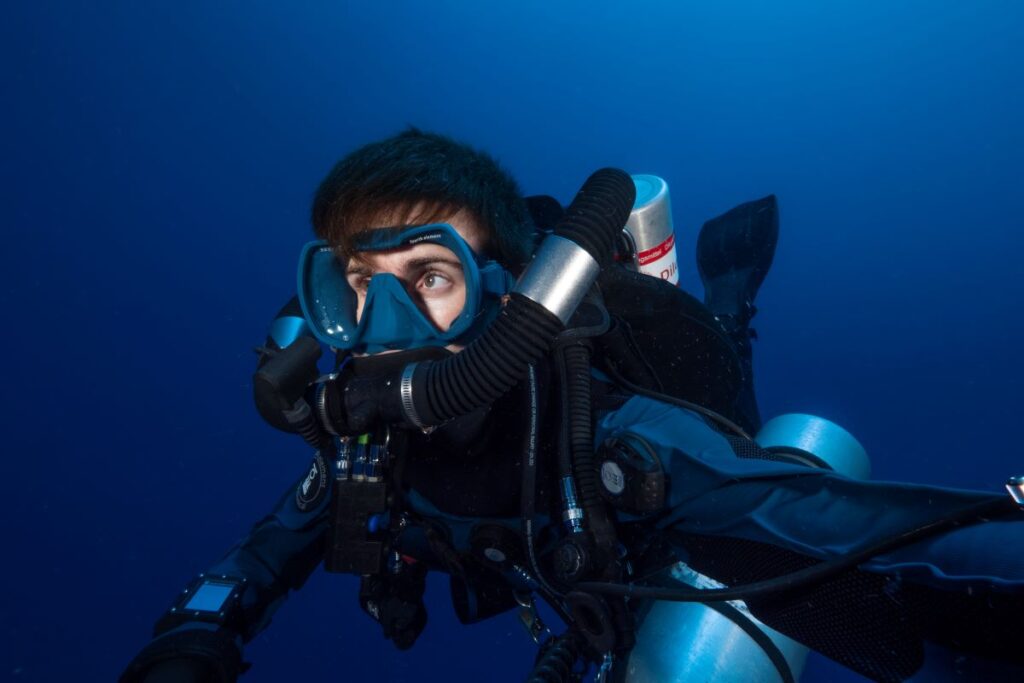
Jordan: Yes, however I had very little knowledge about the technical side of underwater photography and the right equipment, I was using a TG-6 and GoPro before realizing the benefits of the kit currently available to me.
Gina: What were your expectations of the underwater photography module before starting it?
Jordan: I thought it would be a lot more independent in the sense that we would have to go plan and shoot on our own dives which is amazing that we get assisted with all the introductions to local dive sites and equipment etc..
Gina: What were the biggest technical challenges you faced when first photographing underwater?
Jordan: Some of my major technical difficulties was: Learning correct use of strobes and how to balance ambient and artificial light, white balancing my images and, in general postproduction.


Gina: How did learning to dive influence the way you approach photography?
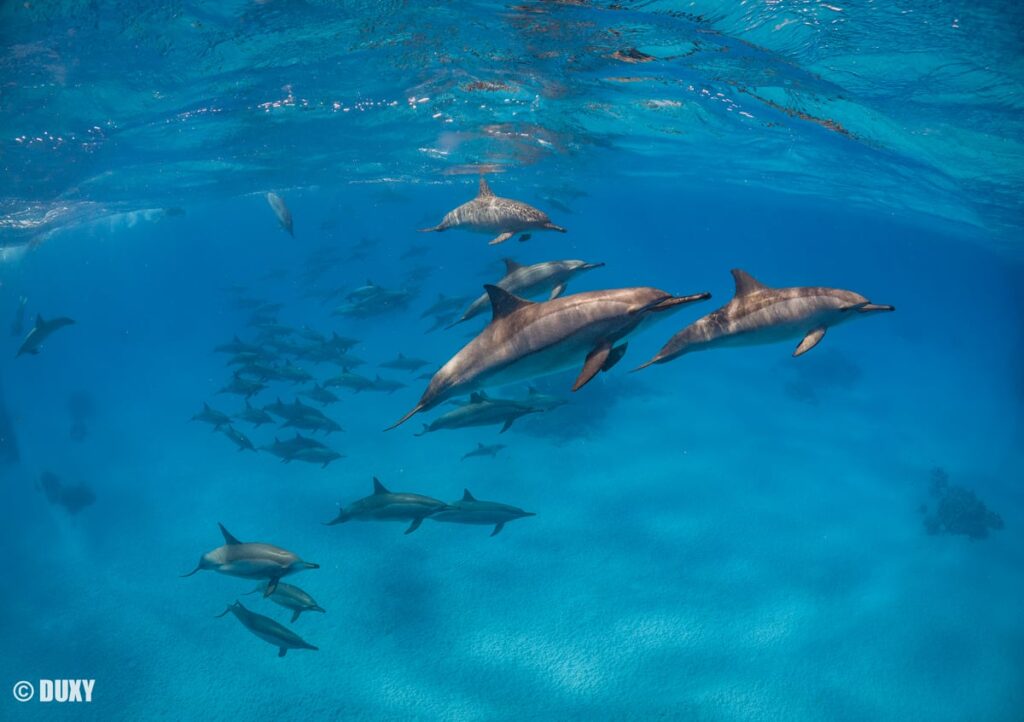
Jordan: It started with freediving, where a lot of people where I grew up in South Africa didn’t have the opportunity to see the local marine wildlife, this inspired me to showcase what amazing scenes was lying beneath the surface.
Gina: What practical skills from the module have had the biggest impact on your work?
Jordan: Being able to get used to the local dive sites and how they work with all sorts of different weather conditions, tides and what wildlife is to be expected at a certain time of the year.
Gina: How does photographing in UK waters shape the way you think about light, colour, and composition?
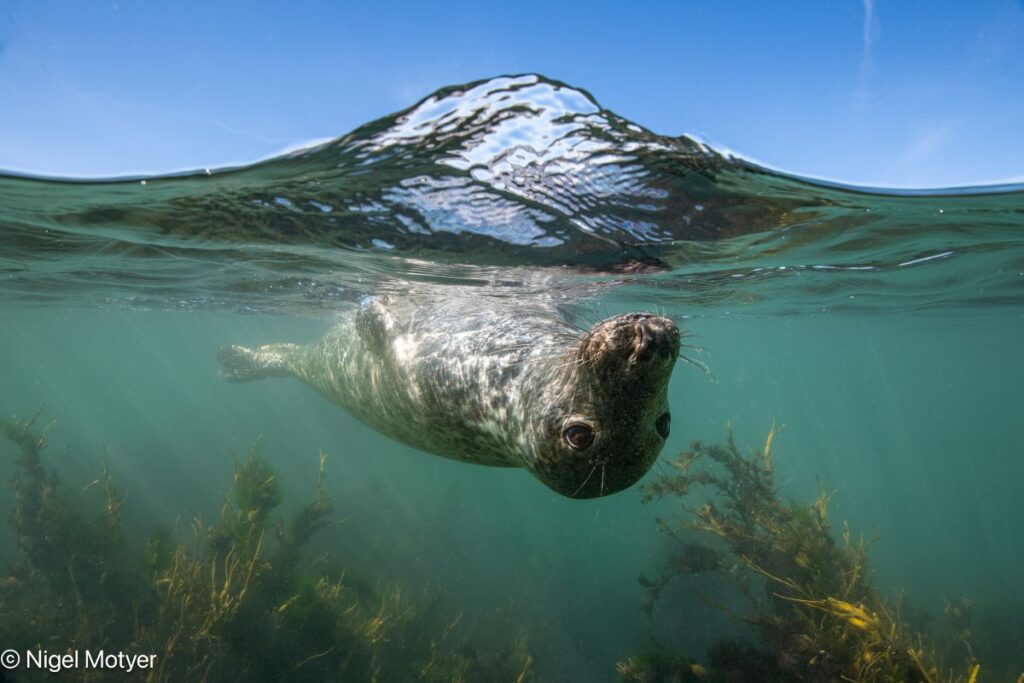
Jordan: I would say I normally try to have a unique approach to taking my images because I personally find in the UK a lot of the subjects in the foreground will blend into the background when you look at it in a 2D way and considering this I have found that artificial light is a must on most occasions to make the subject stand out.
Gina: What makes photographing marine life in the UK particularly rewarding or challenging?
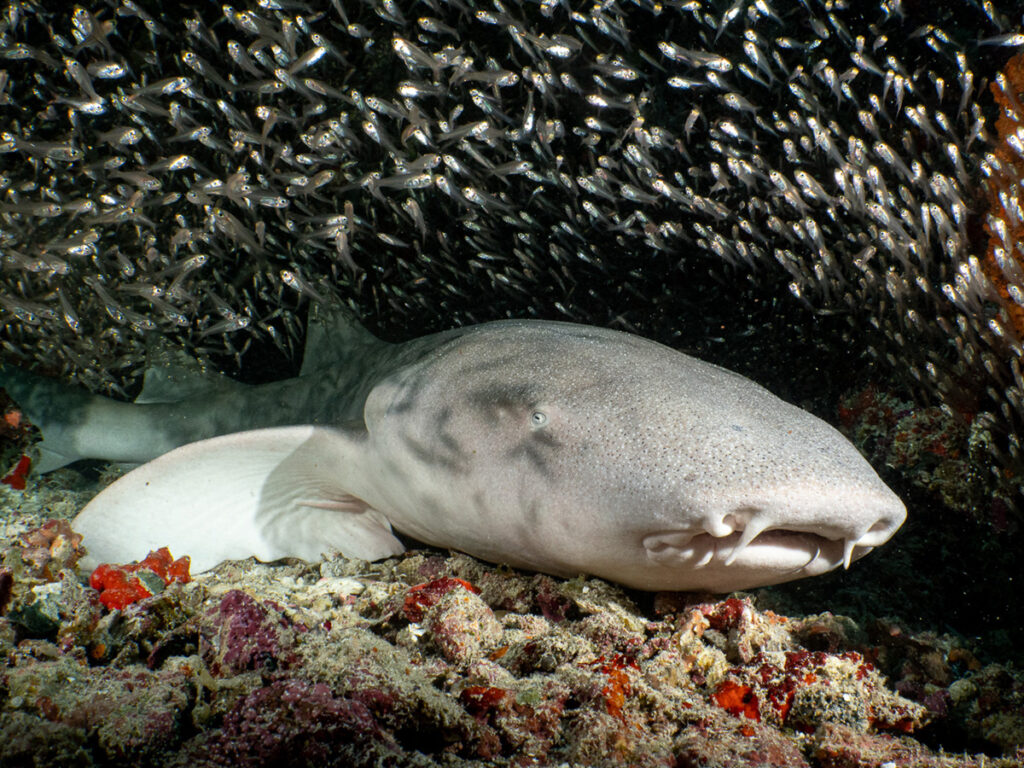
Jordan: Most of the time for me it’s unexpected what will appear on a dive regarding larger subjects, for example ive had many dives using wide angle where I would spot nothing or it would be poor viz however on the dive where I would spot a catshark, nurse hound or cuttlefish etc… that’s always the most rewarding.
Gina: How has working in cold-water conditions affected the way you plan a shoot?
Jordan: Nothing has really changed that much for me as I’m used to diving it the cold Atlantic currents that run past the southern tip of Africa where I grew up, so transitioning to English water temperature was a lot easier than I expected.
Gina: How has your photographic style evolved since beginning the course?
Jordan: So far it’s definitely moving me into the direction of wide angle photography as I’m drawn to those big context images with amazing scenery and also close up wide angle.
Gina: Is there a particular image or project from the underwater module that you are most proud of?
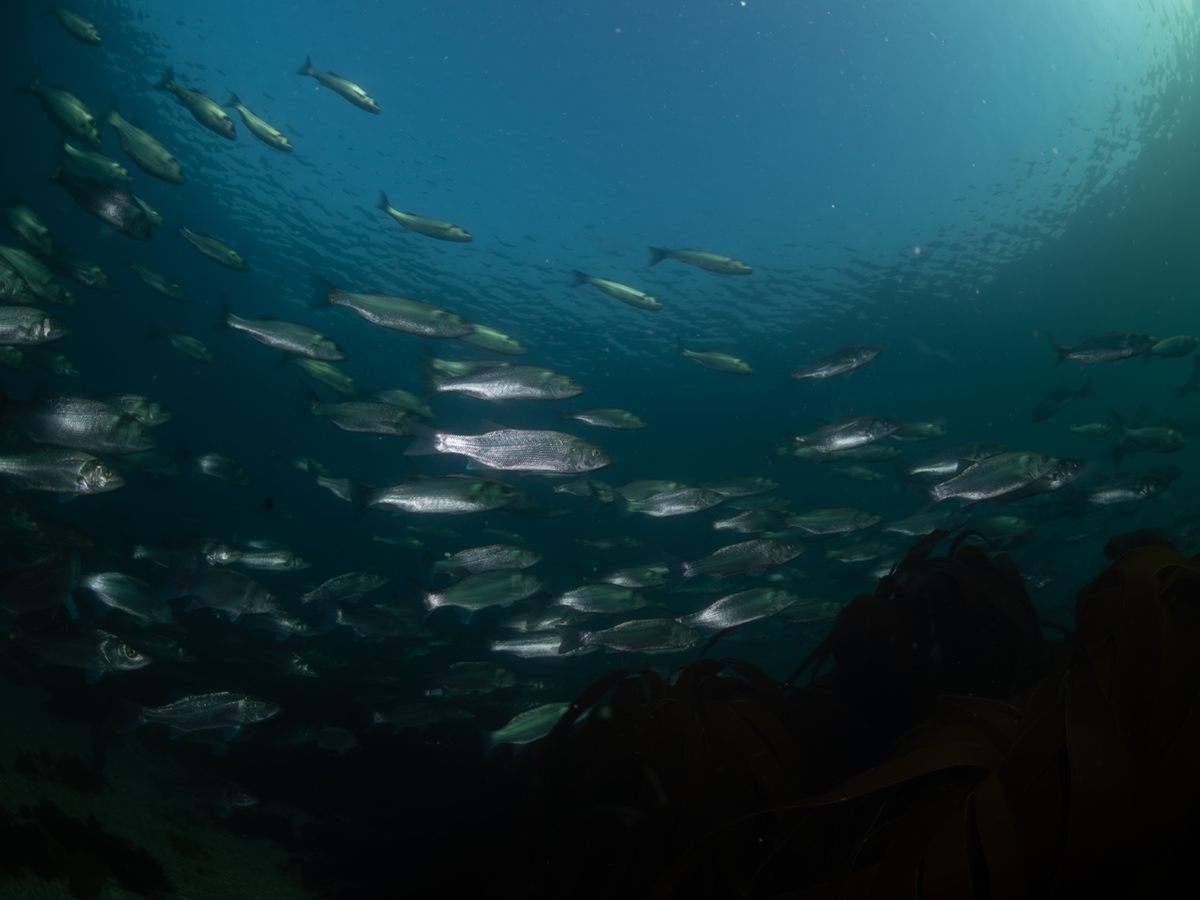
Jordan: It would be the pictures of the school of sea bass not because of the image itself really but it was the second last day before hand in and I thought I needed some extra images that would stand out in the portfolio, so on this dive out of nowhere I got surrounded by this school of bass which made this images feel so rewarding.

Gina: What does your preparation look like before an underwater photography dive?
Jordan: Normally it starts off with firstly looking at the conditions and deciding where to go, then depending on what’s expected site/ visibility I decide what lens and style of photography to go for.
Gina: How do you review and reflect on your images after a dive?
Jordan: I’m always looking at how I could improve small changes on the next shoot and this being anything from kit to location, but this is the one of the main things I love about it is always learning and improving from each shoot/dive
Gina: What role does experimentation play in your learning process underwater?
Jordan: At the moment it plays a role in a lot of my dives as I feel like there’s so many unique ways you could take images of different subjects and scenes.

Gina: What responsibilities do underwater photographers have when working with marine life?
Jordan: To always be respectful, keep distance and to try not to interrupt activities of the marine life.
Gina: How do you balance getting a compelling image with protecting the environment you are photographing?
Jordan: The main rule for me is always if I can’t get the image without disturbing the environment/wildlife I will just leave it, and respect what is going on in front of me without the camera.

Gina: Are you more interested in still photography, filmmaking, conservation storytelling, or scientific documentation?
Jordan: At the moment my main interests are still photography and conservation storytelling
Gina: What skills from the course will be most valuable for working in the marine media industry?
Jordan: Postproduction, networking and equipment knowledge and handling.
Gina: What areas of underwater imaging technology or storytelling excite you for the future?
Jordan: I think the next few decades will have so many different story’s getting revealed in the natural world, and with technology rapidly improving this excites me for the future in this potential career ahead
Gina: What advice would you give to students considering the underwater photography module?
Jordan: I’d say If you’re looking to gain hand on experience and with underwater equipment and learn from some of the most experienced practitioners I would highly recommend.
Gina: Looking back, what is the most important thing you’ve learned about yourself through photographing underwater?
Jordan: How influenceable my work be to others around me to people who haven’t been able to experience the underwater world.
For information on the Marine & Natural History Photography course at Falmouth University.