Diving Fiji from Wananavu Beach Resort

The mere mention of Fiji brings to mind beauty above and below water – tropical islands scented with fragrant blossoms and the sound of rustling palm fronds. Divers have seen photographs and video, heard stories from friends of spectacular soft corals and brilliantly colored fish. As with most divers, Fiji was high on our “must-dive list”. It is a long trip however, that carries you across the International Date Line. Under most circumstances we would have opted for a liveaboard in order to maximize diving and then spent a few days on land. In this particular case though, we could not extend our trip and therefore elected to do a land-based resort. We took the recommendation for Wananavu Beach Resort and found it to be an utterly delightful experience.
If one wishes to discuss practical matters first, Wananavu is located on Viti Levu, Fiji’s main island, approximately 2.5 hours drive north from the Nadi airport. The distance allows you to see the small villages and much of the varied terrain as you drive slowly behind trailers bearing sugarcane or perhaps stop to allow livestock to be herded across the two-lane road. It became apparent that the idea of getting a car and exploring the countryside on our own in that part of the island would require both a four-wheel drive vehicle and a definite sense of adventure. The resort has a number of excursions that guests can take to local sites. We were not able to avail ourselves because of the timing of the dives, but if you have non-divers along or a “down day”, that would be the chance to check out the famous “Cannibal King’s” village.

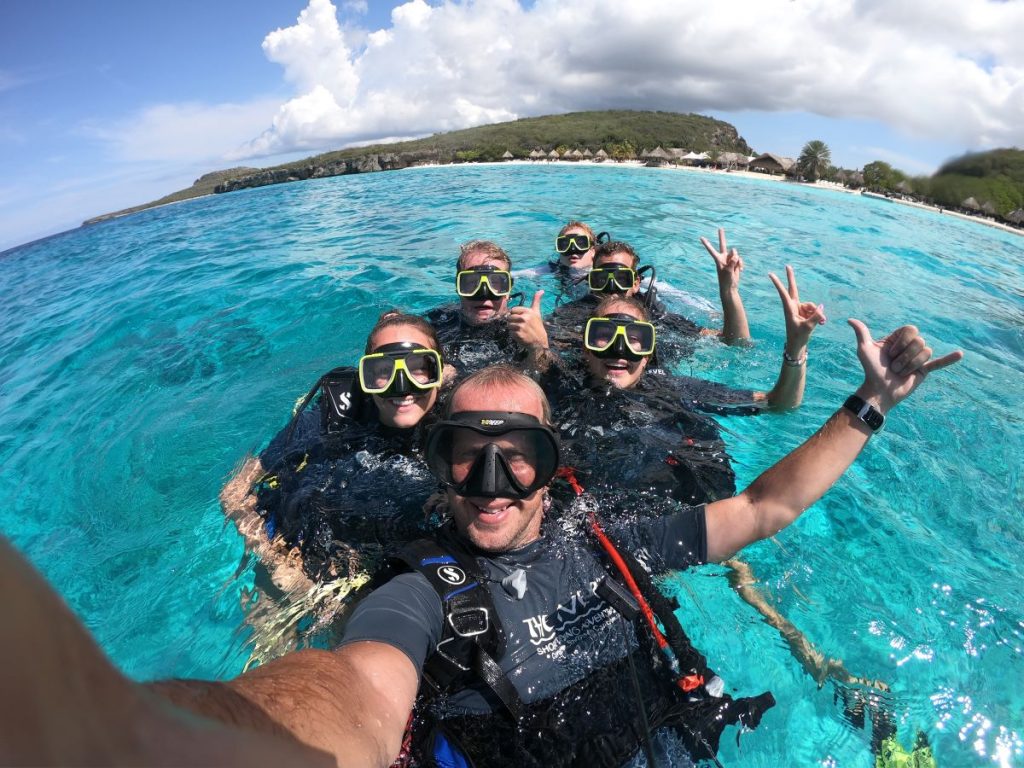
As for the diving, managers Chris and Victoria Liles operate the in-house Dive Wananavu, a fully functioning dive operation with rental equipment, nitrox, and PADI instruction available. The gear storage area by the lagoon is nicely arranged and it is only steps to the boat dock and the two custom-built dive boats, Nami (Japanese for Wave) and the smaller Nami Lailai. Chris and Victoria’s goal is a simple one and that is, “To provide a land-based operation, with the feel of a liveaboard.”

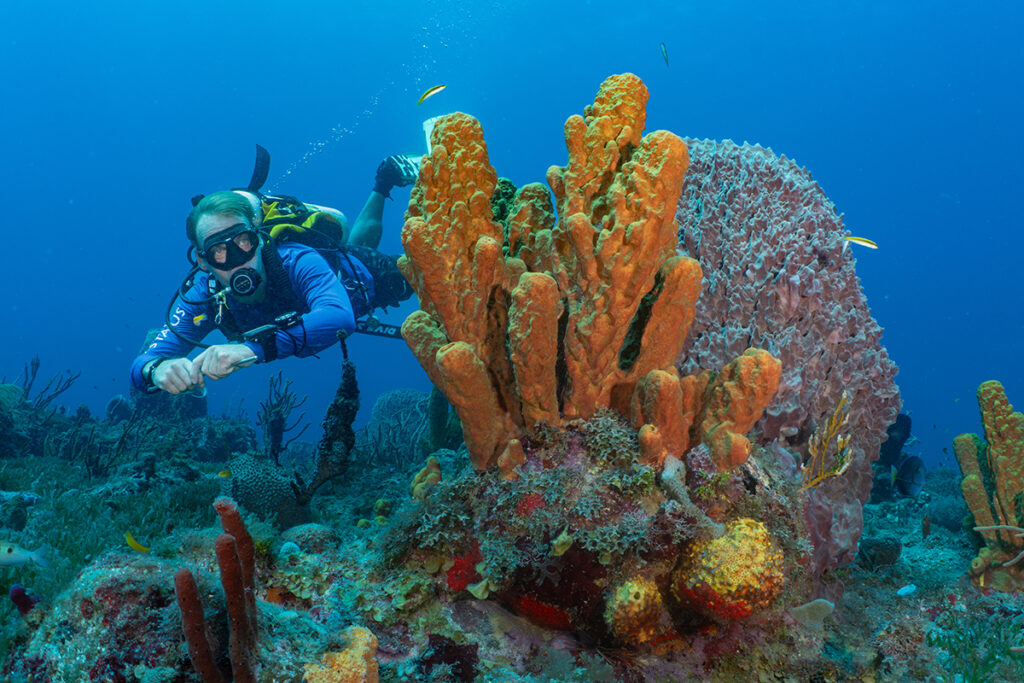
From the moment you turn your gear over to one of the dive staff, you know you are in the hands of people who want to share their passion for diving. While the boats are rated for 18 and 8 people respectively, they try to keep them at a maximum of 16 divers (more commonly 14 though) and 6 divers respectively. The boats can make the run to the Vatu-I-Ra passage in approximately an hour and there are numerous other sites closer to the resort. As you plunge into the water of whichever site is selected, you quickly understand why this area is referred to as “the soft coral capital of the world”. On one particular site, “Wheatfield”, the mass of golden-colored coral swaying does indeed look like its namesake. There were so many clownfish of all sizes darting in and out that it was not possible to count them all. And as popular as little “Nemos” are, the spectacular colors of the angel and butterfly fish catch your eye with each vivid flash that passes you. Not that my husband, the photographer, didn’t appreciate them, but he was busy capturing pipe fish as often as he could and beautiful nudibranchs. Black-tip and white-tip sharks tended not to linger once we entered the water, usually gliding away within a few minutes.
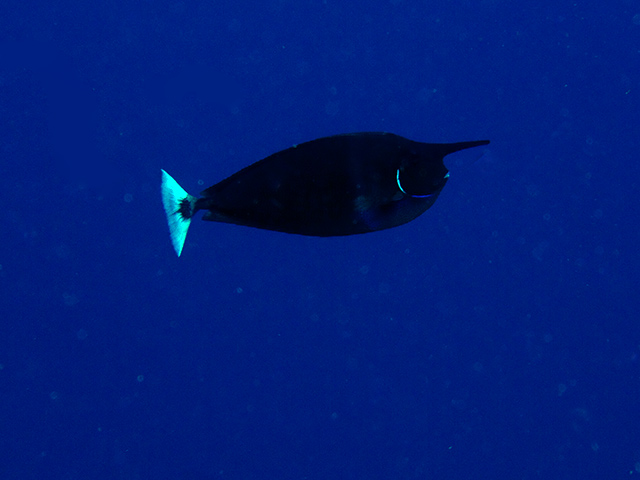
Aside from seeing banner fish, unicorn fish, and a wide variety of angel and butterfly fish, there were many species that we never did identify nor capture in photo. One was particularly intriguing and another diver told us that we’d seen a dart fish as we described the peculiar shape. In addition to fabulous marine life and underwater topography, most of the sites were simple to navigate as they were pinnacles in one shape or the other and visibility ranged from 70-100+ feet. The pinnacles allowed for multi-level diving with plenty to see during the safety stop. Current was mild to moderate, only strong on the first day at one site.

We had both been keeping a very hectic schedule for months and made the decision to dive each morning and snorkel in the afternoon after a leisurely al fresco or beachside lunch. Shore diving is also available although the visibility at the resort itself is only approximately 20-25 feet. Despite that, there are lovely blue starfish and other marine life as well as easy access for getting in and out of the water. Snorkeling happened to work better for us even though several guests enjoyed the shore diving (Okay, the snorkeling part may have had to do with the leisurely lunch including cold beer).
As wonderful as the diving is, the resort is designed for relaxation and was exactly the kind of place that we needed. There are no telephones or televisions in the rooms and the internet is extremely limited. The idea of coming to Wananavu is to unplug and unwind.
The buildings are arranged in a tiered fashion with the lobby, gift shop, restaurant and bar at the top of the property to give a panoramic view across the water. The pool, complete with man-made waterfall, is the next level down with a path that winds to the far side to take you to the small spa area. When you book a bure (room), you can opt for garden, partial ocean view, or beachside. Native hardwoods are used throughout and with a small balcony off our partial ocean view room, we would sit at night and watch glittering stars as we listened to the slap of waves against the sand below us. The beach sand is groomed daily and the sunrises and sunsets are lovely. The birdlife is plentiful among the familiar tropical offerings of hibiscus, bougainvillea, and other flowering shrubs that I wasn’t familiar with.

It does take a few strolls along the foliaged-lined paths to become properly oriented and at the very lowest level to the left is the lagoon with the dive shop, boats, another beach area, and beach café that is open for part of the day. There was in fact, a black seahorse that had been resident in the lagoon for a while, but it had disappeared a day or two before we arrived.
Fijians are known for their hospitality and warmth and that was reflected among the entire staff. The food plan at the resort includes a large continental breakfast as well as cook to order if you wish. The two course lunch menu provides sandwiches, soups, entrees and desserts and it is expanded to three courses for dinner. Alcoholic beverages are an additional cost and there is a full bar service. There is a buffet every few nights and one night is usually devoted to a “Fijian Lovo” which features traditional cooking and later a “Meke” – story-telling through dance. A local trio provides music each afternoon and evening though and the “kava bowl” is available if you wish to try this regional beverage made from the roots of the kava plants. I confess that we did not choose to partake, although we most assuredly enjoyed the local beer, rum, and of course Australian and New Zealand wines.
If you plan to attend DEMA in Orlando in November 2013, you can stop by the Dive Wananavu booth and meet the Liles in person. Or you can log onto http://www.DiveWananavuFiji.com and access their Facebook Page at http://www.Facebook.com/DiveWananavuFiji.com for more information and blog posts.