Dive Antarctica with Jacob Guy: Part 1
Preparing for the Coldest Diving on Earth
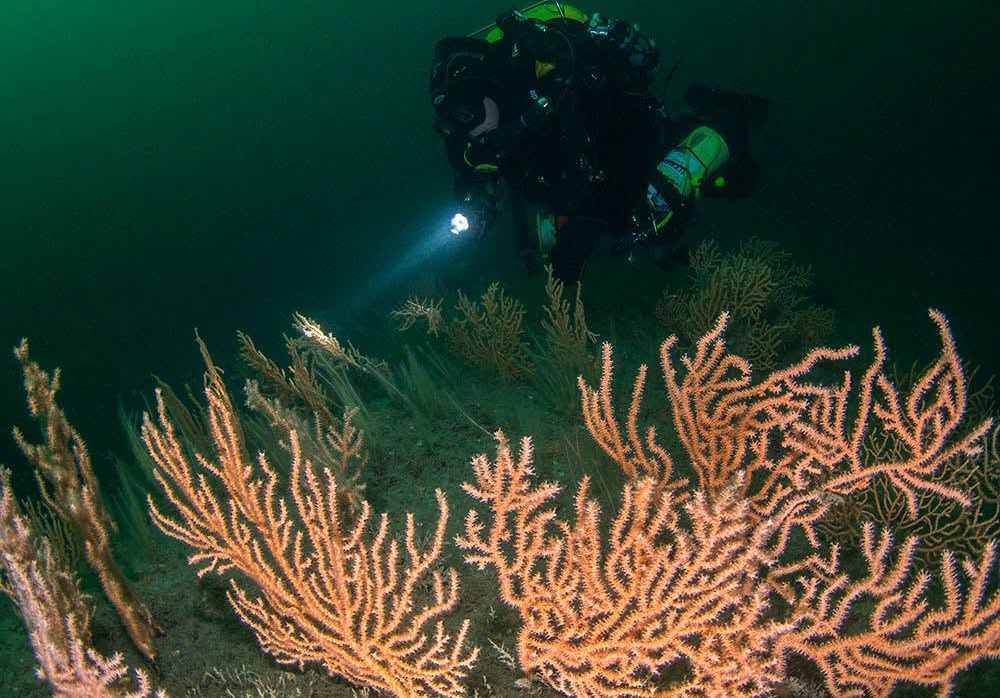
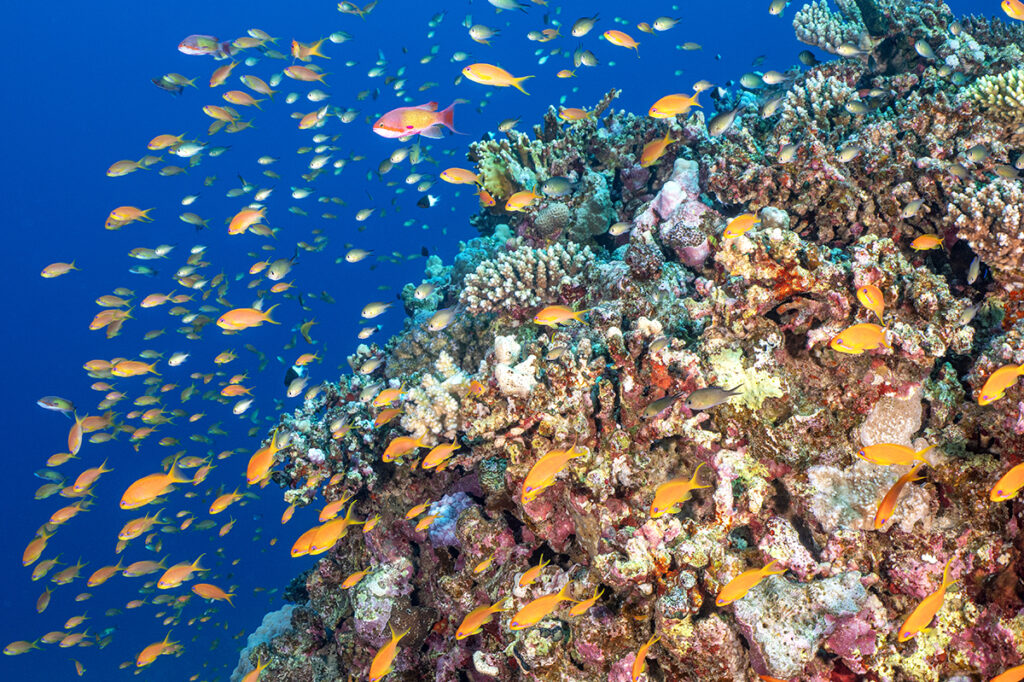
 Most of my diving takes place in the tropics. I am talking about water temperatures of around 28°C as a minimum, which is where I film most of my underwater work. Every now and then, though, I enjoy returning to the UK to explore the British coastline, which, in my opinion, is seriously underrated. Before basing myself in Asia, I was fortunate enough to dive all around the UK in mixed conditions. Cold water diving always requires a shift in mindset. There is more equipment, more weight, and dives tend to be shorter. The visibility rarely compares with what you find in places like Indonesia.
In November 2025, I was working on a project in Australia, diving in my usual tropical gear, when an opportunity came up to join Blue Green Expeditions on a trip to explore and dive in some of the coldest waters on the planet: Antarctica. It was the kind of opportunity that simply does not come along very often. There was just one small problem, though. I had just over a month to prepare.
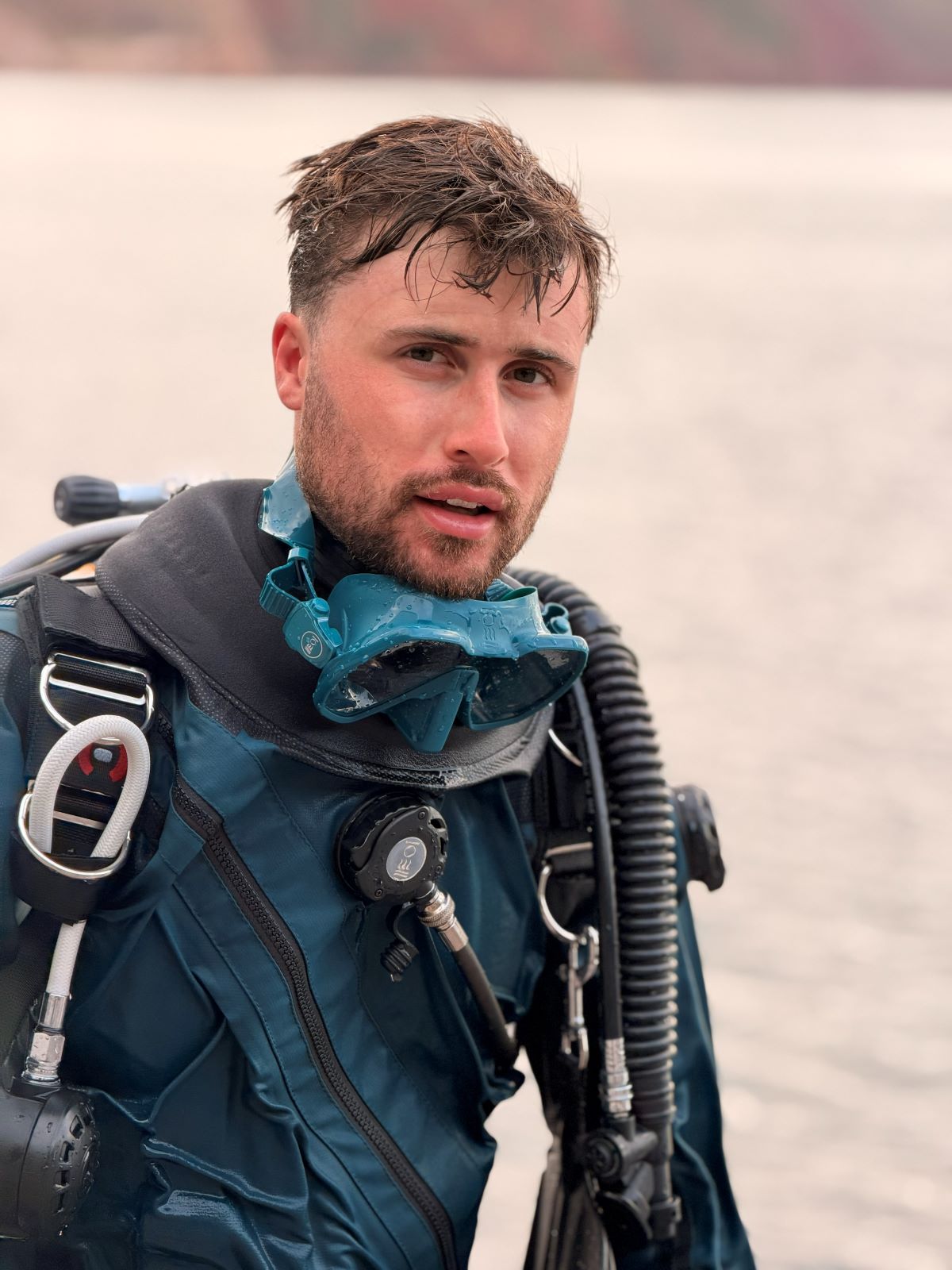
The first priority when preparing to dive Antarctica is simple: stay dry. A drysuit is one of the most important pieces of equipment for extreme cold water diving. I already owned a drysuit that I used in British waters, but it had always given me issues with the wrist seals, and more often than not, I would surface from a dive with wet arms. For Antarctica, that simply was not acceptable. Luckily, I work with an incredible company called Fourth Element, and we had already discussed building a custom drysuit for future technical projects. The problem was timing. I had to send a not-so-appreciated message asking if it might be possible to build a fully tailored drysuit in under a month, which is a big ask by any standard. Because this was such a unique opportunity, they did everything they could to make it happen, and somehow the suit was completed in just three weeks.
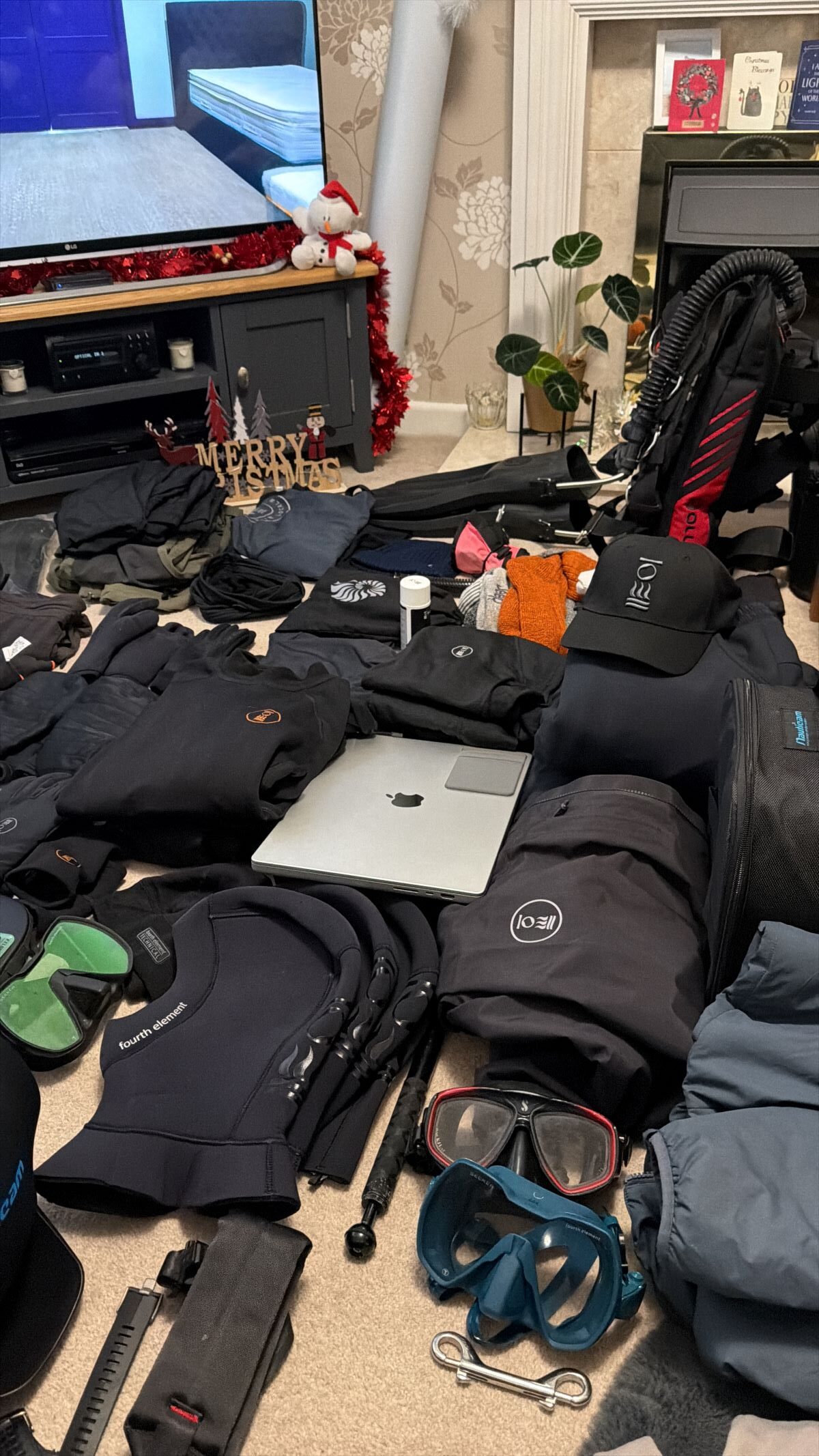
Next came the thermals. Once again, Fourth Element stepped in and provided some excellent undergarments for the expedition. I was even fortunate enough to test prototype versions of the Arctic X, which fitted my build perfectly and were designed specifically for extreme cold water environments.
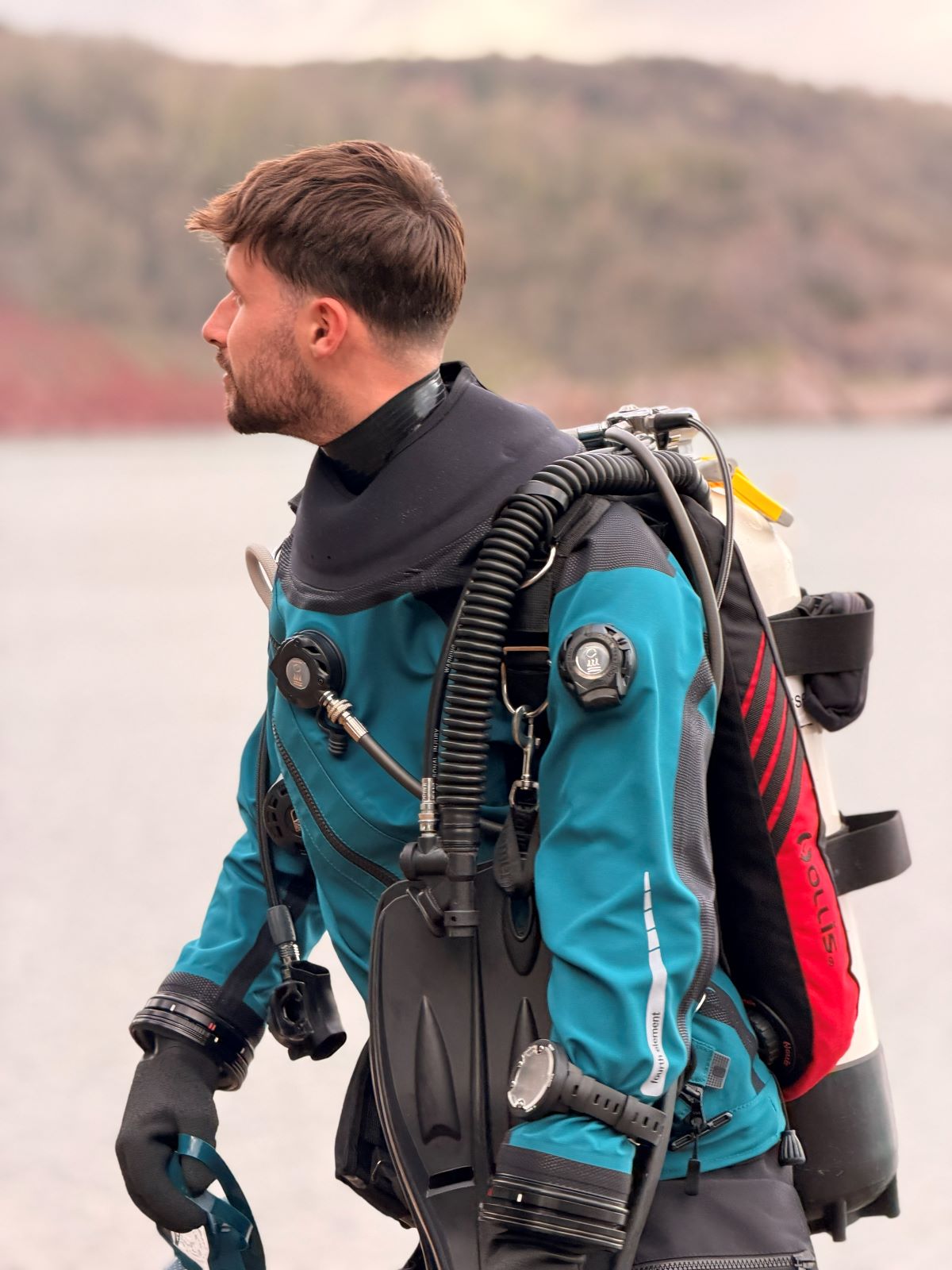 Gloves presented another challenge entirely. This trip would be my first real experience diving with dry gloves, and while most divers focus on warmth and comfort, I had an additional complication. I needed to operate a camera underwater. As a photographer and filmmaker, finger dexterity is critical, and tiny buttons, dials, and controls on a camera housing can quickly become difficult to manage when your hands are insulated by several layers. Finding the right combination of inner gloves quickly became a bit of an experiment. Normally, in the tropics, I dive with bare hands, and even in UK waters, I am used to just three or five millimetres of neoprene. Dry gloves felt like an entirely different world.
Regulators were another important consideration. In water temperatures close to freezing, a standard tropical regulator simply will not do, as the risk of regulators freezing and going into free flow increases dramatically in extreme cold. On the expedition vessel, we were using Y valves, which essentially provide two DIN outlets on a single tank. This allows divers to run two first stages and two second stages, similar to a twinset configuration, providing redundancy in case one regulator freezes. The complication for me was that some of my equipment was still in Indonesia, and the gear I had with me was configured for a single regulator setup. That meant some last-minute problem solving. I ended up servicing and reconfiguring my regulators just before leaving for the expedition. Any diver knows that servicing gear right before a trip is not always ideal, as normally you want plenty of time to test everything thoroughly, but in this case, I did not have much choice. The regulators were completed the day before departure.
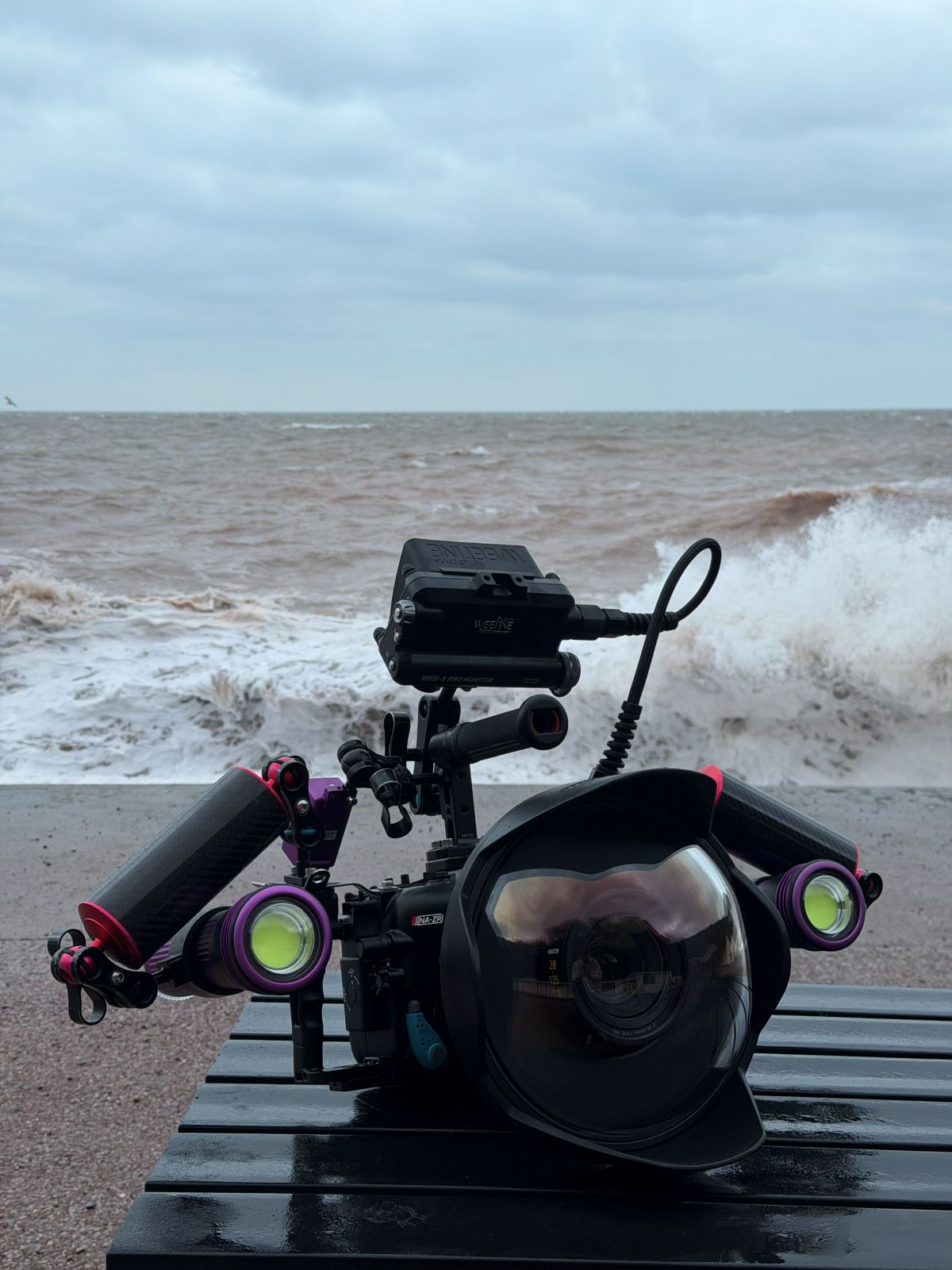 As if the equipment situation was not complicated enough, my main camera system was also still in Indonesia. Returning to collect it would have meant a major detour during an already tight travel schedule, so I made the decision to build an entirely new camera setup for the expedition. This was a bit earlier than I anticipated spending all my savings on getting a new rig. But if I was going to Antarctica, I wanted to capture the trip with the best possible gear. Fortunately, Nauticam helped make that possible. Alex Tattersal from Nauticam worked closely with me to organise everything in time, and in fact, the camera housing was ordered before the final design had even been completed. The camera itself had only just been released, and the housing was still in development, but luckily everything arrived just in time for the trip.
Before heading south, I managed to squeeze in one dive in the UK to test the new drysuit. The good news was that the suit worked perfectly. But typical British winter conditions meant around one metre of visibility. I had hoped to get a proper dive in with the full camera system, but the weather had other ideas. Strong winds and heavy swell meant I could not get in again when the camera arrived, so the first real test of the full setup would have to wait.
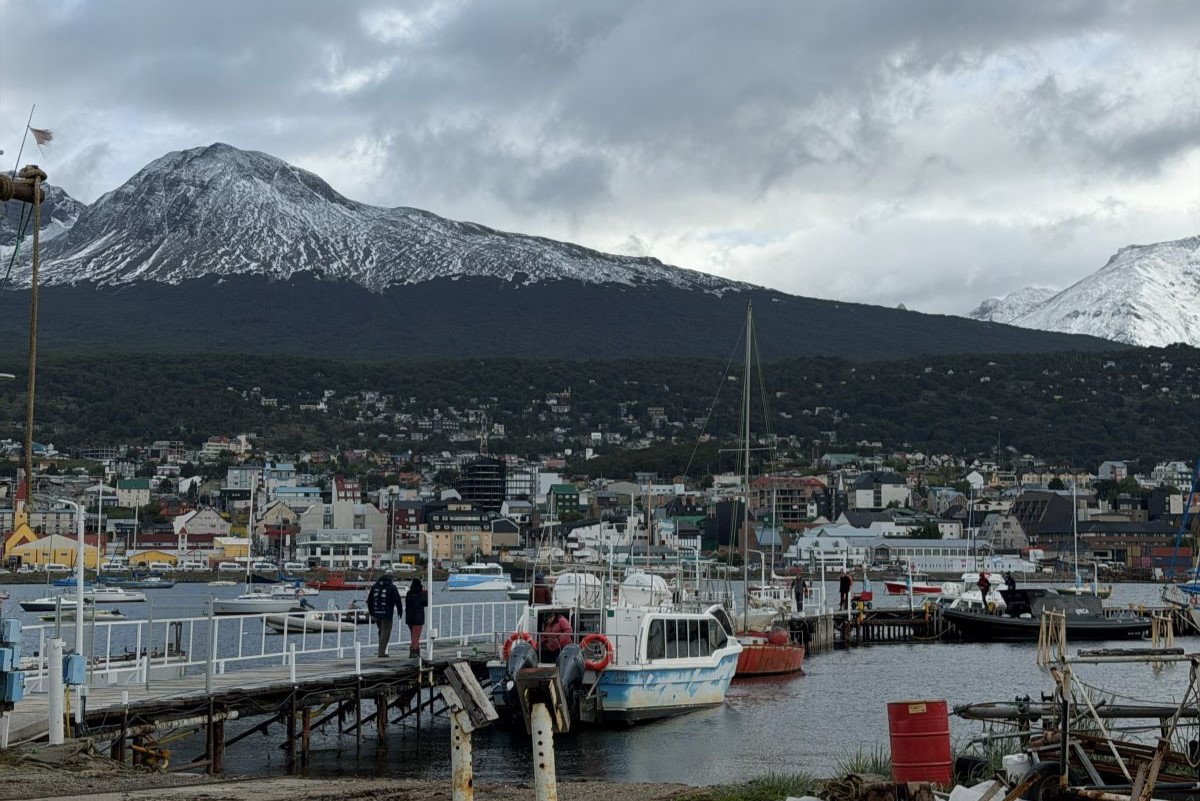
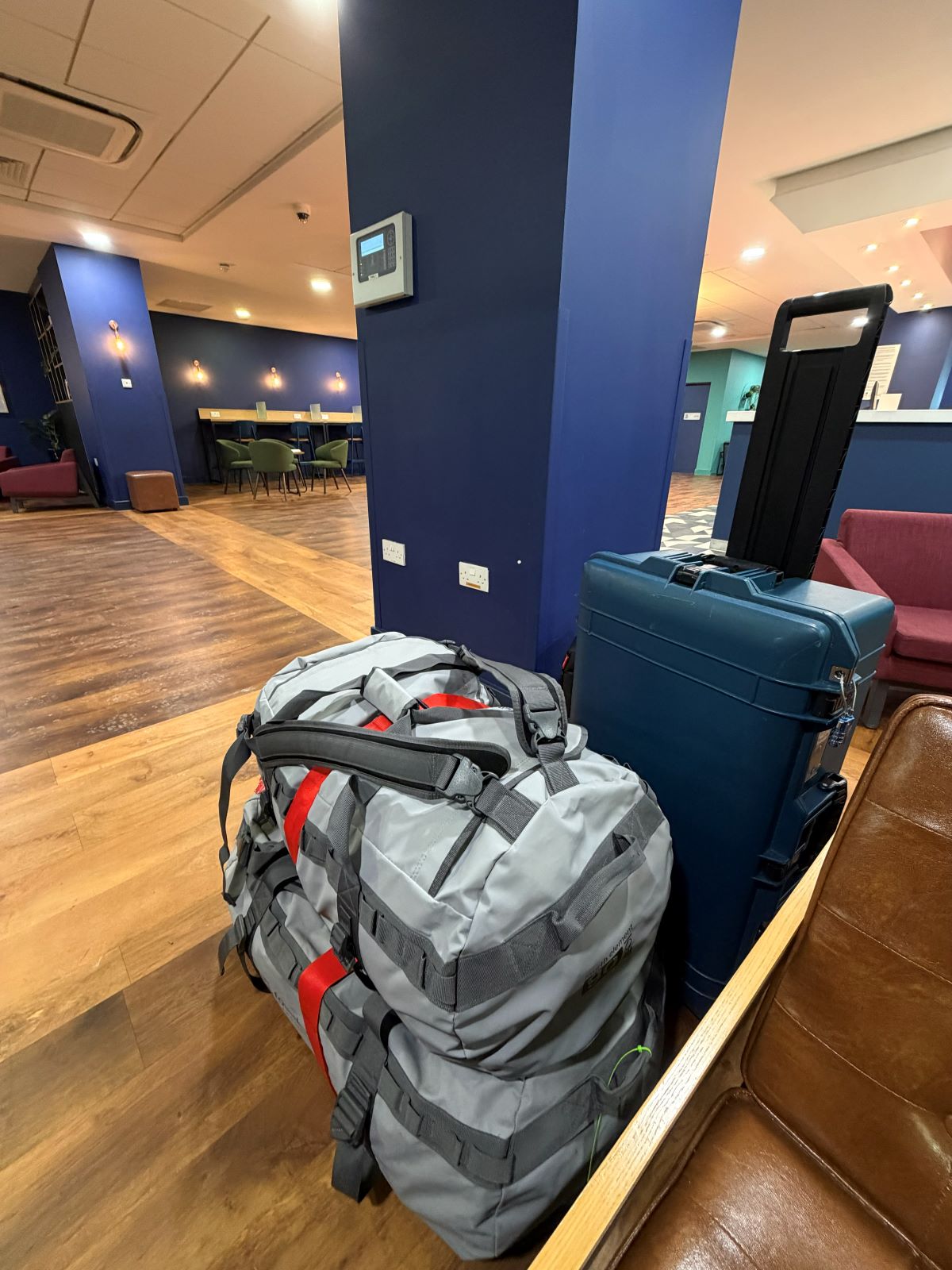
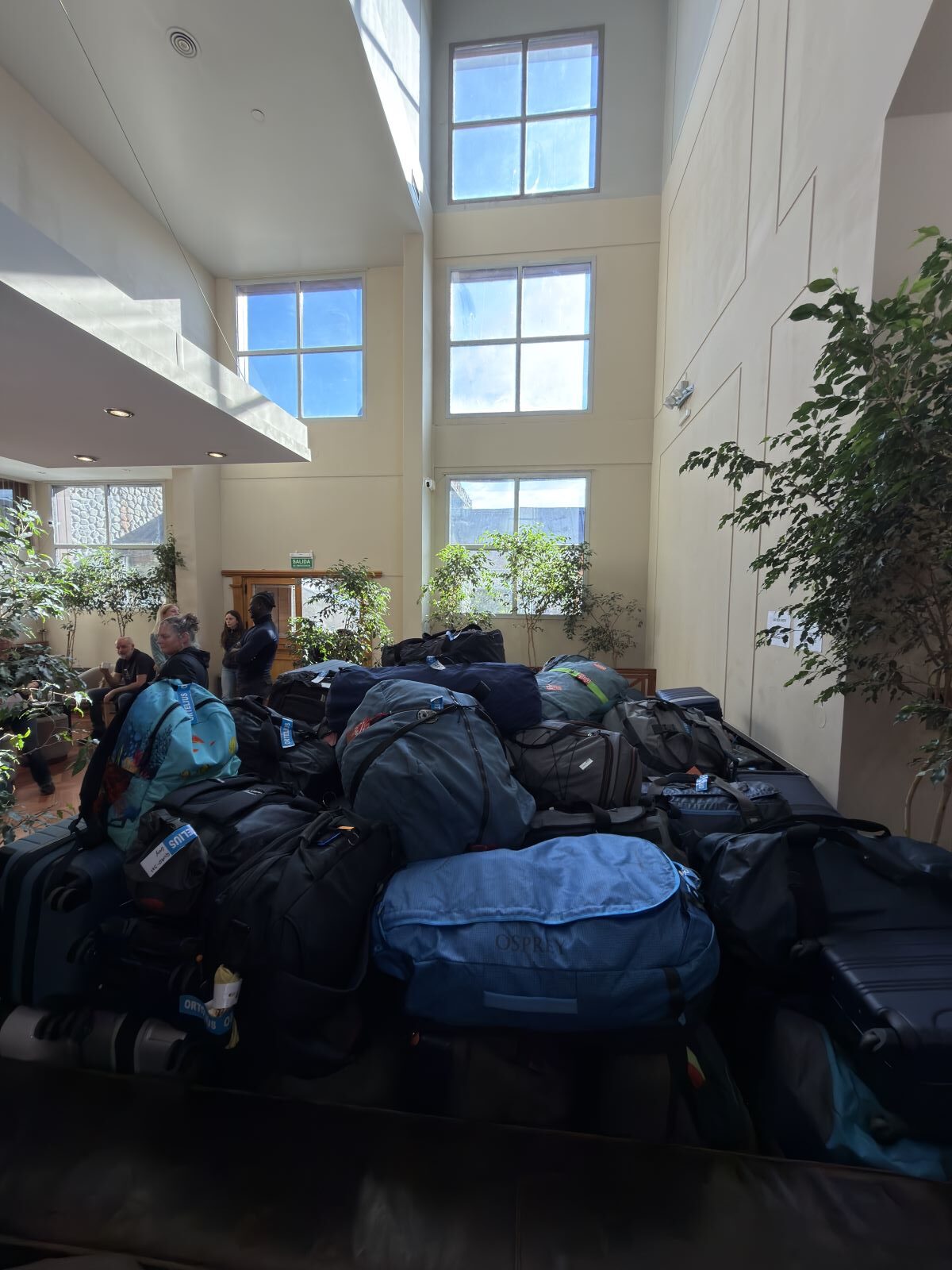
Getting to Antarctica is a journey in itself. There are generally two main routes, either via New Zealand or via Ushuaia in South America. Our expedition was departing from Ushuaia, so my route took me from London to Argentina. With three large bags of dive and camera gear, the logistics quickly became complicated, and my main goal was to book flights that would transfer my luggage all the way through without constantly needing to re-check everything. I ended up flying with a Spanish airline I had never used before, connecting through Madrid before continuing to Buenos Aires and finally Ushuaia. Travelling solo with that much equipment definitely adds a layer of anxiety. Three bags was more than I had ever travelled with before, and with brand new equipment inside, I spent a lot of time hoping everything would actually arrive with me. At the airport, checking the bags took nearly an hour as staff processed the additional luggage. Stressful at the time, but worth it, because when diving somewhere like Antarctica, it is always better to have the gear and not need it than to need it and not have it. That may have been my mindset of why I packed lots of thermals and four neoprene hoods, as well as the idea of swapping them out so I didn’t have to put on a cold, wet hood before entering freezing waters.
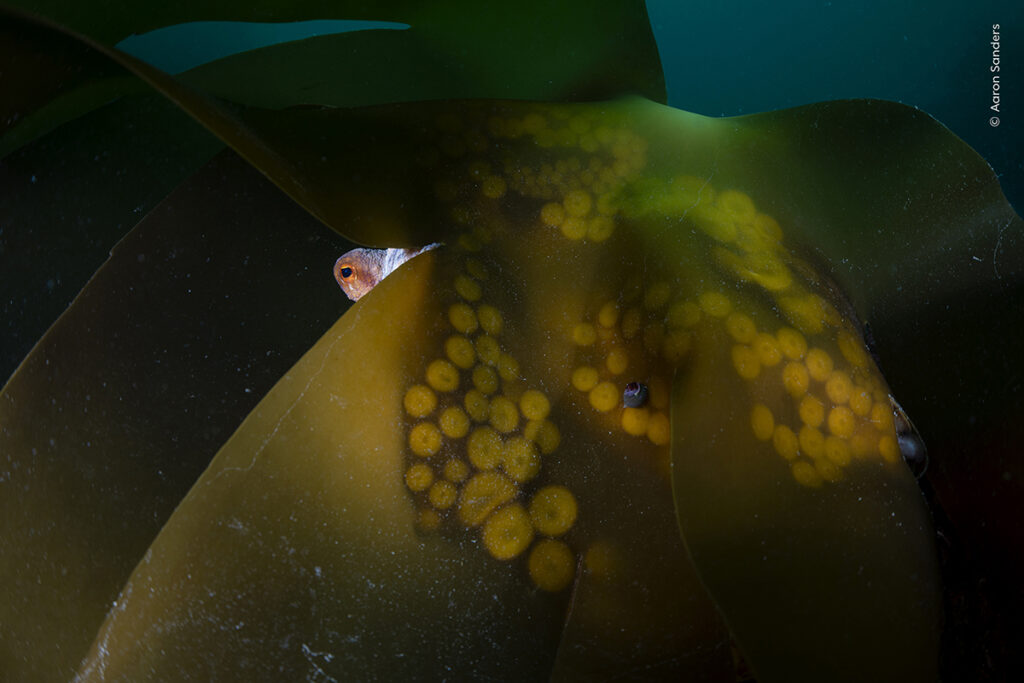
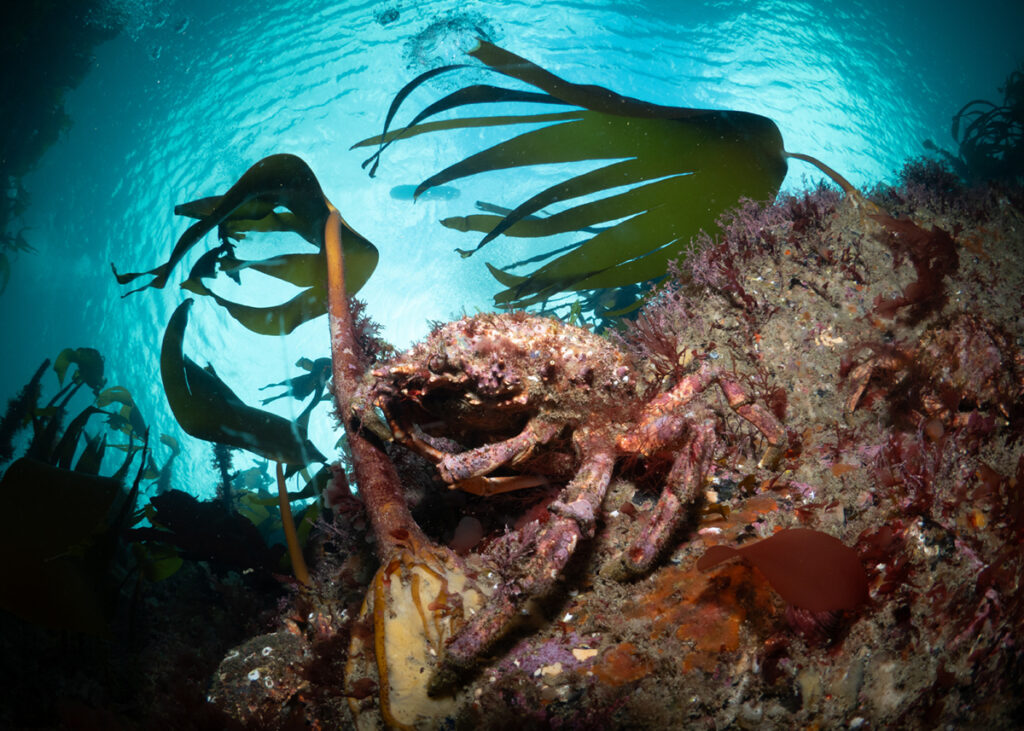
Once I arrived in Ushuaia, there was one more thing I wanted to do before boarding the expedition vessel, and that was a test dive. I needed to confirm that everything worked properly, including regulators, drysuit, weighting, and gloves, before reaching Antarctica. The last thing I wanted was to spend the first dives troubleshooting equipment instead of focusing on filming. We headed out on a small RIB in fairly windy conditions, and once we dropped beneath the surface, we descended into an incredible kelp forest. I have dived kelp forests many times in the UK, but this one felt different. Huge fronds stretched towards the surface while sunlight filtered through the canopy in golden beams, creating a surreal underwater landscape that felt almost magical. It was one of the most beautiful temperate water dives I have ever done.
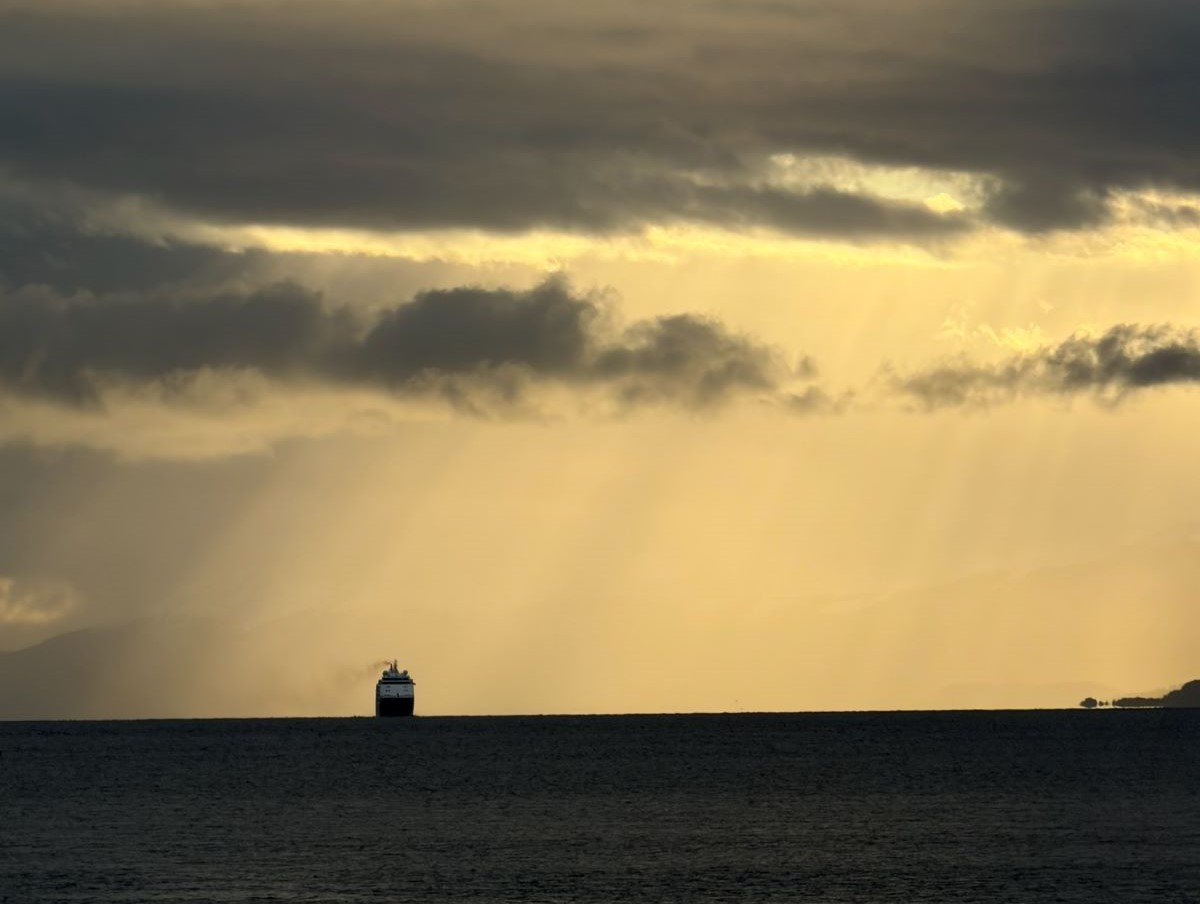
For this dive, I intentionally left the camera behind. My only goal was to test the equipment and experiment with glove configurations that would give me better dexterity while still keeping my hands warm. By the time we surfaced, I felt confident everything would work when it mattered.
That dive in Ushuaia marked the final step in preparation. By that point, my new drysuit had already completed its first two dives on two different continents, with the next dive for it on another continent. A pretty good start. Standing on the edge of Antarctica, I felt a mix of excitement and anticipation. Diving in one of the most extreme environments on Earth comes with its own challenges, and there is always a small voice in the back of your mind wondering whether everything will go exactly to plan. Will the regulators behave? Will the equipment perform? Will the conditions allow us to capture the images we are hoping for?
Soon enough, we would find out.
Because the next stop was Antarctica.