The Shark Trust at Sharks International 2026
 Sharks International
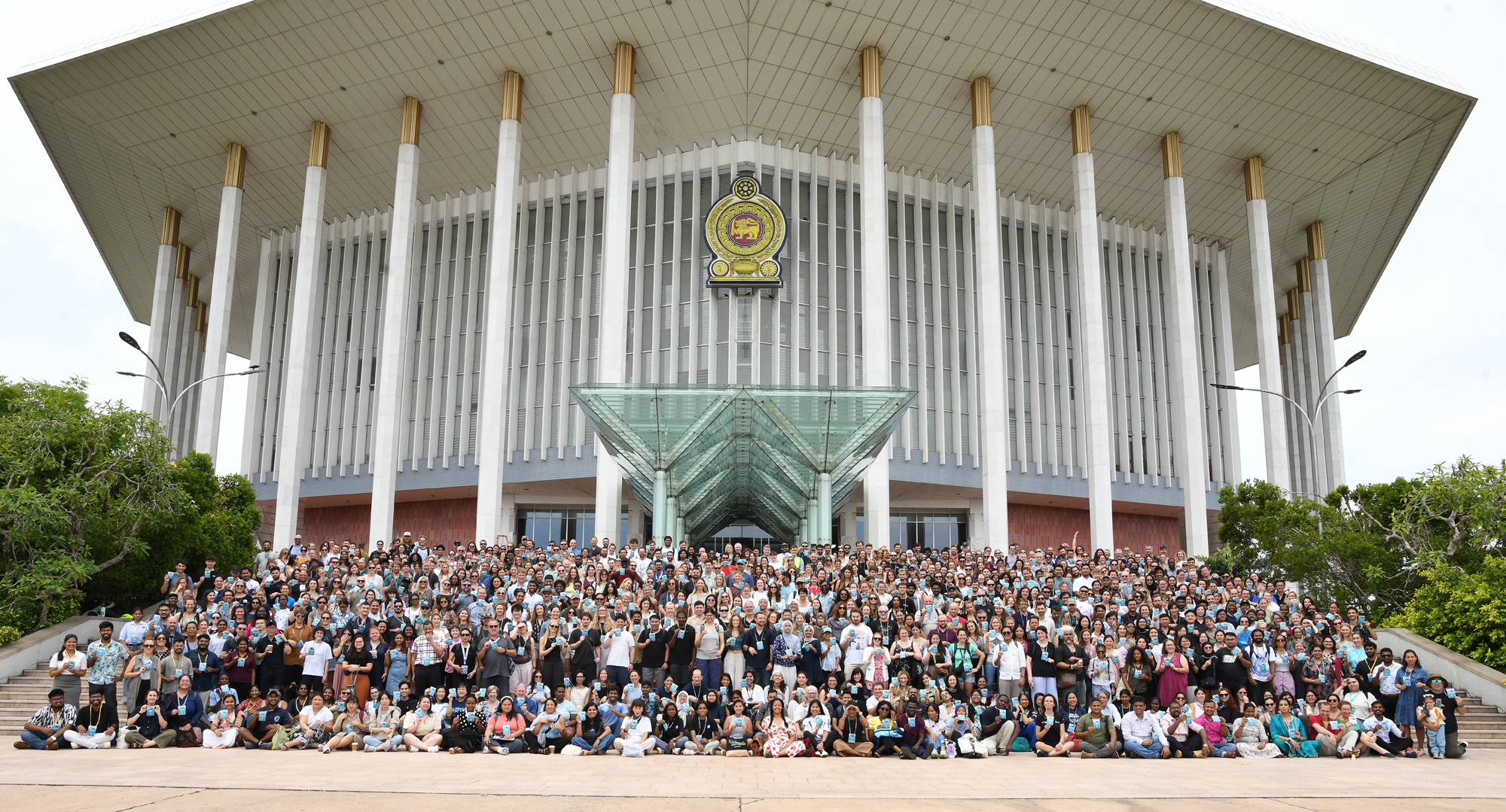
As the name suggests, is an international conference bringing together those working on – or simply passionate about – sharks (along with rays and chimaeras of course). Previous conferences have been in Cairns (Australia), Durban (South Africa), João Pessoa (Brazil), and Valencia (Spain – where the Shark Trust co-hosted with Submon and Lamna), and this year it was time for the conference to be hosted in Asia. Blue Resources Trust welcomed delegates at the Bandaranaike Memorial International Conference Hall in Colombo, Sri Lanka from 4th – 8th May for an exceptional week of inspiring talks, and the chance to build connections and collaborations.
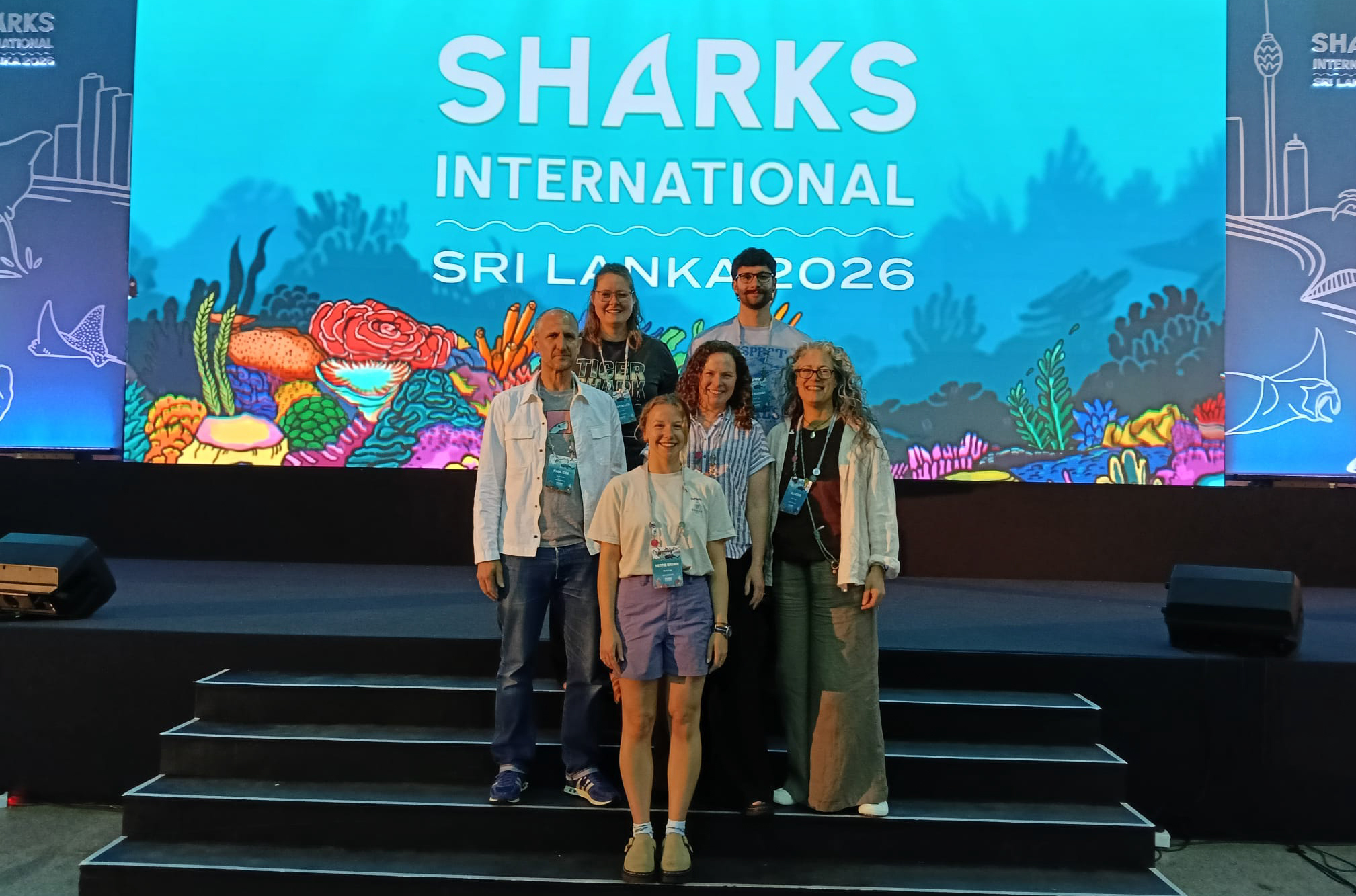
Some of the Shark Trust team have just arrived back, and what a whirlwind it’s been…
The conference brought together more than 800 delegates from over 80 countries. More than 600 presentations were given, along with workshops, panels, side events, and discussions…all dedicated to sharks, rays and chimaeras.
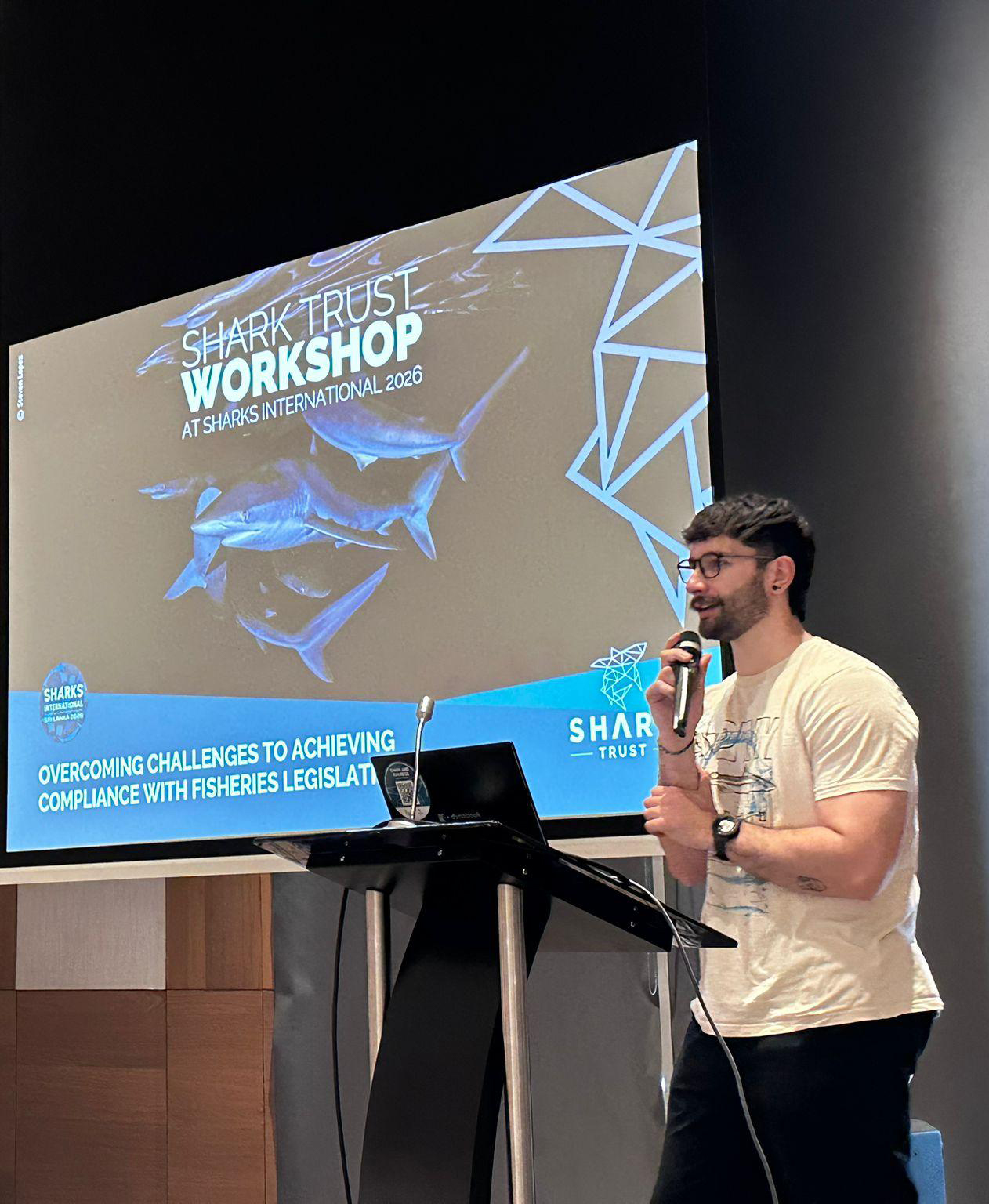
Ahead of the conference starting, the Shark Trust hosted a workshop on Overcoming Challenges to Achieving Compliance with Fisheries Legislation, led by Fisheries Conservation Officer, Jack Renwick. This workshop brought together experts to share issues they are encountering and develop solutions to these. The team also contributed to workshops on Species conservation planning for sharks; Maximising the potential of elasmobranch strandings data; Creating effective species identification tools; Tiburones y Rayas: a project for Spanish-language elasmobranch promotion; and Strengthening science-policy links for shark and ray conservation and management in tuna RFMOs, amongst others. From the moment the first workshops began, it was clear this would be a week packed with conversations about sharks and their future in the Ocean.
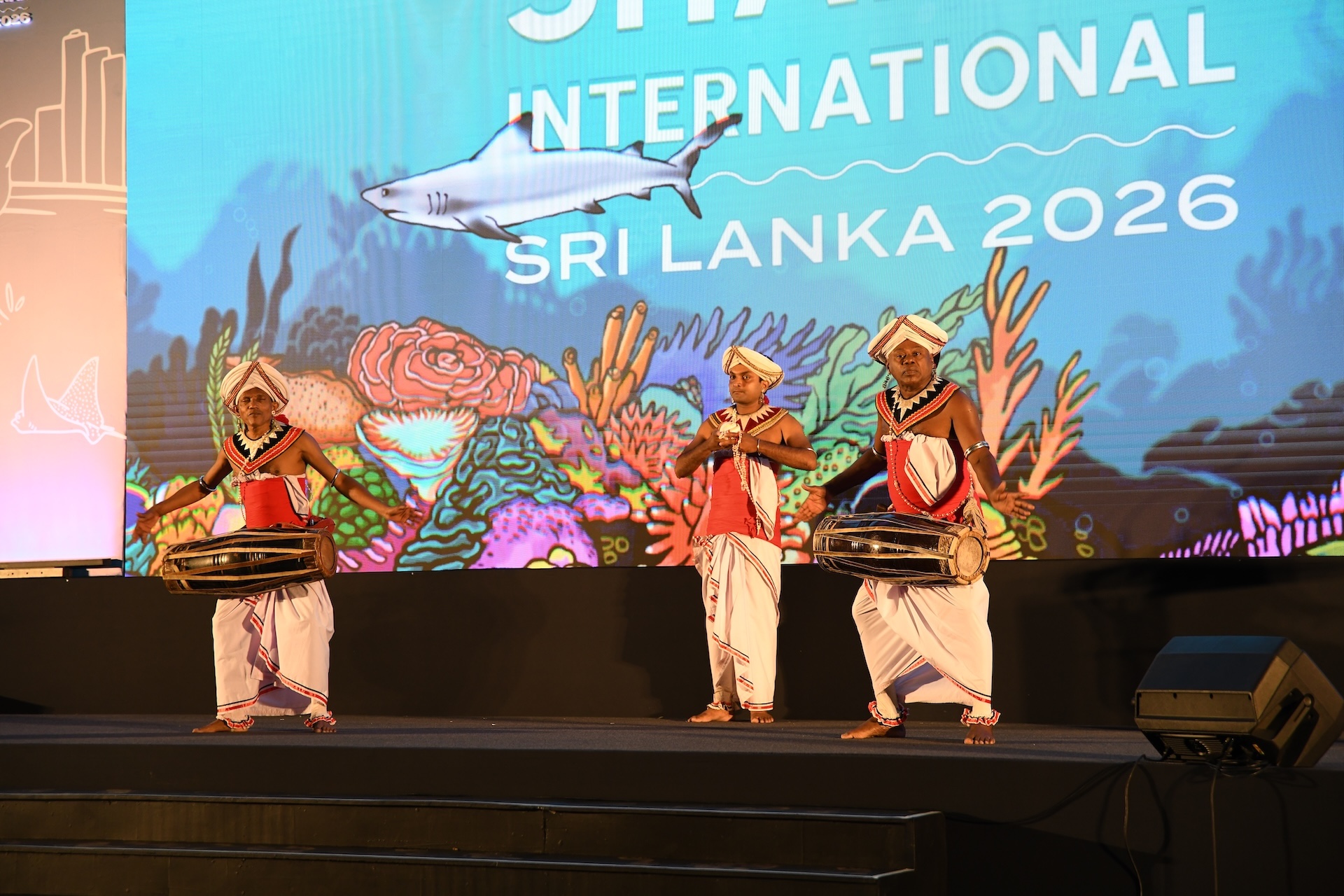
Sunday evening’s opening reception was a celebration of Sri Lankan culture with fire dancers, live music and a taste of the country’s incredible cuisine. Giving the perfect backdrop to allow us all to reconnect with colleagues from around the world, as well as make new acquaintances.
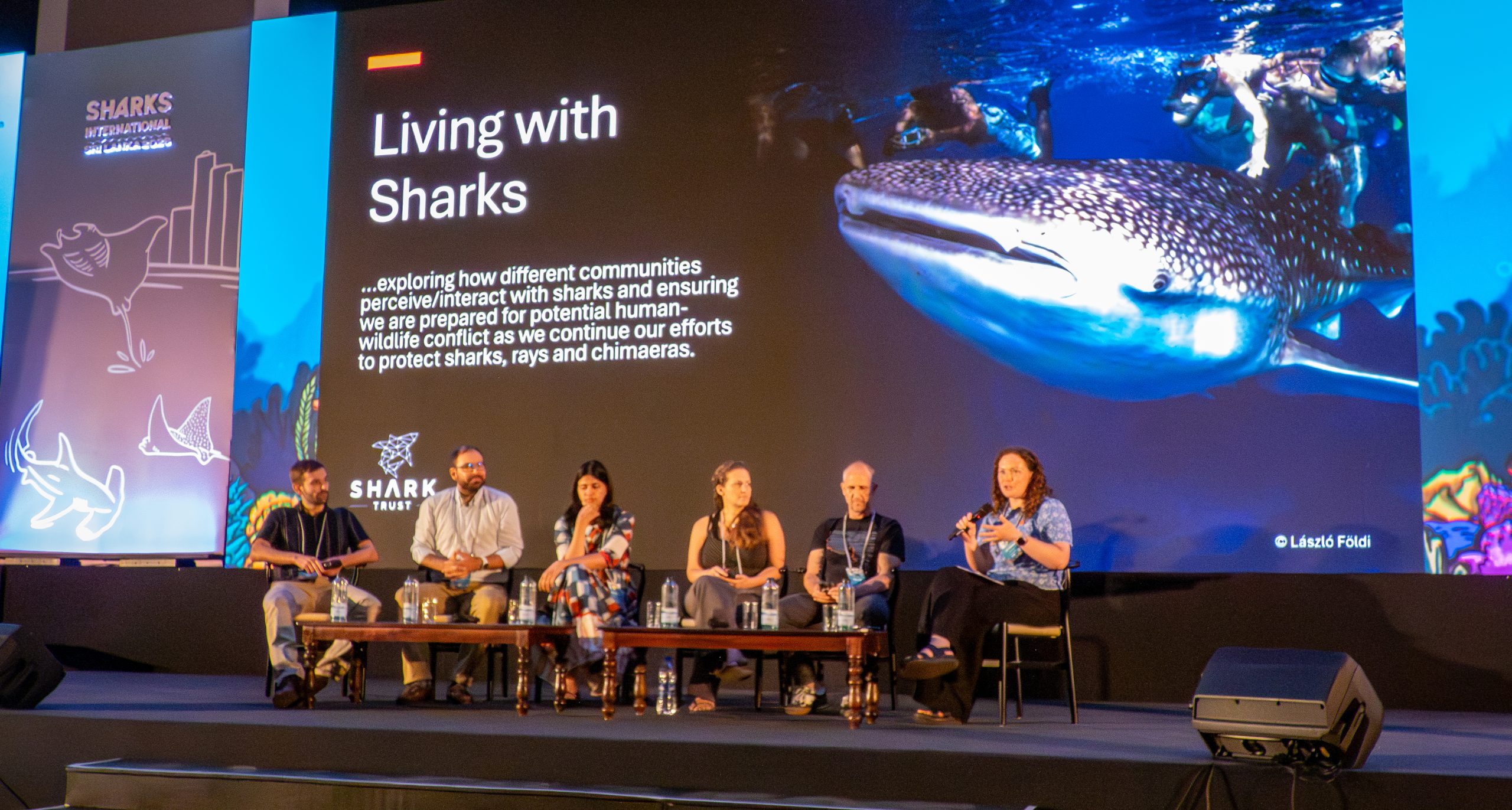
The Shark Trust’s newest programme of work, Living with Sharks, was profiled during a themed session facilitated by Cat Gordon (Senior Conservation Officer) and Paul Cox (CEO), which brought together talks exploring the drivers of human-shark conflict and how we can strive for coexistence. As part of this session, Cat moderated a panel discussion featuring Dr Jonathan Mitchell on shark depredation (where a shark takes all, or part of a fisher’s catch or fishing gear), Dr Divya Karnard on small-scale fishers and the importance of education, Dr Gonzales Araujo exploring ecotourism and the use of codes of practice for interactions with sharks, Dr Adi Barash on communicating beach safety amongst communities, and Paul Cox on the use of effective communication strategies. The session explored the realities of human-shark interactions, from fisheries to tourism and coastal use, looking at how we can navigate coexistence without undermining conservation progress.
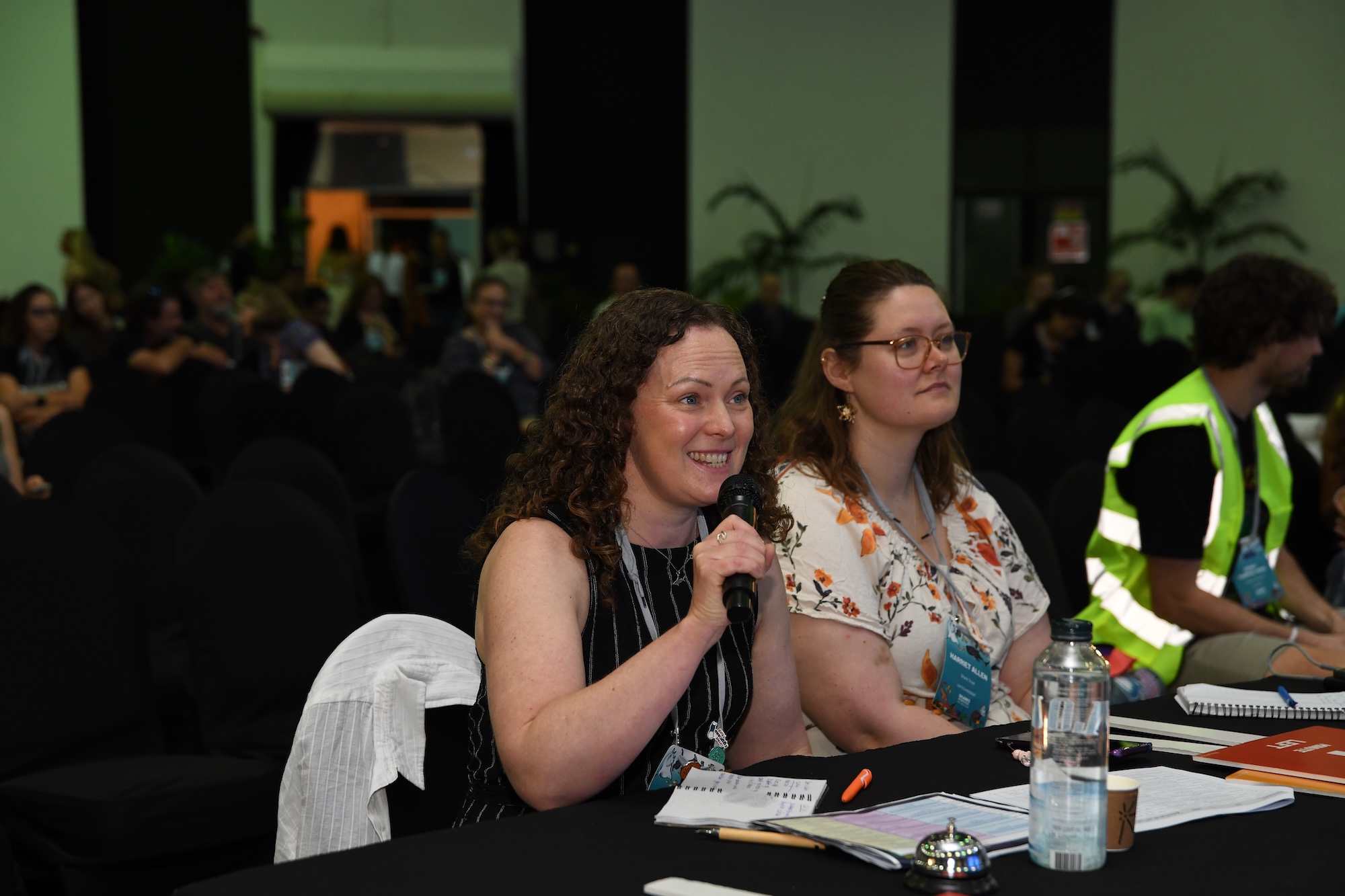
By Wednesday, the spotlight turned to community/citizen science with a themed session on Sharks and Community Scientists: The Power of Collection Action. Facilitated by Cat and Harriet Allen (Data Analyst), this session celebrated the many ways communities around the world are contributing to shark science and conservation. The momentum continued into a lunchtime side event Celebrating Community Science in the Shark World which invited organisations and individuals to take to the stage to put a fast-paced 90 second spotlight on their project. An interactive discussion explored how community science initiatives across the world could better connect, collaborate and learn from one another.
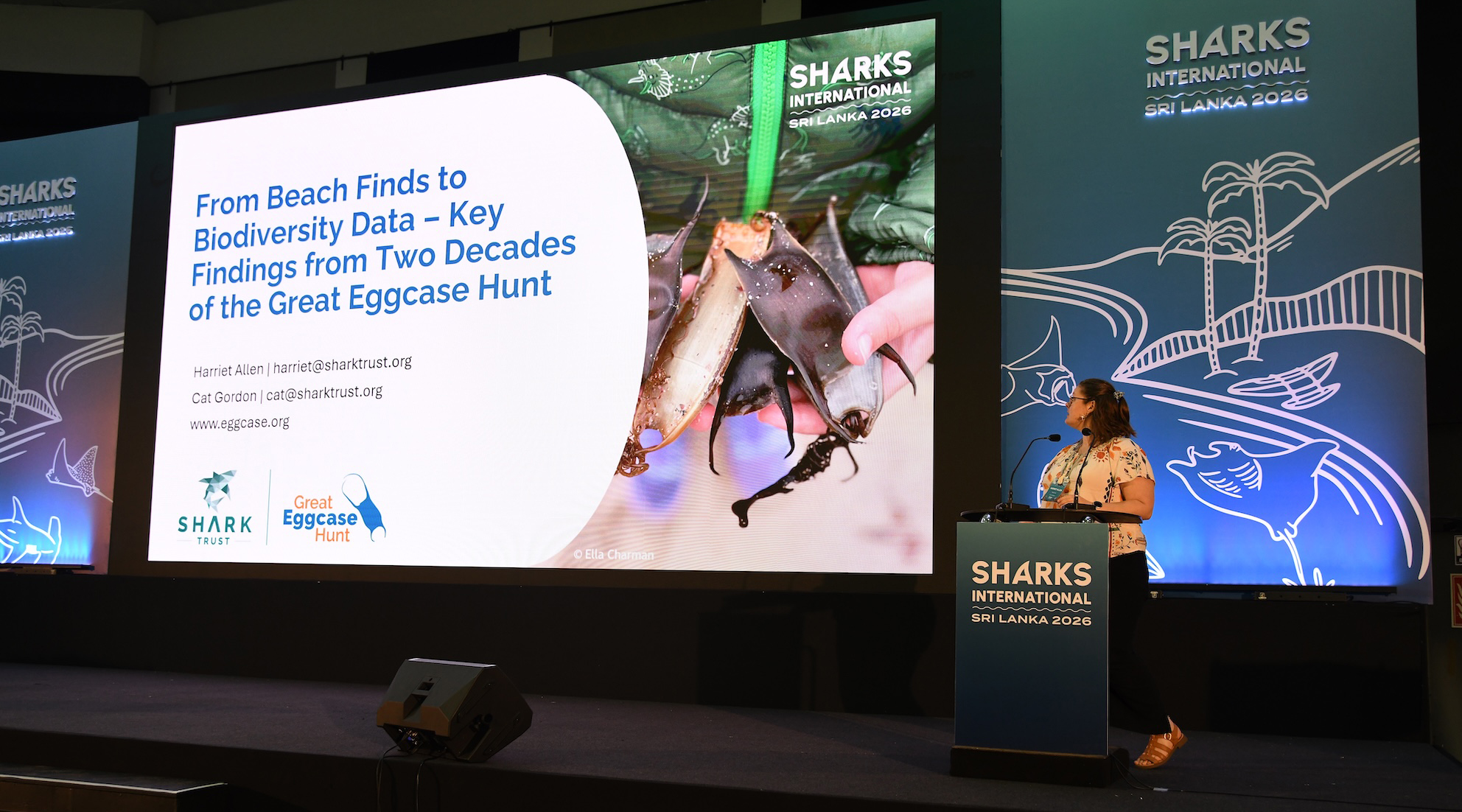
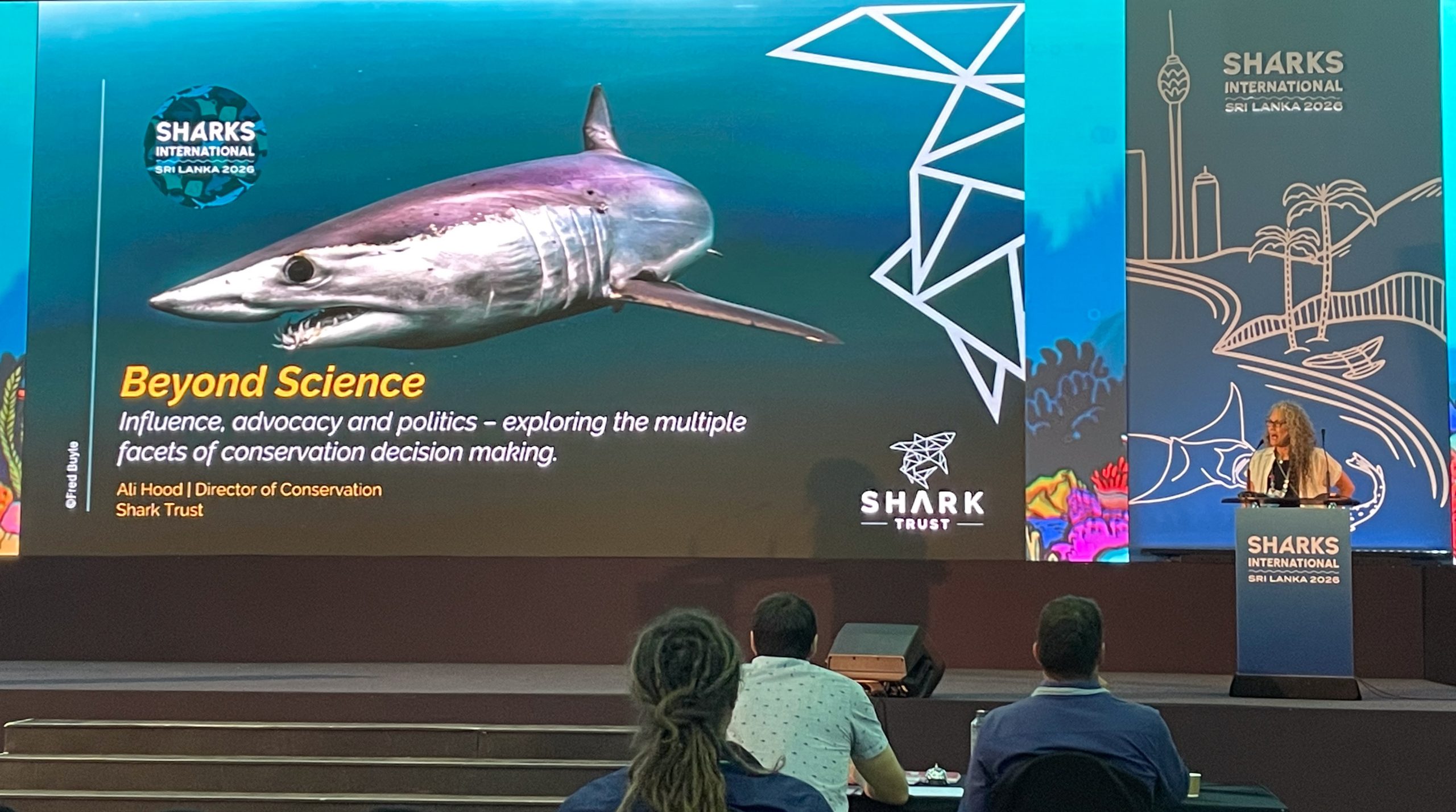
Throughout the week, the Shark Trust presented talks and posters covering key findings of the Great Eggcase Hunt (Harriet); the complexities of conservation decision making (Ali Hood, Director of Conservation); how to communicate shark conservation issues (Paul); fisheries dynamics for guitarfish in Tunisia (Hettie Brown, Conservation Officer); coordinated action through the Angel Shark Conservation Network (Cat); and communicating regulations to support sustainable fisheries (Jack).
Beyond the presentations and packed conference halls, Sharks International 2026 was a reminder of the power of global collaboration. Conservationists, advocates, researchers, students, policymakers, and communicators, all came together with a shared purpose: securing a future for sharks, rays and chimaeras.
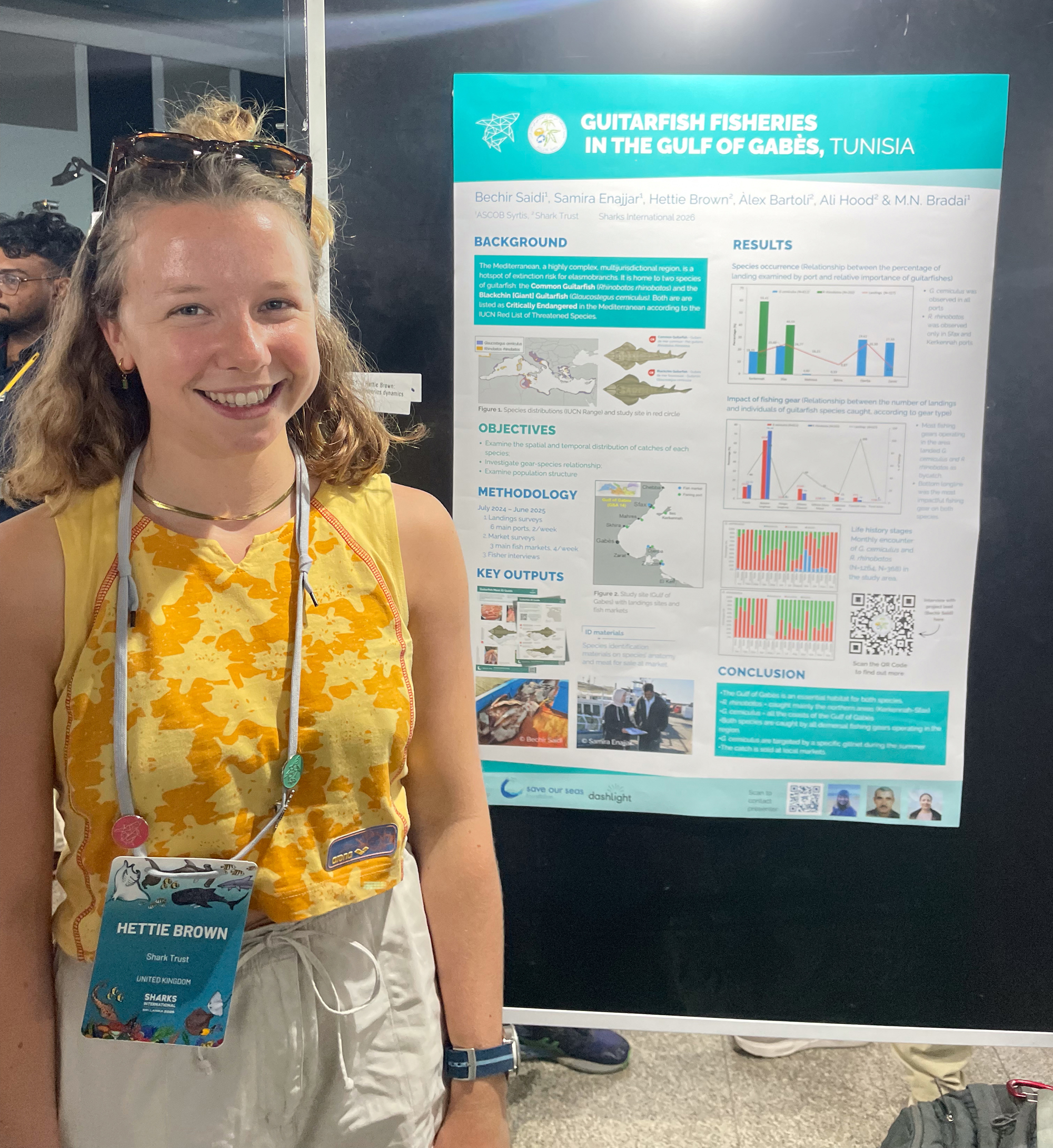
The Shark Trust team is returning home inspired and full of ideas (and yes, tired!) – but we can’t wait to put all those ideas into action.
The conference takes place every four years, and in 2030 it will travel to Malaysia where the Marine Research Foundation will host it in Kota Kinabalu, Sabah – on the island of Borneo.