Beyond the Blue: Looking Past the Big Stuff
Why macro life in the Red Sea has been hiding in plain sight
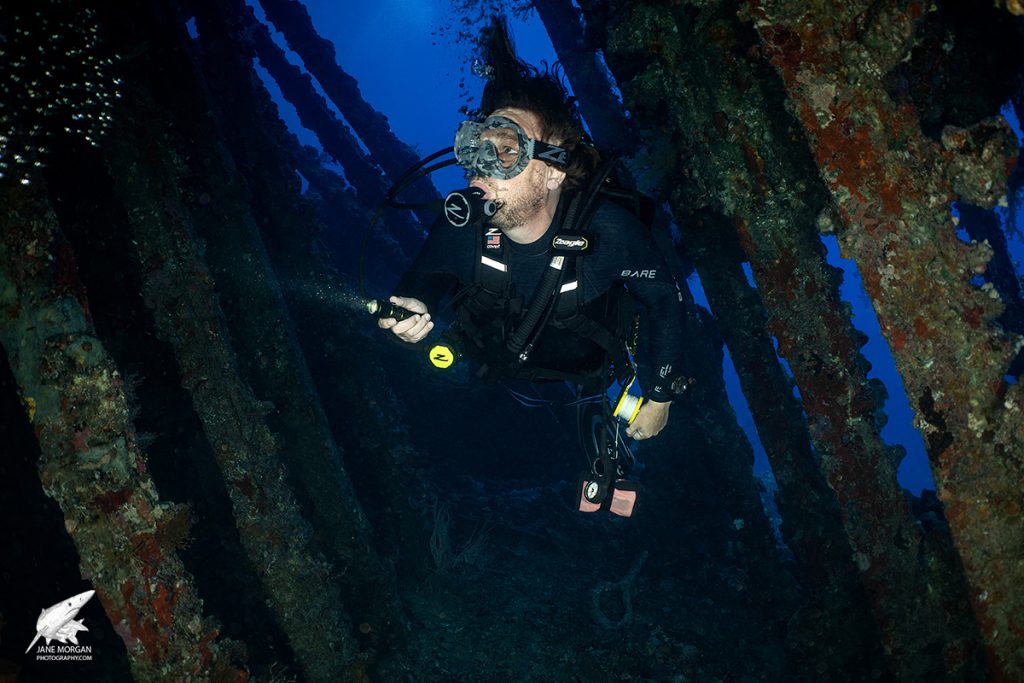
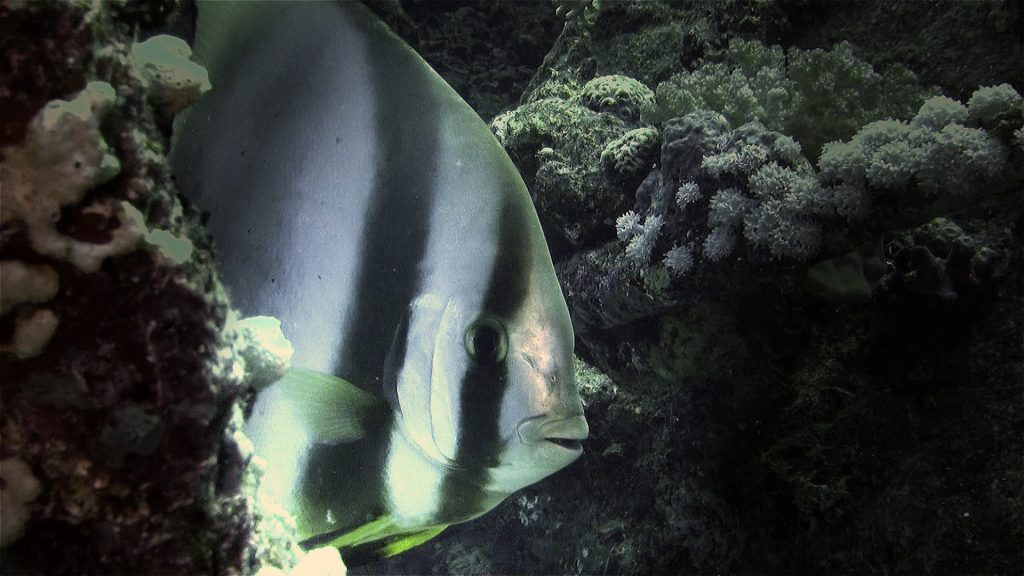
For British divers, the Red Sea has always meant something very specific. It is where you go for clear water, reliable conditions and some of the most iconic diving itineraries in the world. The northern wrecks and reefs route, with its roll call of legends like the Thistlegorm and the Abu Nuhas wrecks, including the Giannis D, Carnatic and Chrisoula K, is practically a rite of passage. There are the buzzing reefs of Sharm el Sheikh and Ras Mohammed in the summer months, alive with fishlife and colour. Dolphin reefs where encounters feel almost expected. And further offshore, the deep drop-offs of Brothers, Daedalus and Elphinstone, where strong currents and blue water promise pelagics appearing out of nowhere.
That is the Red Sea most divers recognise.
It is dramatic, energetic and unapologetically big. Wide-angle diving at its best. And for good reason.
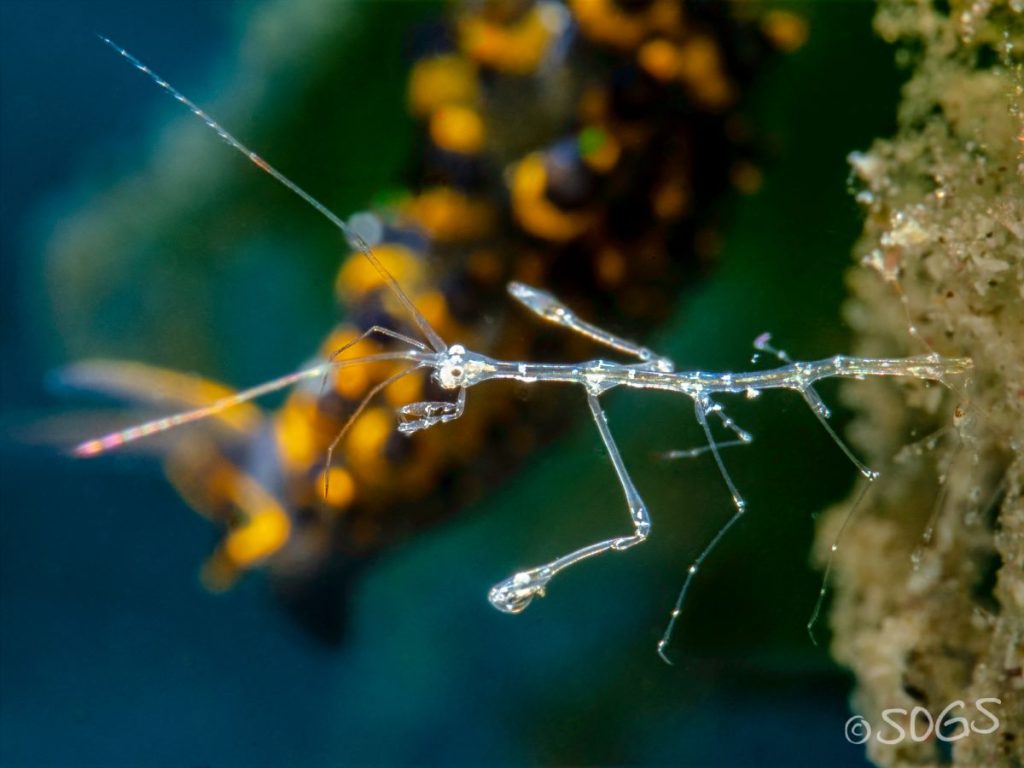
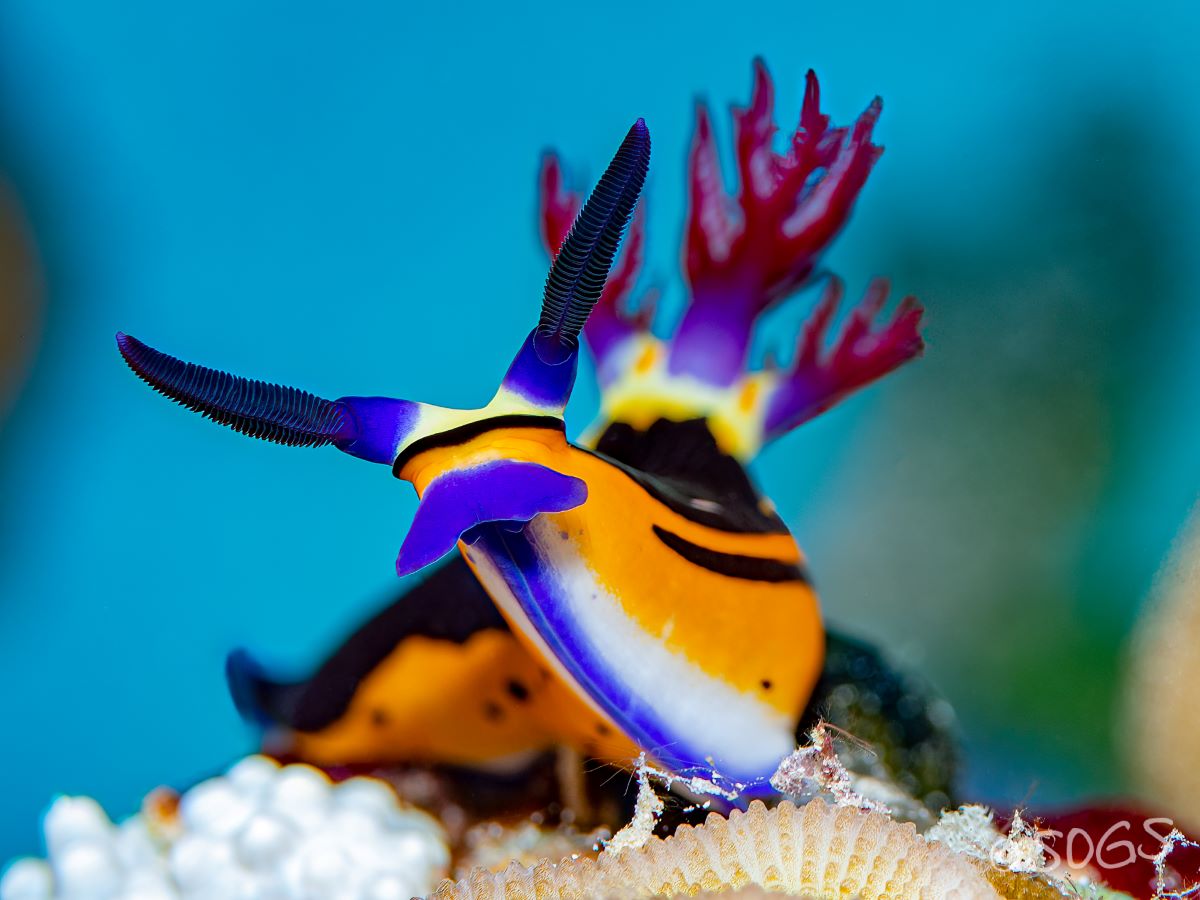
Macro, by comparison, was barely part of the conversation. Not even secondary, just something you occasionally stumbled upon if you were paying attention. You might come across a solitary pyjama slug during a dive, or maybe spot a Nembrotha if you were particularly lucky, but you didn’t associate the Red Sea with macro in any meaningful way. Shrimps were largely limited to the novelty of glass cleaner shrimps being tempted onto your hand as a dive guide’s party trick. Entertaining, yes, but hardly the stuff of serious photographic ambition.
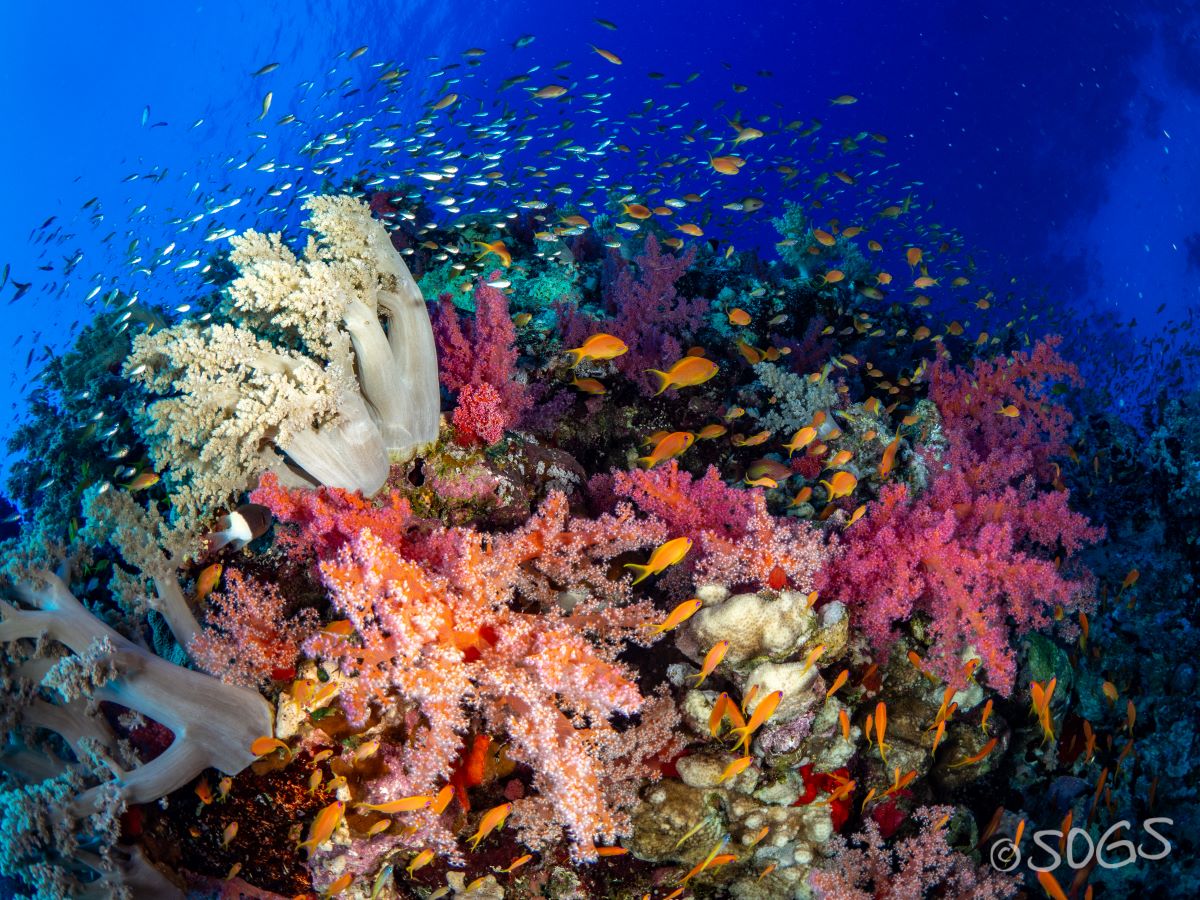
Photography reflected that mindset. The classic Red Sea image has always been wide-angle. A pinnacle layered with pristine hard and soft corals, anthias pulsing out of the top like living confetti, set against an impossibly blue background. It is a beautiful shot, and one most photographers want in their portfolio. That aesthetic defined the region.
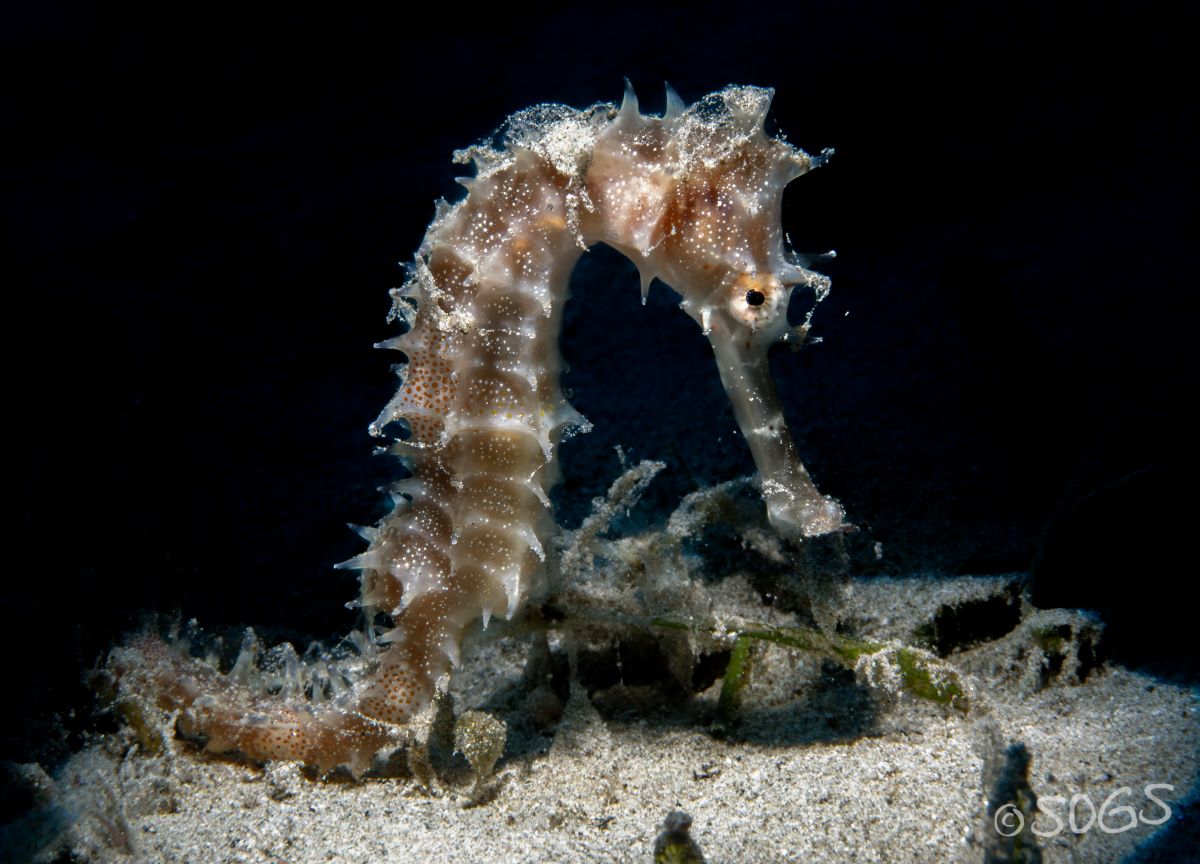
Even when shore diving, lens choice followed the same logic. Seagrass beds were marketed almost exclusively for large grazing green turtles, or the elusive dugong. If you had one dive there, you would almost certainly take a wide-angle lens, hoping for that iconic turtle-on-seagrass image, not thinking about what else might be living between the blades.
Part of this comes down to how most people dive the Red Sea. Daily boats and liveaboards are largely guided, and understandably so. Guides are responsible for navigation, timing, currents, and most importantly, the safety of a group. They are also diving sites that already offer more than enough to keep guests engaged without having to search closely. If a guide has their head buried in the reef looking for critters, they risk missing something big in the blue, or losing track of their group. That doesn’t make macro impossible, but it does push it down the priority list.
Macro, when it appeared, tended to sit at the margins of a trip. Perhaps on the check dive at the start of the week, or the final dive before flying. Even now, on a liveaboard, I would still shoot wide-angle for most of the week. The Red Sea lends itself to that.
What has changed is not the presence of macro life, but how and where people are diving.
Independent shore diving is becoming more common, particularly in the southern Red Sea. Without a group to manage, without a fixed route to follow, and without the pressure to move on, divers suddenly have time. Time to slow down. Time to stay shallow. Time to stare at what looks like nothing until it becomes something. The shift didn’t come because the Red Sea changed. It came because I did.
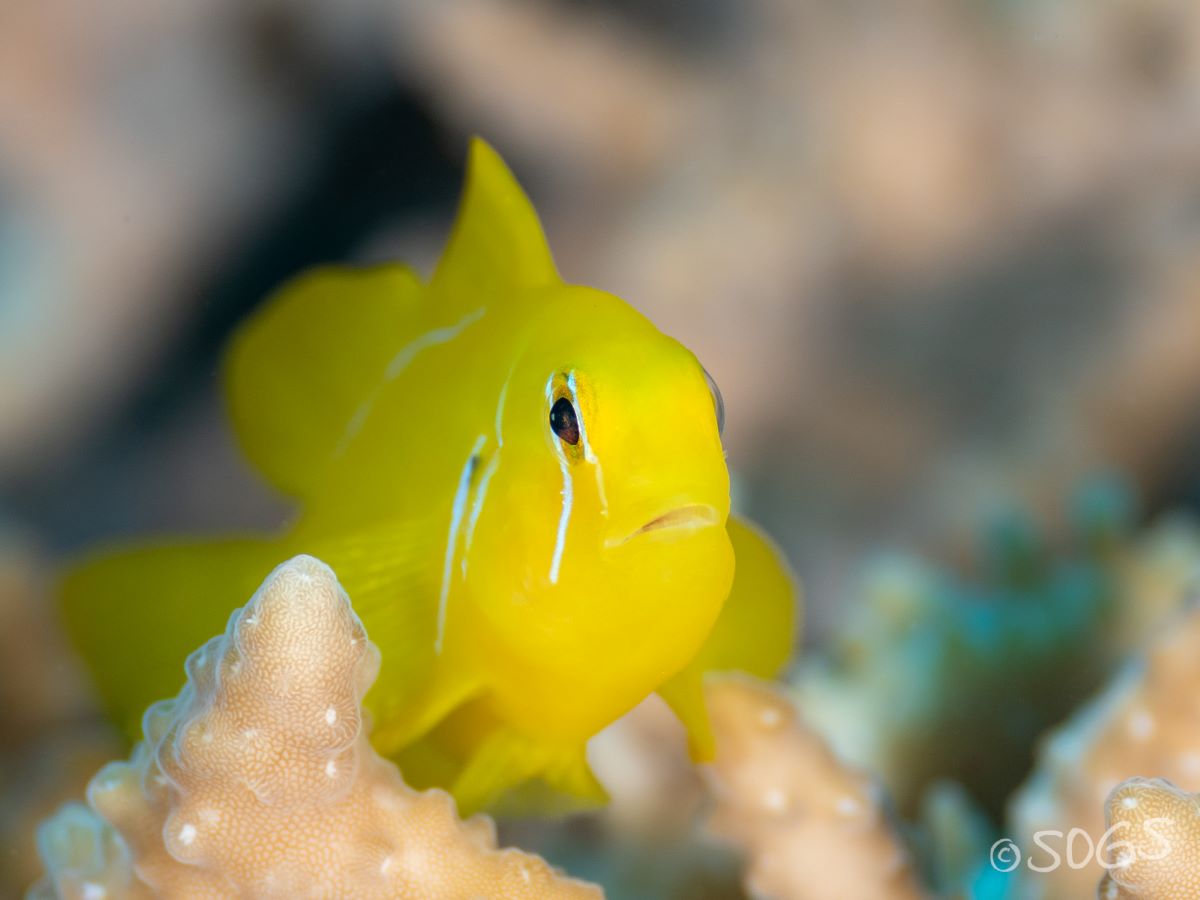
From a photography point of view, that shift changes everything. You are no longer chasing a single wide-angle shot for the dive. Instead, you are building images slowly, working a subject, adjusting your position, waiting for behaviour, and sometimes accepting that the shot just is not there. It is less immediate, but far more deliberate. And in the Red Sea, that challenge is amplified. You are often working around healthy, complex reef structures, where subjects are tucked away, partially hidden, and not always accessible without risking contact. Finding something small is one thing. Photographing it well, and responsibly, is something else entirely.
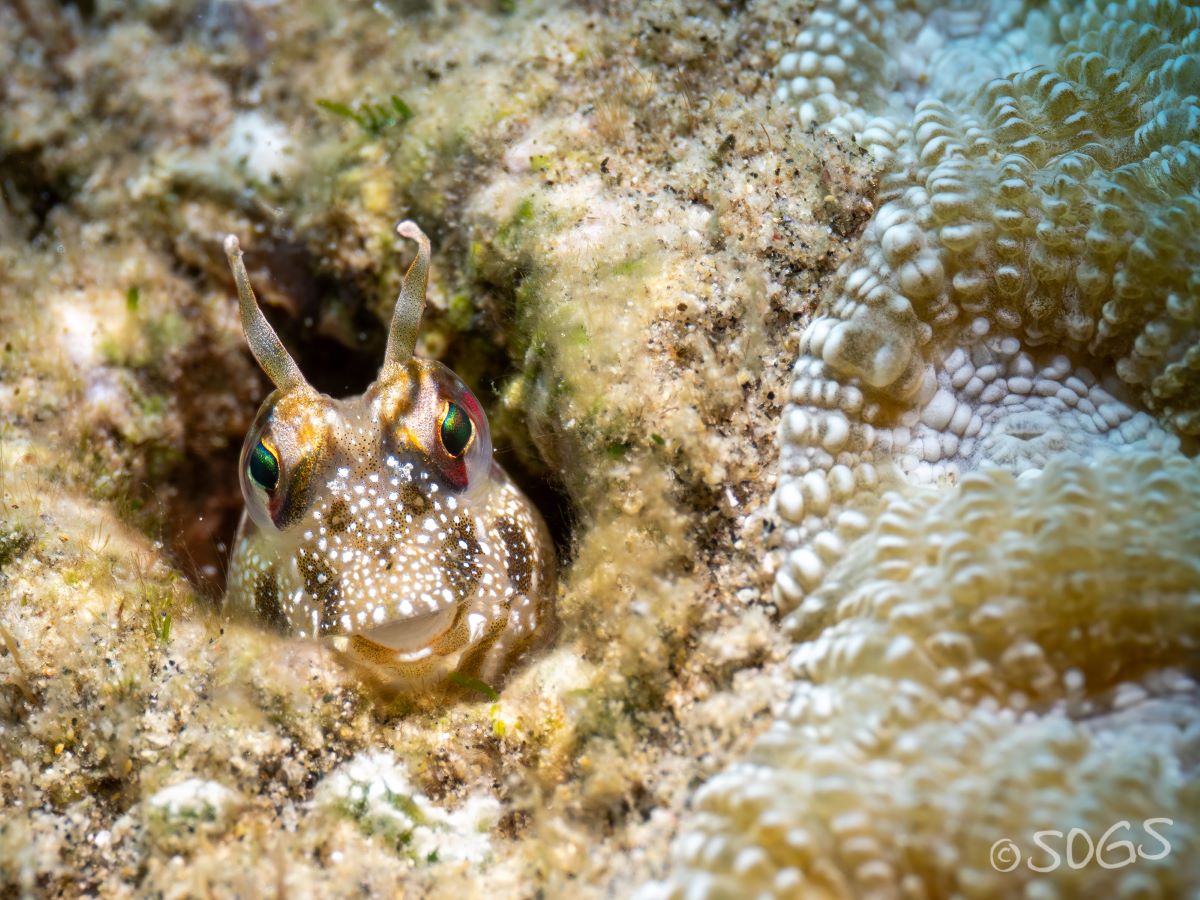
That comes with its own learning curve. Around here, we joke about playing “nudi or poodi”, the game of staring at something slightly out of place on a rock and working out whether you’ve found a nudibranch or you’re just enthusiastically photographing fish poo. It happens more often than anyone likes to admit.
But occasionally, it really is a nudi. And once you start finding them, everything shifts.
The Red Sea hasn’t been immune to natural changes that have affected reefs worldwide in recent years. That reality is part of the story but it is not the whole story. Smaller species often respond differently. Some persist and some adapt. Some appear in places you would never expect. If you are prepared to work a little harder, there are still extraordinary discoveries to be made.
Macro diving in the Red Sea does not hand itself to you – you have to earn it. Go low, go slow, and when you finally find something special, it feels all the more rewarding.
The macro life of the Red Sea has always been here; we just haven’t always been looking for it.
In the next part of this series, I’ll look at where Red Sea macro actually lives—not famous dive sites, but the overlooked habitats that quietly support an incredible amount of small life, if you’re prepared to slow down enough to see it. Then perhaps you have a chance to get a shot of it.