Taking on Truk: The Betty Bomber (Watch Video)


In the second of three videos from their recent trip to Truk Lagoon, Richard and Hayley from Black Manta Photography share this incredible footage of the wreck of the Betty Bomber.
To this day, it is not known how or when this plane came to rest in 14m of water during the aerial attack on Truk Lagoon. It was apparently flying in from the North to land on the runway at Eten Island when it crashed into the sea, just 135m from the shore. The damage to the nose section and cockpit are evident of a heavy impact with the sea – so heavy in fact, that both of the wing-mounted engines were torn clean off. The force of the impact, combined with the pulling power of the still rotating propellers, incredibly resulted in the engines coming to rest 100m away from the main body of the wreckage.
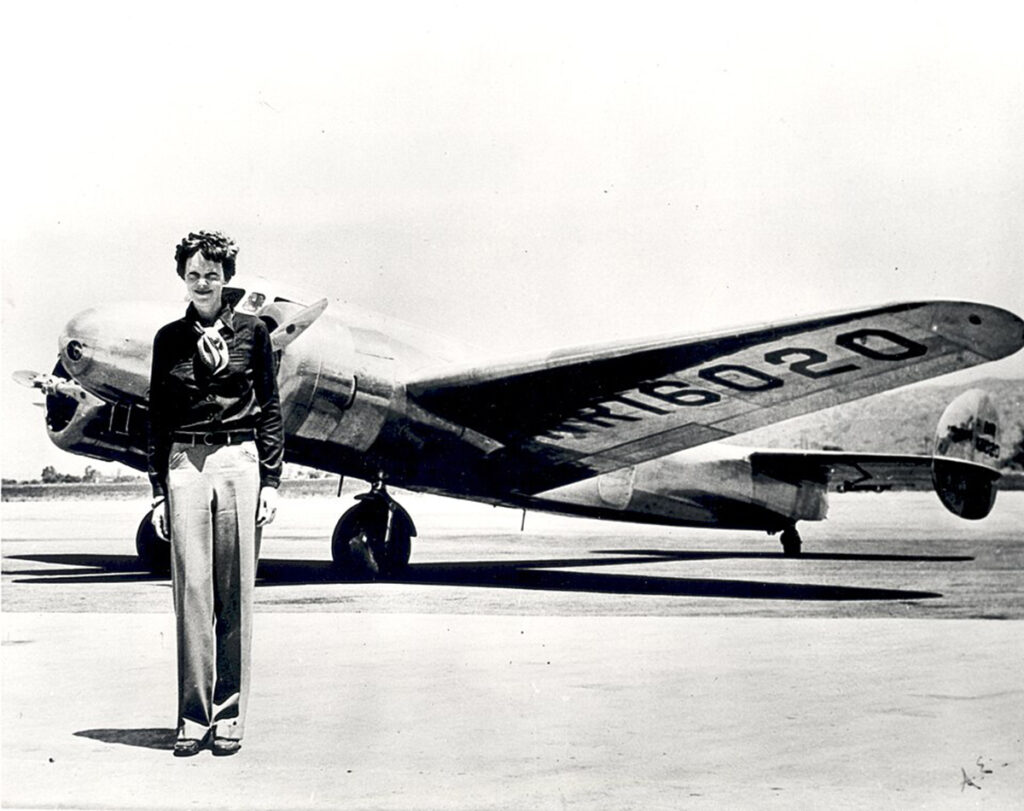
The most famous of the aircraft wrecks available to dive in Truk Lagoon, the ‘Betty Bomber’ was a Japanese Mitsubishi G4M long range bomber, and was used throughout the Pacific during the Second World War.
It was the Allied Forces that named it Betty, although it also carries the moniker of the ‘Flying Cigar’, partly because of the uniform cigar shape of the fuselage, but also because the aircraft had unprotected fuel tanks, which were regularly hit and set on fire.
The main body of the wreckage shows damage to the wings where the engines were torn free, but the rest of aluminum aircraft skin appears to be damage free, except for the obvious abrupt stop it suffered when it hit the water.
Another significant observation is the fact the wreck is largely devoid of any coral colonisation due to the aluminium oxide being unsuitable for coral growth and reproduction (iron is biologically active and harmful to corals). This means that, despite the 74 years of rust, the wreckage looks in remarkably good shape.
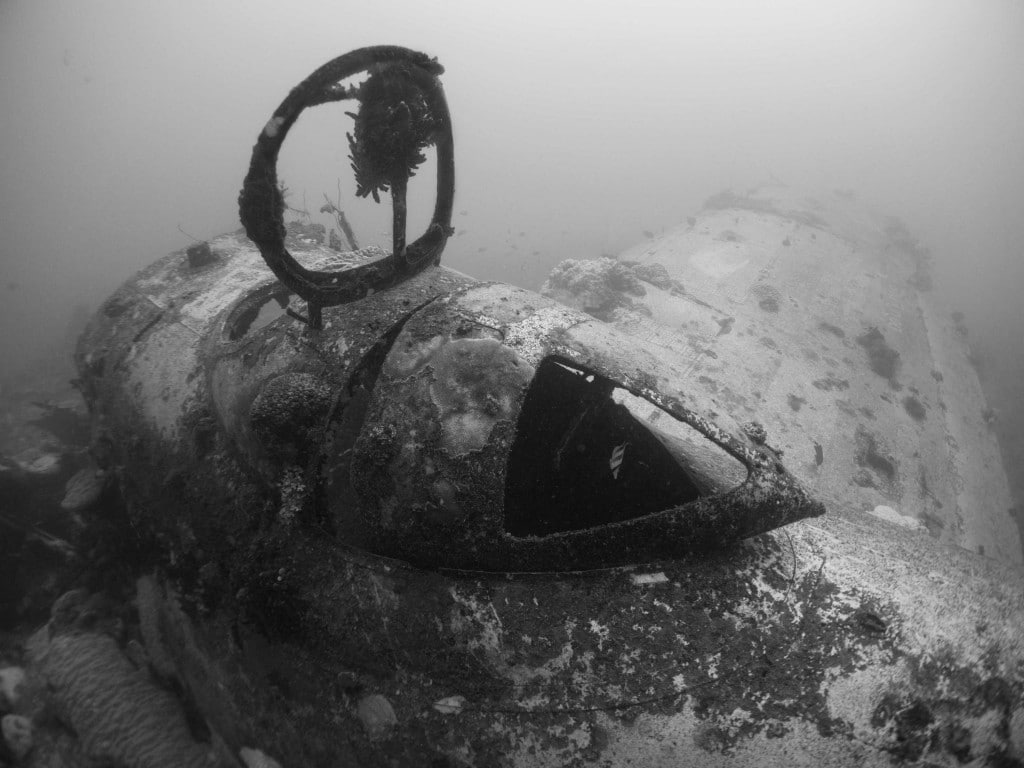
With the front of the plane missing, it is easy for divers to gain access and swim the entire length of the fuselage to a small exit hole at the rear. The large oval shaped gun ports on either side of the wreck provide plenty of light into the wreck, and also additional means of access.
The pilot’s cockpit area is badly damaged, although some of the instrumentation is still recognisable, and scattered around the seafloor are seat frames and general plane parts.
The visibility in the area is known to be worse than the rest of the Lagoon. I suspect this is due to shallow waters and light currents heading round the edge of the island, so photography on this particular wreck is a little more difficult than some of the larger and deeper shipwrecks that can be found. However, despite this,the Betty Bomber is a must dive to tick off on your trip to Truk, and with most dives being deeper, it was a lovely change to have a little ‘bimble’ without huge consideration to dive time or depth.
For more from Richard and Hayley visit www.blackmantaphotography.com.