Review: The Underwater Photographer by Martin Edge

It must be over 15 years ago that I bought my first copy of The Underwater Photographer by Martin Edge. It was recommended to me by fellow photographers as the go-to resource for those looking to improve their underwater shots and it has been a constant companion. The first edition was published back in 2004 and now the 5th (and final) revision of this much-loved book has been released in print and as an ebook.
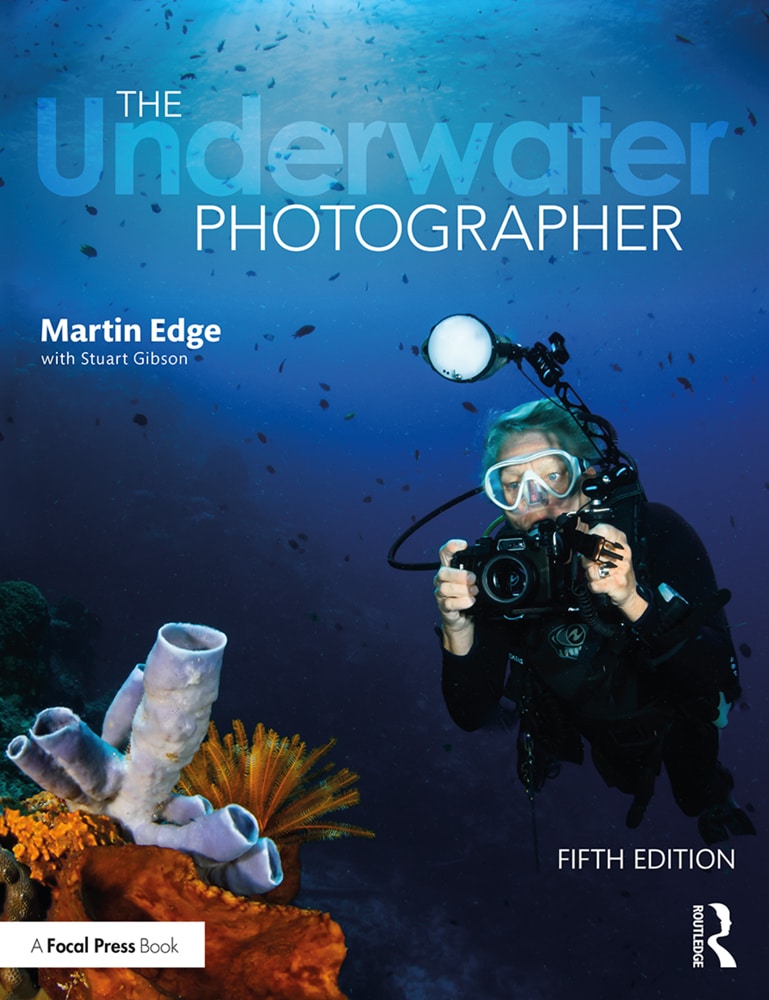
I was asked to review the ebook, and while I was excited to get my hands on the new edition, I thought that I would prefer the print edition, as a reference book to peruse at my leisure. However, as soon as I opened up the ebook I knew that this was a vauable resource in this format. Why? Well, it is easy to travel with, you can add notes and highlight sections (without damaging a much loved print edition), you can easily search for a particular topic you would like to learn more about.

This new book has a huge amount of information to digest and takes the underwater photographer on a path of learning that is easy to follow. This edition sees guest chapters from well-known underwater photographers that are experts in their particular fields, for example, there is a chapter from Alex Mustard on optics and a chapter on super macro from Alex Tattersall.
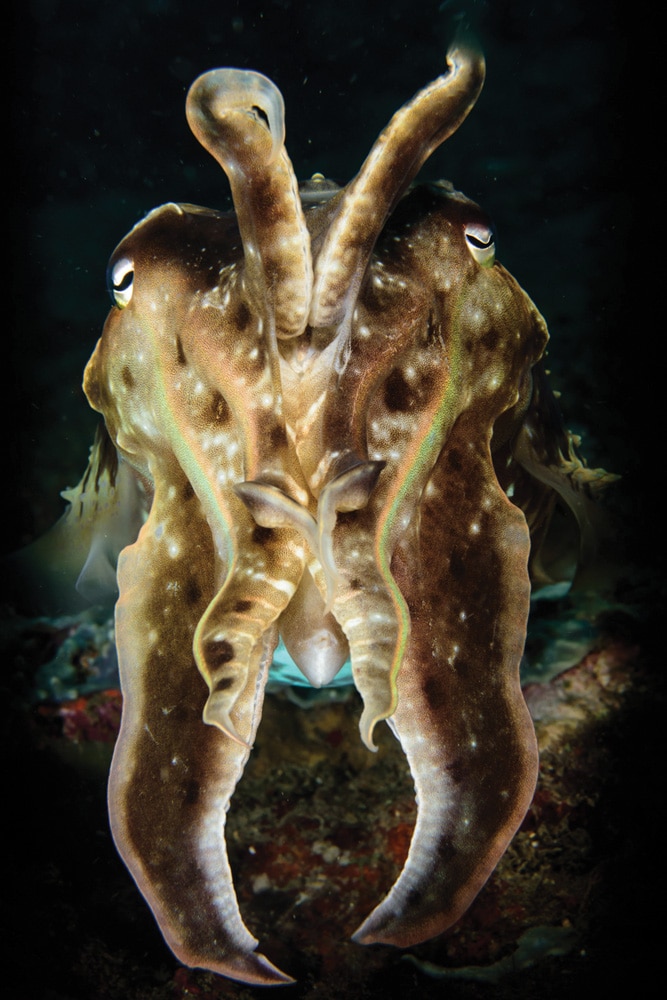
The book is packed with useful information and one of my favourite parts of the book are the highlighted “Tips” sections, where Martin gives particular tips gleaned from his many years of taking world-class underwater images and teaching the subject too.
The book features over 400 updated colour images – taken on numerous dives around the world – with an accompanying narrative that provides detailed information on how the shots were taken, their strengths and weaknesses and how to fix mistakes. Practical examples take you step-by-step through the basic techniques: photographing shipwrecks, divers, marine life, macro images and taking photographs at night. New chapters cover the latest equipment, processes and techniques including SLR Cameras, water contact lenses, mirrorless interchangeable lens cameras, micro four third systems, super macro techniques, motion blur, LED lighting and more.

If you already have a previous edition of this book, then I would recommend getting the latest ebook edition to add to your library. If you are just starting out and do not have a previous edition of The Underwater Photographer then I would recommend getting both the print book to read at your leisure at home and the ebook to travel with.
There is a limited edition hardback (£150), as well as a paperback (£32) and ebook (£32).
You can buy the book at all good book stores or directly from the publisher here.