Divers Challenged to Become Global Shark & Ray Census Pioneers
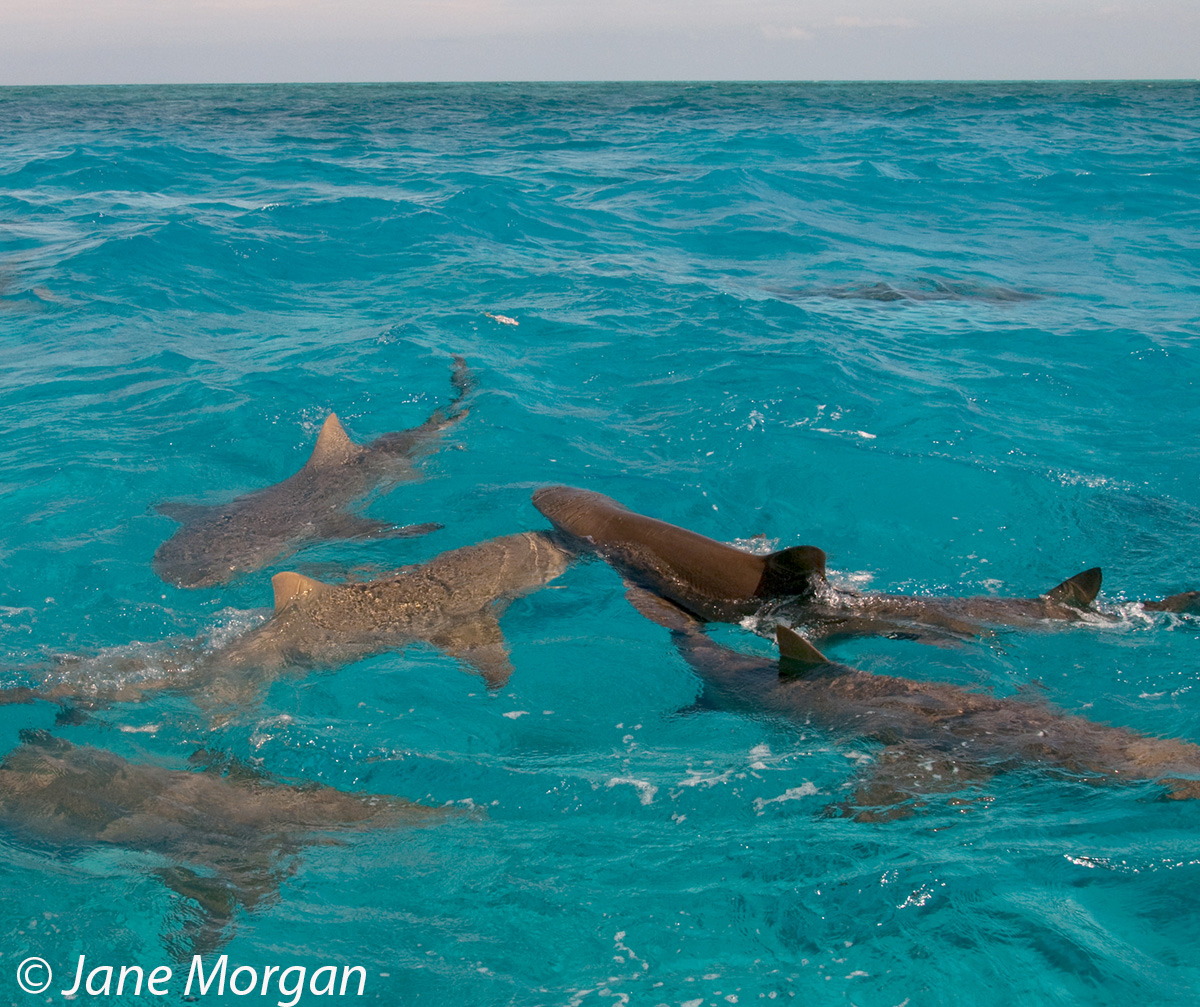
Divers around the world are being challenged to delve into their logbooks and camera archives as part of a global citizen science initiative designed to help protect sharks and rays.
The PADI AWARE Shark & Ray Discovery Challenge is inviting participants to identify and submit sightings of 20 different shark and ray species to the PADI Global Shark & Ray Census.
The first 200 people to have 20 species confirmed will earn recognition as PADI AWARE Global Shark & Ray Census Pioneers. And you don’t need to start from scratch. Previous encounters count, meaning divers can search through old logbooks, photographs and video footage from dives anywhere in the world for eligible sightings. Each submission must identify the animal to species level and is reviewed by researchers at James Cook University before being confirmed and added to a participant’s total.
But the challenge is about much more than reaching 20 species. One in three shark and ray species is threatened, yet scientists still lack occurrence data for many species. While iconic animals such as tiger sharks and manta rays attract plenty of attention, smaller, cryptic and bottom-dwelling species can be far less well documented. Every confirmed sighting submitted to the Census contributes to a global dataset designed to help scientists understand where shark and ray species are being seen – and where they appear to be absent. The data could ultimately help identify important habitats, document changes in species distribution and highlight areas where further research or conservation action is needed.
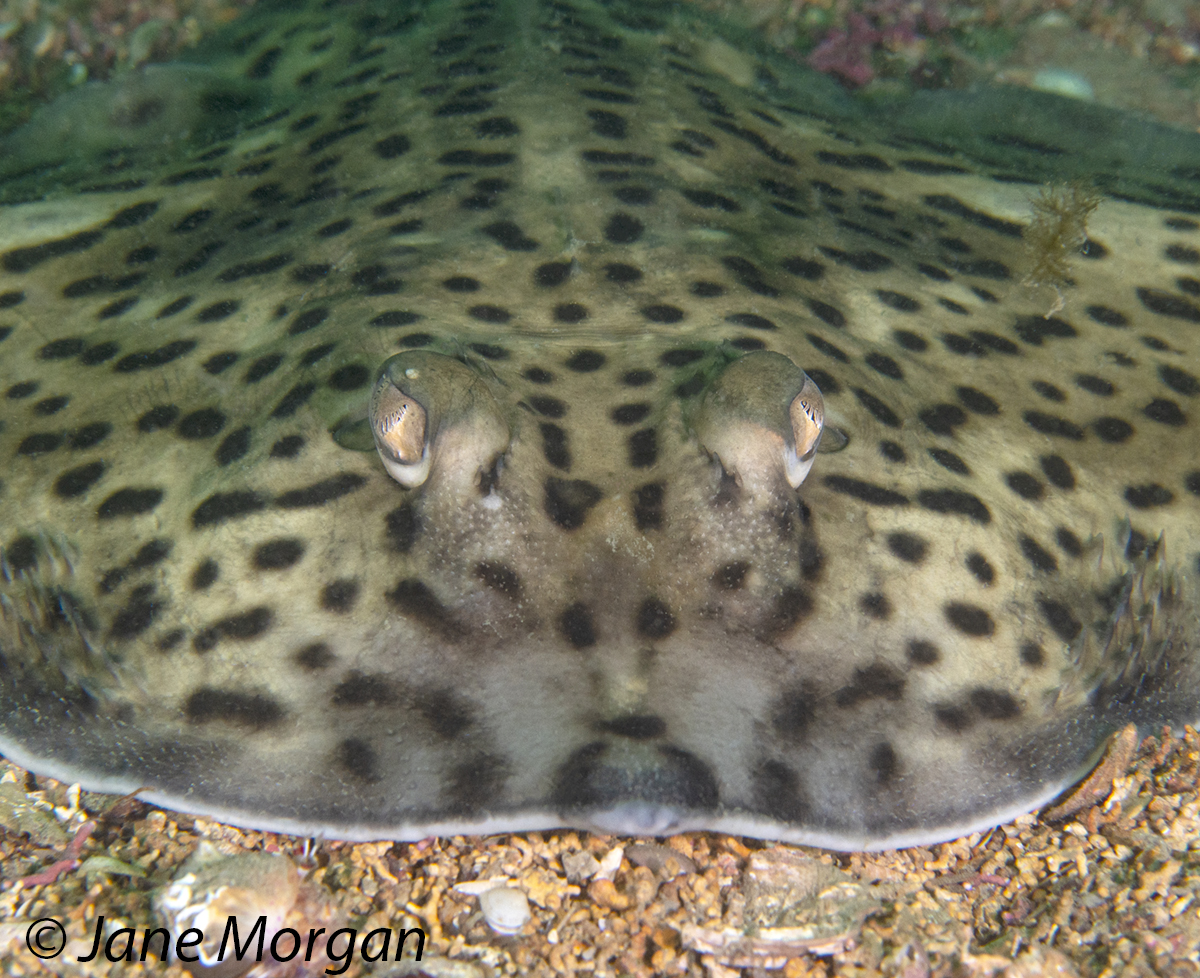
The challenge is part of the wider PADI Global Shark & Ray Census, run by the PADI AWARE Foundation in partnership with James Cook University and founding partner Blancpain.
So, whether there’s a wobbegong hiding in your hard drive, a stingray buried somewhere in your photo archive or a shark encounter you logged years ago, it might be time to take another look – your old dive memories could become valuable data for shark and ray conservation.