Thousands of Baby Corals Offer New Hope for Florida’s Reefs
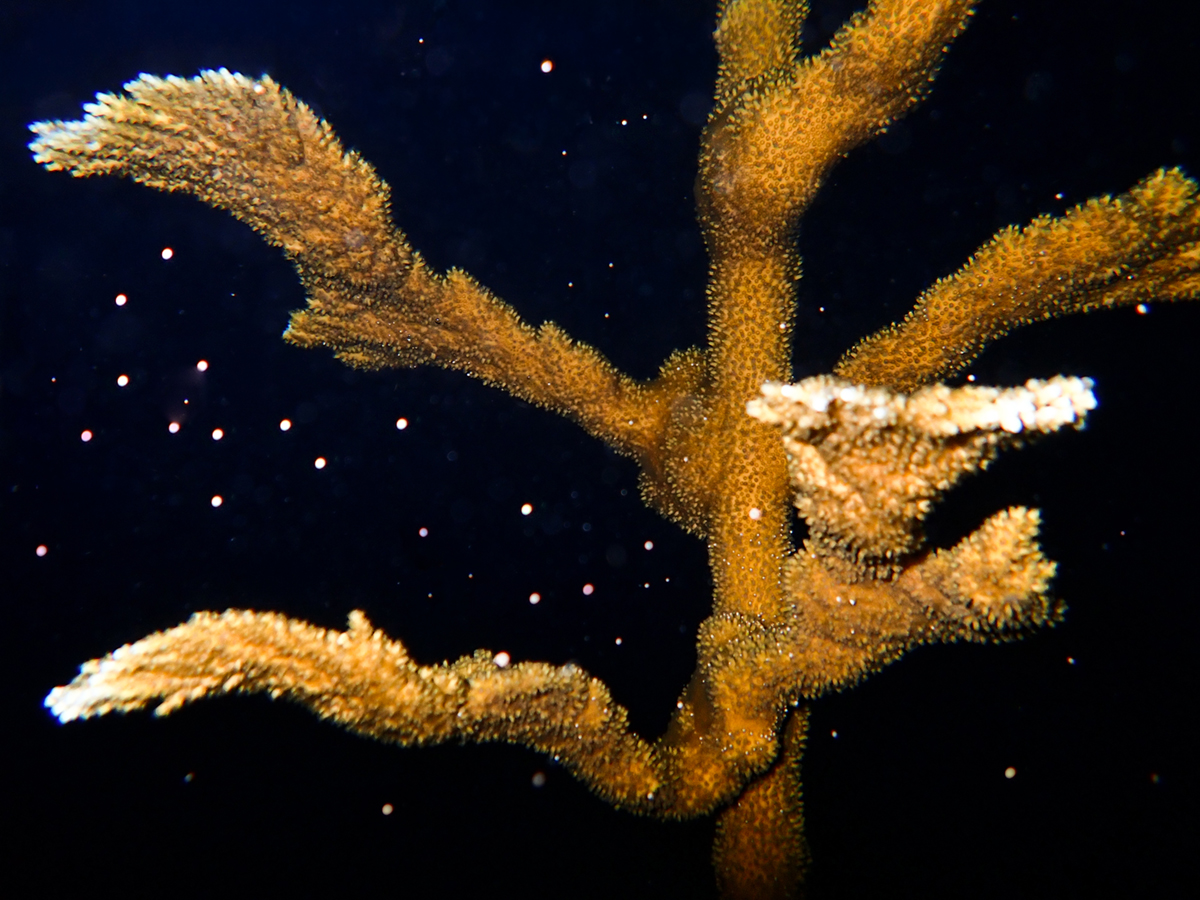
Thousands of baby corals are being raised in laboratories across Florida following a major spawning effort that scientists hope could help secure the future of the state’s struggling reefs.
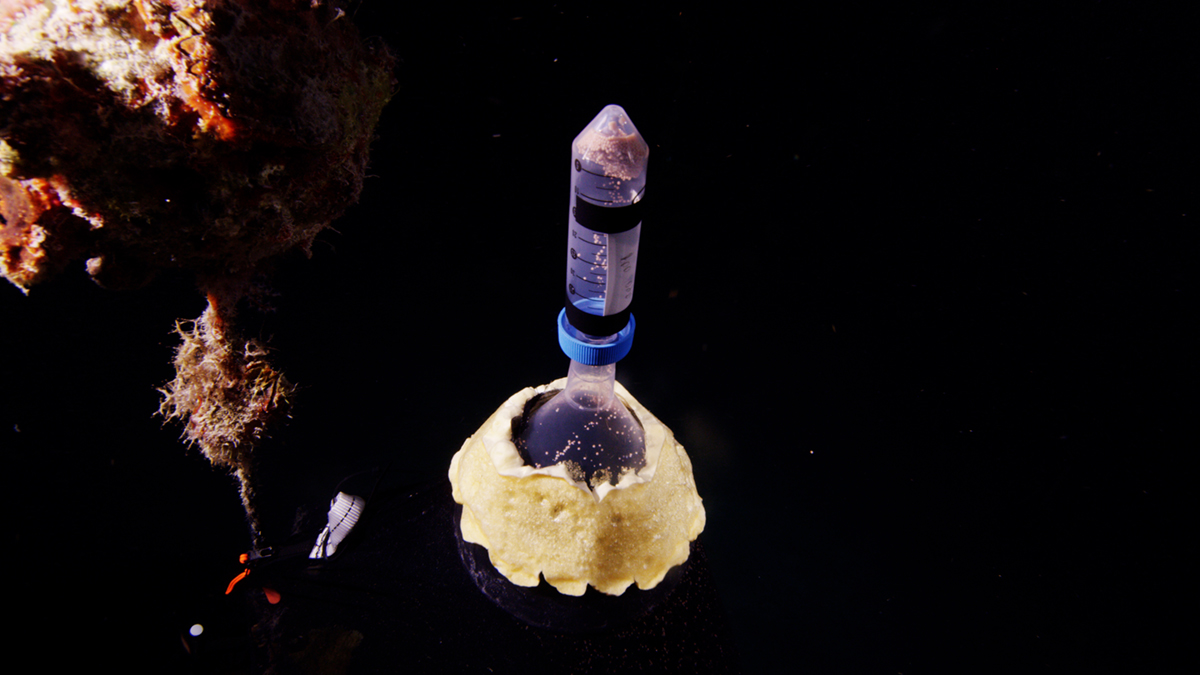
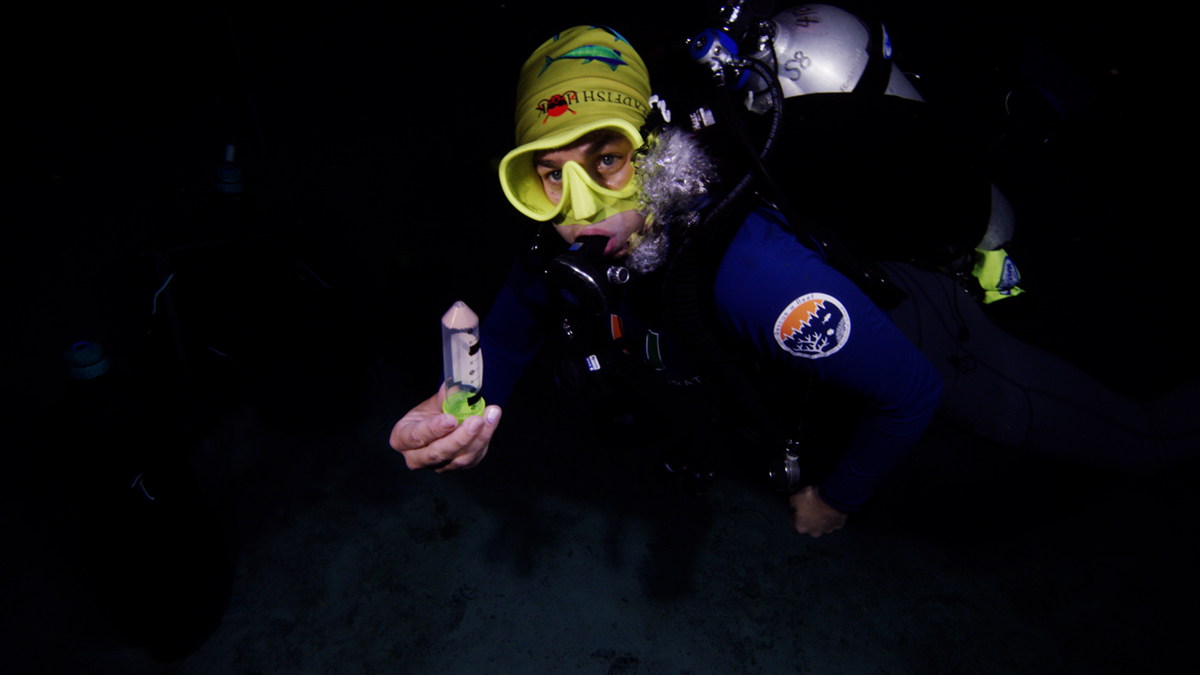
Over 12 nights in late August and early September, divers and scientists gathered eggs and sperm released by endangered elkhorn coral growing at an ocean-based nursery off Tavernier in the Upper Florida Keys.
The ambitious collaboration brought together researchers from around a dozen universities and conservation organisations, with dive teams entering the water at night to collect the precious spawn before racing it back to shore for fertilisation.
Their efforts resulted in around 61,000 coral larvae and 101 unique genetic crosses, including combinations of parent corals that had never previously been created.
The parent colonies are particularly valuable. Known as the “Founders”, they represent a genetically diverse collection of elkhorn coral maintained by coral-restoration pioneer Ken Nedimyer at the Reef Renewal nursery.
Elkhorn coral was once one of the dominant reef-building species in the Caribbean and Florida Keys, but disease, bleaching and increasingly extreme ocean temperatures have devastated populations. Florida’s severe 2023 marine heatwave killed much of the remaining wild elkhorn coral on the reef.
Scientists are now raising the new generation in laboratories around Florida, hoping that greater genetic diversity will help identify corals capable of surviving the increasingly challenging conditions on the reef.
Raising them won’t be easy. Of 10,000 larvae received by the University of Miami following spawning in 2025, only 60 survived to their first birthday — highlighting both the challenge and importance of the work.
But each surviving coral could provide another small piece of the puzzle as scientists work towards restoring one of North America’s most important reef ecosystems.
Source: The Florida Aquarium / WLRN Public Media