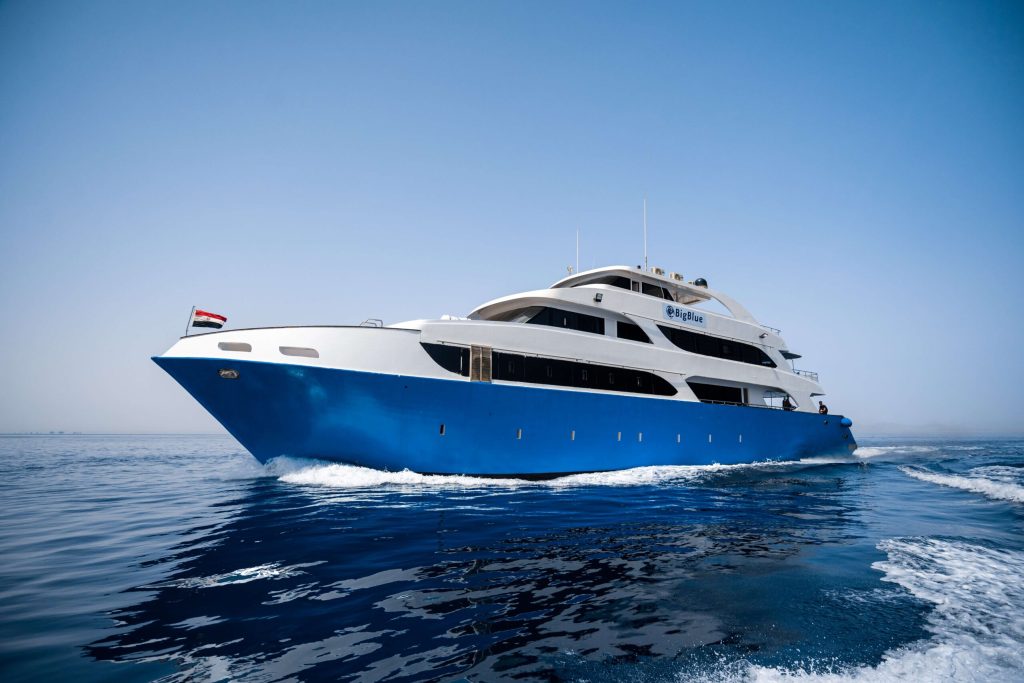
Ghazala Adventure and the Graveyard of Giants
Why do liveaboard trips always seem to pass so quickly? One moment you’re stepping aboard, introducing yourself to a boat full of strangers, and before you know it, six days have passed and you’re saying goodbye to friends.


Perhaps it’s the wonderfully simple rhythm of life onboard: dive, eat, sleep, repeat. Days are filled with assembling cameras, attending dive briefings, checking kit, sharing dive stories and enjoying excellent food between dives. It’s an immersive experience where the outside world quickly fades away and time seems to accelerate.
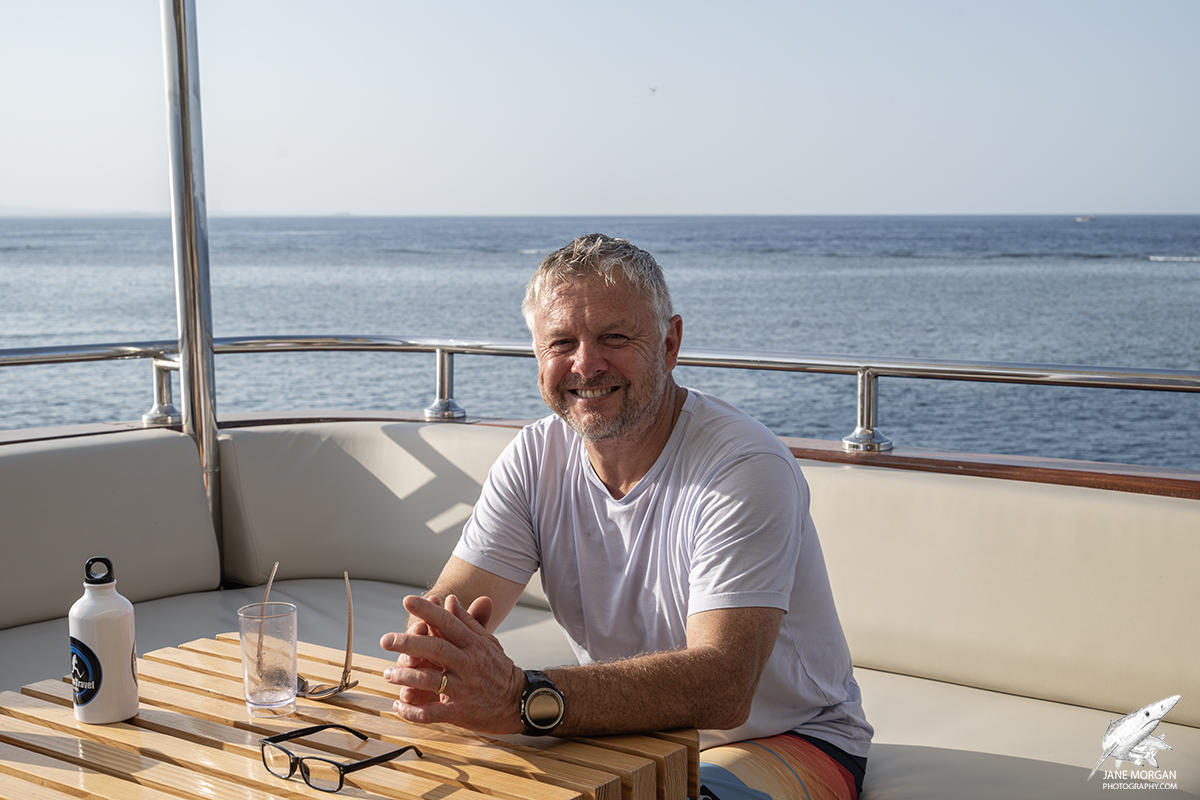
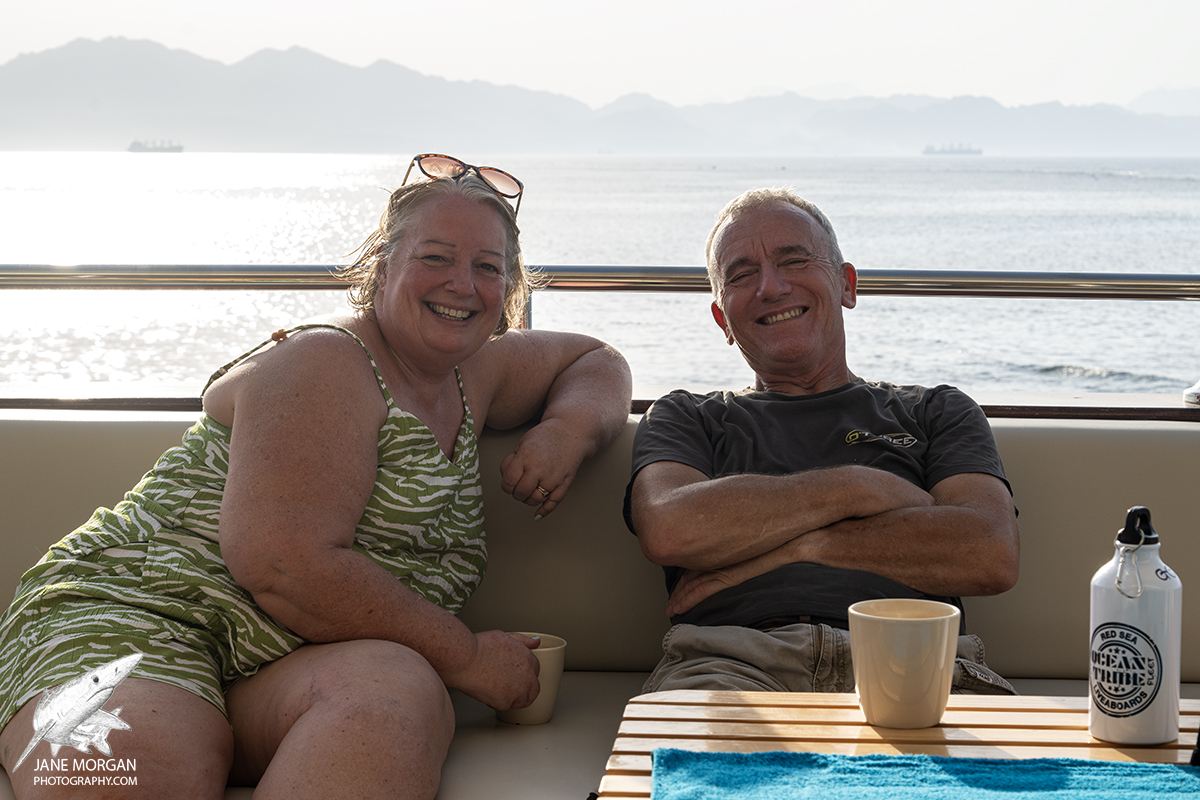
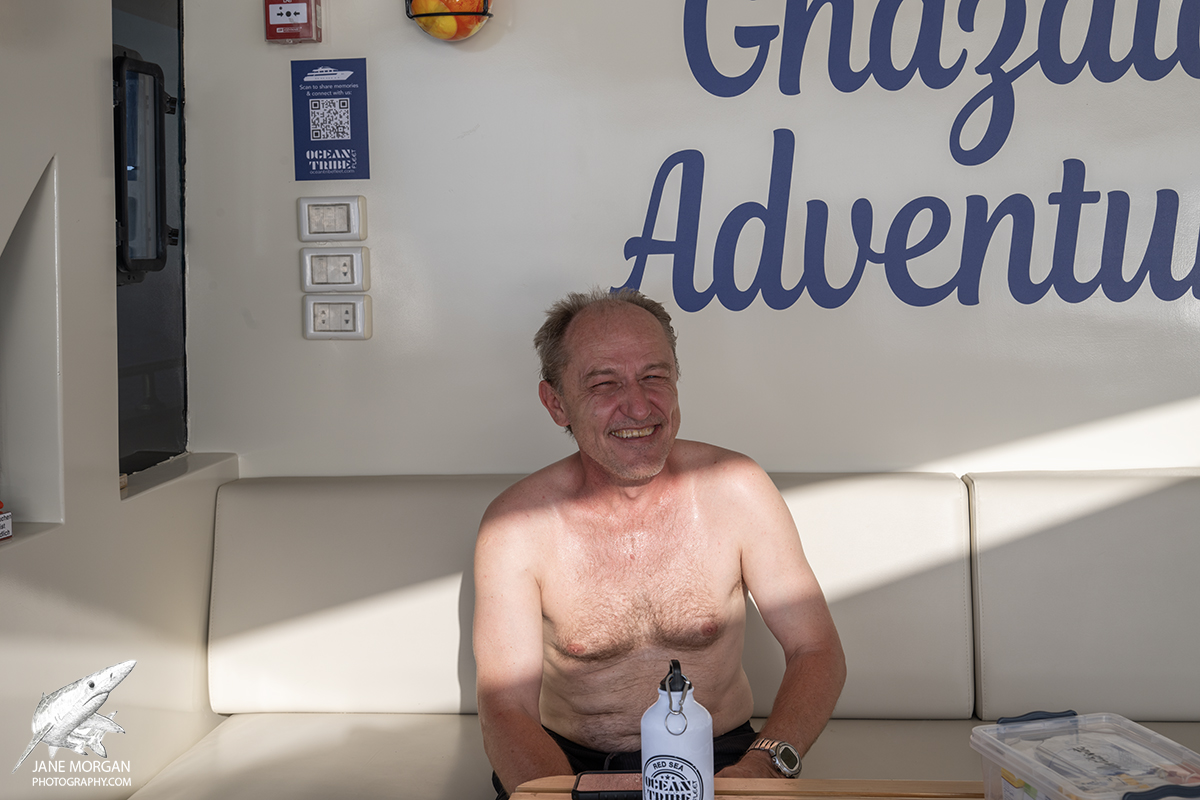
For me, liveaboards have always been the ultimate way to dive. There is something special about reaching dive sites before the day boats arrive, enjoying uncrowded conditions and accessing remote locations that would otherwise be out of reach. Every trip feels like a small expedition.
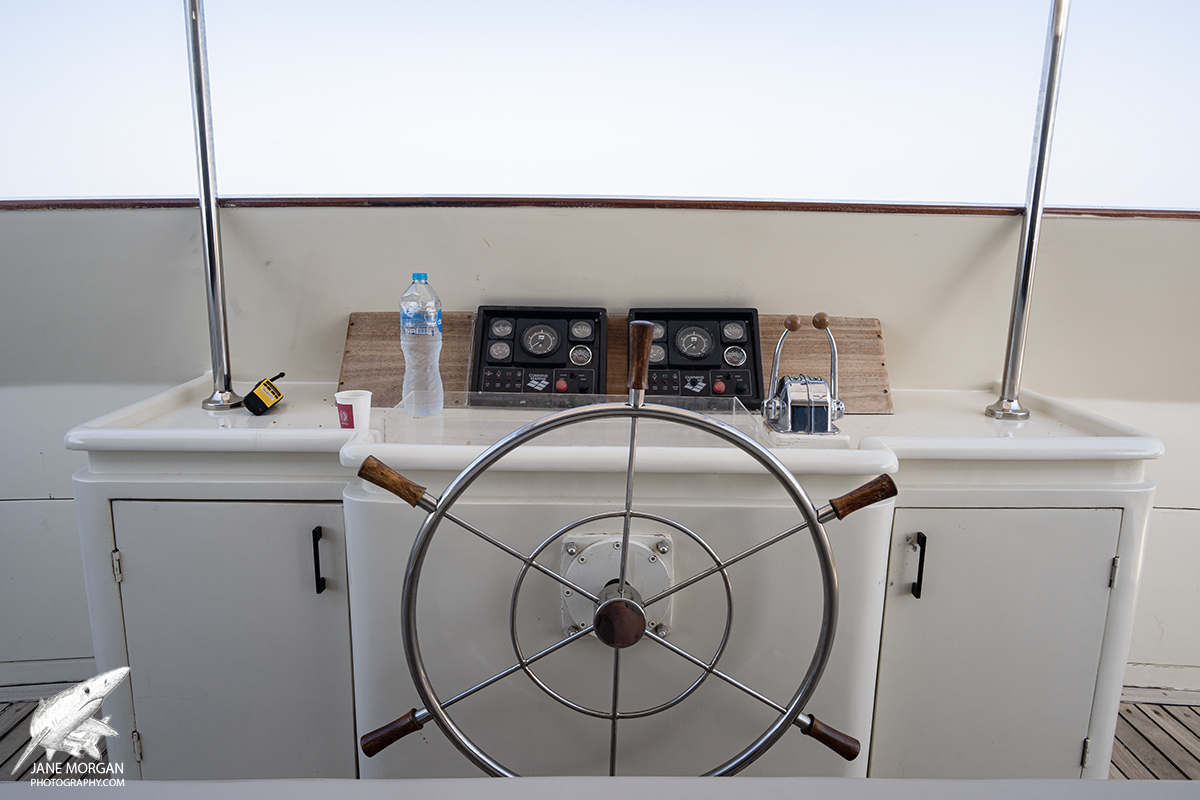
This itinerary has covered an impressive stretch of the Egyptian Red Sea. We’ve explored the spectacular offshore Brothers Islands, visited the world-famous reefs of Ras Mohammed, dived the wrecks of Gubal and Safaga, and finally arrived at the legendary ship graveyard of Abu Nuhas. The diving has been nothing short of exceptional, yet there are still two iconic wrecks waiting for us before the journey ends: the Carnatic and the Giannis D, resting side by side beneath the blue waters of Abu Nuhas.
The perfect way to conclude an unforgettable week.
Carnatic
 The Carnatic and the Giannis D are almost certainly the most famous wrecks in the Abu Nuhas “Ship Graveyard”, and today we were scheduled to dive both, starting with the Carnatic.
Built in 1862, the Carnatic was a British vessel belonging to the first generation of hybrid steamships, powered by both sail and steam. On 12th September 1869, while enroute to Bombay, she tragically ran aground on Abu Nuhas Reef during the night. Despite calm weather conditions, a navigational error caused the ship to deviate from its intended course.
Sadly, while passengers and crew awaited rescue, the vessel took on increasing amounts of water. Eventually, the strain proved too much and the Carnatic broke in two before sinking to the seabed, where she now rests on her port side. Her masts lie scattered across the sand, creating one of the Red Sea’s most iconic underwater scenes.
The wreck was first discovered in 1985 by Adrian O’Neill, captain of the Lady Jenny V, but it was British underwater photojournalist and author Lawson Wood who later identified the vessel.
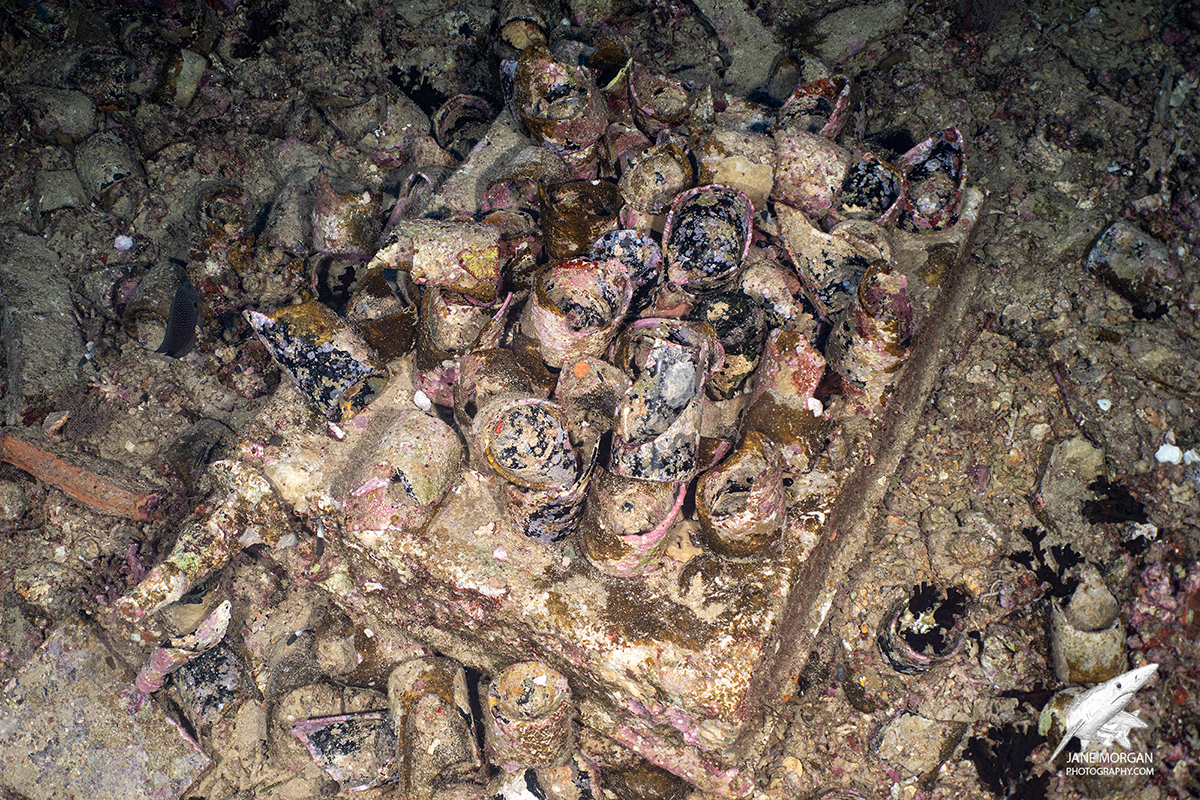
Among the Carnatic’s cargo were cases of fine wine, earning her the nickname “The Bottle Wreck”. Even today, remnants of those bottles can still be found among the wreckage. Legend also tells of a shipment containing £40,000 worth of gold. Some believe it was recovered shortly after the sinking, while others insist it remains hidden somewhere within the wreck to this day.
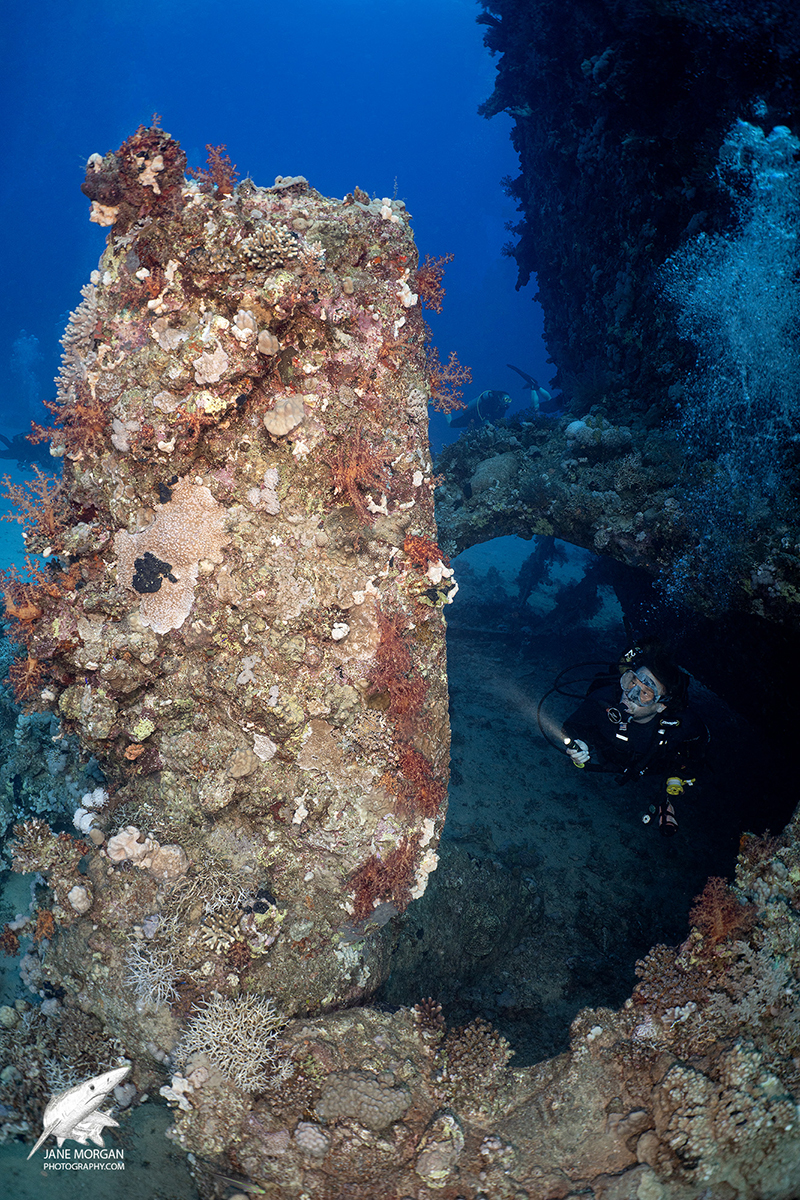
Permanent descent lines are attached to both the bow and stern sections, but our dive plan was a little different. We would travel to the site by zodiac, descend via the bow line, and then make our way through the wreck from bow to stern. The route would take us past the shattered engine section and on to the stern, where we would spend some time around the propeller before retracing our path to the bow. There, we would penetrate the shallow forward section of the wreck in single file before ascending for our safety stop.
As dive briefings go, it sounded like a perfect introduction to one of the Red Sea’s most legendary wrecks.
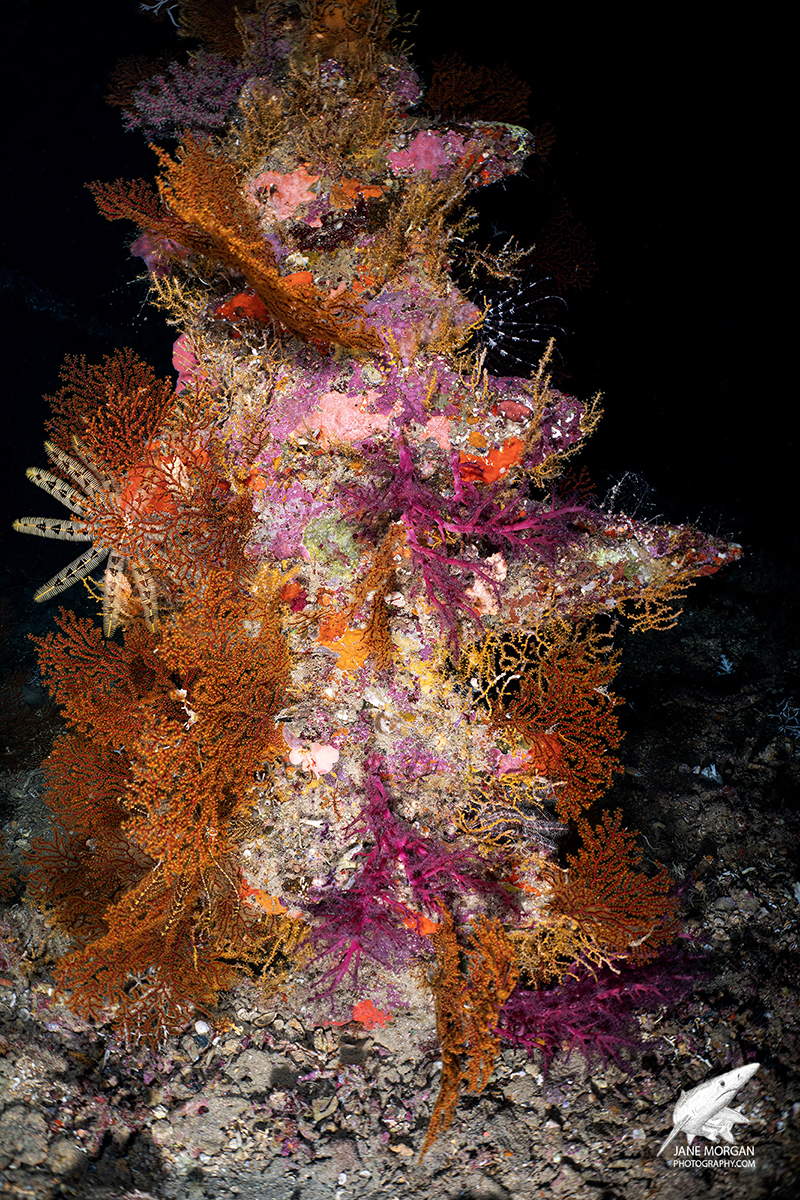
The Carnatic certainly didn’t disappoint. It was a wonderfully relaxed dive, allowing plenty of time to soak in both the history and beauty of this remarkable wreck. The visibility was excellent, with deep, vibrant blues providing a stunning backdrop to the ship’s skeletal remains. Decades beneath the sea have transformed the wreck into a thriving artificial reef, its structure draped in a colourful mix of hard and soft corals.
One of the highlights was swimming through the countless schools of glassfish that now call the wreck home. As sunlight filtered through the latticework of the hull, the shimmering clouds of fish created an almost magical atmosphere. Around the wreck, the sandy seabed was dotted with marine life, including anemonefish darting amongst their hosts and perfectly camouflaged crocodile fish lying in wait, blending effortlessly into their surroundings.
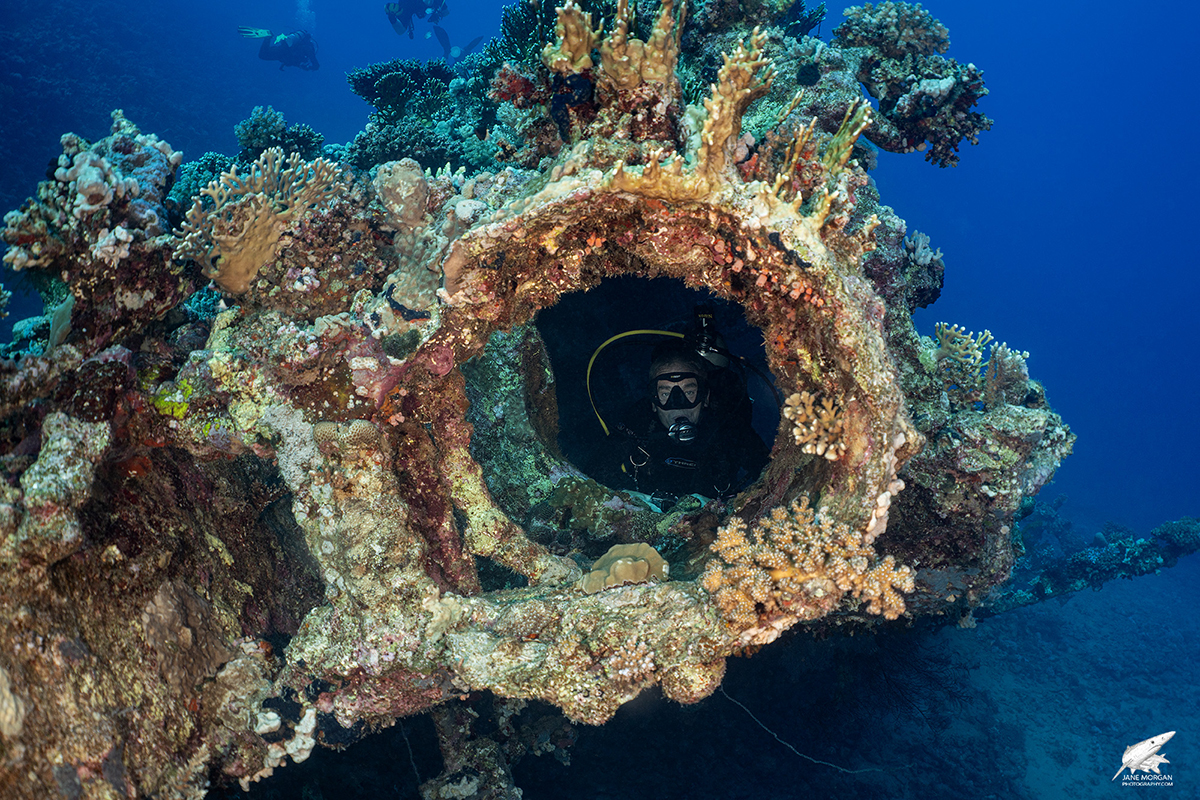
It was easy to see why the Carnatic is regarded as one of the finest wreck dives in the Red Sea.
Giannis D
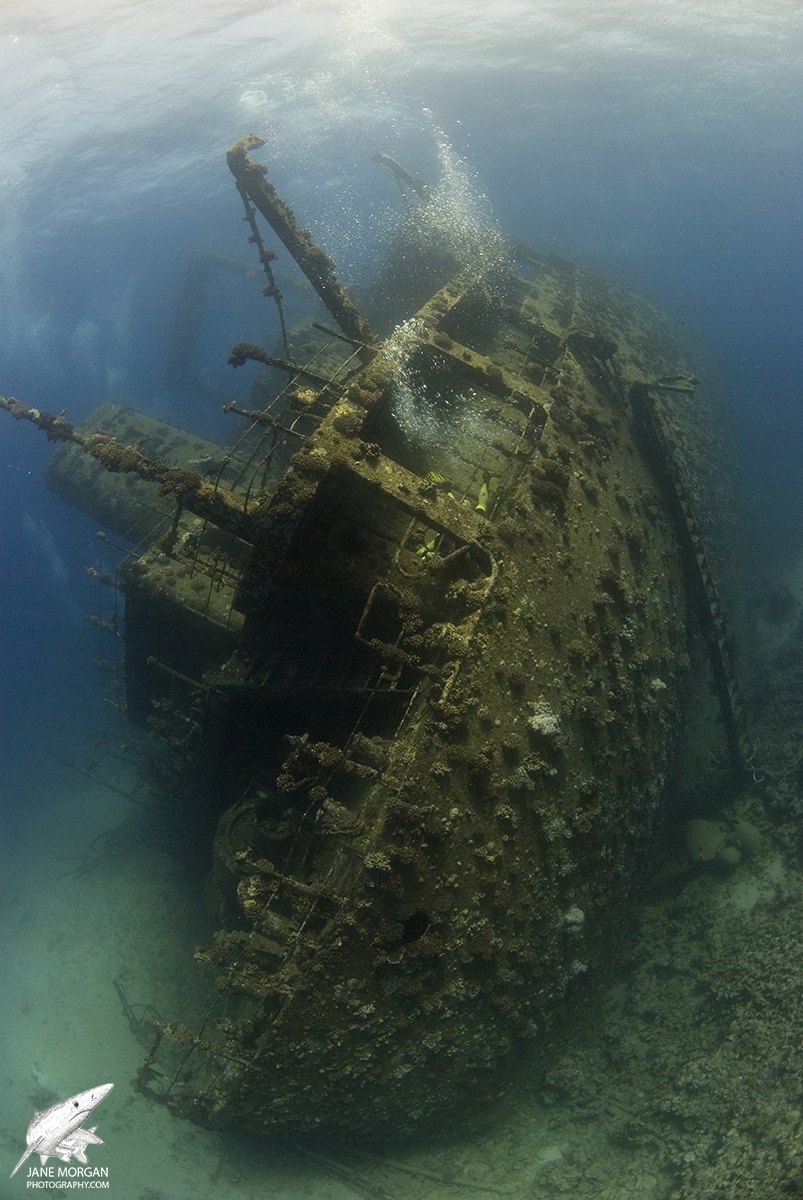 How can it already be the last wreck dive of the trip? But what a wreck to finish on.
The Giannis D began her life in Japan in 1975 as the Shoyo Maru. Six years later she was sold to a Greek owner and renamed MV Markos, before changing hands again five years later and becoming the Giannis D. At the time of her sinking in 1983, she was carrying a cargo of timber bound for Saudi Arabia and Yemen when, for reasons still debated, she altered course and struck the reef at Abu Nuhas.
Although she lies only a short distance from the Carnatic, the Giannis D presents a completely different experience. Built almost a century later, her steel structure feels distinctly more modern and familiar, creating a fascinating contrast between the two wrecks.
Today, she rests on the seabed between 5 and 28 metres. The bow sits in around 18 metres of water, while the stern and propeller reach 28 metres. The wreck is broken into three sections, with my favourite – the incredibly photogenic stern, lying dramatically on its port side. The midships section is heavily damaged, but both the bow and stern remain largely intact, offering plenty of opportunities for exploration and penetration, which was very much part of our dive plan.
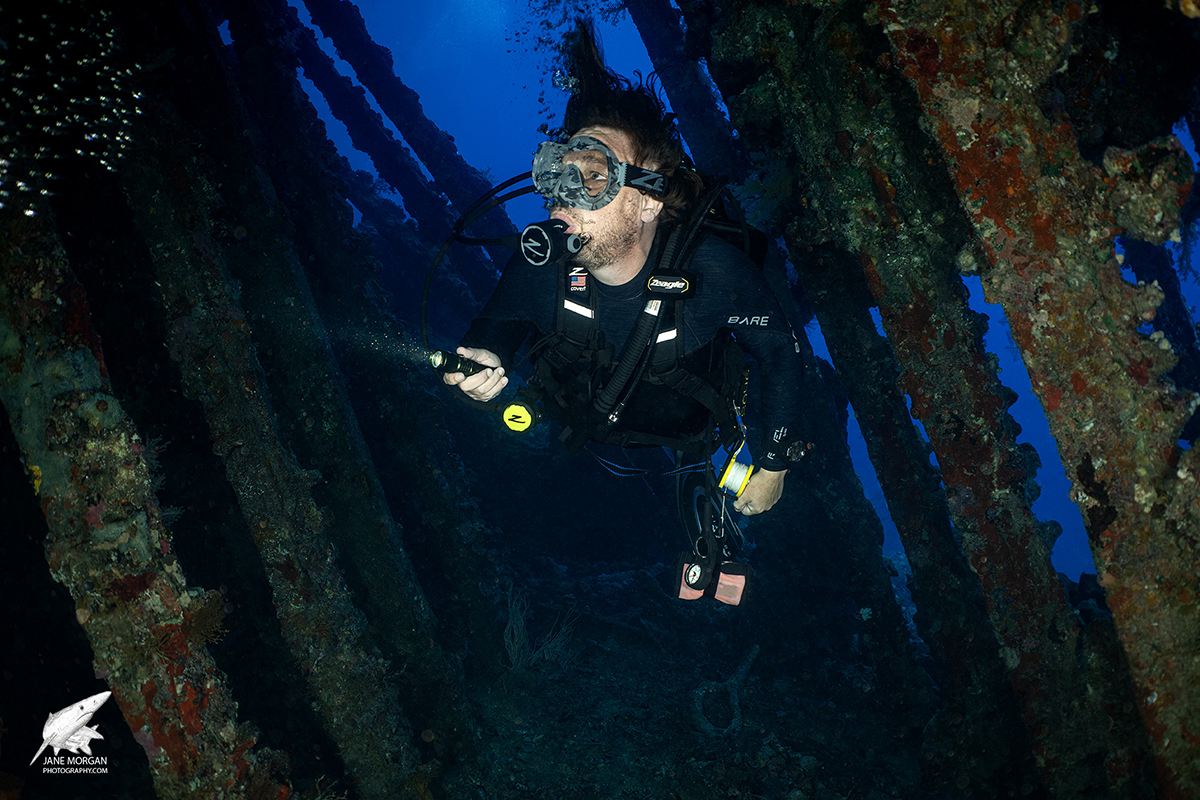
We began at the magnificent stern, the deepest part of the wreck, dominated by a huge winch and framed by the iconic funnel, still proudly displaying the large “D” on its side. From here, it is possible to swim through the bridge and enter the accommodation areas and engine room. The 45-degree angle of the wreck can quickly play tricks on your sense of direction, making it surprisingly easy to become disorientated.
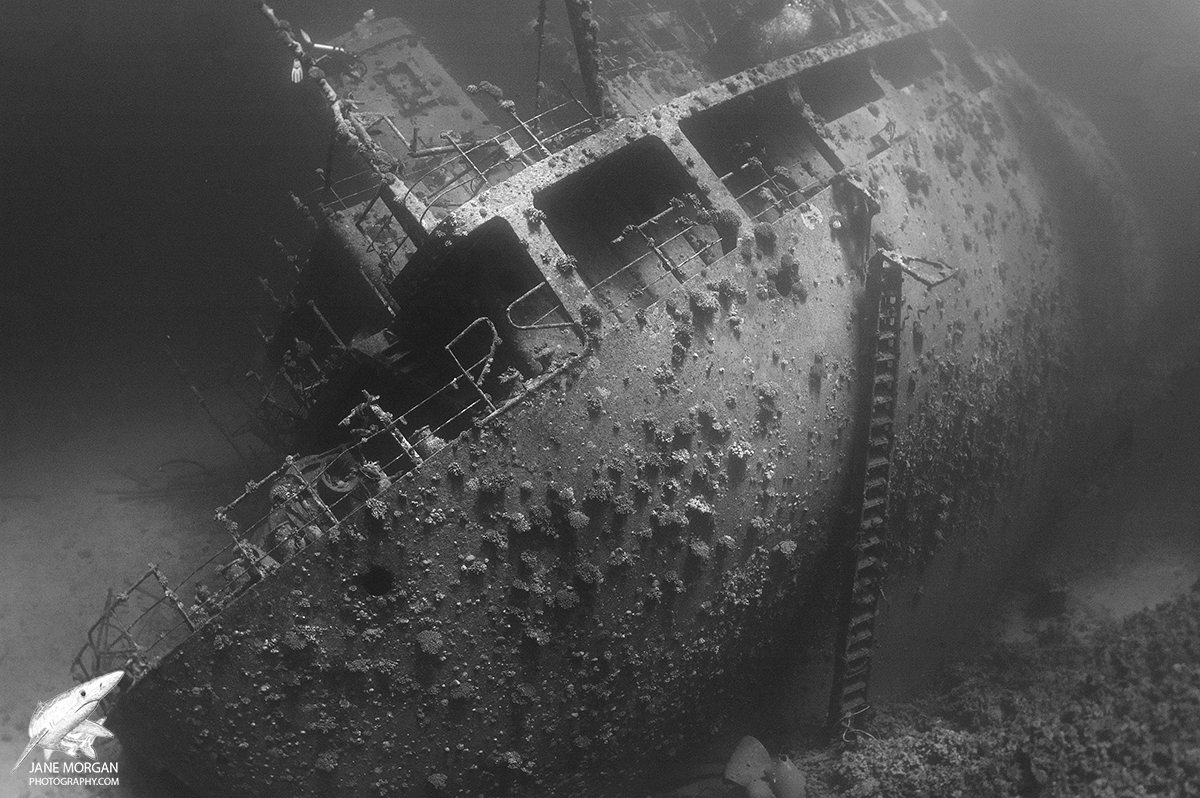
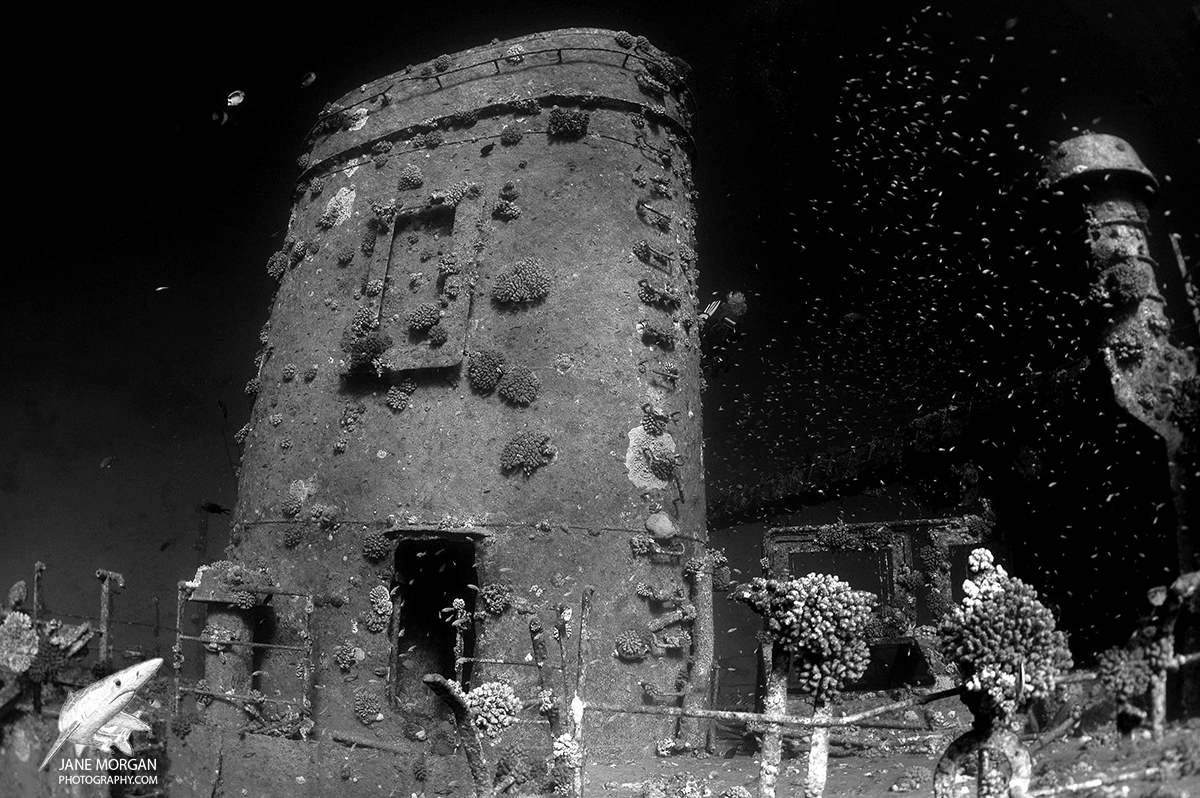
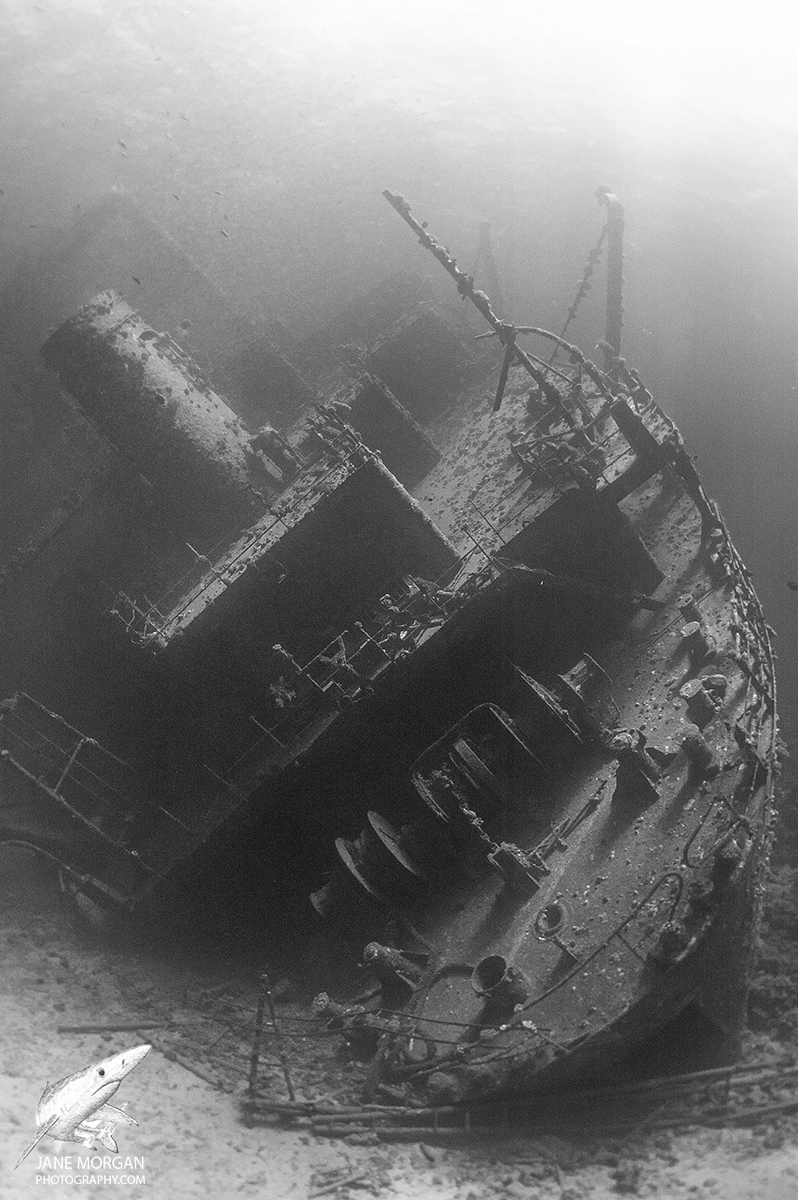
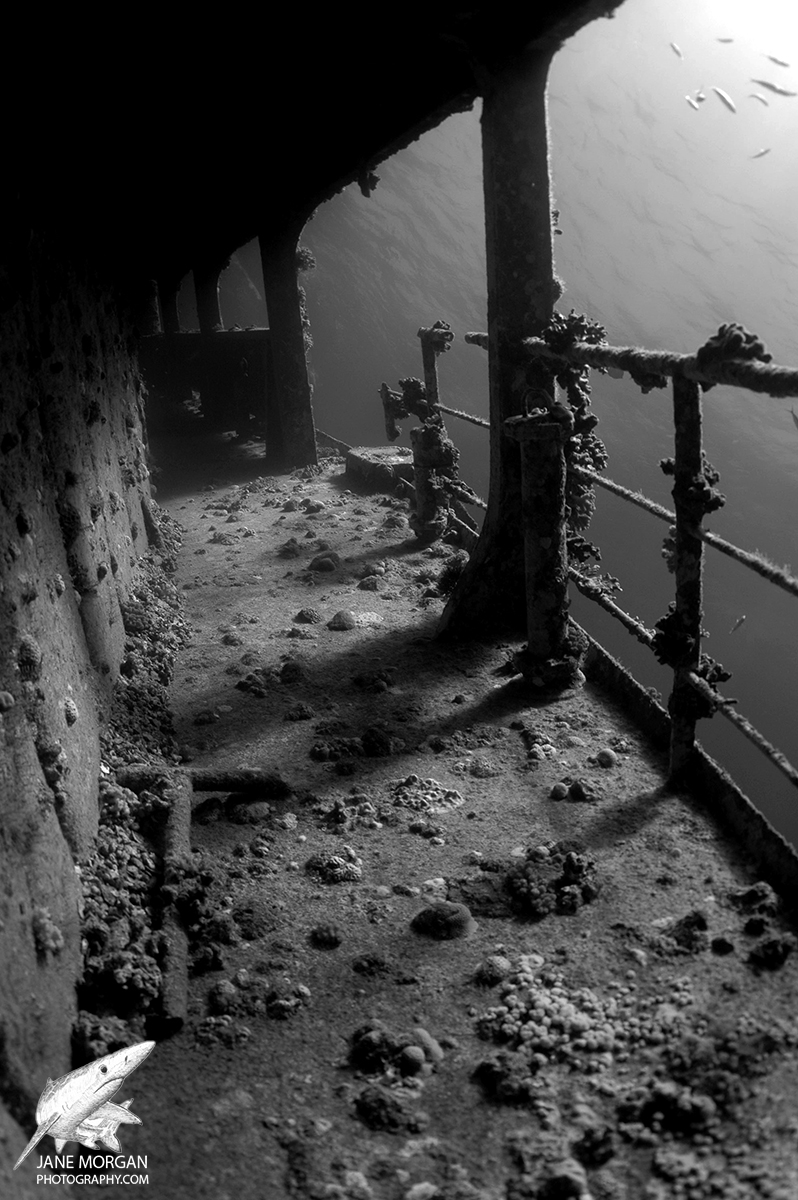
Once inside, however, the atmosphere is simply magical. Shafts of sunlight stream through the cargo holds, illuminating the interior with an almost ethereal glow. The combination of light, shadow, and rusting steel creates a haunting beauty, and even swimming along the narrow passageways evokes a powerful sense of the ship’s past. It’s an incredibly atmospheric wreck, one that leaves a lasting impression long after you’ve surfaced.
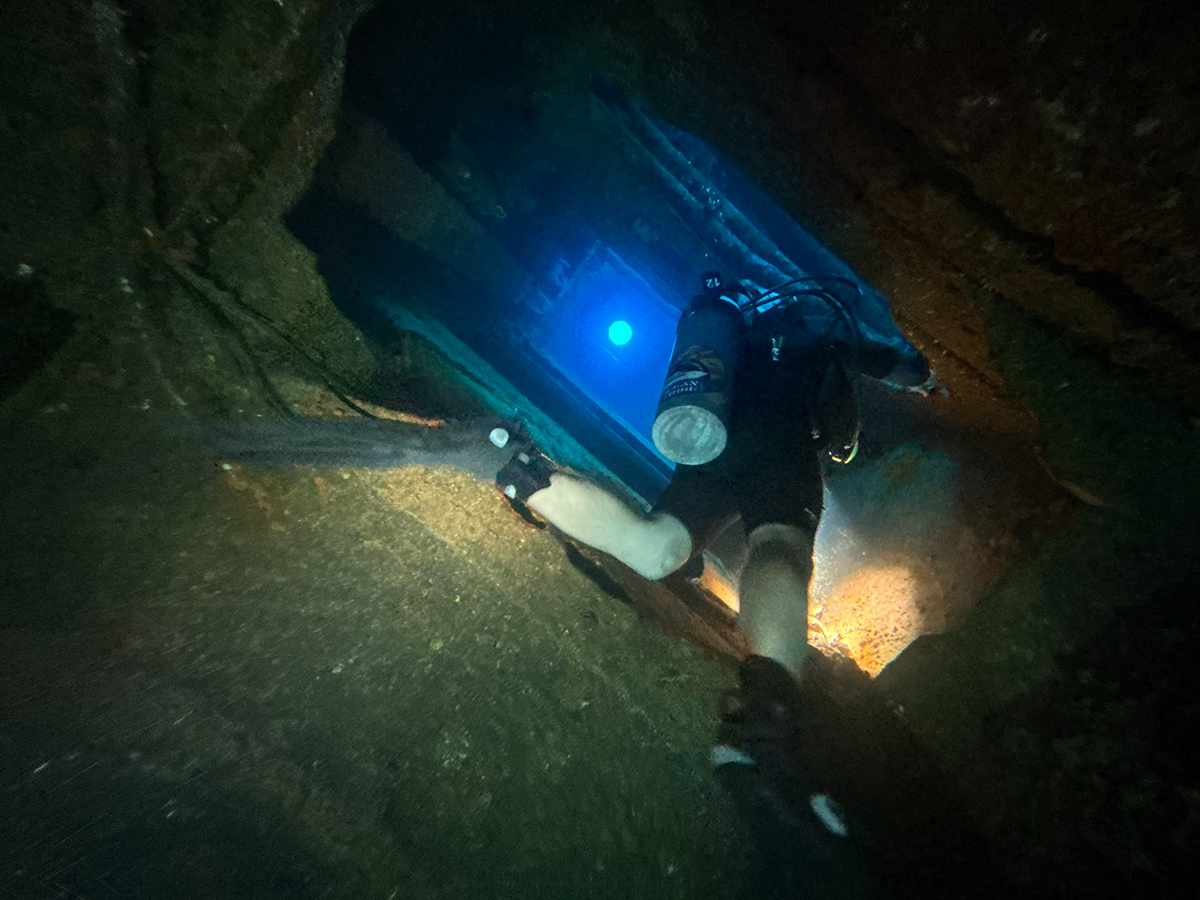
Thanks to Scuba Travel, a fantastic crew, and of course, all the fishes, for an amazing trip. Can’t wait until next time!
Book your next diving adventure on Ghazala Adventure with Scuba Travel: www.scubatravel.com
Book your dive insurance with Dive Master Insurance: www.divemasterinsurance.com
Internal photo on the Giannis D taken on an iphone in an Oceanic dive case by Henry Kidd.