Beyond the Blue: Small Worlds, Big Stories
The overlooked habitats where Red Sea macro really lives
If Part 1 is about changing how we think about the Red Sea, Part 2 is about changing where we look.
Macro life here is not tied to famous dive sites. You won’t find it neatly packaged into itineraries or highlighted in briefings. Instead, it lives in the places most divers swim straight past on their way to something else.
Sandy patches, seagrass beds, rubble slopes, shallow reef flats, canyons, caves, even artificial structures. These are not the areas that make it onto postcards, but they are where much of the interesting life actually is.
Take seagrass, for example. For most divers, it is simply the place where you might see a turtle feeding, or if you are very lucky, a dugong. It is photographed as a backdrop for larger animals, not explored for its own sake.
But from a macro perspective, it is a completely different world.
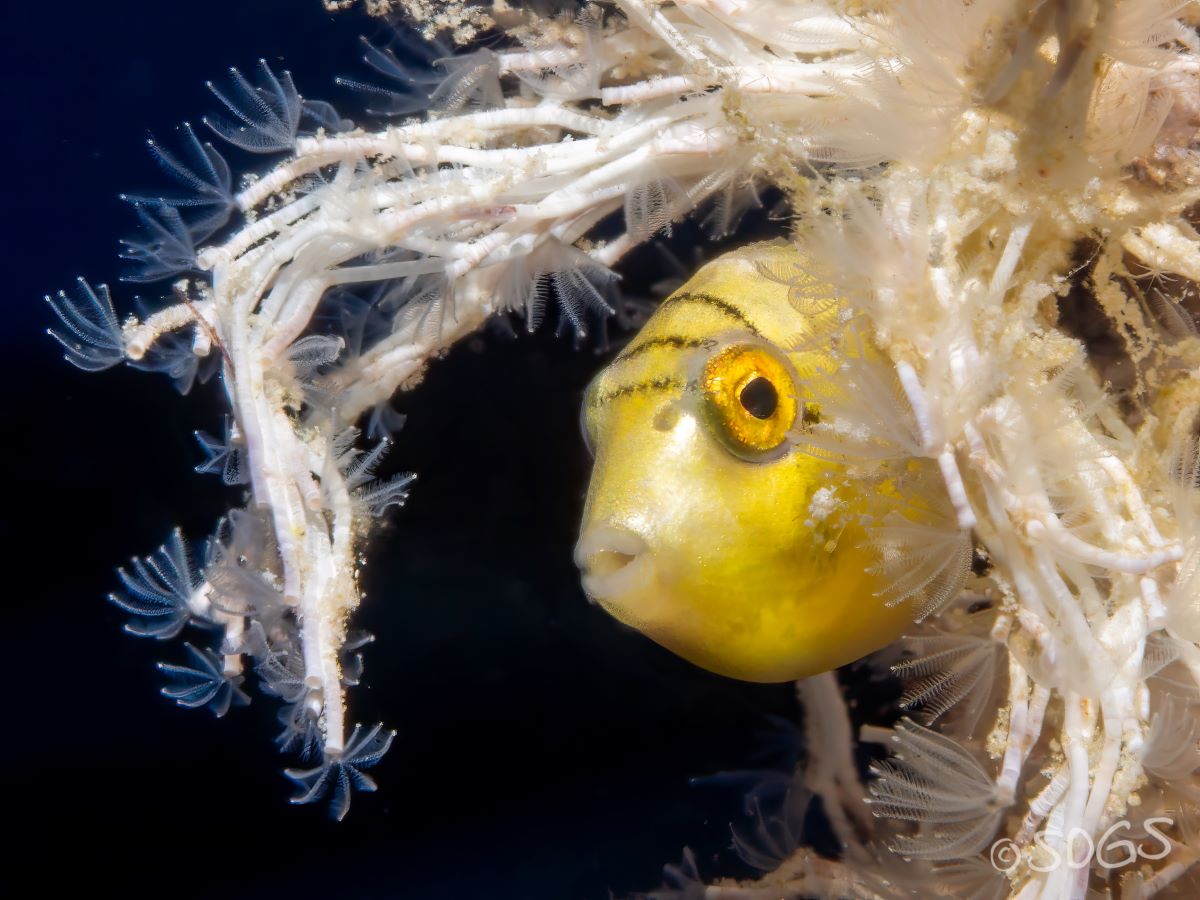
Look between the blades and you will find pipefish, gobies, shrimps and juvenile fish, if you’re lucky even a seahorse or two, all relying on camouflage and movement to stay hidden. Photographing them is a lesson in patience. Subjects shift with the current, vanish behind a blade, or turn just as you line up the shot. You are not composing against a clean background, you are working through layers.
Sandy slopes are similar. At first glance, they appear empty. But hover long enough and you begin to notice details. Eyes in the sand. A change in texture. Something that moves when it shouldn’t. These are not fast dives. They are slow, deliberate and often frustrating, but when something reveals itself, it feels like you have earned it.
Rubble zones are another overlooked habitat. Often dismissed as dead or uninteresting, they are in reality full of life. Broken coral provides shelter for nudibranchs, blennies, shrimps and countless juvenile species. From a photography perspective, they are not always easy. Backgrounds can be cluttered, subjects tucked away, and composition requires careful positioning. But they are consistently productive if you are willing to take your time.
Canyons and small caves add another layer. They are often dived for their structure or light, but their shaded edges and protected corners can hold a surprising amount of life. You start to look along the walls rather than through them, paying attention to small movements and subtle colour changes rather than the bigger picture.
Even artificial structures can become unexpected hotspots. Anything left long enough underwater becomes colonised. Algae grows, corals attach, and small creatures move in. On our house reef, we have several rope lines used for freediving practice or for securing buoys at the surface. Every now and then we have a look along them in the hope of finding something unusual, perhaps a temporary resident frogfish or a nudibranch. Even without that, they are great for photography. There are always blennies, longnose hawkfish and various juveniles making use of the structure.
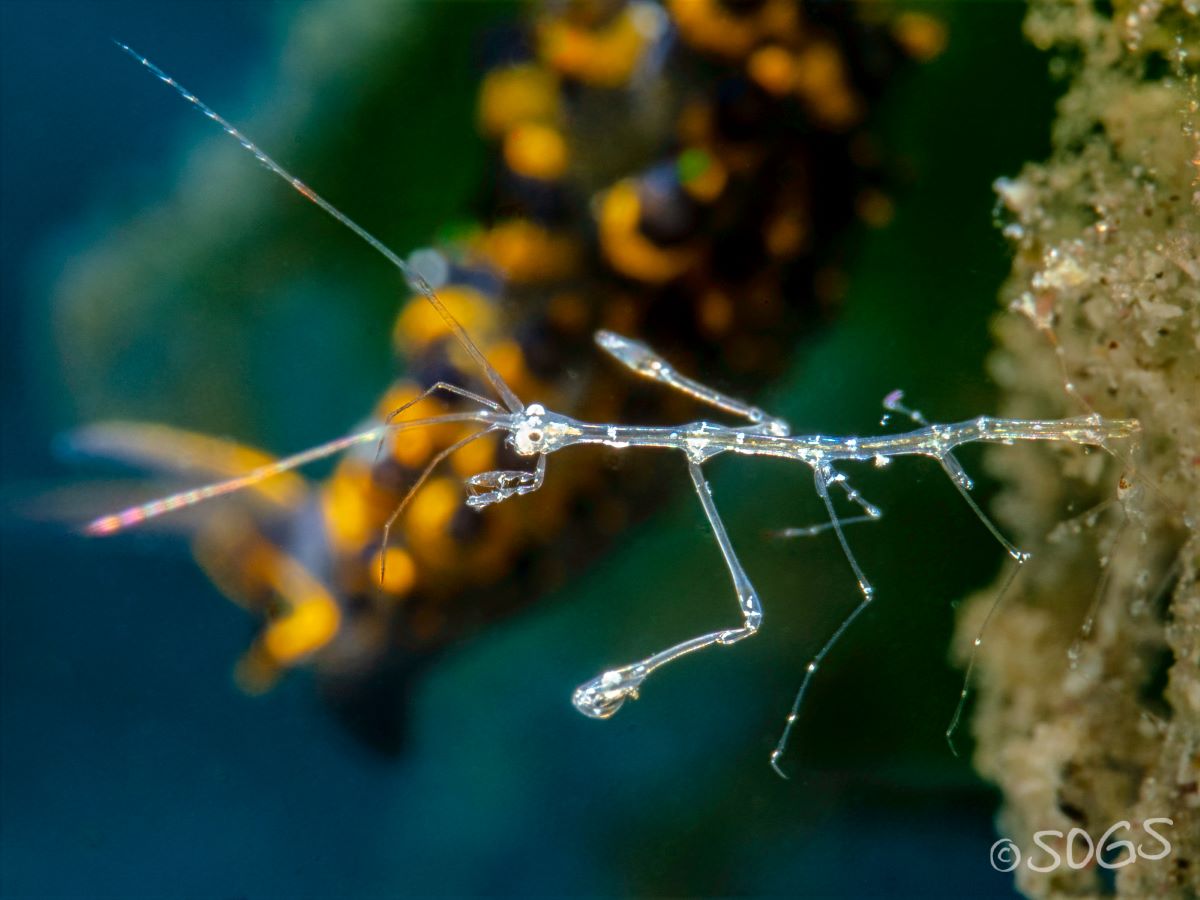
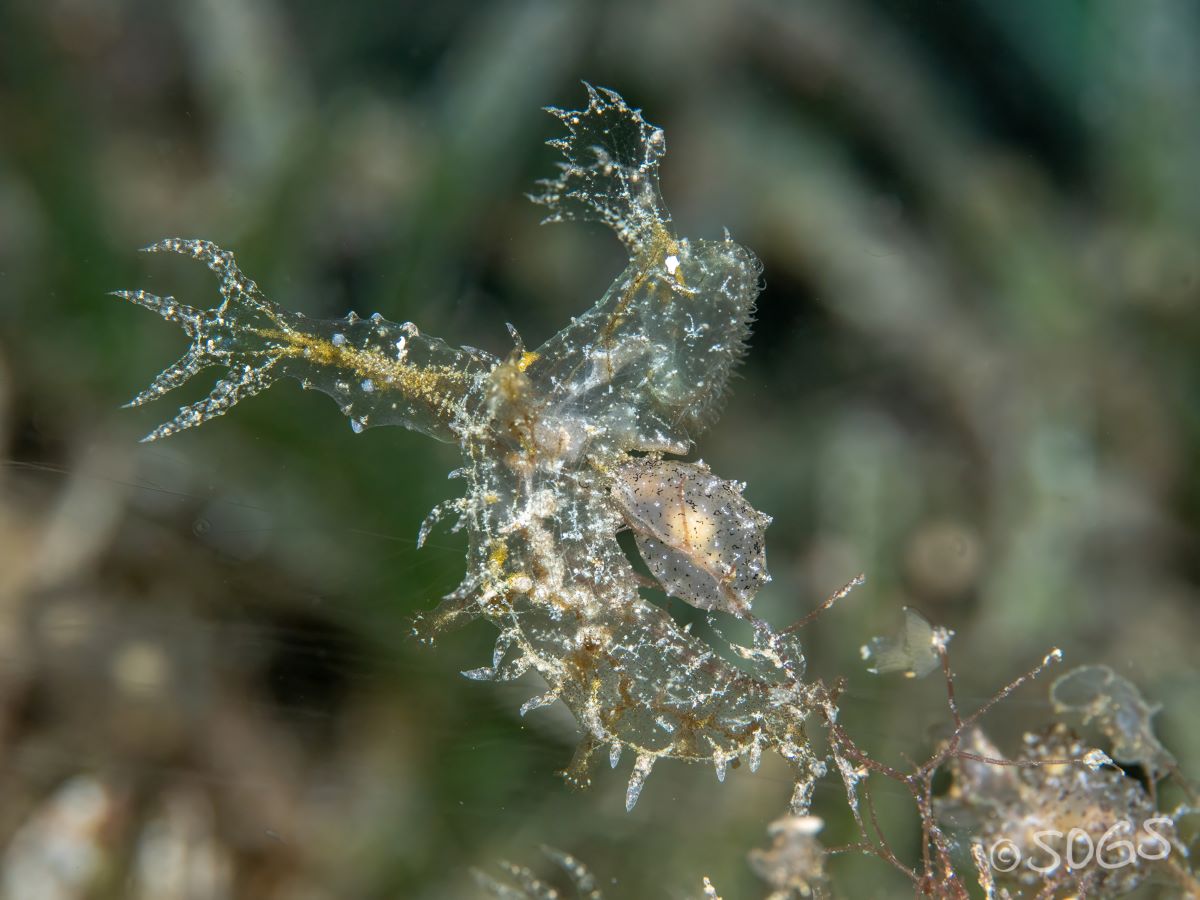
And then occasionally something completely unexpected turns up. Last week, that was four melibes hidden in the algae growing along one of the ropes. Translucent, delicate and almost invisible until you were right on top of them. Finding them was one thing, but photographing them was another challenge entirely.
And then there is the unpredictability of it all. Very often, you head out with one thing in mind and come back having found something completely different.
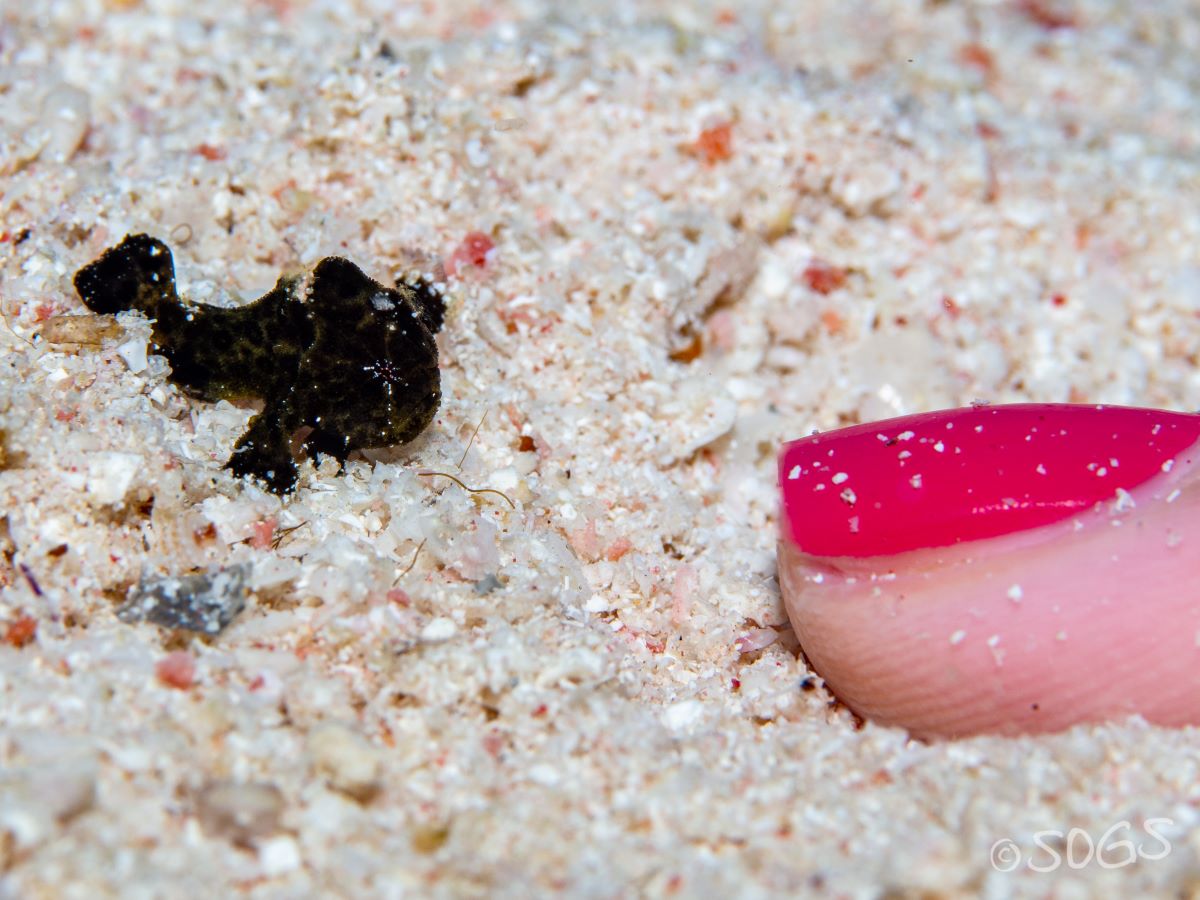
I remember spending time on the edges of sandy slopes on our house reef, specifically looking for ghost pipefish. It made sense on paper, the habitat was right, and we were focused on the details. But instead, we stumbled across a tiny black frogfish, barely a centimetre in size, sitting out in the open.
From that point on, everything shifted. Once we started paying attention to those same sandy areas, we realised they were there more often than we had ever noticed. Sometimes more than one within a small area. They had probably always been there. We had just never been looking for them.
That is often how it works here. You go searching for one subject and, in the process, train your eye to see something else entirely.
What makes this even more interesting is that finding the subject is only half the challenge.
In places like Indonesia, macro often happens in relatively open environments. Black sand slopes, isolated rubble, simple backgrounds where once you find your subject, you can usually position yourself without too much difficulty. The Red Sea is different.
Here, much of the macro life lives within healthy, complex reef structures. Nudibranchs seem to go out of their way to tuck themselves under coral heads, deep in crevices or along the undersides of ledges. You spot them, but that does not mean you can photograph them.
More often than not, you find yourself hovering at an awkward angle, trying to line up a shot without getting too close, without touching anything, and without damaging the very environment that makes the encounter possible. Sometimes the shot simply is not there.
That restraint becomes part of the process.
It forces you to think more carefully about buoyancy, positioning and lighting. It also means that when everything does come together, when the subject is visible, accessible and cooperative, the result feels far more rewarding.
This is where time becomes the most important factor.
Independent shore diving, particularly in places like Dahab and the southern Red Sea, allows for a completely different approach. Without a fixed route or a group to follow, you can stay in one area and let it reveal itself.
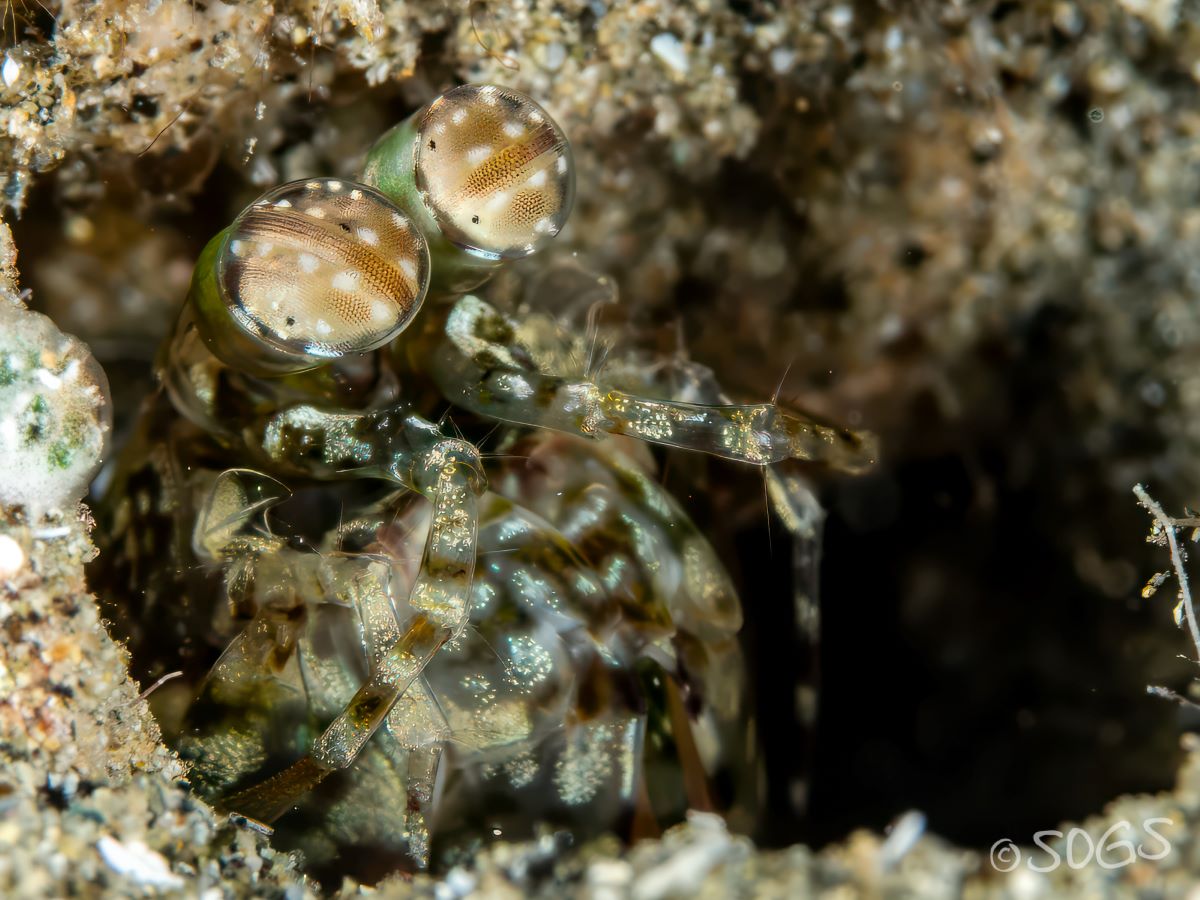
I was reminded of this recently during a sea slug census in Dahab. It was not intended as a photography trip, but it turned into one of the most rewarding photographic experiences I have had in a long time. Over 17 dives, we documented 71 species of sea slug, along with frogfish, seahorses, shrimps, gobies and more small life than we could reasonably keep track of.
This is Dahab, a place most divers associate with the Blue Hole and other well-known sites. Nudibranchs are not what usually comes to mind.
And yet, they are there in numbers and in variety, and in places you would not think to look unless you slowed down and committed to it. Macro in the Red Sea is not about luck, it is about attention. The life is there, but it exists on a different scale and on a different timescale to the diving most people are used to. Once you start diving that way, familiar sites change completely. A sandy corner you have passed a dozen times suddenly becomes the highlight of your week and a patch of rubble becomes more interesting than the drop-off you were originally aiming for.
The Red Sea has always had these small worlds within it. They just needed a different approach to see them.
In the final part of this series, I’ll look at why Red Sea macro continues to surprise, even after years of diving the same sites, and why the smallest discoveries can often be the most memorable.