Dive Antarctica with Jacob Guy: Part 2
Read Part 1 here.
Diving under Antarctic icebergs!
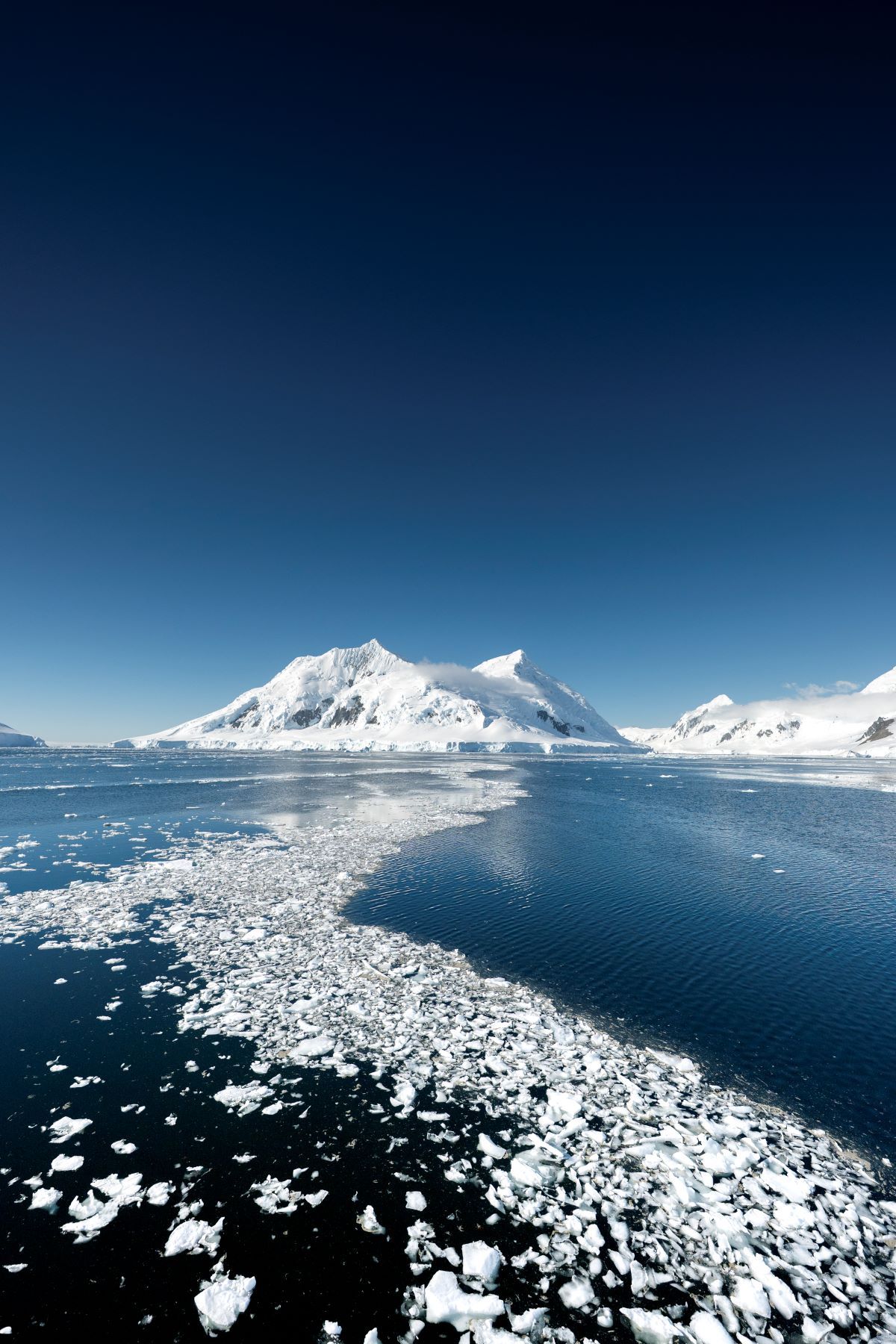 Diving in one of the most remote places on earth comes with a unique mix of logistical challenges and gear requirements, and getting there is easier said than done. Originally, the Ortelius expedition ship was scheduled to travel down the eastern side of the Antarctic Peninsula into the Weddell Sea, but that region was still frozen over. So plan B kicked in: head down the western peninsula, pushing further south into the Antarctic Circle and into territory no divers had explored before.
Safety in a location this remote is non-negotiable. The closest real treatment for DCS or serious injury was back in Ushuaia, three days of sailing away and too far for a helicopter. We had a doctor on board, but minimising any risk was always the priority.
So why dive somewhere with such high consequences? This was a citizen science trip run by Blue Green Expeditions, where divers worked alongside scientists on survey work, sample collection, and documentation. For me, it was about capturing that work on film, pushing myself as a filmmaker while connecting people to a place most will never see, but whose importance they should understand.
After two and a half days crossing the Drake Passage, which tested my sea legs and kept me horizontal for roughly half of it, we arrived at Yalour Island for our first dive. The operation was efficient and well organised. With over 40 divers on board, we were split into two main groups, each with six zodiacs carrying four to six divers each, dropped in slightly different areas to preserve that magic of feeling genuinely alone in one of the most unpopulated places on earth.
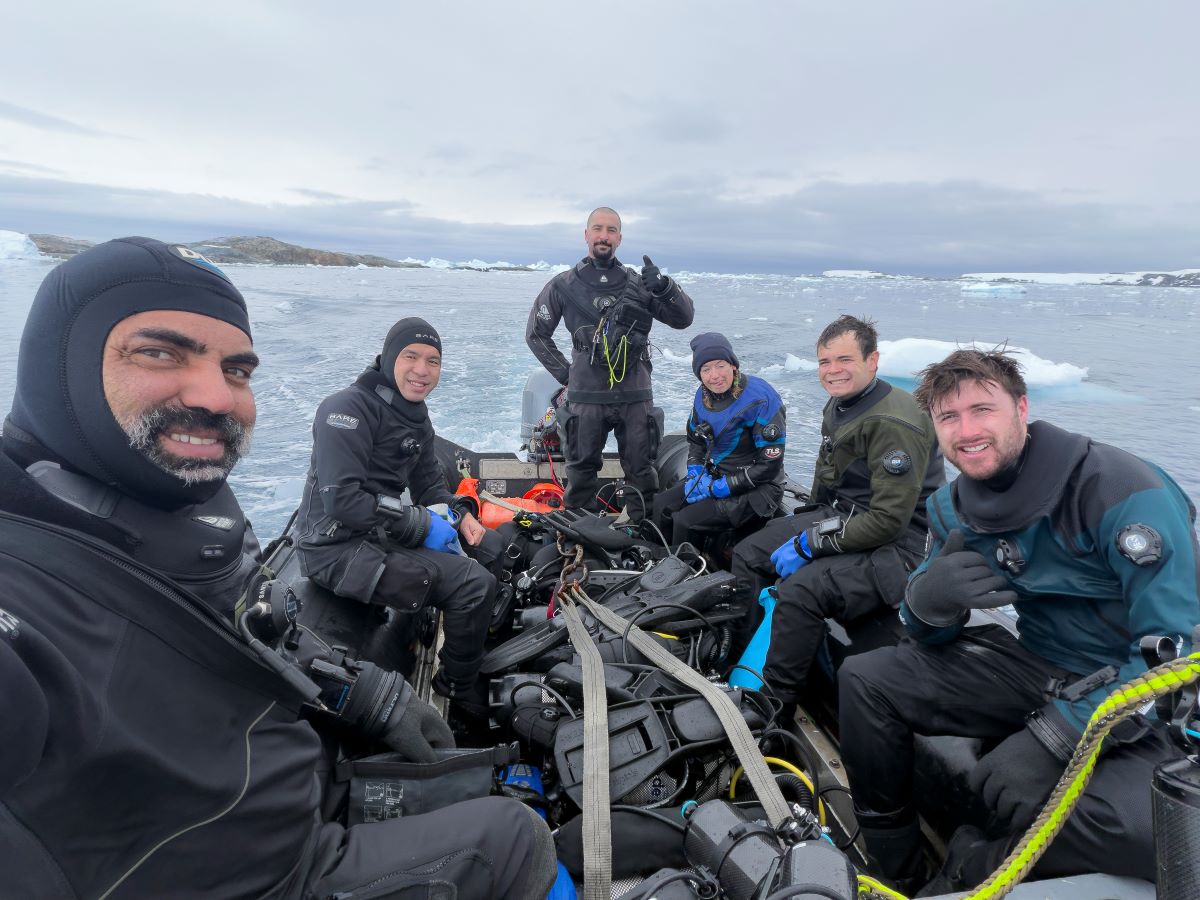
Here’s how it worked: you gear up in your base layers in your cabin, then head to the heli hangar where the drysuits are stored and heaters keep everything warm and dry. Load your dive gear onto your designated zodiac, camera included, always secured in the front storage box, then the boats are lowered by crane into the water. From there you finish gearing up, zip up completely, and double check those dry gloves. I triple checked my zip every dive, even after a buddy had done it. A couple of suit floods on that first day was all the reminder I needed.
We reached our site weaving through a stunning iceberg field, and then it was time. Checks done, 3, 2, 1, go.
Rolling into sub zero water, your mind braces for the coldest you’ve ever been. That first ten seconds always brings the same thought: am I leaking anywhere? But then it passes, you realise you’re dry and warm, and you start to descend. As a check out dive I kept my camera with me for weighting, and what we found was crystal clear water, icebergs floating above us, kelp clinging to pale rocky substrate sloping down into the depths. A sea butterfly flapped past my mask and I knew it was time to actually start diving.
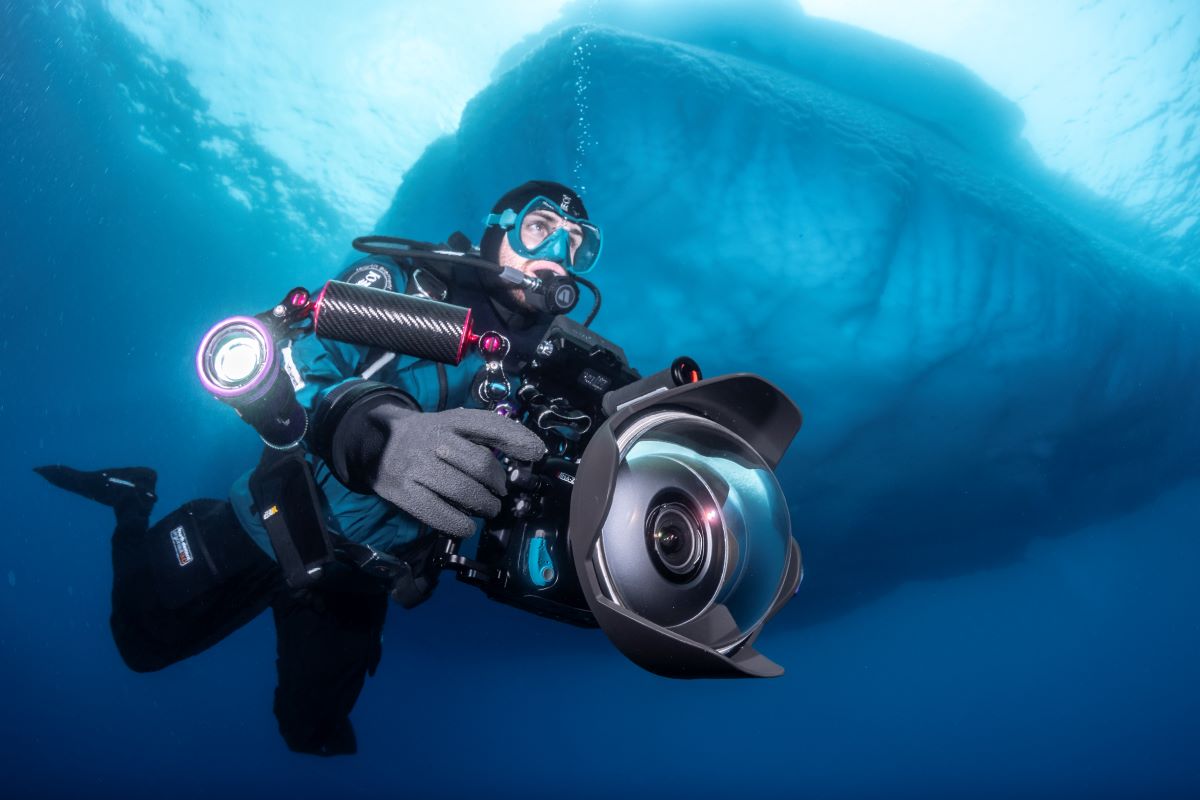
Everything ran smoothly for the first 25 minutes, fish, crustaceans, distant shadows of penguins. Then I noticed my fingertips getting cold right as my regulator started releasing more air than usual. I slowed my breathing, but it didn’t stop the inevitable: a freeflow. My buddy understood before I even signalled. We surfaced, luckily only a few minutes short of our 30 minute limit, but every minute down there is precious.
Beyond the diving itself, the citizen science projects added another layer to the whole experience. We were involved in sea star wasting disease analysis, micro algae species distribution, microplastic sampling, and zoo and phytoplankton surveys. Being in the water actively collecting samples and documenting the research process firsthand was something special.
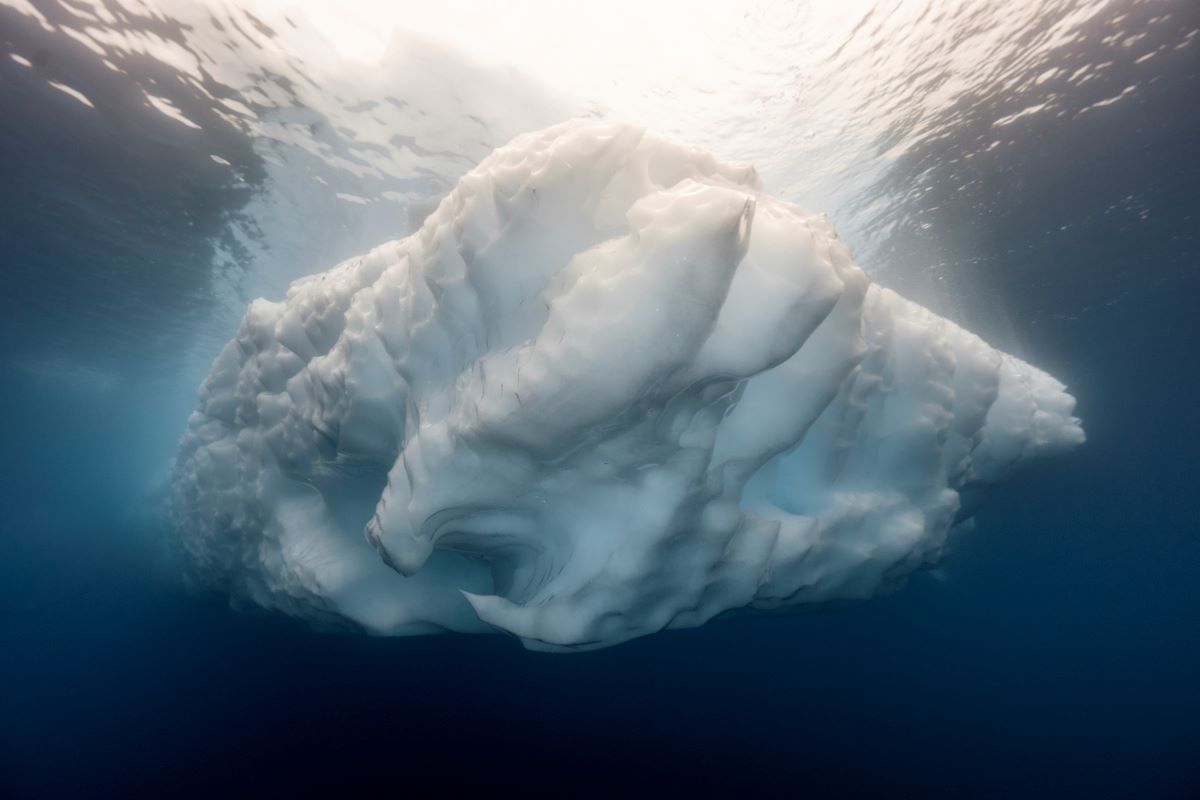
One of the real privileges of this kind of expedition is diving places no one has ever been before, guaranteed. Over three days we explored completely new locations, and on a few zodiac tours we genuinely believe we set foot on small islands that had never seen human footprints. There’s a constant sense of exploration: what will the topography look like, will we encounter anything unknown, or will it be completely barren? For the most part, we were rewarded, decent visibility, fascinating jellyfish species, dramatic boulder fields, and those extraordinary blue icebergs.
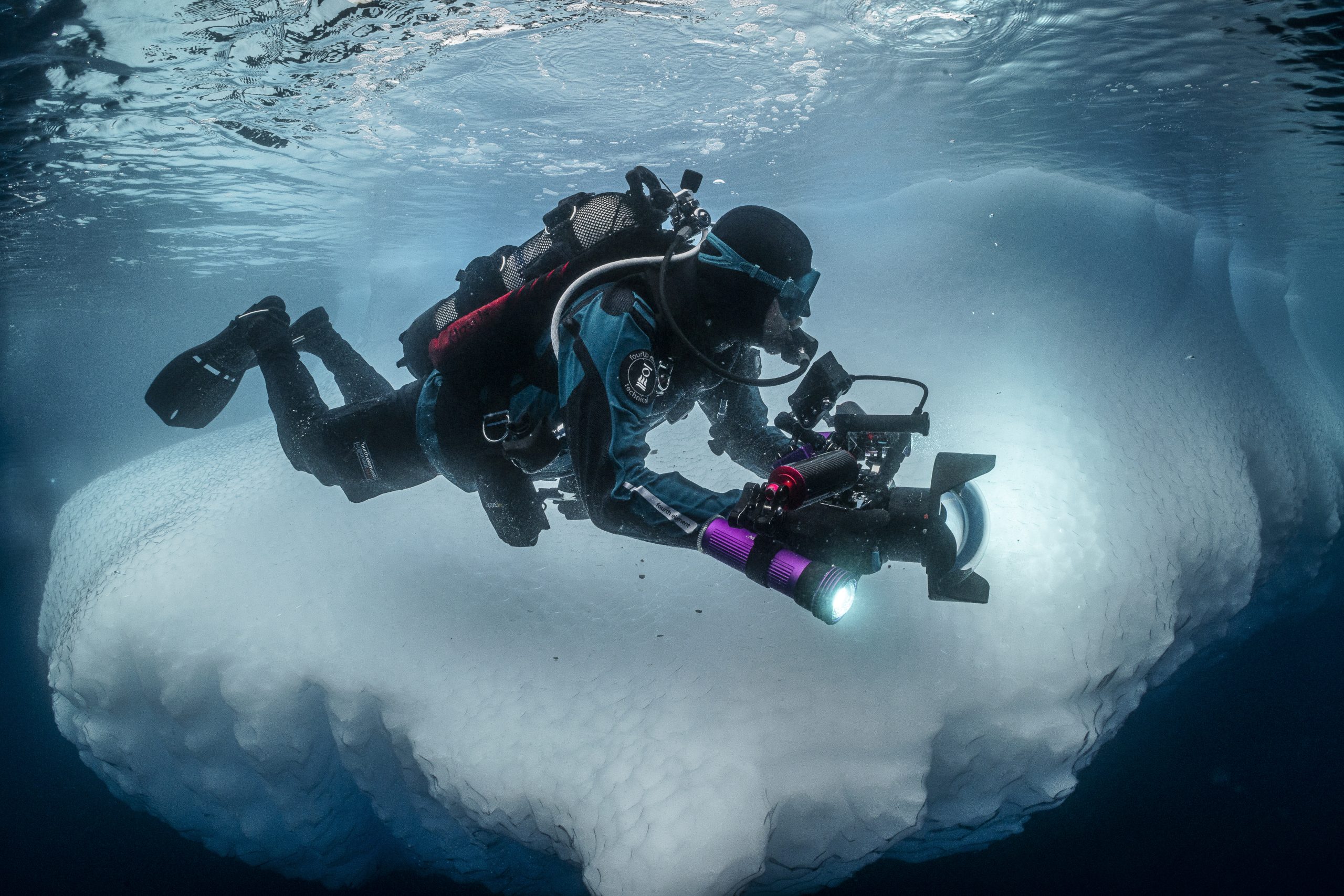
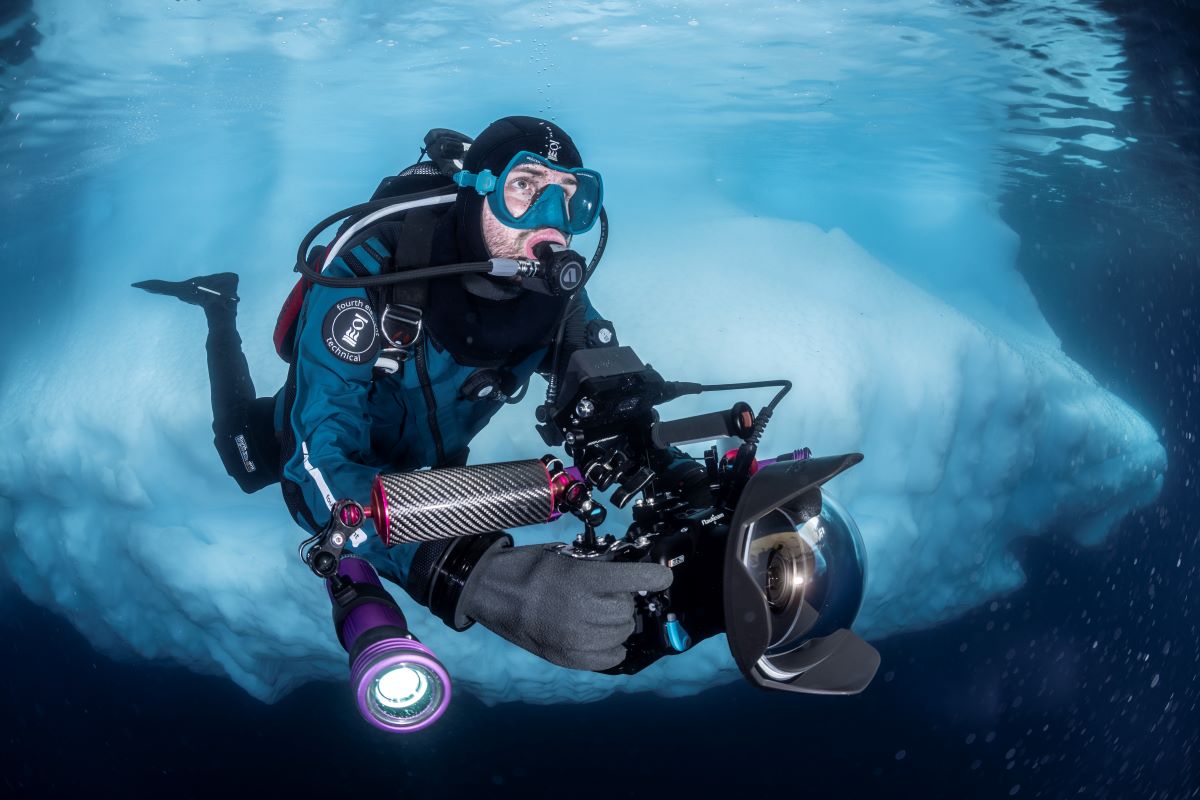
Diving an iceberg is an experience every diver should try to have. A tip from cold water diver friends proved essential: not every berg is safe to dive. You need to find one that isn’t actively calving, as the water and ice movement when that happens can be violent and extremely dangerous.
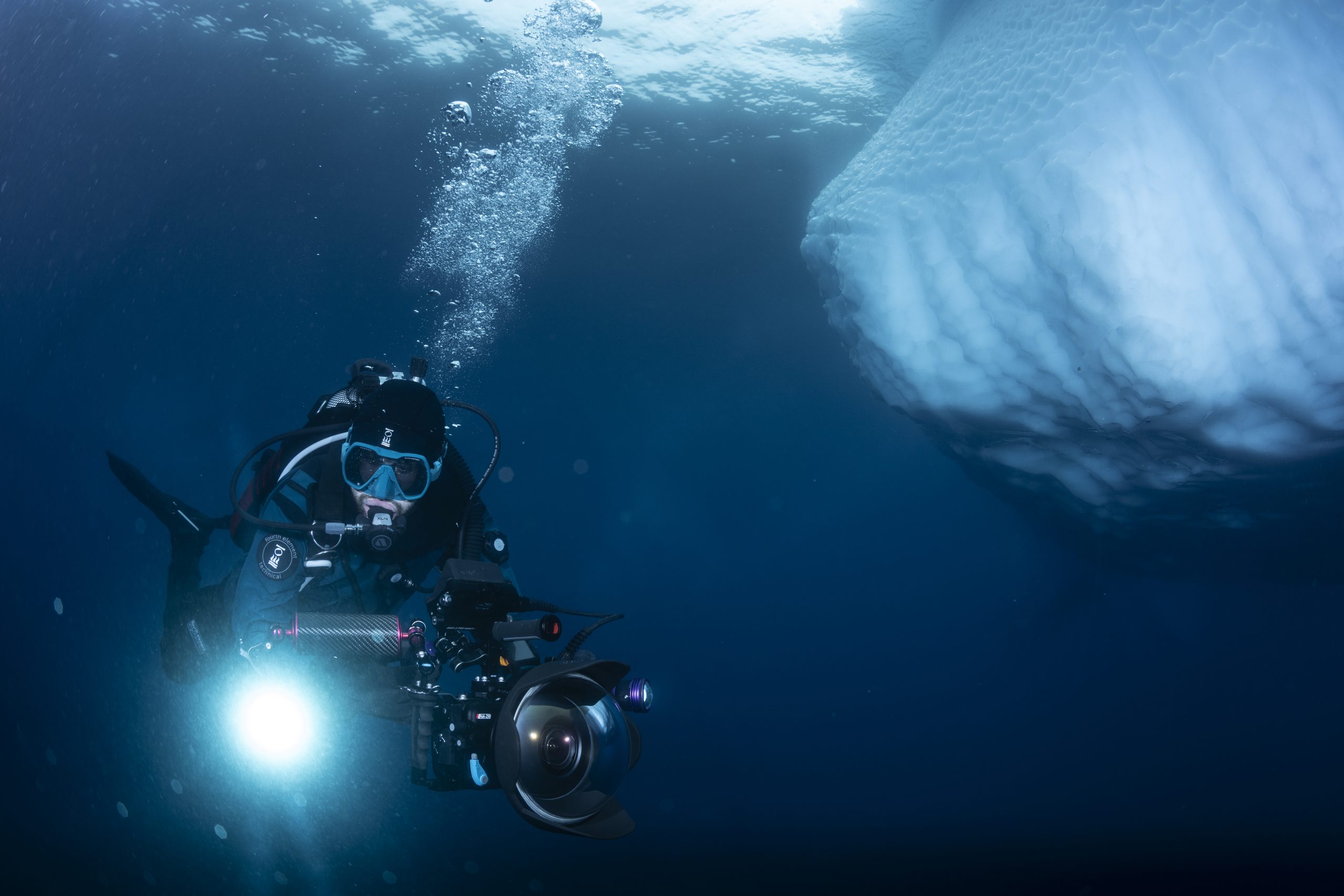
There’s also a physics quirk that catches divers off guard: as you approach the ice, you suddenly start sinking. Meltwater creates a freshwater halo around the berg, and since you’re weighted for saltwater, entering that freshwater zone makes you around 2kg negatively buoyant. Once you know it’s coming, it’s manageable, and then you can focus on what actually matters: the texture of the ice, smooth and wavy under your gloves, and those colours. So many shades of blue and white.
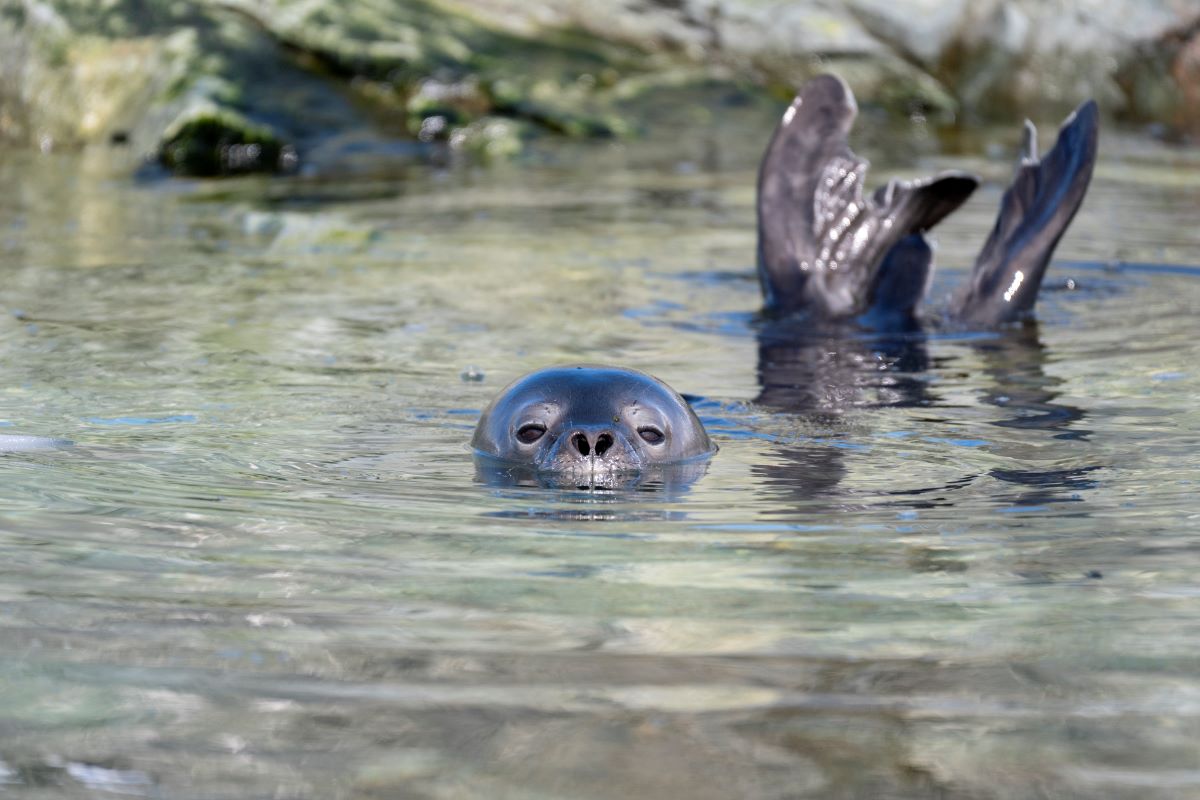
Then the radio crackled. One of the other zodiacs had found a leopard seal, one of Antarctica’s apex predators, and we were heading over to get in the water with it…