Scubaverse Photo Team Focus: What Underwater Photography Resorts Need!
Scubaverse Photo Team Focus is an ongoing series which brings together the voices of the Scubaverse Underwater Photography Team to share what really matters in underwater photography today. Each instalment explores a different aspect of the craft through personal insights, candid stories, and thoughtful opinions.
We all remember the days of hauling our gear back to our rooms, always seemingly the furthest possible distance from the dive centre, only to drag it all back again the next day… or worse, before the next dive! Thankfully, at many dive resorts around the world, those days are mostly behind us.
Here at Scubaverse, we thought it would be great to ask our new photography team to share their thoughts – the good, the bad, and the downright ugly – when it comes to photography dive resorts, liveaboards, and day boats. Hopefully, their insights will help you choose the perfect destination for your next photo or video adventure.
Saeed Rashid
 Over the years, I’ve visited lots of resorts and liveaboards, and it’s been great to see how much things have evolved to cater for us underwater photographers and videographers.
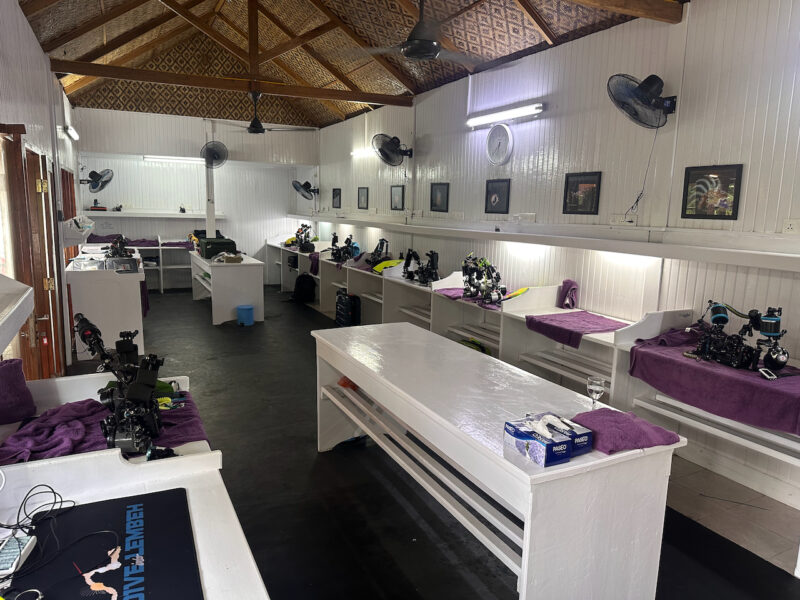
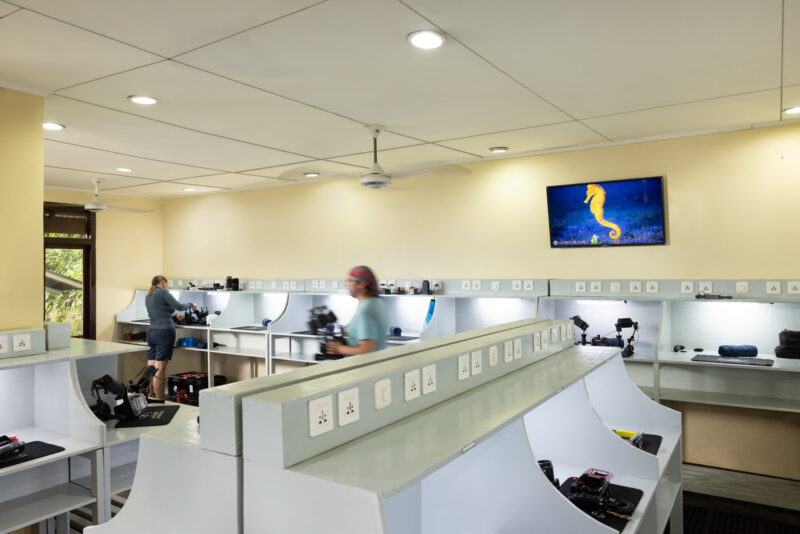
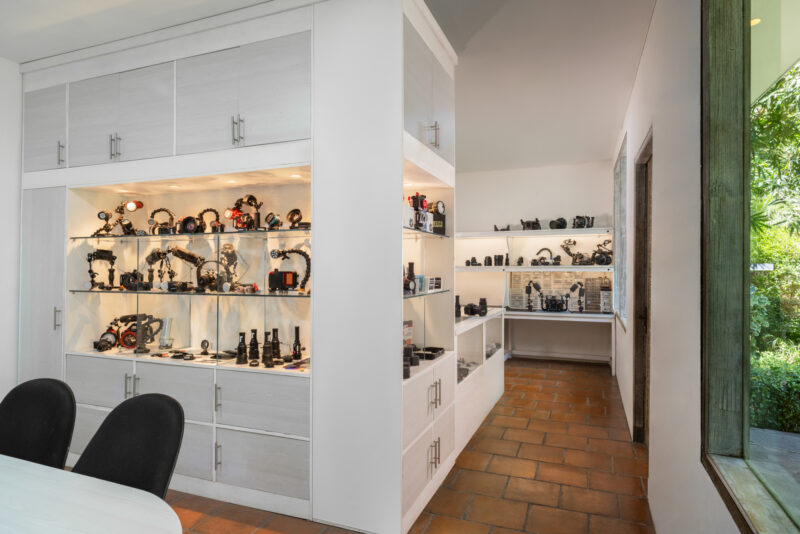
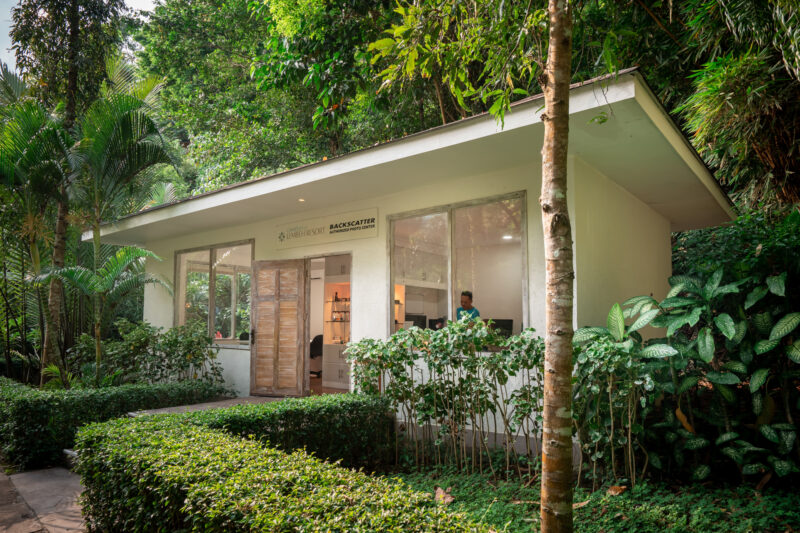
Camera rooms are becoming increasingly standard, which is brilliant, but not all are created equally. For me, a good camera room needs to be as close to the dive area as possible, and it has to be cool, light, and airy. I’ve been in a few that felt more like dark, sweaty cupboards and trust me, that’s not somewhere you want to spend any time.
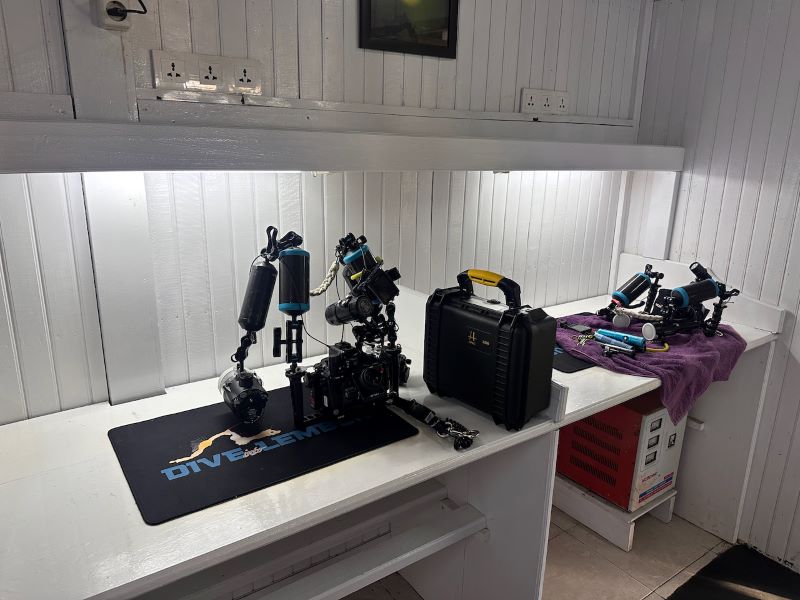
The camera room should be a space where you can comfortably hang out, chat with fellow photographers, and pick up tips. Because of their nature, they can easily get damp and even attract mosquitoes, so good airflow is a must. Lighting is another big one, personal lighting makes a real difference. A decent LED strip does the job nicely, and a little spotlight on a flexible arm is a great bonus.
Something I’ve noticed recently, and I love, is camera rooms with USB charging ports alongside international plug sockets. It’s such a good idea, especially now that so much of my kit is USB-powered. One small tip from bitter experience: white surfaces, including the floor, are a godsend. If you’ve ever spent half an hour looking for that tiny black bit that pinged off your housing, you’ll know exactly what I mean!
We tend to think of camera rooms as a resort thing, but more liveaboards are catching on, too. They’re usually a bit more compact, but it’s great to see that dedicated space appearing, mainly to keep battery charging under control, but it also gives us a little space to ourselves, which is always welcome.
I won’t tempt fate by saying the ‘F’ word (we all know it’s bad luck!), but if something does go wrong, or you have a mechanical failure, it’s amazing when there’s kit available to hire. For many of us, these trips aren’t just holidays; they’re proper photography missions. So when your gear fails, it can be heartbreaking. Being able to rescue the trip with a bit of backup kit is an absolute lifesaver.
You also can’t underestimate the value of a photo-trained dive guide. I don’t just mean a good spotter, I mean guides who are photographers themselves. They’re an absolute gift underwater. Not only do they find the critters, they help you get the best angle, assist with lighting, and sometimes even model! Honestly, they’re worth their weight in gold.
If you’re really lucky, you’ll have access to an in-house photo pro. It’s a real treat having someone on hand who can offer advice, training, or just help fix something when your kit’s not playing ball. I love taking photos, but if my strobe won’t charge, which I’m absolutely useless at diagnosing. So, having someone with a bit of technical know-how is a real comfort.
And finally, not necessarily a photography thing, but easy entry points. I’m not as sprightly as I used to be, so I really appreciate resorts where I don’t have to scramble over rocks or battle big swell. A nice, calm bay, jetty entry, or easy drop from a boat makes all the difference and helps make the trip feel that little bit more special.
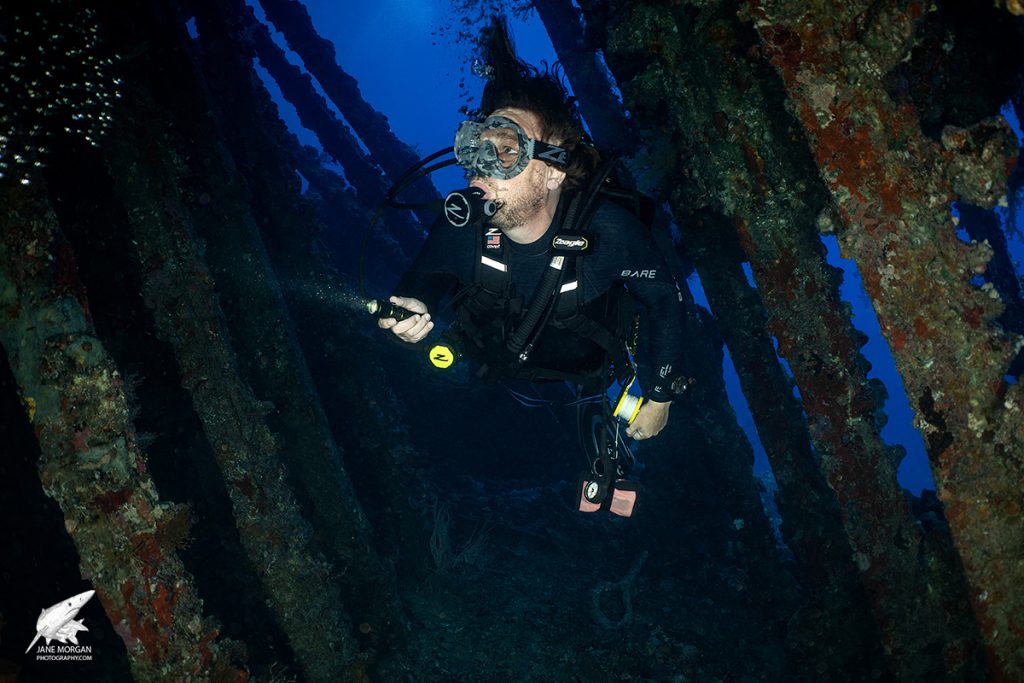
Jane Morgan
 Things have certainly improved when it comes to camera rooms. In my earlier days of travelling, you were lucky if you had a bucket to rinse your camera—anything more than that felt like sheer luxury! These days, it’s great to see that many resorts now offer dedicated camera rooms as standard. That said, the quality and setup of these facilities can still vary dramatically.
As a slightly more seasoned underwater photographer, I like to make things as easy as possible for myself. Lugging heavy gear across the island or over rocky shorelines is something I now try to avoid like the plague, especially since breaking my wrist on one! That’s why having a camera room located close to the house reef or jetty is absolutely essential.
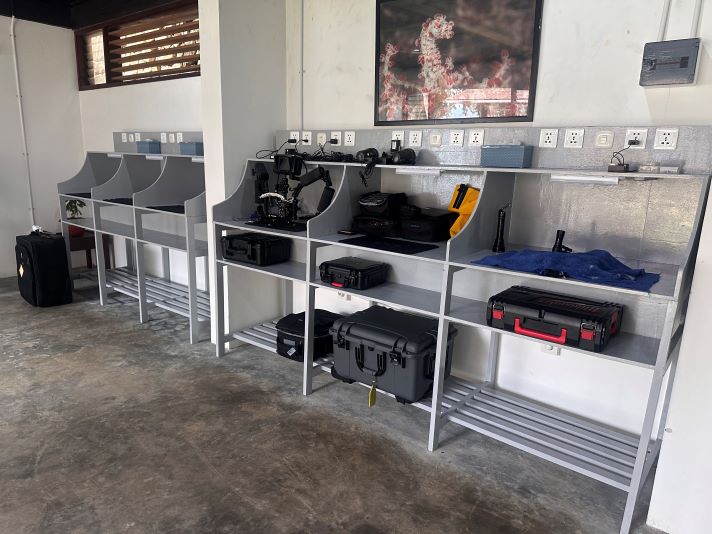
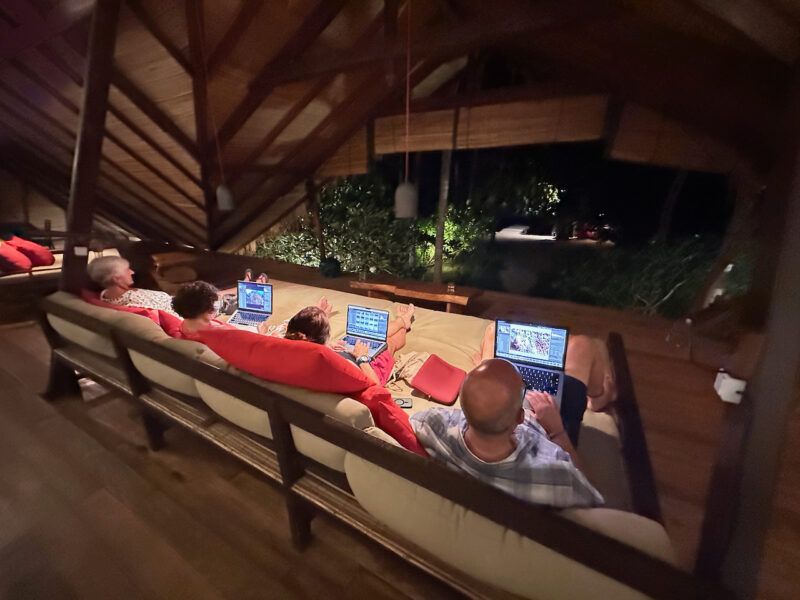
One of my top priorities upon arrival is to set up a personal workstation in the camera room—a space where I can unpack all my gear and keep everything organised for the duration of my stay. This means the room needs to be spacious, well-lit, and secure. Plenty of charging points are a must, and CCTV adds peace of mind when leaving your precious toys unattended.
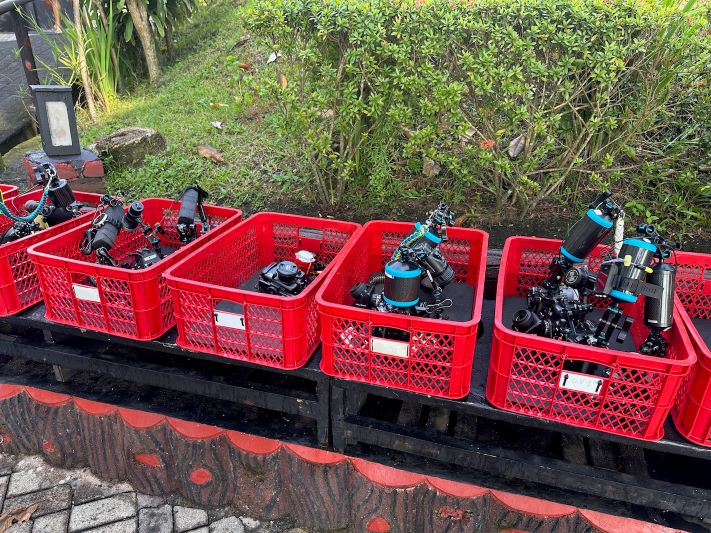
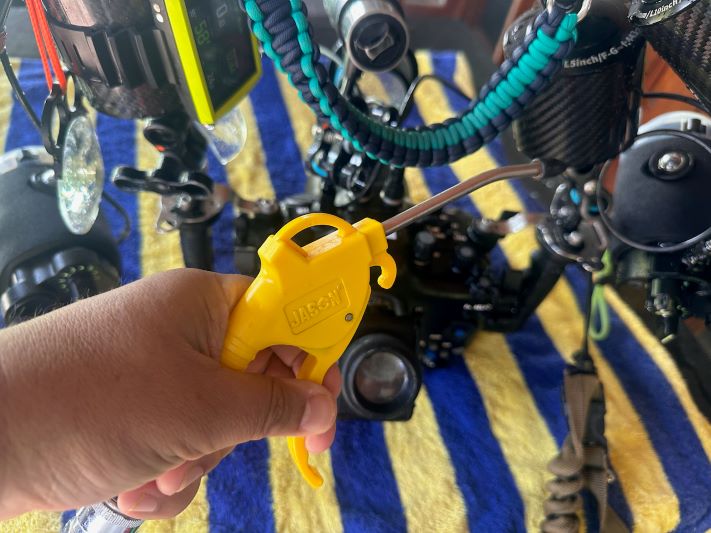
A rinse tank specifically for cameras should be close to the camera room, along with space to store damp housings after dives. Towels are essential, and airguns for drying gear are always a welcome bonus. Little essentials such as cotton buds and a selection of ‘O’ ring grease are also very welcome. Given that most camera rooms are in tropical locations, good ventilation is vital. Humidity is the enemy—especially when damp equipment is being brought in multiple times a day.
As a mature photographer, I’ve also come to really appreciate really good lighting. These days, checking ‘O’ rings in low light is not quite as easy as it once was!
And then, of course, there’s the Photo Pro. Knowing there’s an experienced professional on site is incredibly reassuring. Back in the day, it was all about getting your film developed to see how you were doing. Today, with the complexities of modern gear, it’s just as important to have someone who can help if something goes wrong. I’ve been known to forget a charger or two, so having a pro nearby who might have spares—or at least know where to get them—is invaluable. Plus, most photo pros are underwater shooters themselves, so they’re great at helping you find the right critters, set up your shots, and, on occasion, even model for you! And let’s face it—underwater modelling is an art form in itself.
Shannon Moran
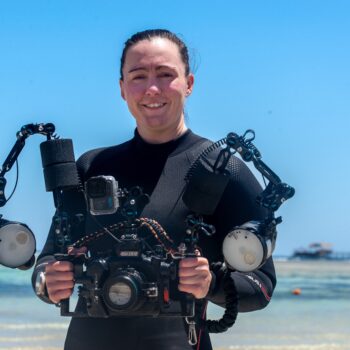 Like many underwater photographers, I tend to look for specific things when booking a dive trip, mainly to ensure that my time can be spent both enjoying the diving and finding great subjects to photograph!
I haven’t had the luxury of visiting many “photo” resorts or liveaboards, so my standards for a photo-specific resort are relatively low. As long as I can have the time and freedom to take photos, I’m happy! I’m yet to experience the wonders of resorts with camera rooms, a clean camera room with your own space to set up, camera washing facilities, photo pros and even shops built in… maybe one day!
For me the number one thing is knowing that my camera kit is safe during my trip, that if I briefly leave my kit in a rinse tank, on the deck of a boat or when handing my camera to the dive crew it won’t be damaged or lost! There’s also a lot to be said for day boat skippers who are aware of the cameras, particularly during choppy rib rides, if your only option is to keep the camera between your legs or at the back of the boat, a skipper who can try to minimize the amount of movement on the boat is appreciated!
The next thing I look for is a place to rinse my camera, ideally a dunk tank and somewhere to dry the camera, low pressure air guns are super useful for drying kit and it saves me carrying my own attachment!
Onto the accommodation, does the resort have adequate facilities for charging the ridiculous amount of camera batteries we photographers bring with us? Or is an extension lead going to be needed? Is there a table or a space I can use to set up the camera, or do I need to use the floor? It’s important that the space is clean, with a clean space there’s less risk of getting sand or fibres etc on the ‘O’rings during camera set up.
And finally the diving. I do like to have a dive guide for new sites to point out critters, but once I know the site and where these things are, I like to be left to photograph the area unguided. The worst thing is when you have a guide hurrying you along the dive site, or the feeling you need to “stick with the group” – I find I get much better images when I have time to explore!
The ideal for me is somewhere that allows you the freedom to explore sites without a guide rushing you along the site, an adequate amount of clean, dry space to set up my camera and somewhere to wash it. A relatively small list, but an important one.
Jacob Guy
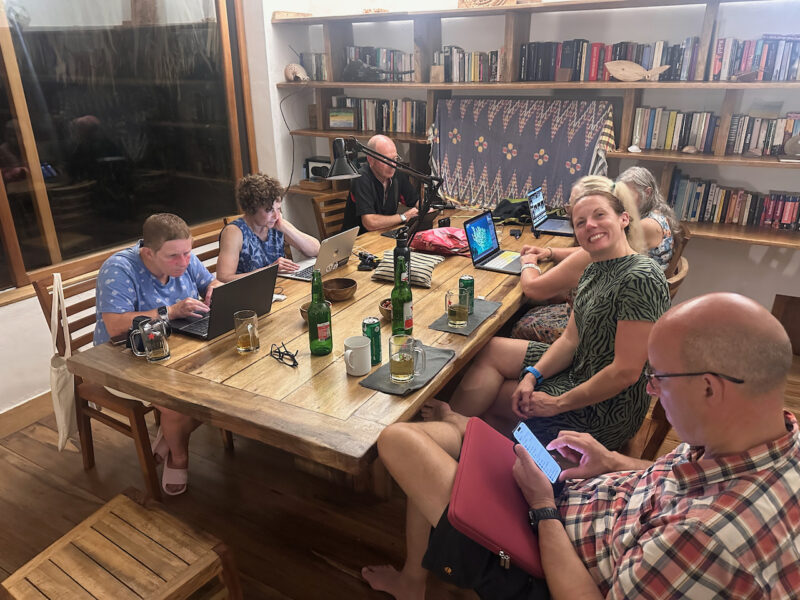
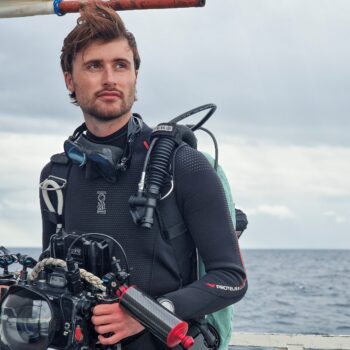 Over the past few years, I’ve been lucky to travel, dive, and stay in all sorts of resorts and liveaboards. Along the way, I’ve figured out what makes a place truly photographer-friendly, and where some still miss the mark.
Underwater photographers pour time, money, and care into our gear. So when a resort or boat does the same, it means a lot. One of the best ways to help is with a proper camera room.
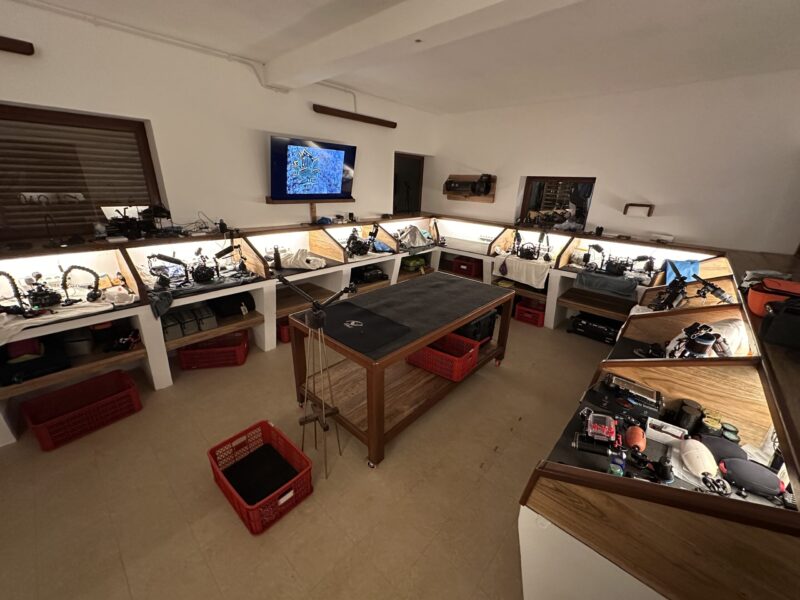
Not everyone uses one, of course. If there’s no air con, guests often set up in their rooms instead. That’s why having a big guest room with a desk and plenty of plugs is already a great start. But a cool, dry, well-designed camera room is far better.
Air conditioning isn’t just about comfort; it protects sensitive kit from humidity. I’ve had gear fail simply from sitting in damp air. A dry space can massively extend its life.
Other handy features include universal charging stations and USB ports so you don’t need a bag of adapters. A rinse tank with an air gun for drying (carefully!) is another bonus. Plenty of workspace and storage keeps everything tidy and within reach.
Working in a resort photo shop showed me what travelling shooters really need. A well-stocked store with spares, batteries, O-rings, SD cards, even strobes, can save a trip. Even better, some resorts have photo pros on-site. They can troubleshoot, run workshops, and help sharpen your skills.
If those pros are also dive guides, even better. A trained eye knows how to find subjects that actually make good shots. Some guides can model underwater too, adding life and scale to your images. A marine biologist on staff is another win, knowing animal behaviour helps you anticipate the perfect moment.
Top resorts sometimes host full photo and video workshops with big-name shooters. Choosing one of these spots is a safe bet that the setup will be photographer-friendly.
Not every resort or liveaboard can offer it all, space is limited. But more operators are stepping up, and hopefully, soon these features will be standard. Knowing what to look for helps you pick destinations that support your creative vision and make each dive even more rewarding.
So there you go, our 4 in-house pros give you some great advice. So when you are booking your next photography focus dive trip, look out for the following:
Camera Room
- Close to the dive area
- Cool, airy, good airflow
- Bright lighting + white surfaces
- Plenty of plugs + USB ports
- Rinse tanks + air guns
- Towels, O-ring grease, cotton buds
- Secure storage / CCTV
Setup & Accommodation
- Clean table space
- Reliable charging
- Separate damp/dry storage
People
- Photo-trained guides
- On-site photo pro
- Marine biologist insights
Extras
- Shop with spares
- Backup kit hire
- Easy entry points
- Freedom to dive at your pace
Whenever and wherever you book, have an amazing time!