Scuba Diving in India: 5 Best Places to Visit Now

India doesn’t get the attention it deserves for its scuba diving. With its white-sand beaches and tropical islands, this stunning country is on a par with some of the world’s best-loved diving hotspots. There are isolated coral reefs, shipwrecks, pinnacles, remote atolls, and walls that host an eye-popping array of Indian Ocean marine life. With India recently opening its borders to fully vaccinated travelers, now is the time to explore this incredible destination before the rest of the world finds out.
- Andaman and Nicobar Islands.

The Andaman Islands sit off the coast of India in the Bay of Bengal, surrounded by bright blue waters and fringed with isolated coral reefs. It is a tropical paradise destination with thriving mangroves that support diverse marine life and extraordinary birdlife.
Many of these beautiful islands are inhabited by the Andamanese, an indigenous group of people whose privacy is paramount, meaning you cannot visit all of the islands. Some of the Andamanese tribes, such as the Sentinelese, have had little to no contact with the outside world for many years.

Havelock Island and Neil Island are two of the most exceptional diving spots in the Andaman Islands and are regularly rated as two of the best places for scuba diving in India.
Havelock has excellent macro diving, whilst Neil Island offers pristine coral reefs and fewer divers. Together they host some of the best marine life that the northern Indian Ocean has to offer.
When to go: November to April.
- Goa

Sitting on the west coast of India by the Arabian Sea, Goa is known for its long stretches of golden sands and lively nightlife. But if you step back from the bustling bars, you will find picturesque dive sites and a destination rich in culture and history.
Grande Island is a hotspot for water sports and is one of Goa’s best dive locations. There are dive sites for every level of diver at this must-visit island, plus some of Goa’s famous shipwrecks.
As an important trading port for centuries, Goa has around 100 shipwrecks off its shores, which have become thriving artificial reefs. As well as wrecks galore, Goa also has shallow coral gardens and striking pinnacles that attract tourists to Goa scuba diving every year.
When to go: October to May.
- Puducherry

Puducherry’s crystal-clear waters are enough to attract any keen diver to explore this well-known French colonial settlement and the surrounding area.
Above water, Puducherry is a quaint destination with a French Quarter of bougainvillea-lined streets, colorful colonial villas, and sophisticated boutiques.
Below water is equally as eye-catching, with a huge range of diving opportunities along Puducherry’s vast coastline. There are unexplored coral reefs and shipwrecks, plus famous dive sites such as Coral Sharks Reef – a great novice dive site with plenty of reef sharks.
Go in search of sea snakes at Aravind Wall, one of the most famous dive sites in India, explore popular Four Corners, or head into the deep, dark depths at The Hole.
When to go: February to April, September to November.
- Netrani Island, Karnataka.

Netrani Island (Pigeon Island) is one of India’s best-known dive spots and sits off the famous temple town of Murdeshwar. Shaped like a heart, it is also known as ‘the heart of India’s diving’ and offers world-class diving with excellent conditions.
There are rarely any currents at Netrani’s dive sites, making it an ideal destination for Open Water Divers and novices who want to learn to dive.
Most of the diving is done from boats, taking you to explore diverse coral landscapes bursting with colorful marine life. Keep an eye on the blue when you dive there, as whales sometimes visit this special island.
When to go: October to May.
- Lakshadweep

Lakshadweep, an archipelago off Kerala, has 36 atolls and coral reefs, with lagoons full of life and pristine reefs. Whilst you cannot visit all of the islands, those that you can visit make it a fantastic place to dive. And when you’ve had your fill of diving, you can explore Kerala’s famous tea plantations.
Whichever islands you choose, the clear blue waters of Lakshadweep have a seemingly endless list of marine life highlights, including sharks and sea turtles.
Bangaram Atoll is entirely surrounded by coral reefs and the continuous nature of the reef makes it one of the most interesting places to dive at Lakshadweep. As well as gorgeous corals, Bangaram hosts Princess Royal, a famous 200-year-old shipwreck.
Kadmat Island, or Cardamom Island, is all about turquoise waters, white sand beaches and encounters with numerous sea turtles. With healthy seagrass beds and coral reefs to dive, it is a mecca for marine life. Make sure you leave time to visit this impossibly idyllic island.
When to go: October to May.
Who is diving in India suitable for?
With over 8000 kilometers of coastline, India has a broad range of dive destinations to suit every dive experience level. There are plenty of easy-going dive sites for novices, plus adventurous dives for experienced divers.
What marine life will you see when diving in India?
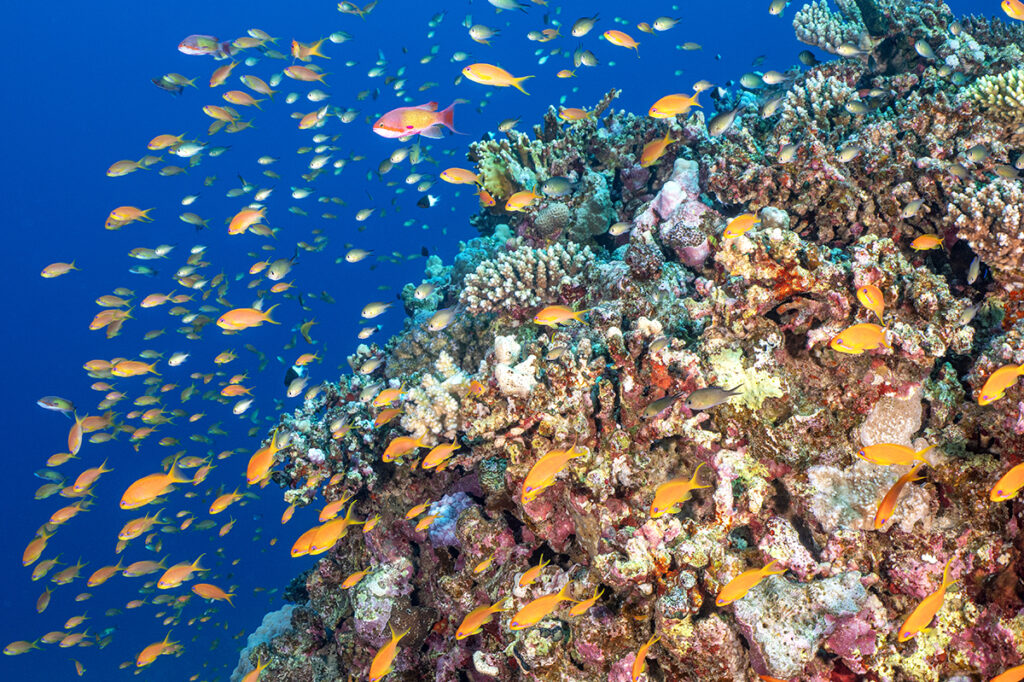
Sitting in the Indian Ocean, India’s dive sites host a huge variety of life, including abundant tropical reef fish, lion fish, moray eels and prized critters. Sea turtles are regularly spotted cruising the reefs and nest at many of India’s islands. Manta rays, whales and dolphins are also seen in India’s waters.
Kathryn Curzon, a shark conservationist and dive travel writer for Scuba Schools International (SSI), wrote this article.