Resolutions for an ocean and planet-friendly 2022

 With concern for the climate crisis and health of the planet at an all-time high, the Marine Conservation Society suggests resolutions for an ocean and planet-friendly 2022.
Four in 10 people said climate, environment and pollution were a major issue for Britain in a recent poll* – the highest ever score for the topic since it was included in Ipsos MORI’s issues index in October 1988.
Take action to help clean up the ocean
With 62% of respondents in a recent survey saying they were very or extremely concerned about plastic pollution in the UK**, it’s understandable that people want to play their part in fighting it.
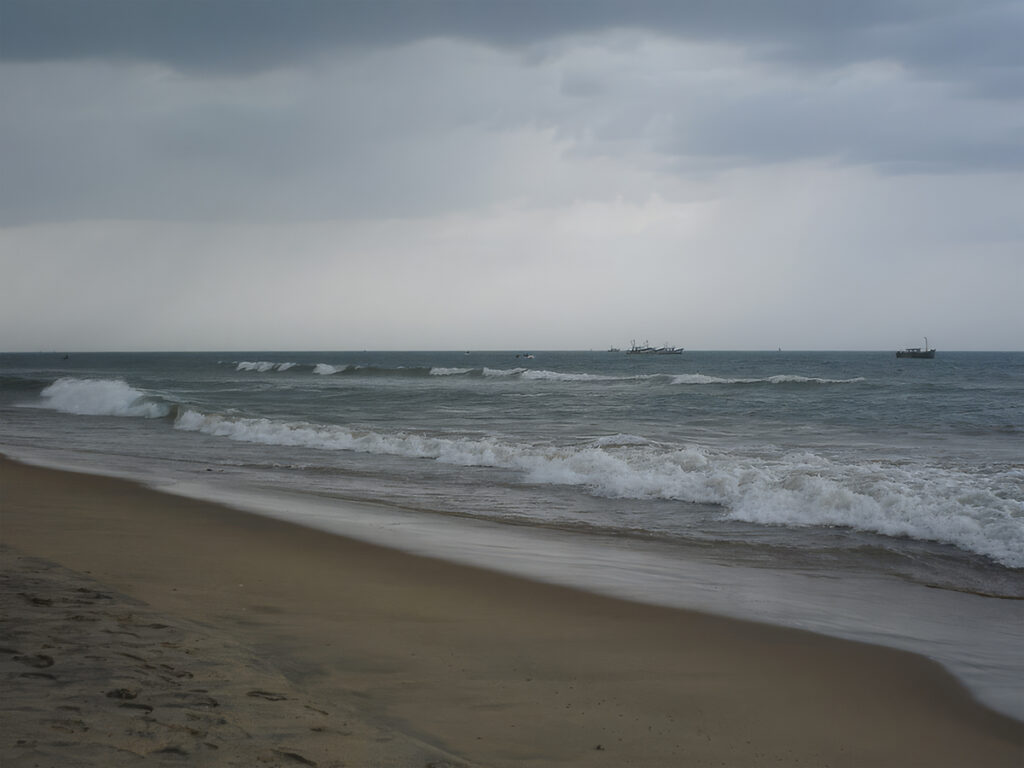
The Marine Conservation Society’s beach cleaning programme operates year-round, with beach cleans available to join as a volunteer, or organise for friends, family or colleagues.
Joining a beach clean with the charity also supports the Marine Conservation Society’s campaigning work. Volunteers collect litter and record what they find, feeding into more than 25 years of data.
To make a real difference to the state of the UK’s seas, make a resolution to help clear up the coast with the Marine Conservation Society. Find more details, and a beach clean near you, here.
Go ‘climatarian’
Looking carefully at where your food comes from and choosing sustainable options, is an impactful way to reduce your impact on the environment.
In Waitrose and Partners’ Food and Drink Report 20021-22 the supermarket identified climatarianism as a trend for 2022.
If you are buying seafood (or meat or dairy), be sure to shop mindfully. Consider how it was caught or farmed and where.
The Good Fish Guide is an easy-to-use resource to search for the most sustainable seafood options; choose seafood rated green on the Guide to minimise your impact on the marine environment and help protect blue carbon stores.
The Guide is downloadable from www.mcsuk.org/goodfishguide, and available offline.
Some low carbon seafood options include:
– UK farmed shellfish such as mussels
– Handline-caught mackerel (from southwest UK)
– Anchovies from northern Spain
Become a citizen scientist
Getting involved in projects which provide data and insight to scientists is a fantastic way to proactively help protect the ocean and planet. Everyone can become a citizen scientist, and the Marine Conservation Society has various different projects to get involved with:
– Big Seaweed Search: seaweed tells scientists a lot about the state of the sea. By learning what species of seaweed can be found where around the UK coast, scientists can better understand things like ocean warming and acidification. Simply download the survey form, head to the coast and identify what seaweed you see.
– Wildlife sightings: amazing wildlife is regularly spotted around the UK, and identifying what animals are coming to our shores really helps scientists understand the impacts of climate change on wildlife. If you see jellyfish or turtles when at the coast, let the Marine Conservation Society know via this sightings page.
– Beach cleaning: the charity’s year-round beach cleaning programme asks volunteers to clear and survey the UK’s beaches of litter. Support by arranging your own beach clean, or find one near you.
What’s more, research has shown that time by the sea brings real benefits for people’s health and wellbeing. Spending more time by the sea, or looking after it, is a resolution that not only supports the fight against the climate crisis, but also supports physical and mental wellbeing.
Explore the Marine Conservation Society’s Our Blue Heart project, and find ways to get involved at the coast on the charity’s website.
Join a community of ocean optimists
By supporting the Marine Conservation Society, members help the charity fight for the future of the ocean.
The charity’s campaigns, supported by members, have had real results on the health of the ocean. Thanks to data gathered by volunteers, and policies campaigned for by members, there’s been a 55% drop in plastic bags on UK beaches since charges were introduced in 2011.
Learn more about becoming a Marine Conservation Society member on the charity’s website.
Dive (or snorkel) in
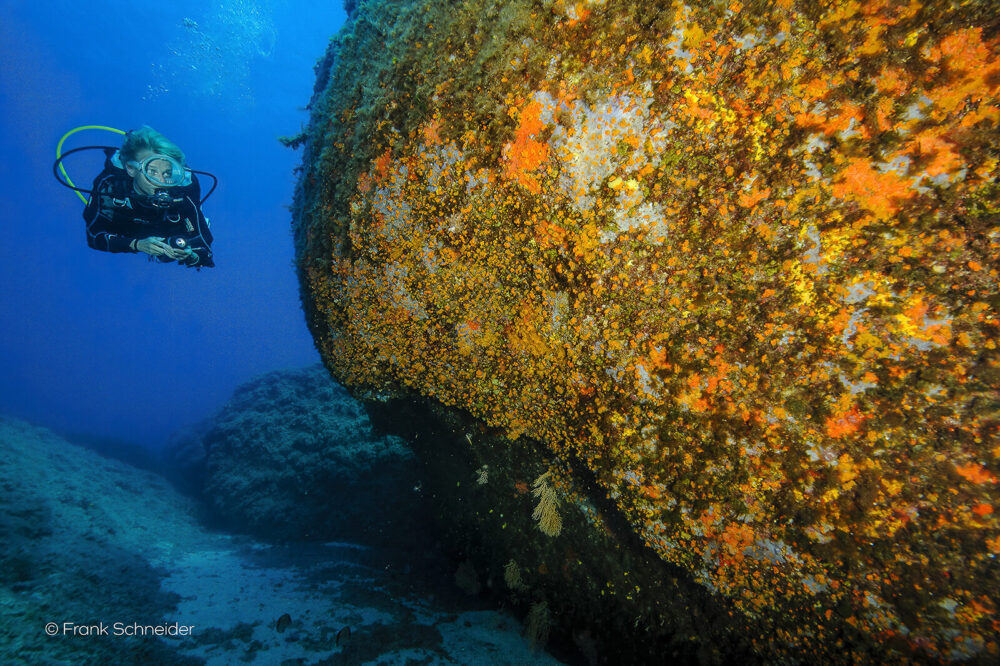
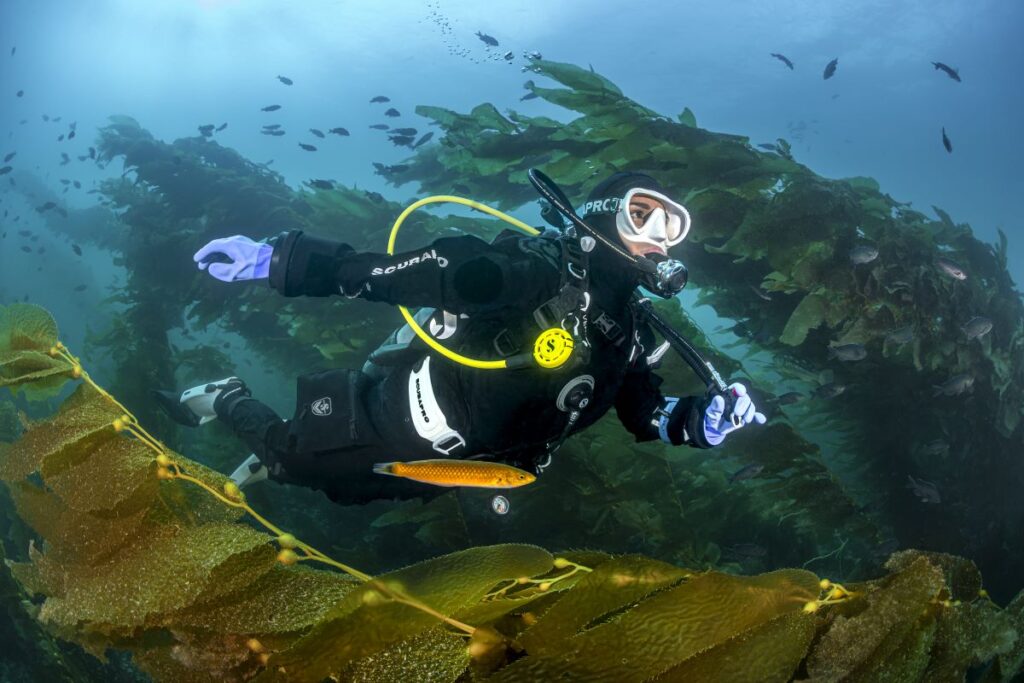
The Marine Conservation Society’s Seasearch programme works with volunteer divers and snorkellers in UK and Irish seas and offers an exciting way to learn about marine life while playing a part in protecting and restoring the ocean.
Volunteers collect information about habitats, plants and animals underwater, and help track the health of the ocean.
Seasearch offers training at different levels, from absolute beginners to experts so anyone can get started or extend their skills. This training provides the skills to be a biological recorder (Seasearch is not a dive school). Once trained, volunteers can collect records independently or on organized trips.
To learn more about Seasearch, please visit www.seasearch.org.uk