Marsa Alam: Egypt’s Wild Red Sea Frontier
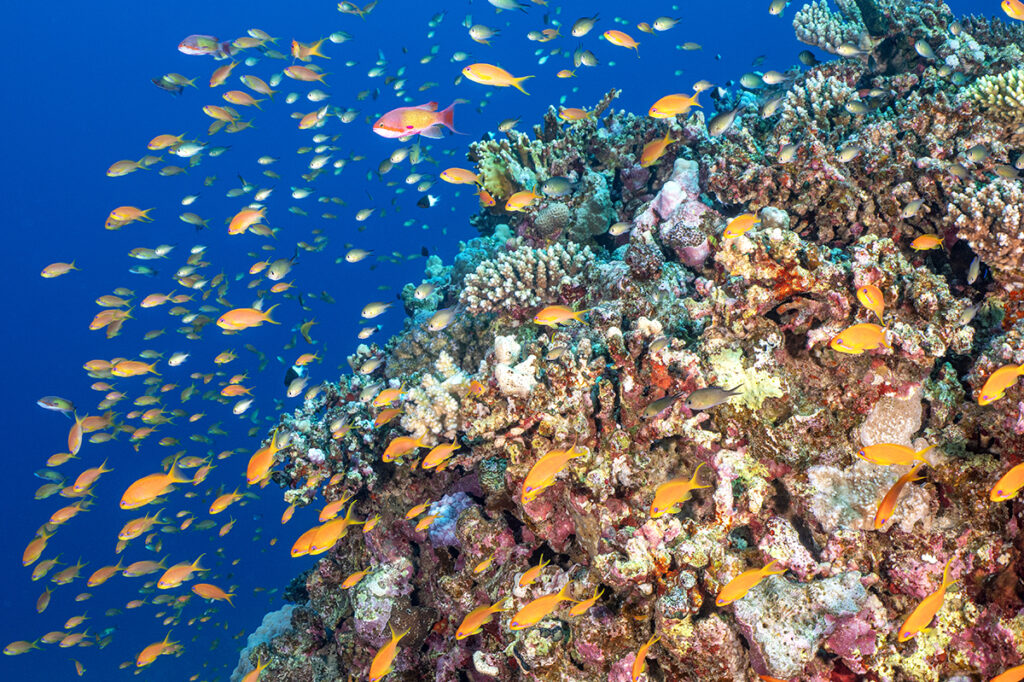
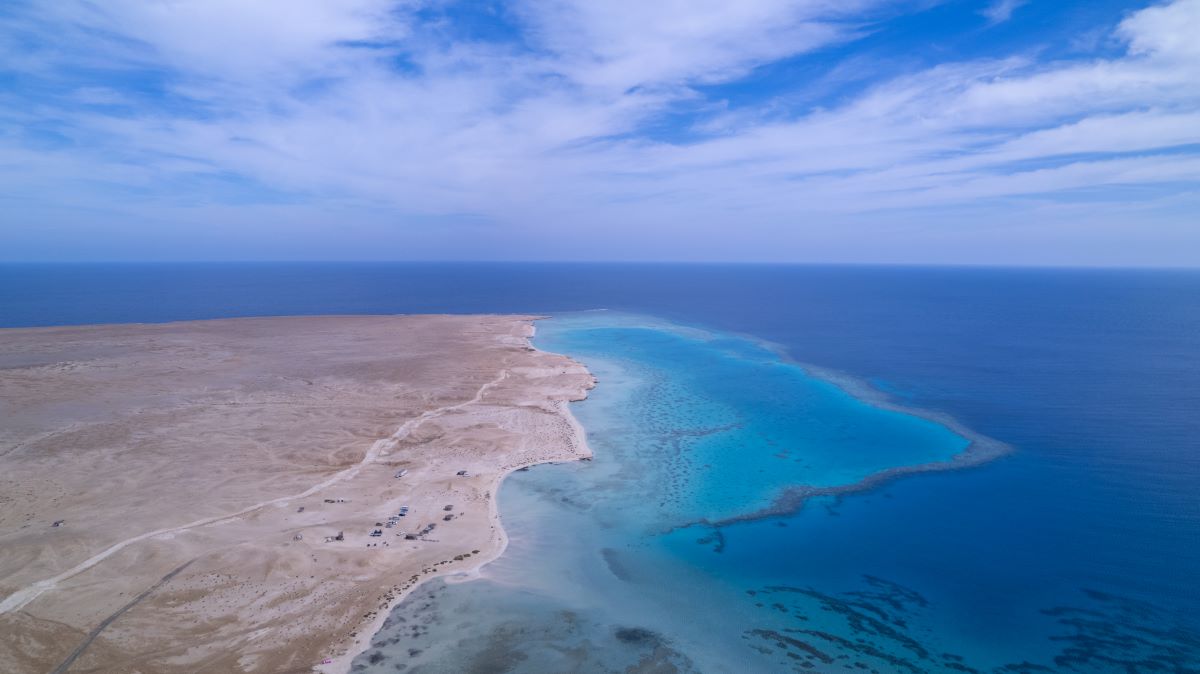
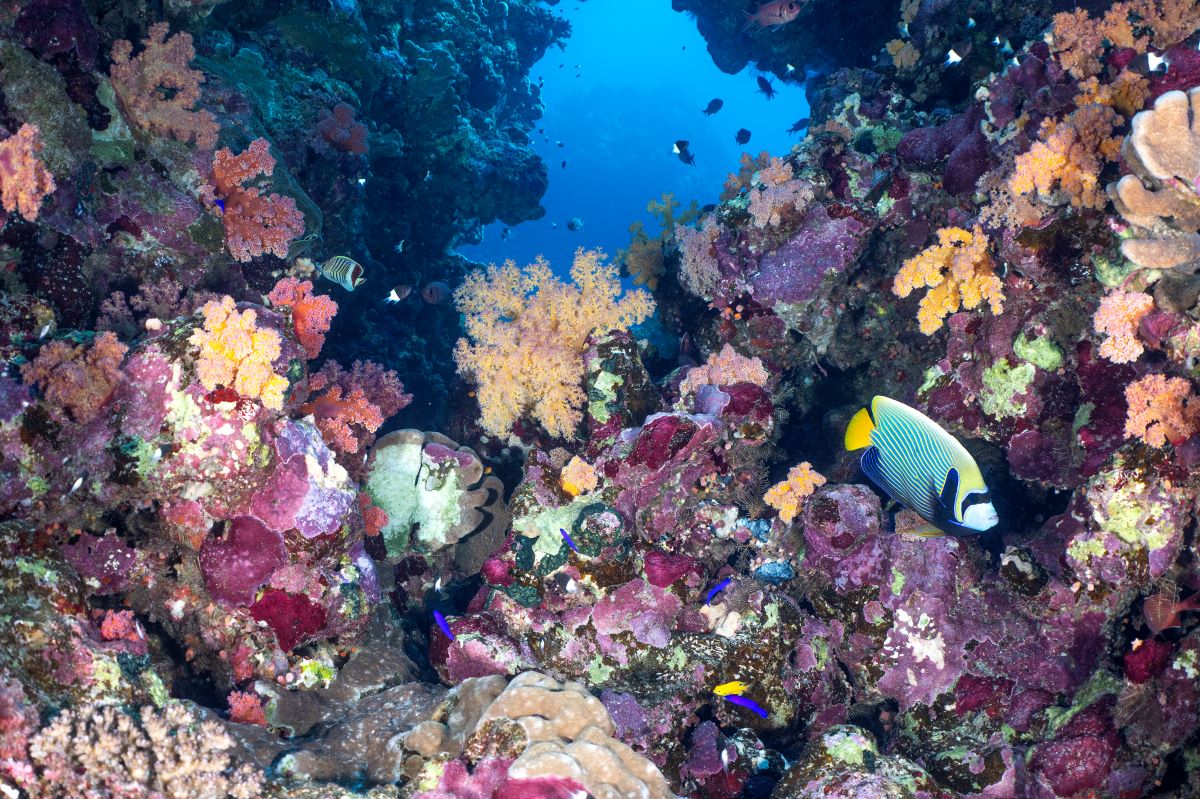
Stretching along Egypt’s southern Red Sea coast, Marsa Alam is renowned for its fringing reefs that continue uninterrupted all the way down towards Sudan. This remote corner of the Red Sea offers some of the region’s most pristine and rewarding diving. Offshore sites boast massive hard coral formations in outstanding condition, while the coastline itself shelters quiet bays, reef walls, and coral gardens largely untouched by mass tourism.
Not so many years ago, Marsa Alam was the sole preserve of liveaboards and intrepid divers happy to trade comfort for access to exceptional diving. Accommodation amounted to little more than tented camps with very basic amenities, and reaching the region required determination. Today, things have changed. An international airport with direct flights from the UK has firmly placed Marsa Alam on the dive map, opening it up to a wider audience without stripping away the wild appeal that made it special in the first place.
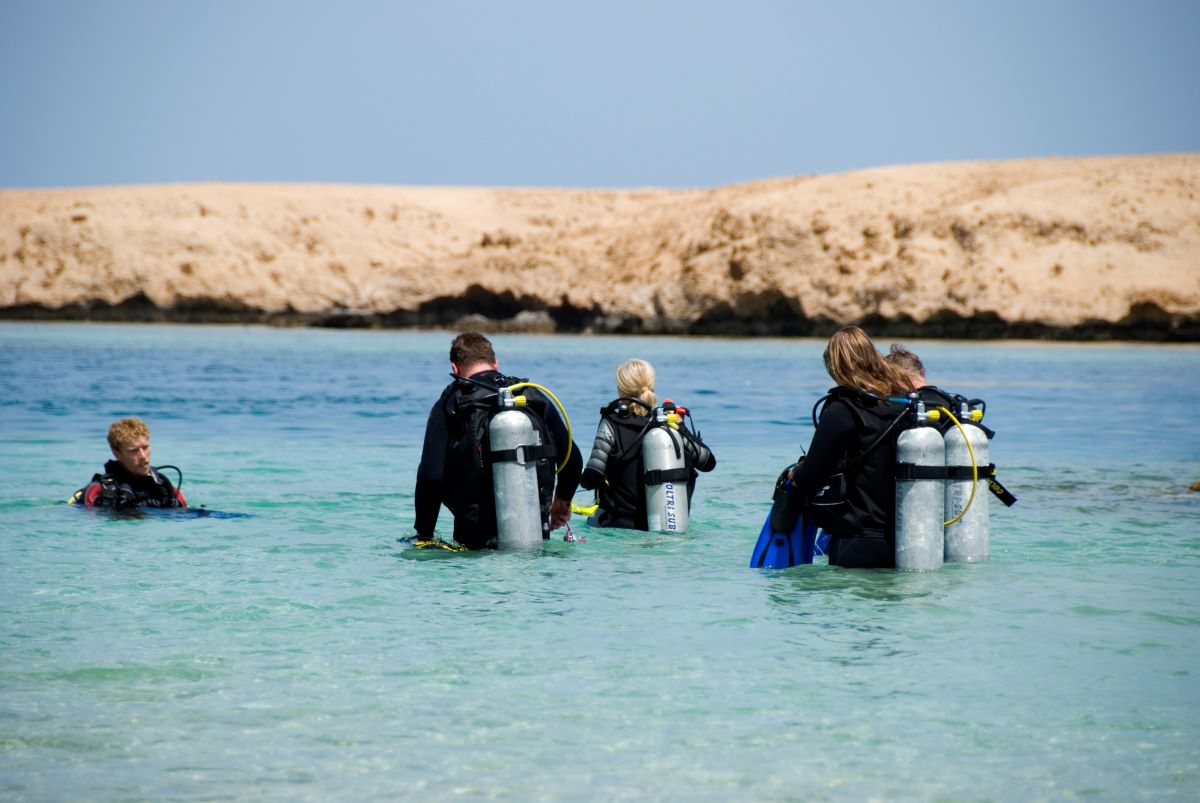
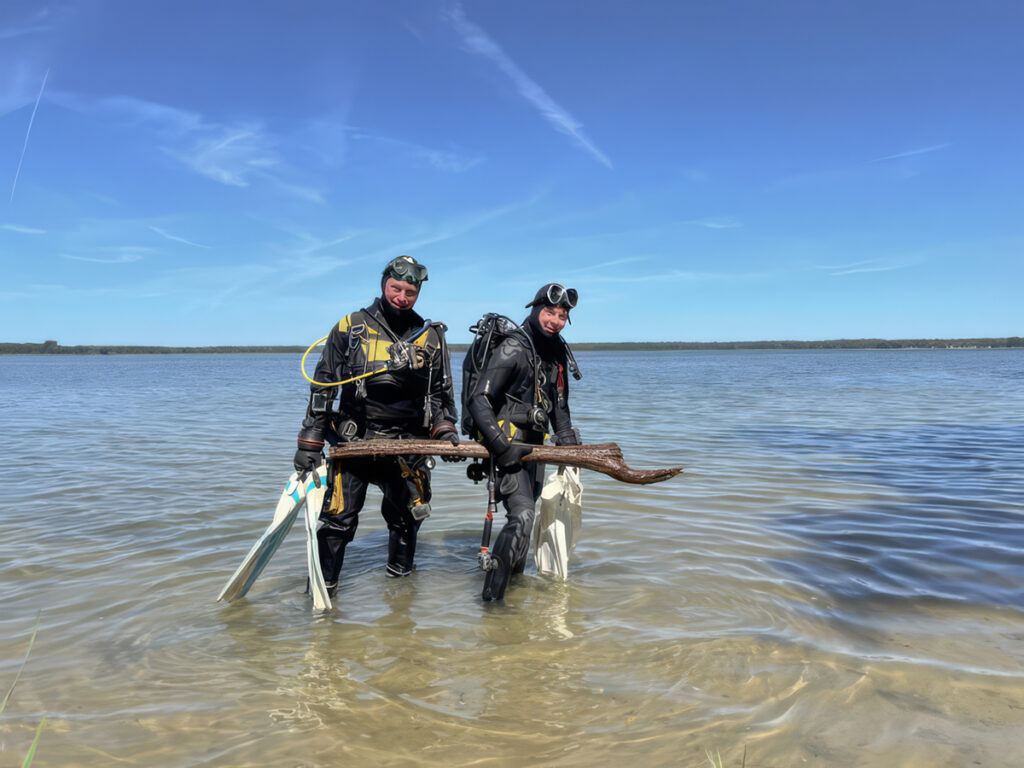
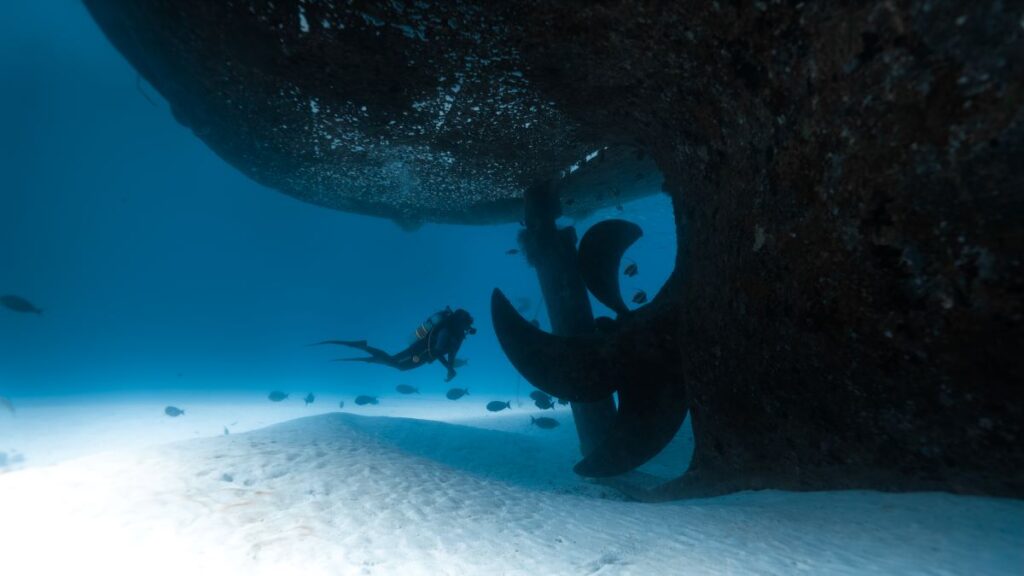
What makes Marsa Alam so attractive is not just the quality of the diving, but the sheer variety of it. Divers of all experience levels will find something to suit them here, both underwater and in how they get there. Shore diving is a major draw, with access to long stretches of coastal reef either on foot or by jeep safari. Add to that speedboat rides, zodiac drops, and full day-boat excursions, and a typical week’s diving becomes an eclectic mix of experiences.
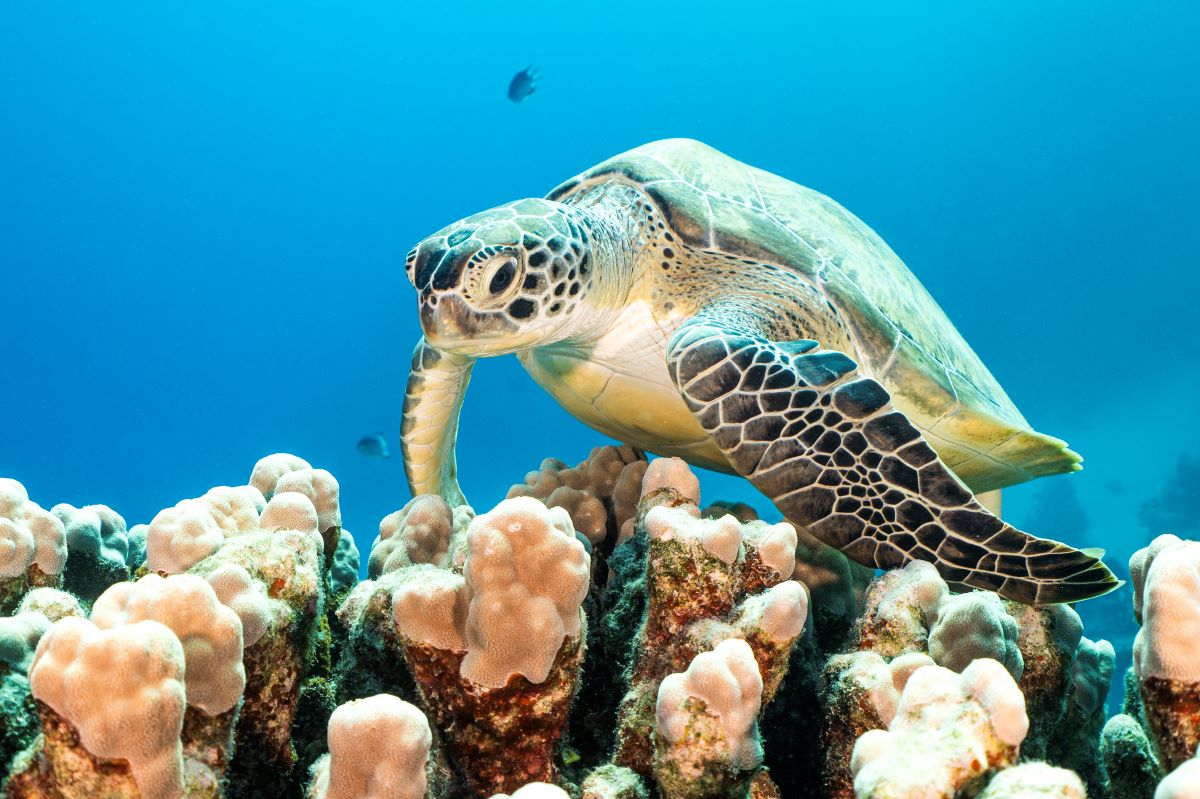
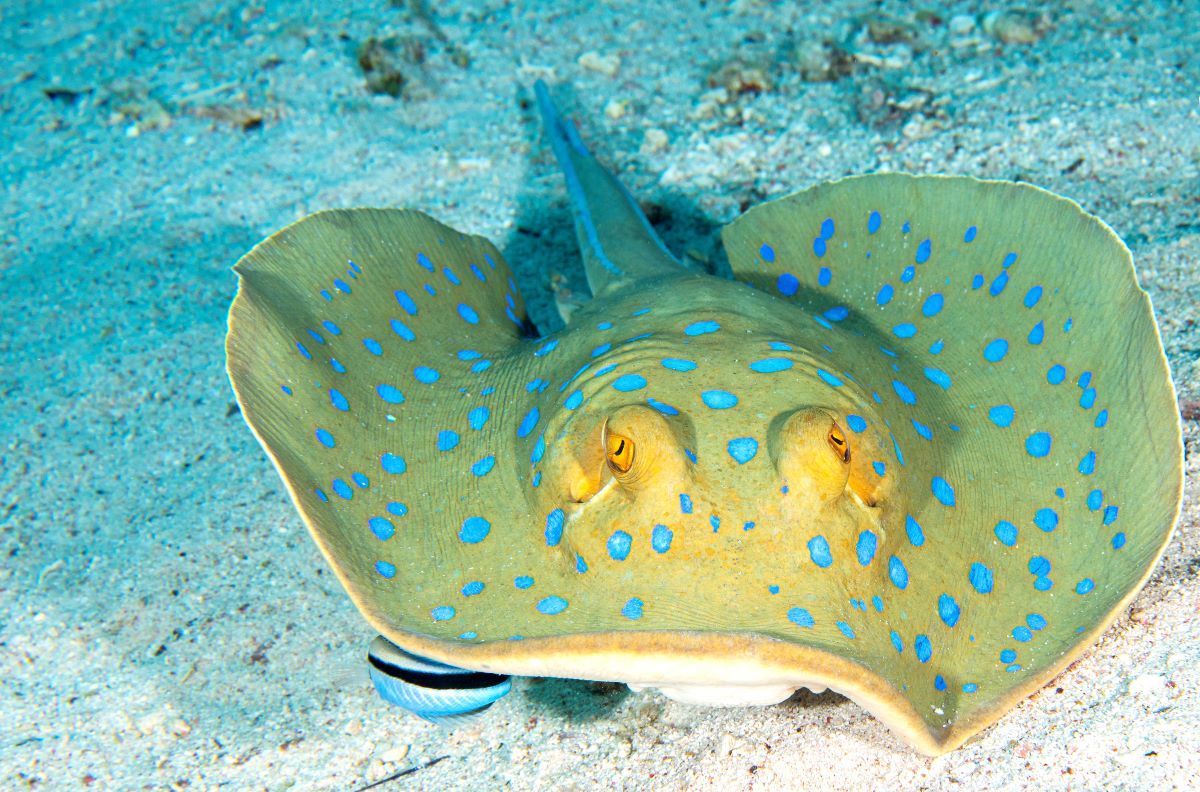
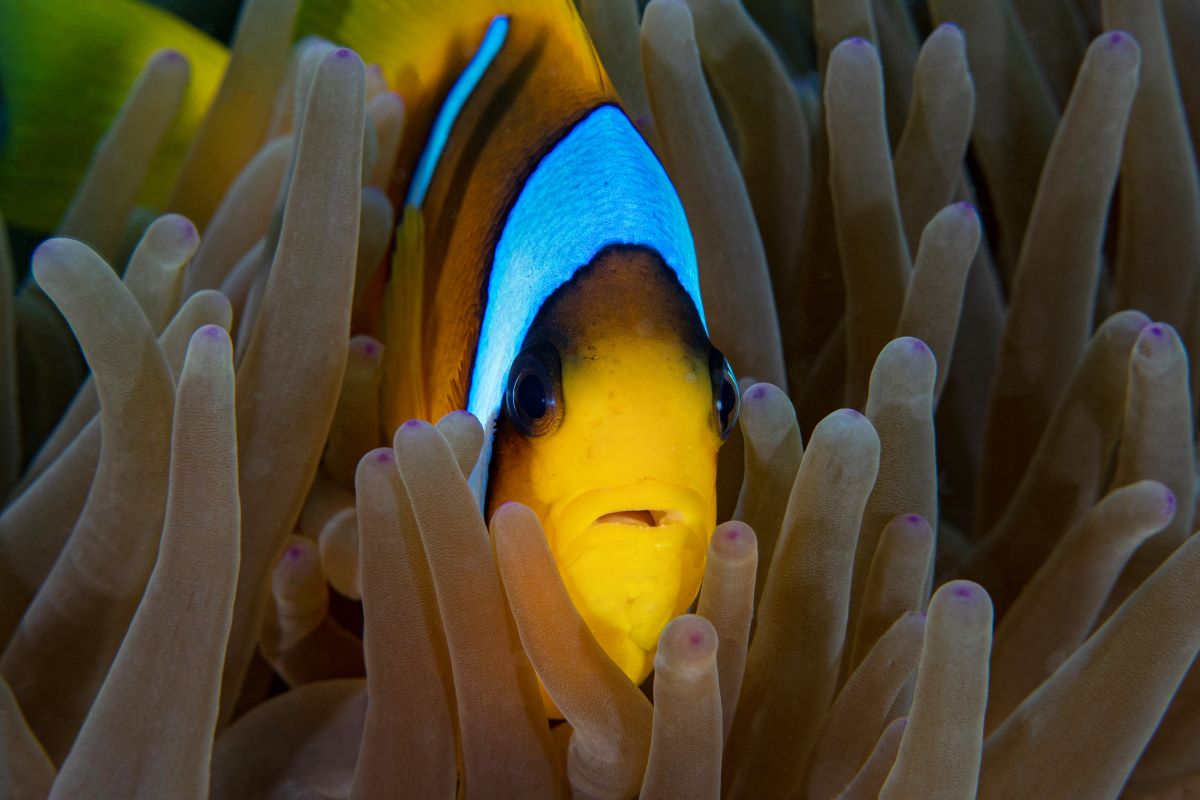
Underwater, the diversity continues. One dive might take you through calm, secluded bays carpeted with colourful coral gardens, the next along dramatic reef walls or out to dynamic offshore pinnacles swept by nutrient-rich currents. Swim-throughs, tunnels, and small caves add an element of adventure, while the marine life – turtles, reef sharks, rays, dolphins, and an abundance of reef fish is consistently impressive.
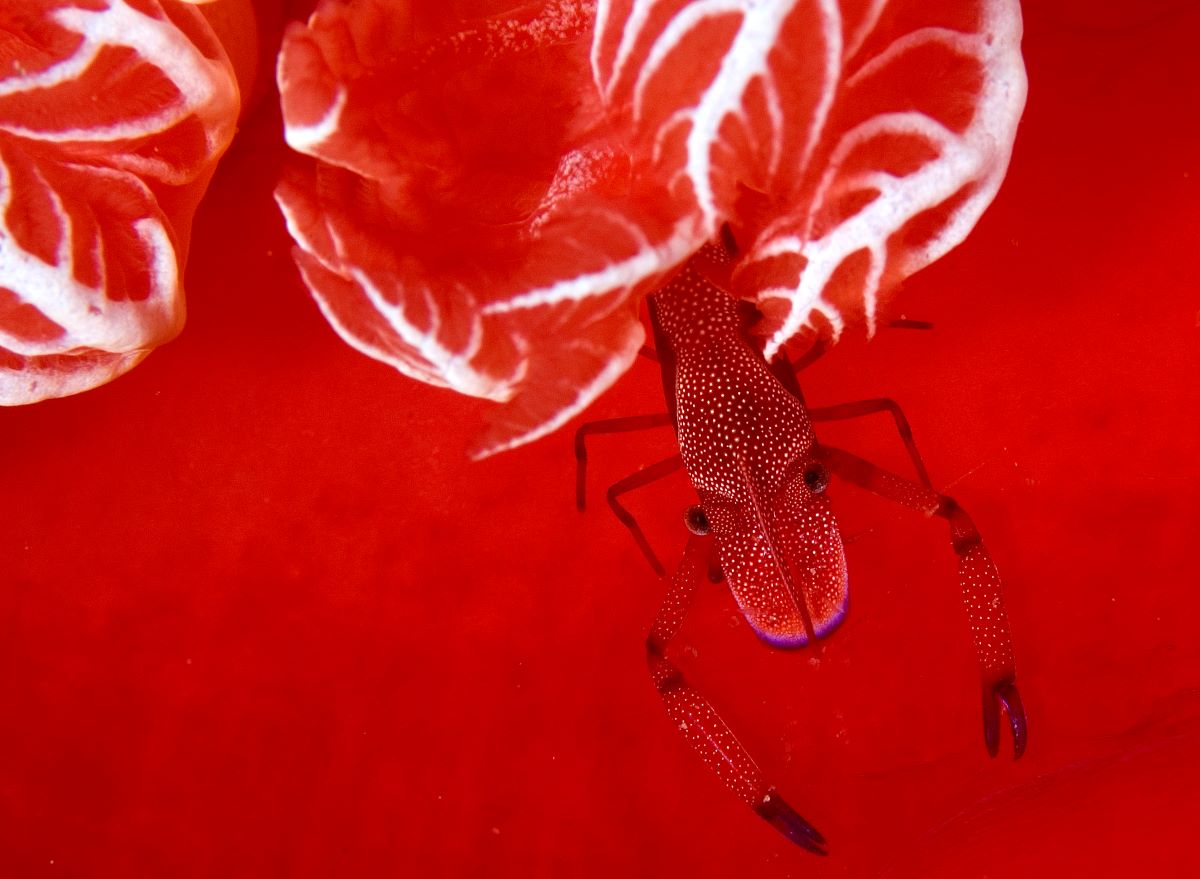
Night dives deserve a special mention. As darkness falls, Marsa Alam’s reefs transform. Spanish dancers unfurl their scarlet skirts, emperor shrimps hitch rides across their backs, and tiny squat lobsters perch delicately on fire coral. Sleeping parrotfish wedge themselves into the reef, while spiny spider crabs creep across soft corals in slow motion. It’s a photographer’s dream and a reminder of just how alive these reefs are after sunset.
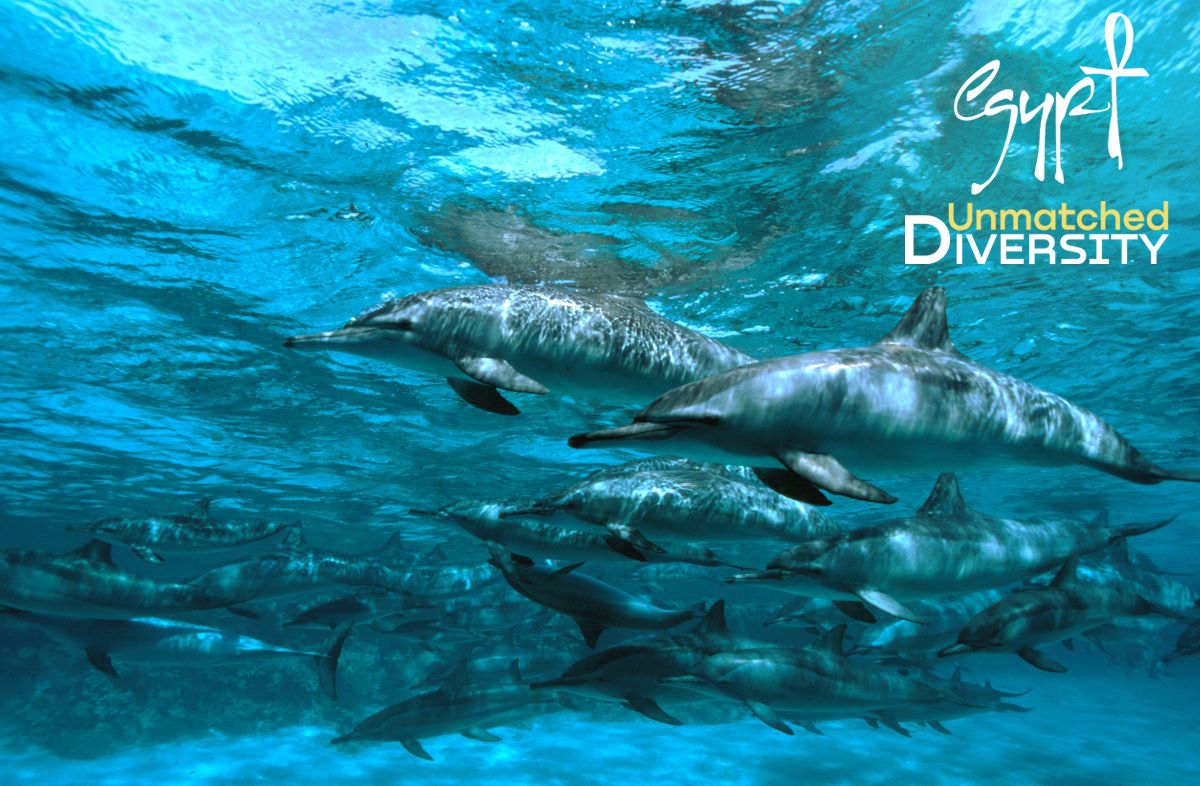
Among the region’s most famous dive sites is Sha’ab Samadai, better known as Dolphin House. A horseshoe-shaped reef and protected national park, it is home to a resident pod of spinner dolphins. While the inner lagoon itself is off-limits, snorkellers are dropped just outside by zodiac, and dolphins regularly pass through this entry point, sometimes choosing to interact with visitors.
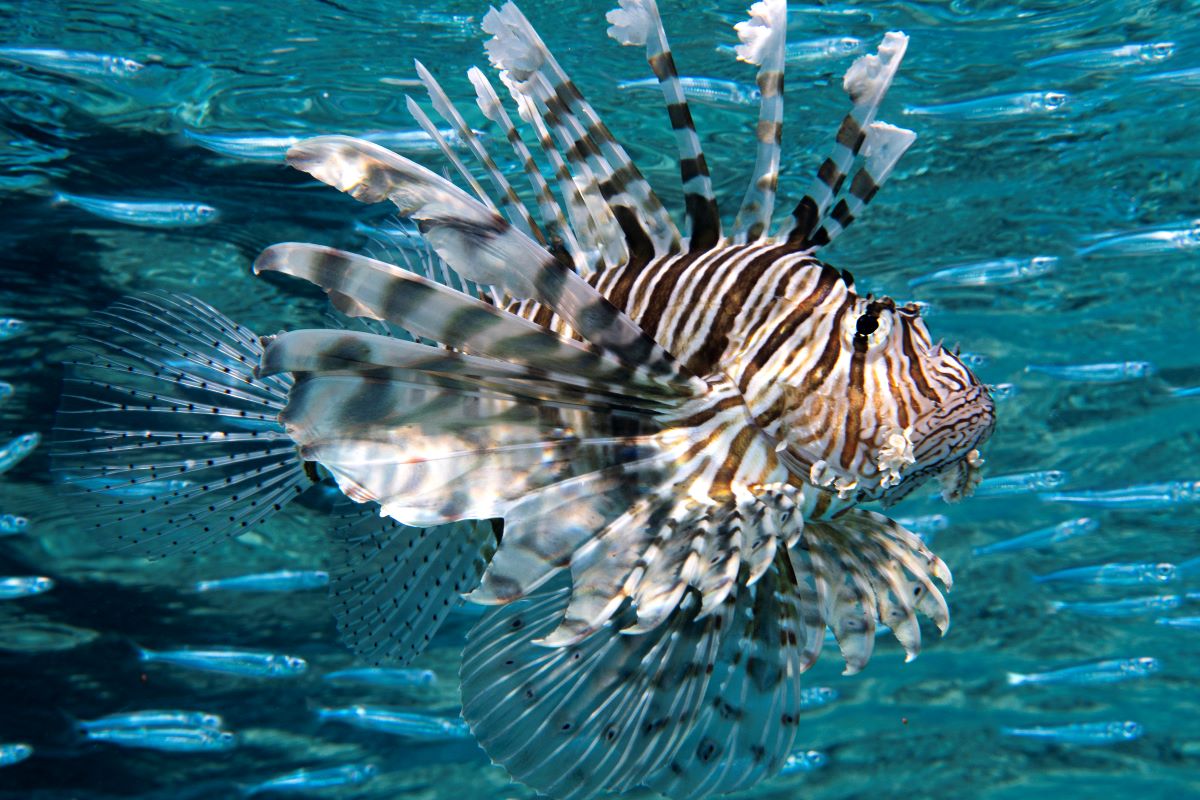
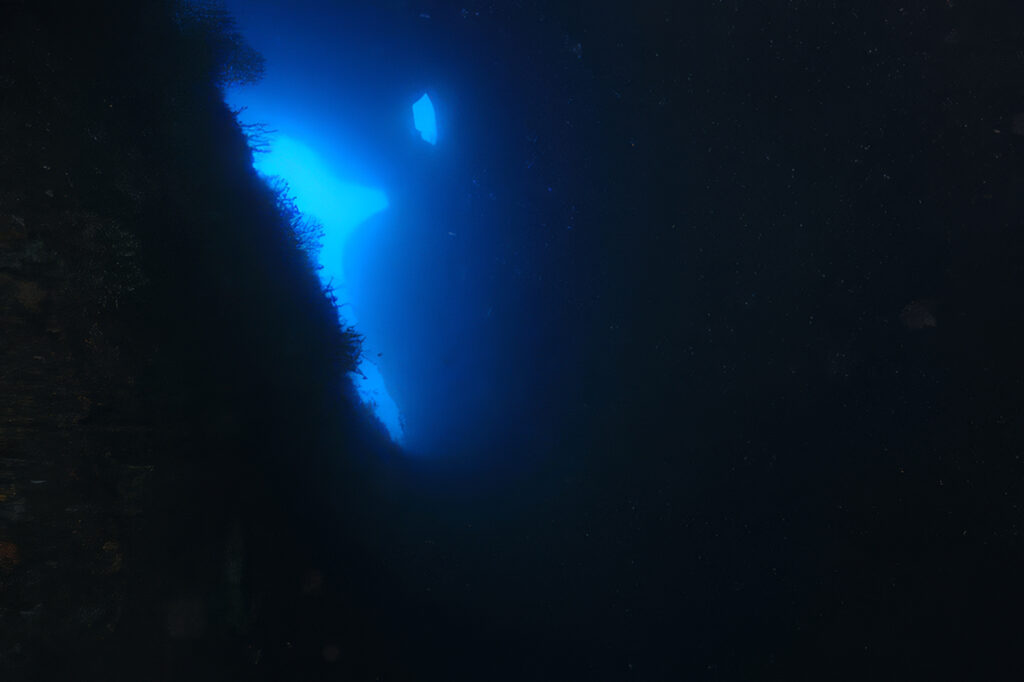
Yet focusing solely on the dolphins would do Sha’ab Samadai a disservice. On the southwest side of the reef lies a chain of pinnacles, the largest of which contains a small cave illuminated by dramatic shafts of light. Further south, a labyrinth of tunnels and swim-throughs leads to a beautiful miniature anemone city, buzzing with life. It’s one of those sites that continually delivers more than expected.
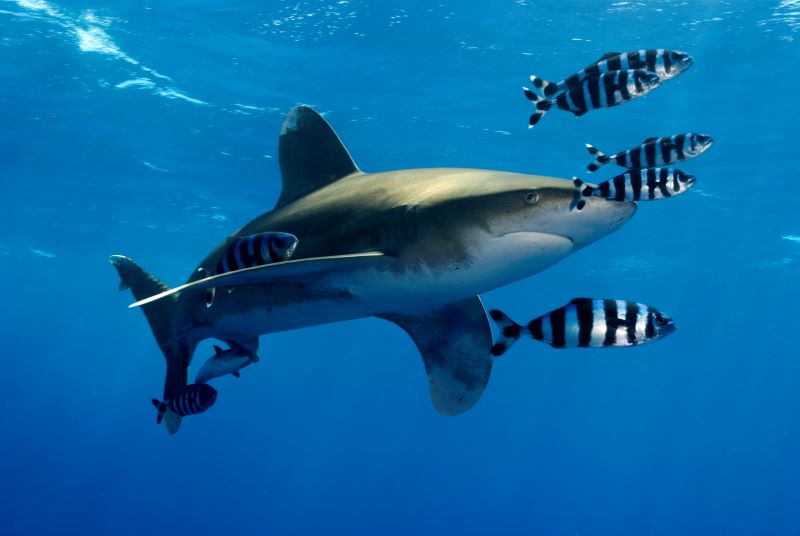
For those with an adventurous spirit, Elphinstone Reef is almost guaranteed to be a highlight. Just 20 minutes by speedboat in calm conditions — longer and considerably bumpier when the wind picks up — this legendary, cigar-shaped reef rises sheer from the depths. Strong currents bring nutrients that feed spectacular soft coral growth, decorating walls that plunge beyond 70 metres. Pelagic encounters are common here: oceanic whitetip sharks cruise the northern plateau, often just below the surface, while hammerheads are most frequently spotted off the deeper southern end.
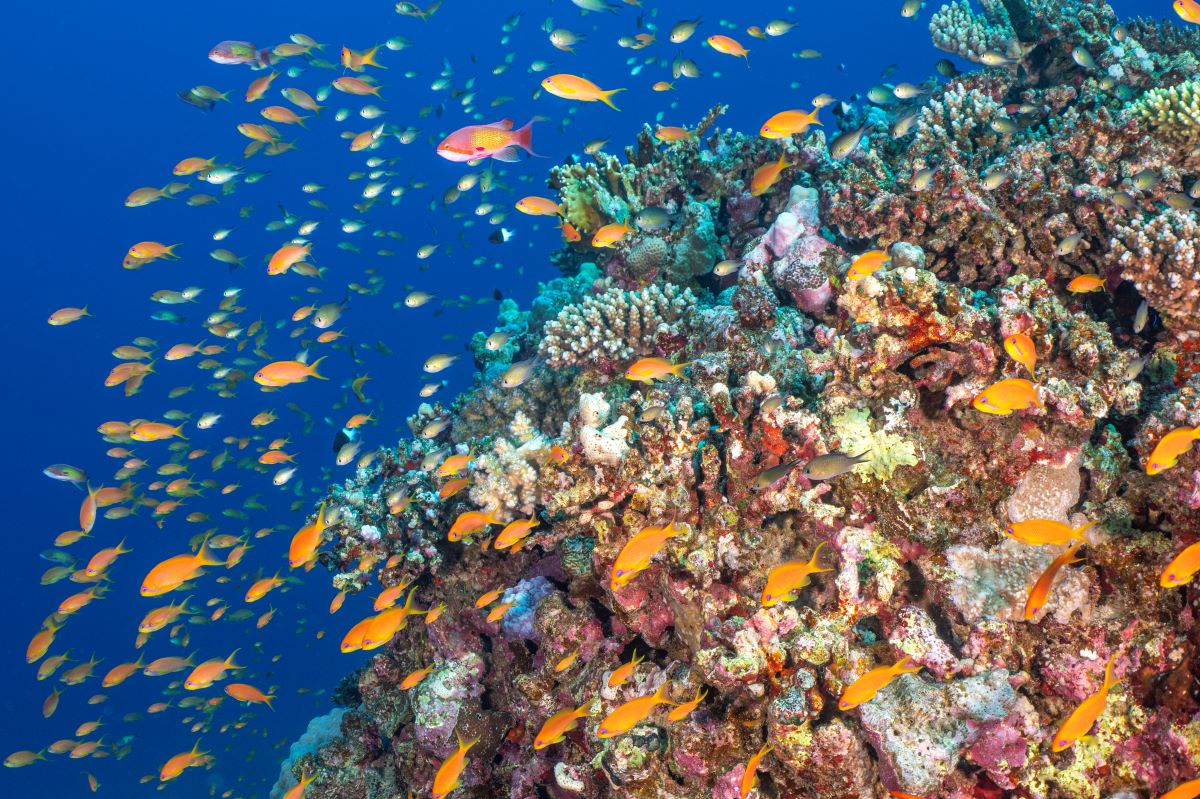
If big animals are high on the wish list but you prefer calmer conditions, Abu Dabbab offers a gentler alternative. This large, sheltered bay is famous for its seagrass beds, which attract one particularly iconic resident — the dugong. Often seen grazing quietly along the seabed, this elusive marine mammal shares the bay with large green turtles, guitar sharks, marbled stingrays, and resident moray eels. When you’ve had your fill of seagrass, a pretty nearby reef provides plenty to explore.
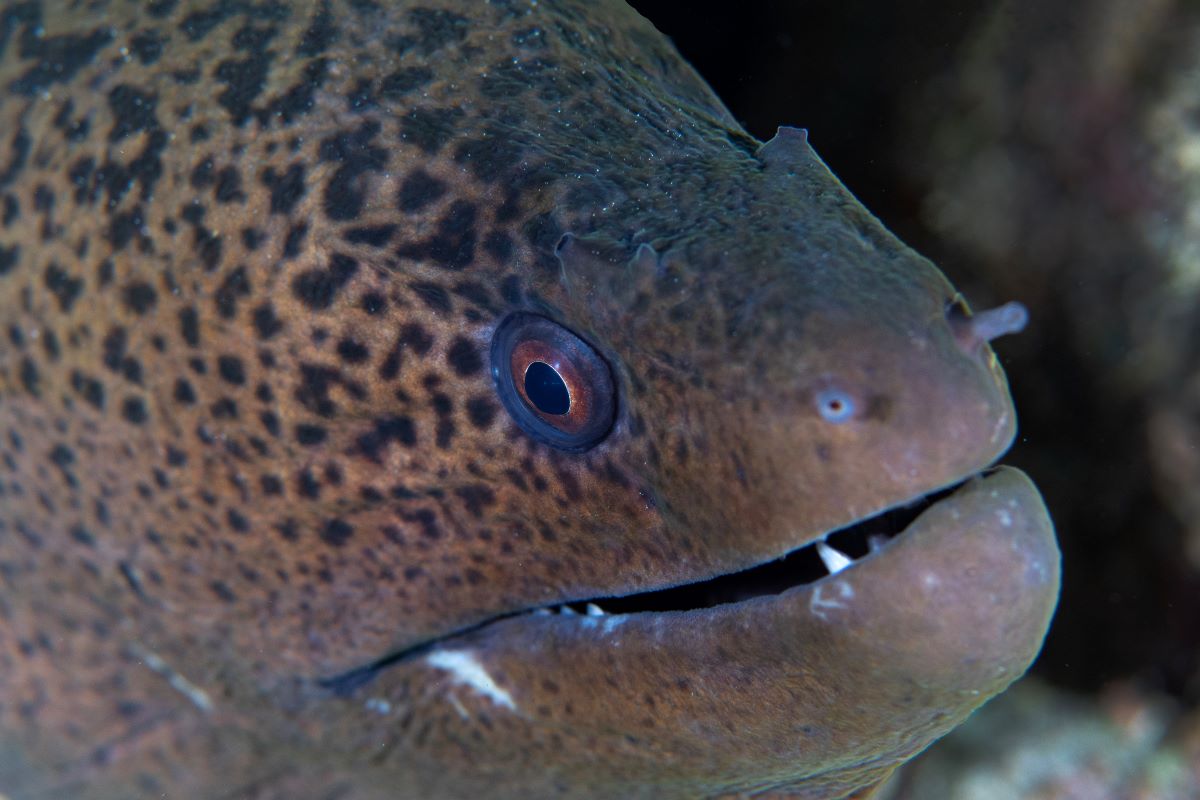
Marsa Alam is a year-round destination, with water temperatures ranging from around 30°C in summer to approximately 23°C in January, meaning all you’ll need is a wetsuit.
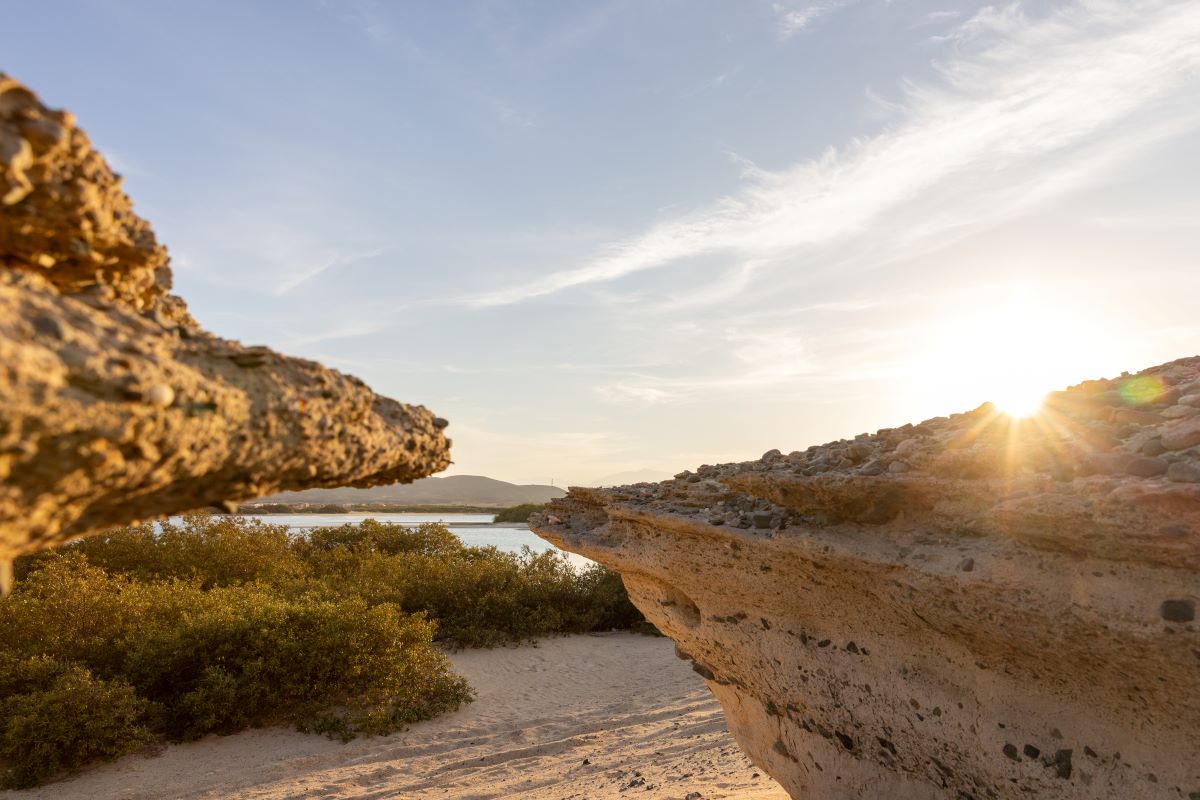
Beyond the diving, Marsa Alam offers a wealth of memorable topside experiences. Stargaze beneath vast desert skies, ride camels across the sands, or share traditional coffee with local Bedouin tribes. Adventurous visitors can explore by quad bike, while nature lovers will enjoy birdwatching and walks through coastal mangroves. For a deeper dive into Egypt’s history, a day trip to Luxor reveals iconic sites such as the Temple of Karnak and the Valley of the Kings.
Marsa Alam may no longer be a secret, but it remains one of the Red Sea’s most compelling dive destinations — a place where pristine reefs, varied dive styles, and unforgettable encounters combine to create something truly special, both above and below the surface.
Discover more at www.experienceegypt.eg/en/city/21/marsa-alam-.
Photos (except drone image of reef): Jane Morgan