Closer to Shark Protection After 22km Swim Highlights “Eerie Silence” in Mossel Bay
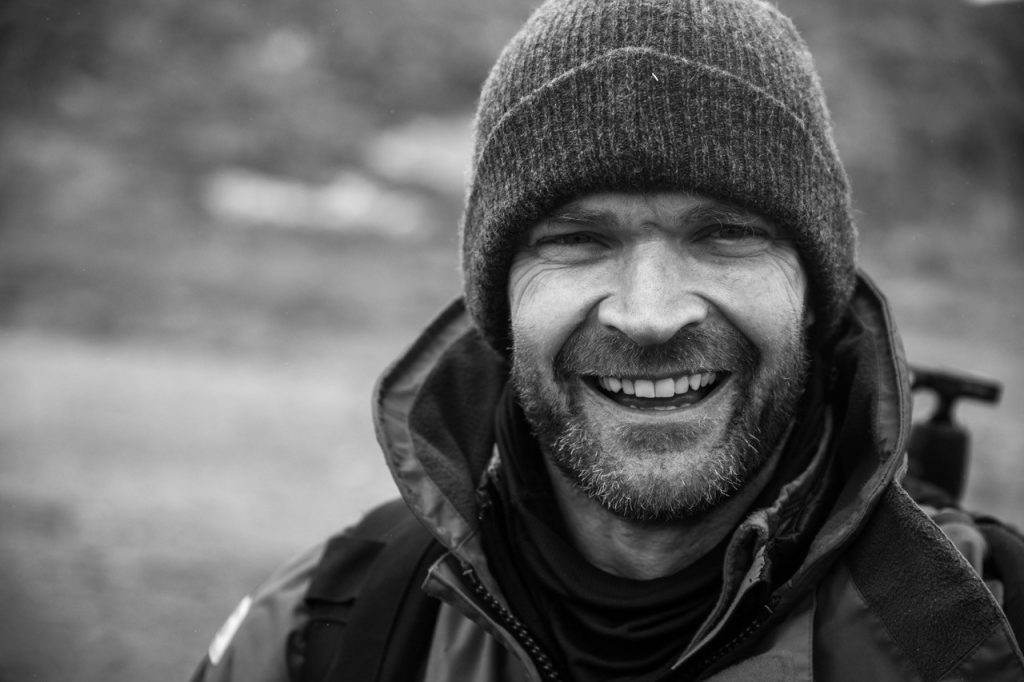
Fourteen years after Kane saw his first white shark in Mossel Bay as a wide-eyed five-year-old, he swam the entire bay — 22 kilometres from The Point to Glentana — in the name of sharks.
Mossel Bay, South Africa – 24th February 2026
Following the completion of the swim, the Director of Oceans & Coasts at the Department of Forestry, Fisheries and the Environment (DFFE) contacted campaign organisers to confirm that a delegation will visit Mossel Bay in early March to discuss the proposed Shark Catch Exclusion Zone (SCEZ).
The swim, completed by 19-year-old Kane Johnstone through Project DEEP, in partnership with Earth Legacy Foundation, set out to draw attention to the ecological decline of what was once regarded as one of South Africa’s most shark-active bays.
What he encountered was not danger, but absence.
“I didn’t see a fish. I didn’t see a ray. I didn’t see a shark. I didn’t even see krill — just particles in the water and sunbeams.” says Johnstone.
Kane spent nine and a half hours in the water, navigating heavy swell, strong currents and bluebottle stings, crossing from The Point to Glentana. At one stage, the support crew recorded only nine metres of progress in an hour against opposing current. But the most striking observation came in the final stretch.
“We used to see four, five, six sharks in a surf session here. I swam up that beach for hours… and I didn’t see one.”
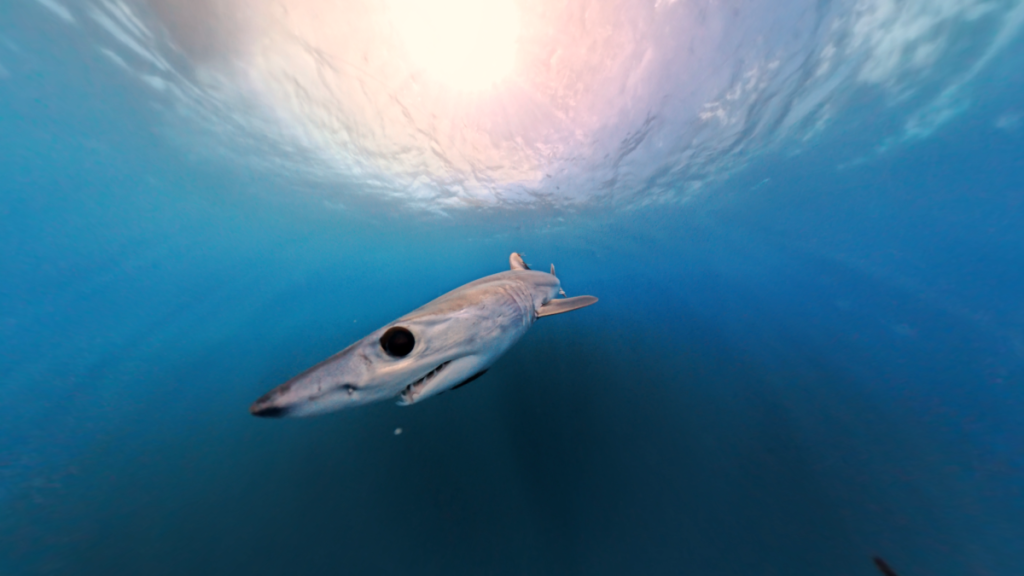
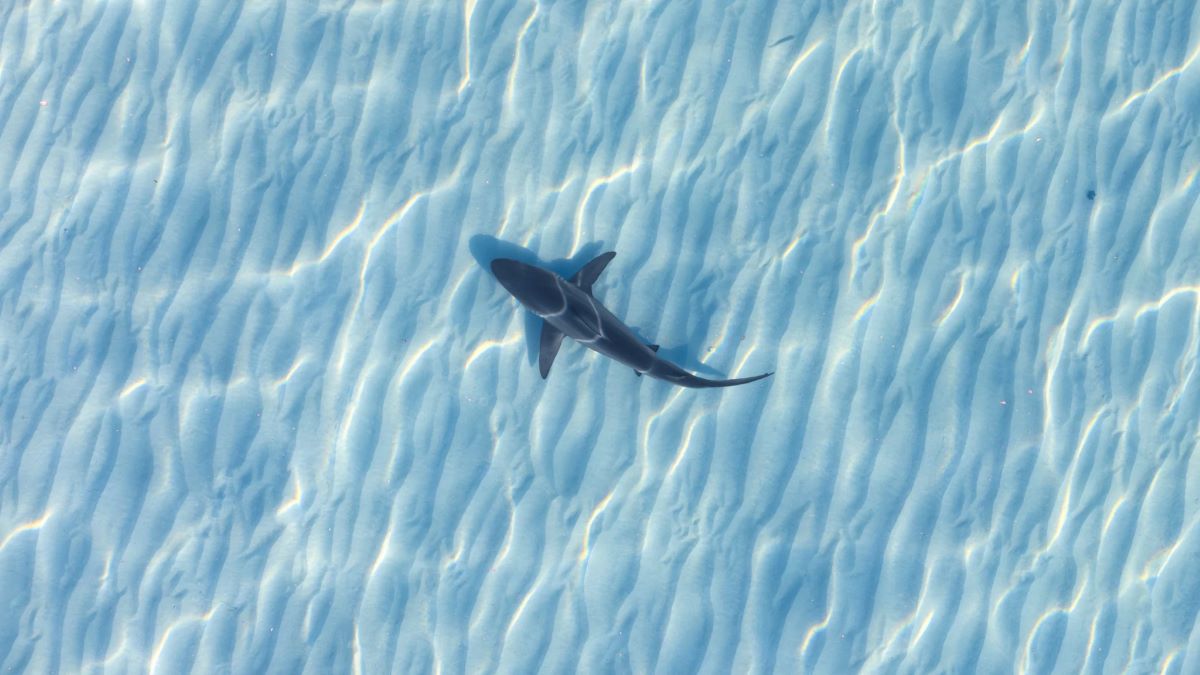
Mossel Bay historically supported regular sightings of bronze whalers, hammerheads, and white sharks. In recent years, however, local fishers, divers, and surfers have reported a marked decline.
While public attention often focuses on orca predation, conservationists argue that sustained fishing pressure, particularly demersal shark longlining, poses a far greater long-term threat to shark populations. Demersal longliners are capable of catching thousands of sharks annually, and unlike many other commercial fisheries, there is currently no species-specific Total Allowable Catch (TAC) effectively limiting the number of sharks that can be removed. Much of this catch is processed and exported, delivering minimal direct economic benefit to South Africa while depleting local marine ecosystems.
This level of extraction, concentrated along productive coastal areas, has had a devastating impact on shark populations. The proposed Shark Catch Exclusion Zone would introduce a spatial management solution, restricting targeted commercial shark fishing within Mossel Bay and offering a critical refuge for already depleted species.
The emotional turning point came the morning after the swim, when news arrived that DFFE had made contact.
“When I heard they were coming to meet about the exclusion zone, I burst into tears,” he said. “It means more than my personal achievement. Way more. It means they heard us.”
Earth Legacy Foundation says the meeting presents an opportunity for constructive engagement around localised, science-based solutions to restore ecological balance in Mossel Bay.
“The ocean is not just beautiful to look at, it is foundational to our very existence,” said Esther Jacobs, Project Director of Earth Legacy Foundation. “When we remove apex predators like sharks at industrial scale, we destabilise entire ecosystems. And when marine ecosystems unravel, the consequences come straight back to us, economically, socially, and ecologically.”
The campaign is calling for collaborative dialogue between regulators, scientists, local stakeholders and conservation groups during the March visit.
Kane has already committed to a second swim. This time covering the full length of the proposed exclusion zone.
“If I could swim every bay, I would.”
Kane is planning on completing his next swim from Franschmanshoek to Dana Bay, the final 14 kilometer stretch in the proposed Shark Catch Exclusion Zone, within this year.
Earth Legacy Foundation is committed to protecting Earth’s natural resources and biodiversity for future generations. Through collaboration with local communities and partners, the Foundation tackles pressing environmental issues, like pollution and overexploitation, striving to create a sustainable and conscientious world.