14 beginner-friendly dive sites in the Bahamas

Whether you’re a seasoned diver or just getting your feet wet, the Bahamas offers a diverse array of dive sites to explore. From vibrant coral reefs to mysterious blue holes and thrilling shark encounters, this Caribbean archipelago has it all.
As a new scuba diver, you might be wondering what sets the Bahamas apart and why you should choose it as your next diving destination. The Bahamas offers not only beginner-friendly reef diving, but also the opportunity to meet some of the ocean’s most fascinating creatures, from graceful sea turtles to dolphins and stingrays. Read on for our pick of 14 beginner-friendly dive sites in the Bahamas.

Andros Island
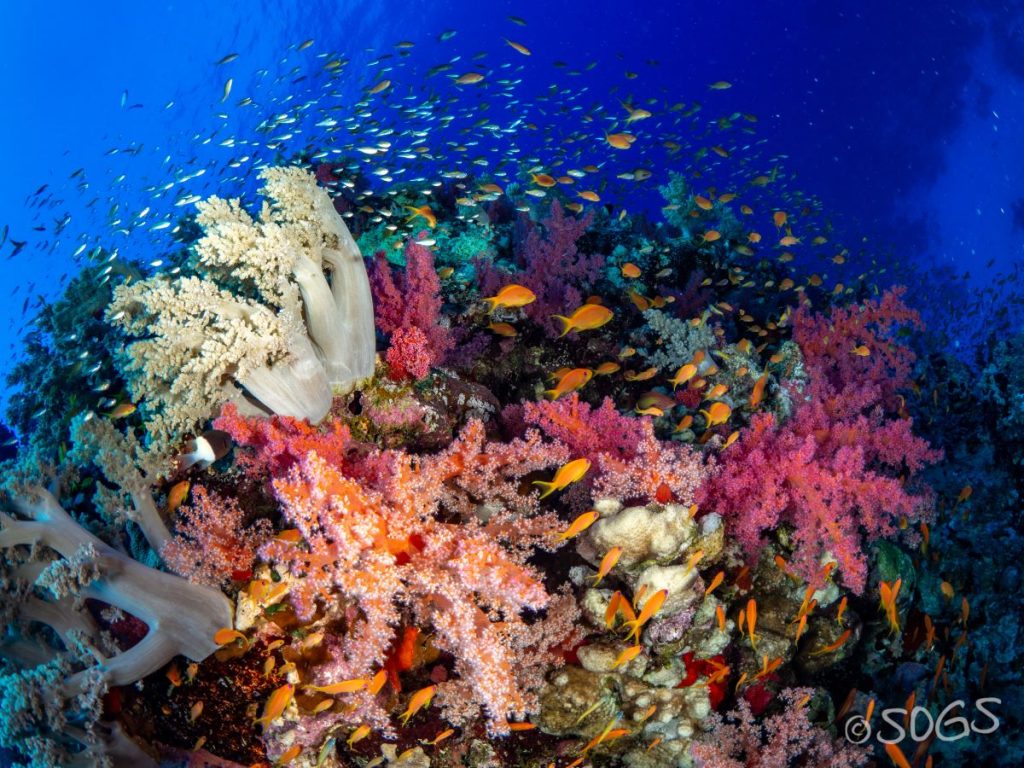
Andros Barrier Reef: Start your Bahamian diving journey at the third-largest barrier reef in the world. This idyllic wonderland is characterized by shallow, calm waters, making it perfect for novice divers. Here, you can encounter a diverse array of marine life, from playful dolphins to Nassau grouper, marlins, sailfish, and plenty of colorful reef fish.
Blue Holes: Venture into the mesmerizing world of underwater sinkholes, such as the famous Blue Hole on Andros. With its crystal-clear waters, this site offers excellent visibility and a sense of mystery as you descend into its depths.
The Crater: Dive into an inland blue hole near Small Hope Island known as The Crater. This unique site was once the ocean floor and collapsed in on itself, revealing a captivating cave system. Here, you can witness sea turtles peacefully resting on the bottom, swim alongside graceful stingrays, and marvel at the walls adorned with vibrant corals.

Bimini
Bimini Road: Explore an underwater rock formation often compared to an ancient road. This extraordinary path of paving stones stretches along the seafloor for half a mile and is made up of large blocks, some of which are 12 feet (4 meters) across.
The origin of this structure is highly debated; some people believe it is manmade and might be the Road to Atlantis. Whether you believe that or not, the easy diving conditions and encounters with nurse sharks and stingrays make this site a fascinating dive for beginners. Dive depths are typically around 16 to 33 feet (5 to 10 meters), with water temperatures hovering around 75 – 85°F (24 – 29°C).
Cathedral: At the Cathedral dive site you can explore an ocean floor adorned with vibrant corals, creating a colorful and stunning underwater landscape.
Victory Reef: Descend to depths ranging from 30 to 79 feet (9 to 24 meters) and encounter green turtles, sharks, stingrays, and numerous reef fish at Victory Reef. The coral formations make this dive truly memorable.
Nassau
Shark Arena: If you’ve ever dreamed of coming face to face with sharks, Nassau’s Shark Arena is the place to do it. Experience shark feeding dives with trained professionals in a controlled environment, providing a safe opportunity to see various shark species up close. Dive depths typically range from 30 to 59 feet (9 to 18 meters).

Exuma Cays
The Exuma Cays offer a delightful mix of calm diving conditions and vibrant marine life.
Amberjack Reef: This shallow reef boasts colorful corals and thousands of fish, including angelfish, grouper, and barracuda. Multiple reef sharks also call this reef home. Explore this world of thriving corals in waters that range from 16 to 49 feet (5 to 15 meters) in depth.
Thunderball Grotto: Made famous by James Bond in the film Thunderball, this impressive underwater cave system is a must-visit. This jaw-dropping cave has light filtering in from holes in the ceiling, the sides, and through underwater holes. Numerous fish and vibrant corals are lit up by the sunlight, creating a mesmerizing underwater wonder for snorkelers and divers to enjoy.
And don’t forget the unique opportunity to swim with pigs at Pig Beach on Big Major Cay.

Abaco Islands
Pelican Cays Land and Sea Park: This protected area offers easy and calm diving conditions, making it perfect for beginners. Dive into a world teeming with marine life, including colorful corals and playful bottlenose dolphins. The average dive depths here range from 16 to 49 feet (5 to 15 meters), making it accessible for all skill levels.
Long Island
Dean’s Blue Hole: Plunge into the world’s deepest known saltwater blue hole, which reaches depths of over 656 feet (200 meters). It’s a very popular place for freediving, snorkeling, and scuba diving, and boasts water visibility reaching up to 98 feet (30 meters). This unique dive site is home to numerous reef fish, snappers, tarpons, sea turtles, seahorses, and rays.
Grand Bahama Island
Tiger Beach: If you love sharks, make sure you visit Tiger Beach. There you can encounter tiger sharks, lemon sharks, Caribbean reef sharks, and nurse sharks. Dive depths are typically between 20 and 49 feet (6 and 15 meters), and you simply kneel on the sand and watch the shark around you.

Cat Island
Cat Island is a paradise for divers, boasting dozens of dive sites along a reef-laced coast, far from the crowds of more popular destinations.
Columbus Point: Located at the very southeastern tip of Cat Island, this remote spot is best suited for advanced divers. However, if you’re eager to upskill, this site is worth the effort before your trip. Get a Deep Diver and Drift Diver certification under your belt and make sure you have some experience of diving in open waters.
Underwater pinnacles rise up from the ocean floor at Columbus Point, attracting large grouper and impressive sharks. Be prepared for strong currents and depths ranging from 59 to 131 feet (18 to 40 meters). Oceanic whitetip sharks are seasonal visitors and there are large game fish in the blue.

Eleuthera
Current Cut: If you have experienced divers in your group, Current Cut is a must. This dive site is thought to be one of the best drift dives in the world and offers a high-speed dive through a narrow channel with currents that can reach remarkable speeds. The water moves through this channel at up to 10 knots! Diving there is something to aspire to as you get move dives in your log book.
The Bahamas is a haven for scuba divers of all levels, including beginners. With its array of dive sites, there’s no better place to embark on your scuba diving journey. For more information about the Bahamas’ top dive spots, including dive sites reviews, check out this guide to diving in the Bahamas.
Kathryn Curzon, a shark conservationist and dive travel writer for SSI (Scuba Schools International), wrote this article.