Why Scuba Diving in School is one of the Best Sports You Can Offer

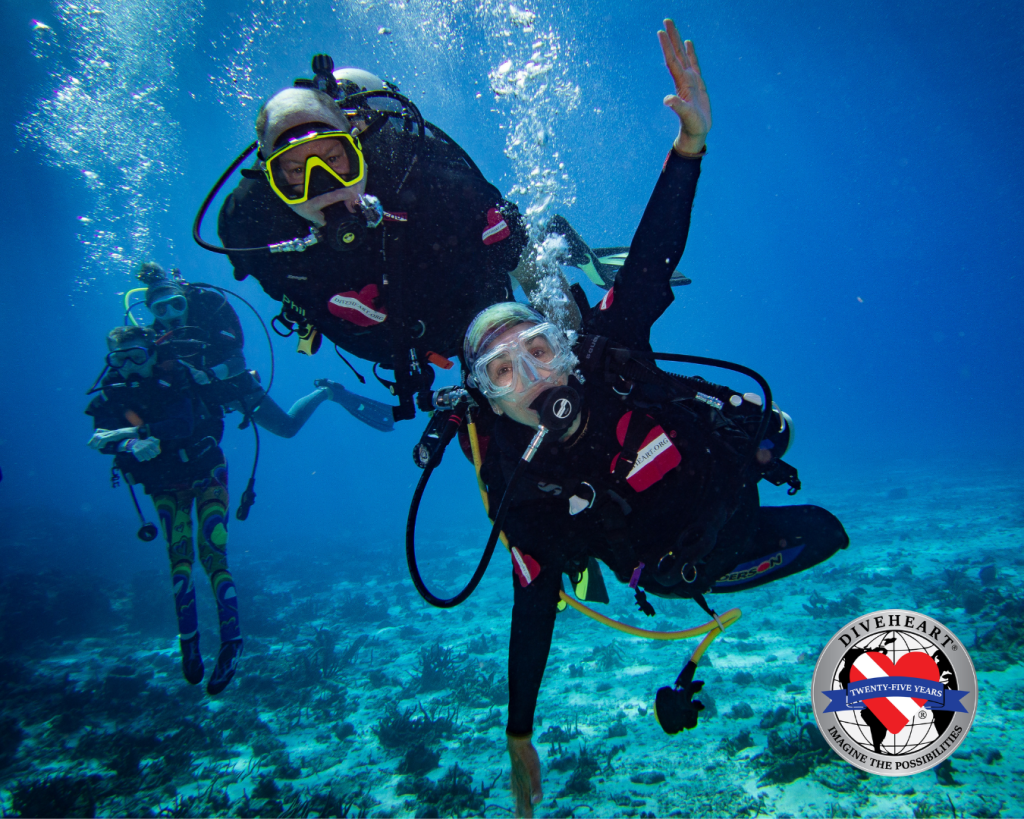
If you are reading this an already a scuba diver you will only be too aware of the thrills that scuba diving offers; a combination of intoxicating colours, weightlessness, adventure and being able to see a huge array of exotic marine life that others only witness in an aquarium.
However the list of benefits for children and young adults goes much further than this. Let me explain:
Exercise
Celebs like Jessica Alba, Sandra Bullock, Katie Holmes and Nina Dobrey all go diving for health reasons. Although scuba diving may seem like more of a fun holiday activity than a workout, scuba diving burns loads of calories while also tightening and toning your body.
Scuba diving provides a full body exercise that combines cardio and strength training, which burns calories, tones muscles and improves breathing. Although your body is buoyant in water you are weightless while scuba diving, so manoeuvring though water requires constant motion by your entire body, thus toning and strengthening muscles in your thighs, shoulders and your core. In fact, just 30 minutes of scuba diving can burn up to 400 calories for an average person. Most dives last around about 30 to 45 minutes, depending on the diver’s experience level and the type of diving they choose to do. It’s not uncommon to burn 500+ calories during one dive.
One of the greatest things about scuba diving, and the reason why so many celebrities enjoy it, is it doesn’t feel like a workout.
You don’t even need to be good at sport to be a good diver!
Education
Becoming a diver involves an element of training from a professional diving instructor. This includes involving many of the same subjects contained within the school curriculum but putting it in to practice in a fun and memorable way:
Physics – Students learn about the fundamentals of buoyancy and displacement (Boyles law) as they learn to become buoyant on the surface and weightless underwater. They also need to understand how pressure at different depths effects how long the air lasts in their tanks, decompression sickness and buoyancy control.
Biology – Learn about the various different types of fish and coral species, the true dangers of diving with sharks, migratory patterns, symbiotic relationships between clown fish and anenomies as well as the impact of global warming and other conservation issues.
Geography – Since learning to I have travelled around the world to remote parts such as Djibouti, the South of Egypt as well as the more glamorous destinations such as the Great Barrier Reef and the Maldives. As a Divemaster it provided me with work opportunities while taking a gap year and travelling around the world.
History – There are many famous wrecks around the world and the UK is littered with wrecks from both World Wars. Seeing as these wrecks are lying pretty much in the same state they were in as the same day they were blown up and sunk, this really brings home the reality and horror of war. You also develop a greater appreciation and understanding of what the men and women from both sides went through.
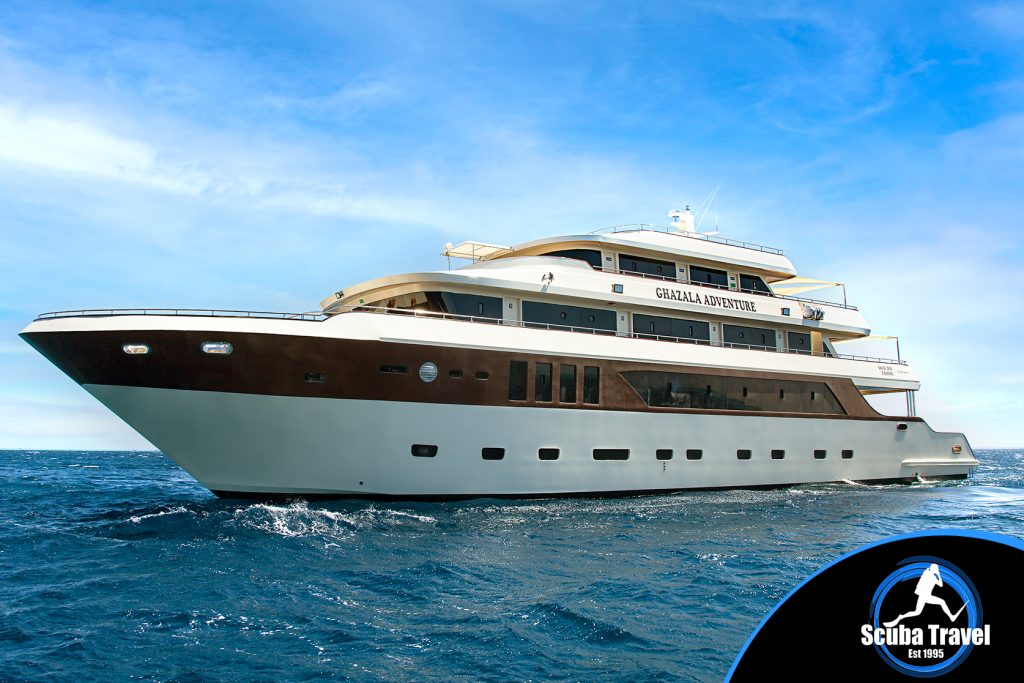
Social skills – Having just returned from a weeks’ diving cruise on the Red Sea, the teacher who arranged it was telling me about some of the feedback he’d received from the other teachers. Apparently many of the students showed more confidence, showed more interest in their subjects, were more independent and they were better at socialising with the other students.
There are many ways scuba diving can be introduced to schools, either through trial dives, a certification course such as the PADI open water course and diving trips and holidays.
Teachers can often benefit from the introduction of diving as they can receive free tuition and diving holidays.