What Can 1,006 Dives Tell Us About the Pacific’s Coral Reefs?
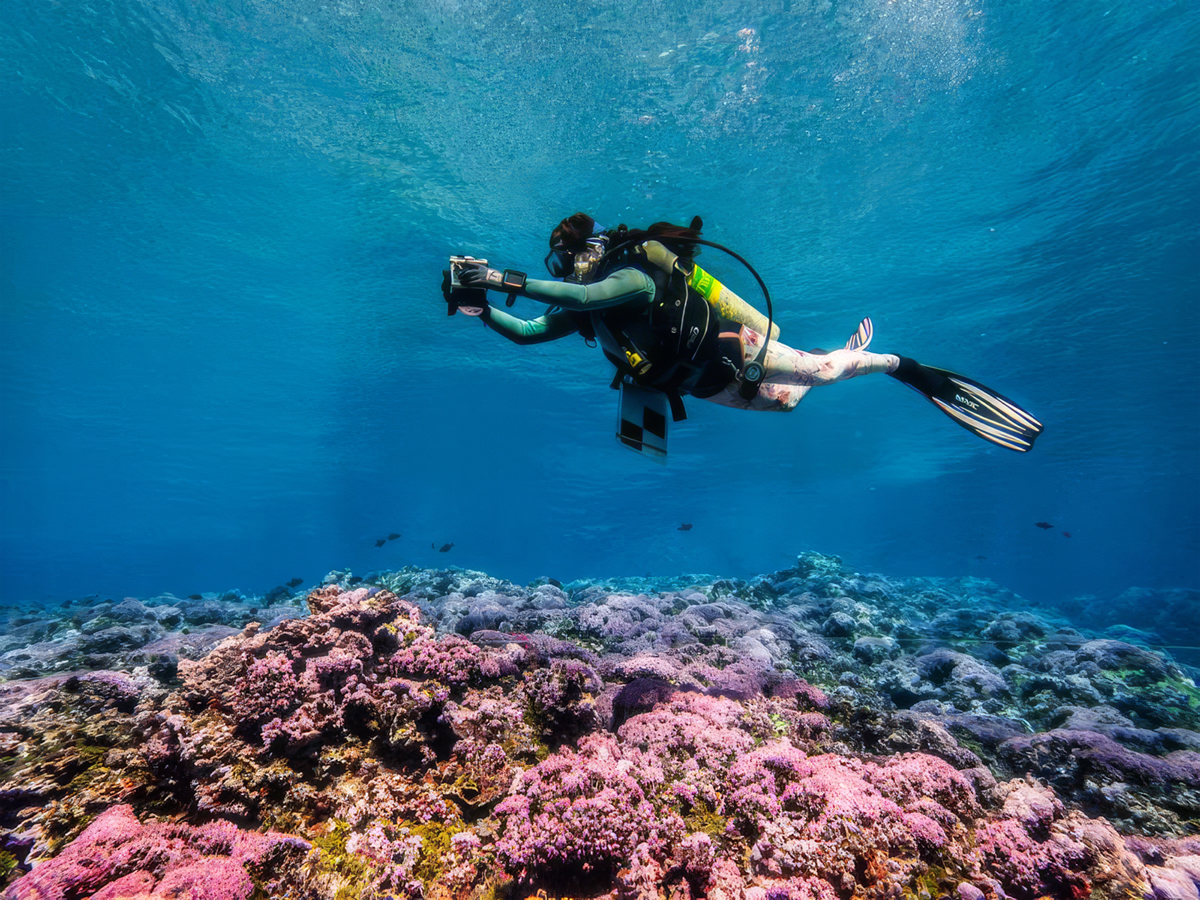
Scientists have completed more than 1,000 scuba dives across some of the most remote coral reefs in the Pacific, gathering a huge amount of data to help track the health of these important ecosystems.
The 2026 expedition, led by NOAA Fisheries, surveyed reefs around American Samoa and the Pacific Islands Heritage Marine National Monument as part of the National Coral Reef Monitoring Program.
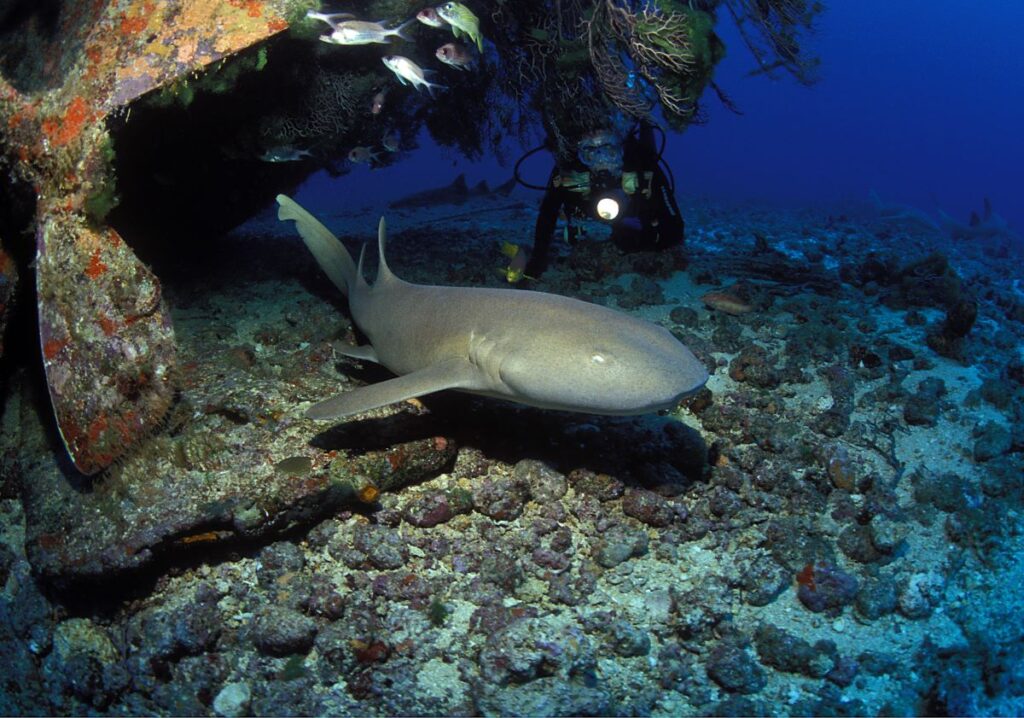
Over the course of the expedition, scientific divers completed an impressive 1,006 dives, including 440 fish surveys and 420 photomosaic surveys. The team also carried out 550 benthic photo surveys and collected 261 water samples.
The photomosaic surveys will be used to create detailed 3D models of the reefs, allowing scientists to measure changes in coral communities and reef structure over time. Divers also deployed and recovered instruments used to monitor factors including temperature, calcification and bioerosion.
These remote reefs are revisited approximately every three years, building a long-term picture of how coral ecosystems are responding to changing ocean conditions and other pressures.
For the scientists involved, completing the surveys requires considerable teamwork both above and below the surface — but the resulting data will help researchers better understand how some of the Pacific’s most remote coral reefs are changing.
Source: NOAA Fisheries / National Coral Reef Monitoring Program