Underwater camera network to monitor and protect ocean wildlife

The ocean wildlife and diverse ecosystems of the UK Overseas Territories (UKOTs) will soon be more visible than ever thanks to pioneering work to establish a major network of underwater camera deployments.
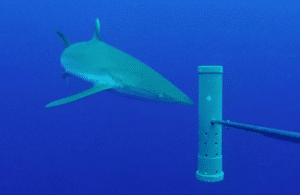
Funded as part of the UK Government Blue Belt programme, scientists from Cefas, the University of Western Australia and partners in the UKOTs are working with Blue Abacus, in a world first to supply and analyse the data collected from 66 non-intrusive stereo-Baited Remote Underwater Video Systems (BRUVS), which will be deployed in open ocean and coastal habitats.
Together these BRUVS will form the Global Ocean Wildlife Analysis Network, which will provide information on ocean biodiversity and ecosystems found in the vast maritime and coastal areas of the UKOTs in the Atlantic, Indian, Pacific and Southern Ocean.
The UKOTs involved in the project are: Anguilla, Ascension Island, British Antarctic Territory, British Indian Ocean Territory, British Virgin Islands, Cayman Islands, Montserrat, Pitcairn, St Helena and Tristan da Cunha.
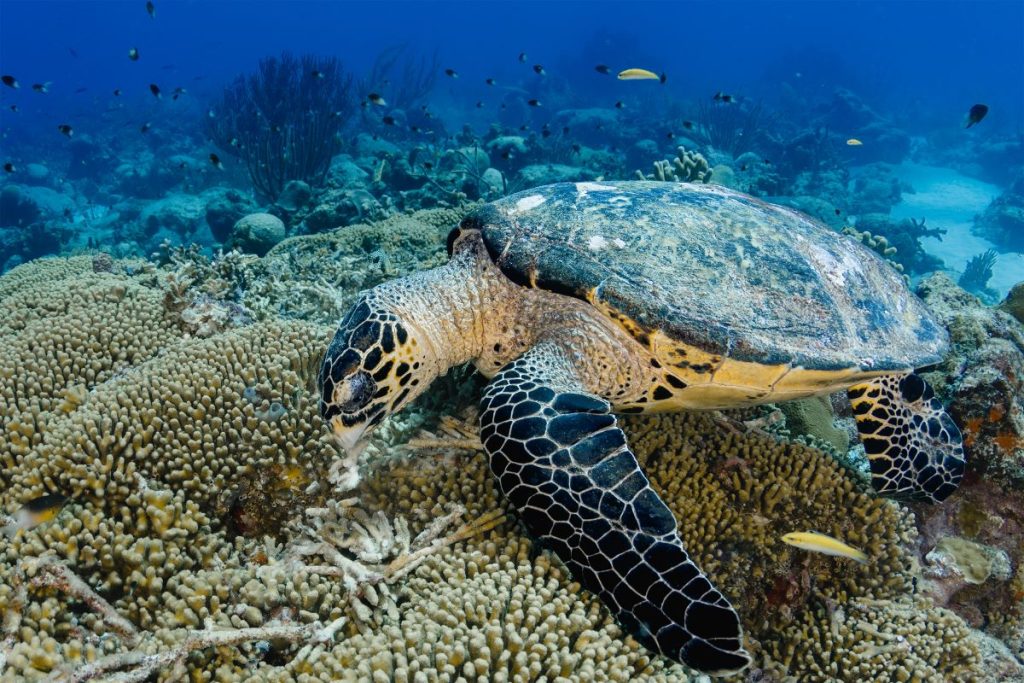
BRUVS will enable researchers to see below the surface and provide a benchmark of scientific understanding of the marine species within their maritime area, allowing the UKOTs to take more informed decisions about protecting and managing these diverse ecosystems.
Co-founder of Blue Abacus and Professor at the University of Western Australia, Jessica Meeuwig said “The world’s tunas, sharks and large reef fish continue to decline in numbers and this trend must be reversed. This programme will give decision makers the evidence they need to act decisively in support of their blue economies.
We are delighted that the UK Government and Overseas Territories support the drive for increased knowledge as we rebuild our oceans. Our refinements to conventional underwater cameras are what makes possible the rollout of this programme over four ocean basins, the largest single such government-supported initiative globally.
We look forward to working with the communities in the Overseas Territories, building on their local knowledge and experience.”
The Global Ocean Wildlife Analysis Network of underwater stereo-baited cameras supports ongoing work amongst the UKOTs, many of which are part of the UK Government Blue Belt Programme, which now covers more than 4 million square kilometres of ocean.
This initiative builds on progress to date through the Blue Belt programme to improve our understanding of the marine environment of the UKOTs, and to ensure these diverse ecosystems are protected and managed for future generations. Through the programme, the UKOTs have put in place large-scale marine protection and management measures which cover an area of over 4 million square kilometres.
Visit www.blueabacus.org to find out more!