Scientists launch urgent investigation into extreme UK marine heatwave
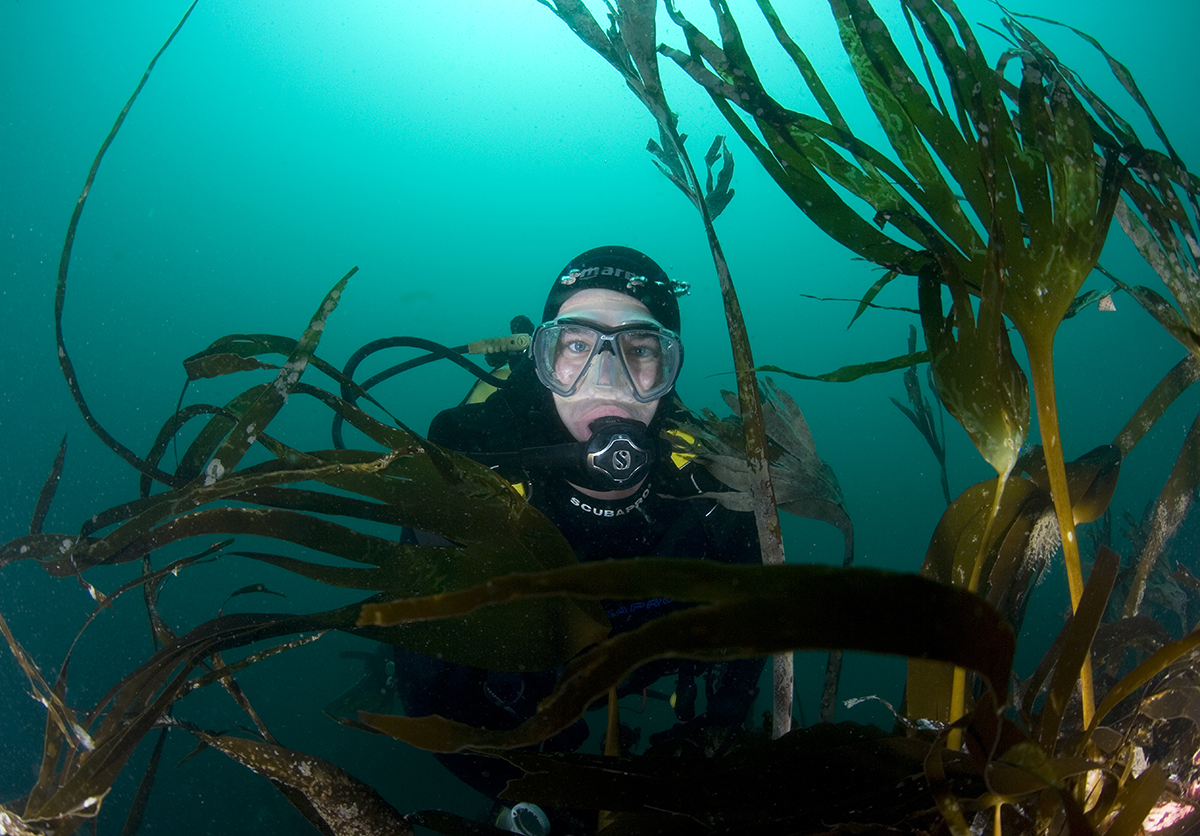
Image: A scuba diver explores a kelp habitat in Plymouth Sound. Marine heatwaves pose a growing threat to underwater ecosystems. Photo: © Jane Morgan.
Scientists in Plymouth have launched an urgent investigation into the effects of an extreme marine heatwave on marine life in UK waters.
The Marine Biological Association (MBA) has received emergency funding from the Natural Environment Research Council (NERC) to study the impacts of unusually high sea temperatures across the English Channel, southern North Sea and Bay of Biscay.
The heatwave began in late June 2026, with sea-surface temperatures reaching around 3–5°C above normal levels in affected areas. It is among the most intense recorded in the region since satellite monitoring began.
Researchers will examine how the warming has affected plankton and fish populations, as well as investigate the potential for harmful algal blooms and marine bacteria.
Using samples collected before, during and after the heatwave, scientists will compare their findings with decades of historical data from the MBA’s Continuous Plankton Recorder Survey, which has been operating since 1931.
Marine heatwaves are becoming more frequent and intense as ocean temperatures rise, threatening habitats such as kelp forests and seagrass meadows, as well as the marine species that depend on them.
The project, led by marine ecologist Dr Katie Smith, aims to provide vital information about how UK marine ecosystems respond to extreme warming, helping scientists and policymakers prepare for future events.
Preliminary findings are expected within six months, with a full analysis planned within a year.
Source: Marine Biological Association (MBA), 22 October 2026.