Safe Steps into the Blue: Zodiacs and Diving the Brother Islands with Ghazala Adventure


After wrapping up our first day of check dives and fire drills, we retreated to our cabins, lulled by the gentle hum of the ship’s engines as we began our overnight crossing to the Brother Islands. There’s nothing quite as magical as waking to the sight of two striking offshore islands rising out of the morning light.


Little Brother
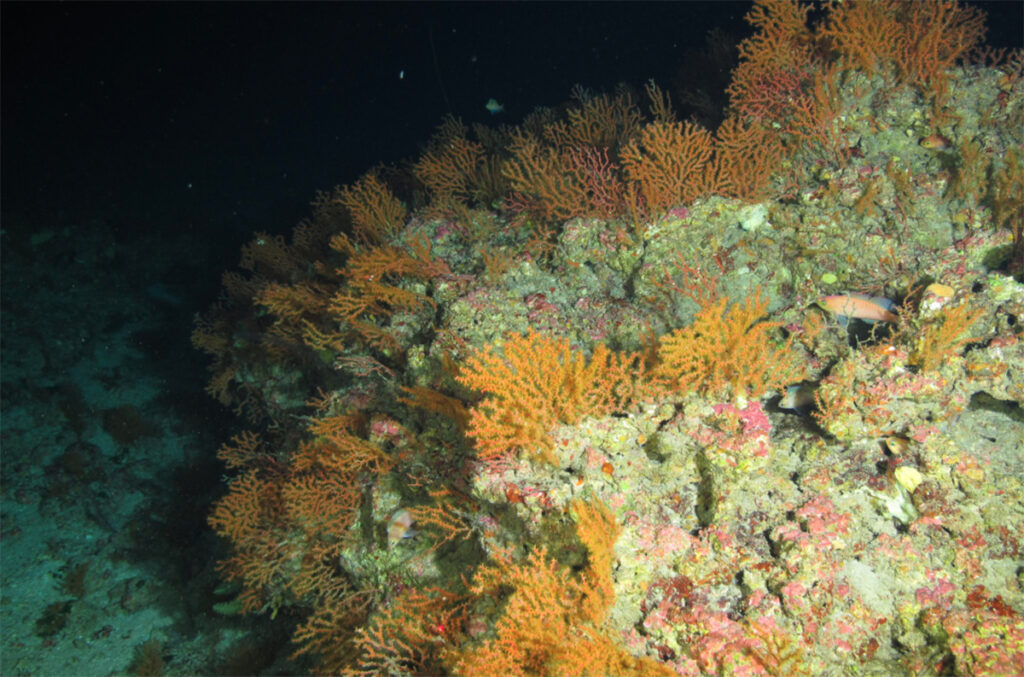
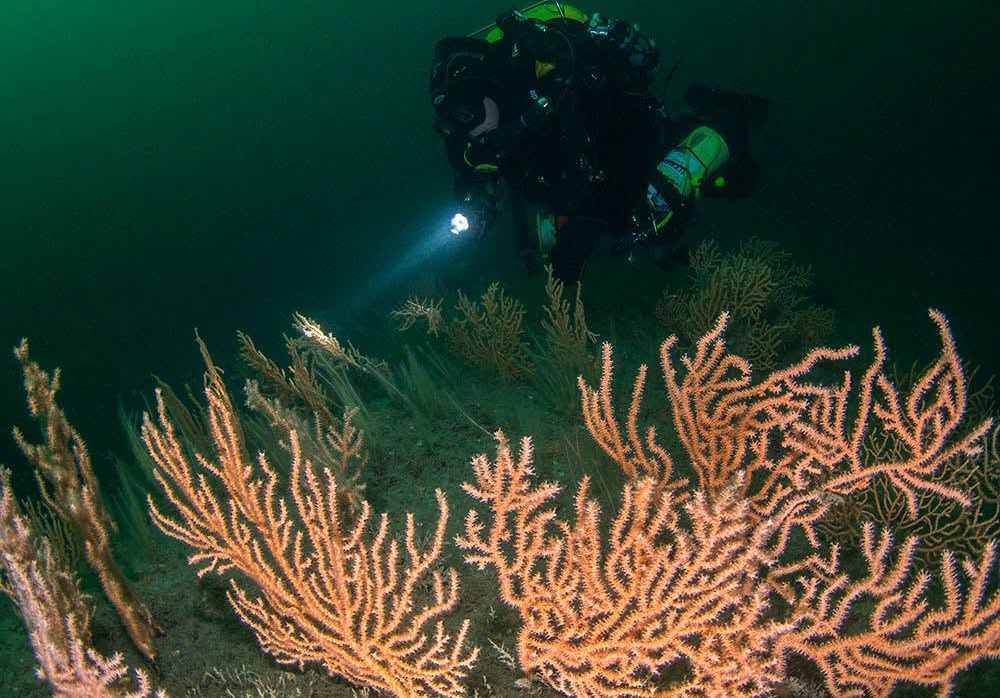
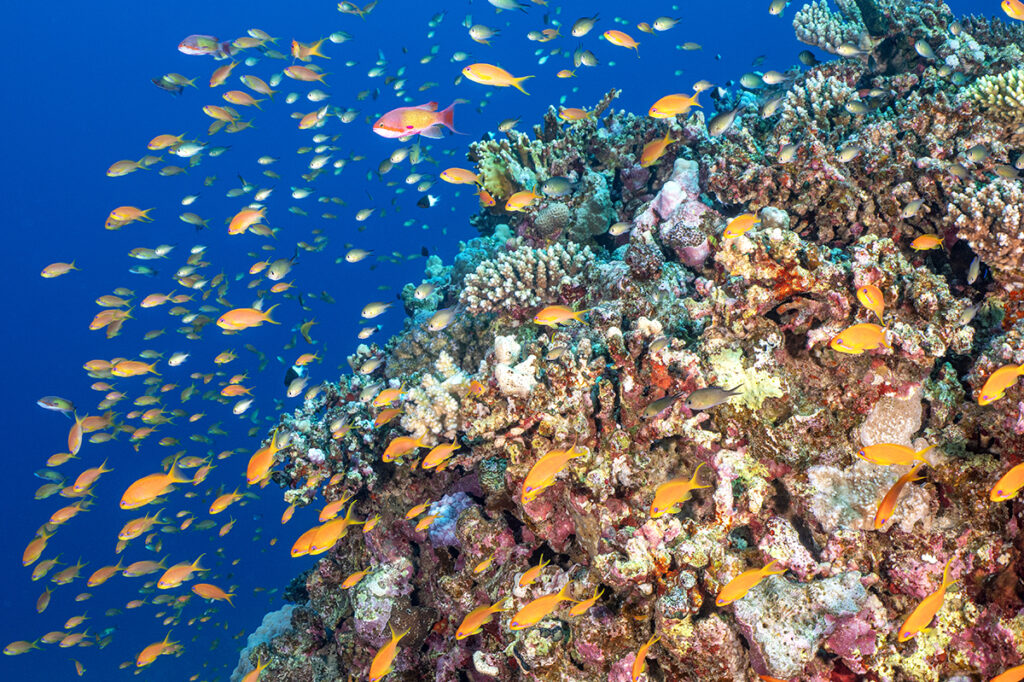
Although we were on a wreck-focused itinerary, you’d be mad to visit the Brother Islands without taking time to enjoy the incredible reefs and vibrant marine life that Little Brother has to offer. Our first dive of the day began with a giant stride off the back of the boat onto the southern tip of Little Brother. Keeping the reef on our left, we descended into a stunning garden of gorgonian fan corals, starting at around 15 metres and plunging beyond 30. These beautiful corals shelter an array of marine life, including the elusive long-nose hawkfish.


All the while, we were reminded to keep one eye on the blue as you never know who might glide past, and we were not disappointed.
Our first sighting was the shy but beautiful thresher shark. I’d opted for a nitrox mix, and although my camera was ready and I could clearly see its stunning silhouette, our brief set a 40-metre maximum, and my computer was doing its job by reminding me that I was already at my limit. So, sadly, I have no photographic evidence.


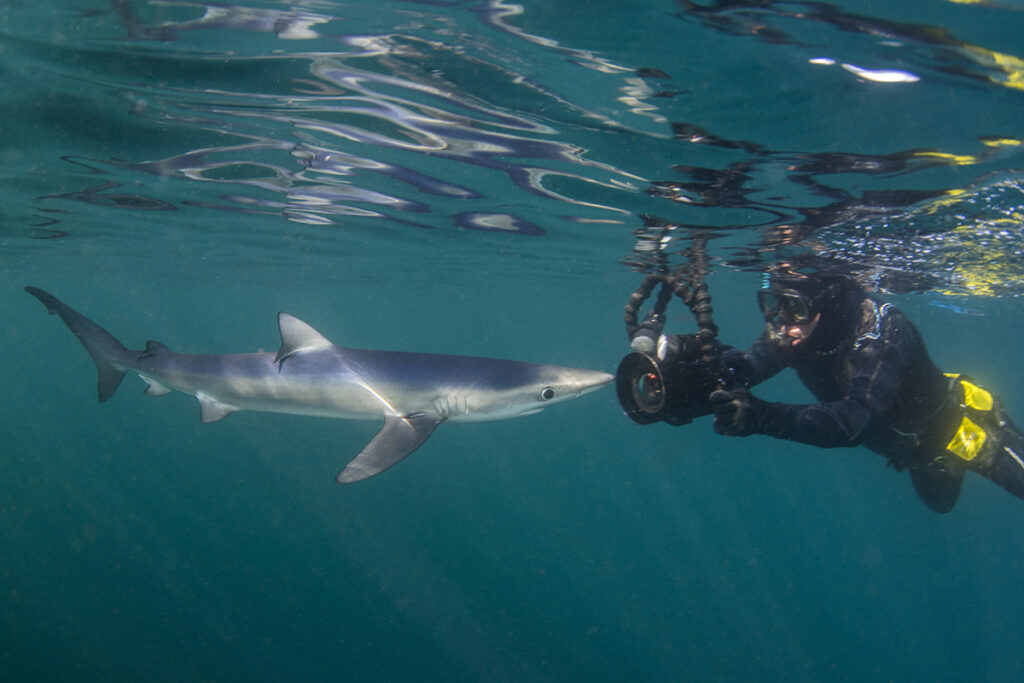
Next came the excitement of an oceanic whitetip gliding past in the blue, escorted by its entourage of pilot fish. It’s a stunning symbiotic relationship to witness: the pilot fish gain protection and scraps of food, while the shark benefits from their diligent parasite-cleaning.


After all those stunning fan corals, two shark encounters, shoals of barracuda, a napoleon wrasse, and a dramatic reef wall smothered in corals and marine life, the atmosphere back on board was electric. We had a deck full of very happy divers.
Zodiacs
Our second dive at Little Brother was planned for the north plateau, but with the boat moored in the south, it meant our first zodiac entry of the trip. I’ve always been a little nervous about boarding a zodiac from the dive platform. For one thing, my legs are fairly short, so that “step” is a bit more dramatic for me than for most. And then there’s the part where I have to pass my camera back and forth and that’s never a relaxing moment when not everyone knows how to handle such precious cargo.
As it turned out, none of this was an issue on Ghazala Adventure. We had an incredibly thorough briefing on how to step into the zodiacs, how to pass our kit, and how to get back in safely. The crew were fantastic – calm, attentive, and clearly experienced, and it didn’t take long for me to realise there was absolutely no need to stress about entries, exits, or the handling of my camera.
The dive guides were so attentive that they would even sprinkle water on you if they felt you were beginning to overheat while waiting on the zodiac.
Big Brother
Big Brother is easy to spot thanks to the striking lighthouse that stands proudly at the center of the 480-metre-long island. Originally built in 1883 by the British Navy, it’s well worth a visit while you’re there, offering excellent views over the surrounding reef.


Island Photos: Richard Kyd
The island itself rises about 10 metres above sea level and is home to the ill-fated Numidia, a wreck that sank in 1901 while transporting cargo for the construction of the Indian railways. The ship had sailed from Liverpool, passed through the Suez, and was enroute to Calcutta when disaster struck. This would be our first dive on the north plateau.


Today, the wreck rests between 8 metres and over 80 metres, with the stern lying on the seabed. Thanks to strong, nutrient-rich currents, the shallower sections are breathtaking—completely smothered in vibrant soft corals. The wooden decking has long since vanished, revealing a metal framework that opens access to different areas of the wreck and creates a fantastic swim-through for divers.


Our fourth dive of the day was a scenic one, and we chose a shallower route starting from the south plateau and following the reef wall. Bathed in the late afternoon sunlight, the reef was utterly beautiful. We didn’t want to push our limits, especially with another evening crossing ahead—this time to the beautiful Ras Mohammed National Park and the incredible Thistlegorm wreck. This is the itinerary that just keeps giving.
Book your next diving adventure on Ghazala Adventure with Scuba Travel: https://www.scubatravel.com
Book your dive insurance with Dive Master Insurance: https://www.divemasterinsurance.com
Header Photo: Richard Kyd