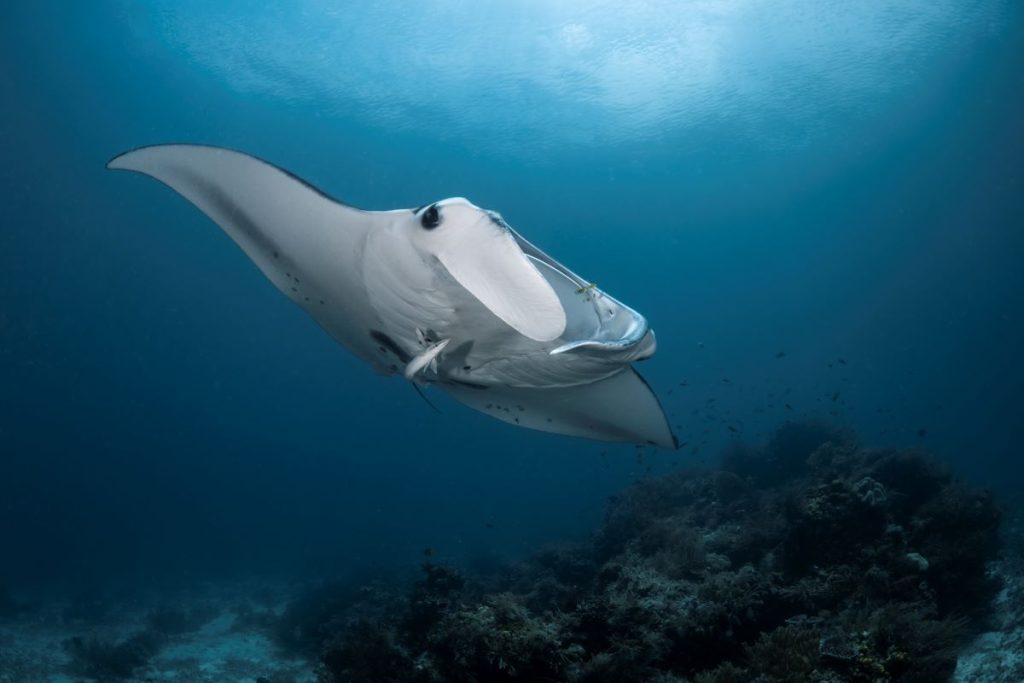
Recent updates about the Shark situation in South East Asia

As we all know an approximate number of 100 million sharks are killed every year to support the demand for shark fin soup, mainly from countries in South East Asia.
In China the growing middle class are craving to eat this dish which was classified as a traditional wedding treat and served at state banquets; however, many Chinese hotels like Shangri-La has recently banned the soup from their regular menu and many other high class restaurants in the neighboring countries are following suit.
BAD NEWS
Last week terrible news came from one of Hong Kong´s conservationists groups – a whale shark factory was found that processed over 600 Whale Sharks annually. These giant animals are hunted not only because of their valuable fins but also for their liver. A shark liver can be a third of the size of a sharks body and the oil is an essential ingredient in the preparation of cosmetics like lipsticks and creams.
Alex Hofford and Paul Hilton of WildLifeRisk, the conservationists group that discovered the factory, said:
“How these harmless creatures, these gentle giants of the deep, can be slaughtered on such an industrial scale is beyond belief, and all for human vanity; lipsticks, face creams, health supplements, shark fin soup restaurants. We firmly believe the trade must stop, and it must stop now, or else these animals will eventually face extinction.”
When resources run scarce, old battles resurface; China is again debating with surrounding countries like the Philippines, Vietnam, Taiwan, Malaysia and Brunei over South China Sea fishing rights.
China has imposed a new law that bans foreign vessels in “Beijing claimed areas” and the Philippines has said this is illegal and a serious threat to the peace in the area, since China claims almost the entire South China Sea as their own. The Philippines has tried to arbitrate under the UNCLOS (United Nations Convention on the Law of Sea) to make Chinas claim illegal.
Chinese official sources said “the fisheries conservation regulations had been issued and published by China since the 1980s. There was no reaction from the Philippines then and yet these are the very same rules that are being attacked today.”
To be continued….
In other areas in the Philippines, Marine Biologists are criticizing fisherman over their new method of making money; they are “hand feeding” whale sharks in order to attract tourists.
This practice has become highly popular, and since sightings of these giants is practically guaranteed, the fishermen can earn a lot more money and spend less time working too.
The Marine biologists claim this practice disturbs the whale shark’s natural behavior and increases disease and parasites, and they are conducting a study to observe the change over time.
These kind of stories where conservation only takes place when there is a demand or monetary interest will unfortunately become more common in the future.
But isn’t it better to have the whale shark hand fed than in whale shark fin soup?
GOOD NEWS
Indonesia has created the country’s first shark and manta ray sanctuary. Created at the beginning of 2013 and based in Raja Ampat, it’s the first in the Coral Triangle. 6 months later, Komodo with it´s 7,000 sq km has also joined other areas of Indonesia to protect its sharks and rays.
Indonesia is an important country because it’s one of the world’s biggest fisher and exporter of sharks, so the sanctuaries are extremely vital for the area and a good sign of a will to save wildlife for tourism (as sharks and rays bring in more for money alive then dead).
The Sultanate of Brunei has become the first Asian country to ban shark finning, effective from January 2014. Routine checks on establishments will be conducted to ensure the ban is followed.
The Sultan Hassanai Bolkiah Mu’izzaddin Waddaulah has banned the catch and landing of all shark species from the waters of Brunei Darussalam, as well as shark fin sales in the domestic market, and the importation and trade of shark products.
This is a law that has not even been achieved in countries like the United States, so for an Asian country this is very progressive.
Shark meat used to be sold at the market at very cheap prices, only the fins are more expensive and most of the times already sold before reaching the market.


Photos taken before the implementation of the law for shark Finnning, Fish market, Jerudong , Brunei Darussalam in December 2013.
Neighboring areas to Brunei like Northern Sabah are trying to follow the steps of Brunei, but the Southern region of Sarawak is far from acknowledging this law. The general manager of the Protected Areas and Biodiversity Conservation Division Oswald Braken Tisen said recently:
“Not all sharks are protected species, and selling of shark’s fin and consuming it is still not against the law.”
The Shark experts’ opinions are unanimous: “Laws to restrict trade will mean little unless there are total bans on fishing.”
After checking up on how the new law about shark protection is affecting the fish market in Jerudong in Brunei Darussalam, I attach these two pictures from the 6th of February.


Sharks are still openly displayed on the counter, some still with their fins, and some guitar fish without fins. I have tried to reach the Ministry´s fisheries for a comment but they are still busy with Chinese New Year celebration and are proving difficult to reach.
I’ll try again next week….