New protection measures announced for Scotland’s Loch Carron

The Scottish Government have announced a new Marine Protected Area at Loch Carron in the North West of Scotland. The announcement comes as a response to news in April that the rich seabed there had been damaged by scallop dredging.
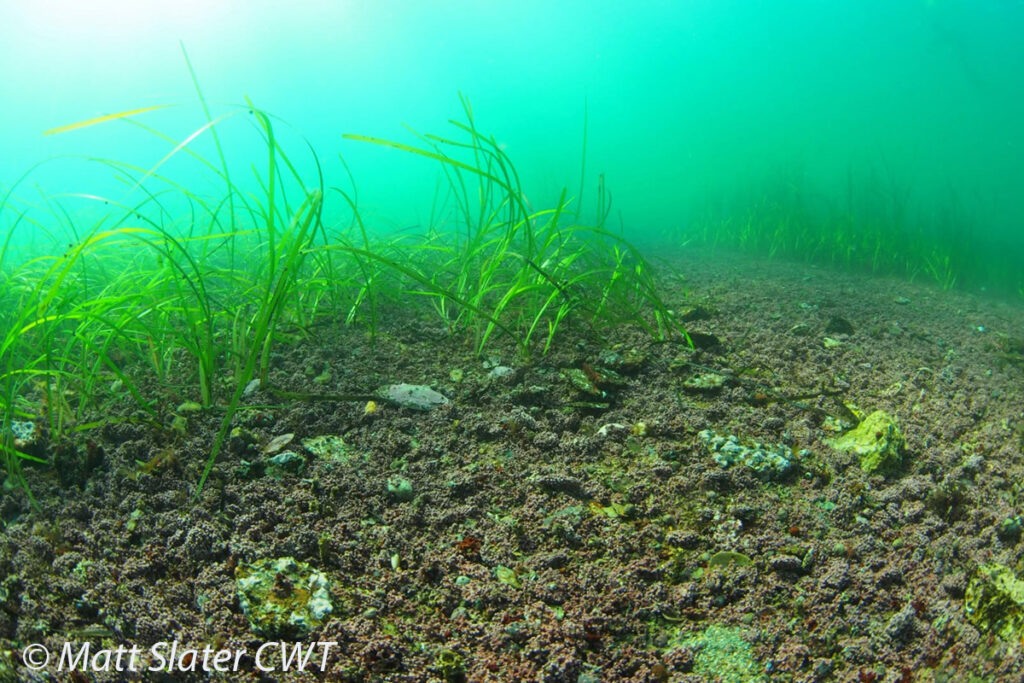
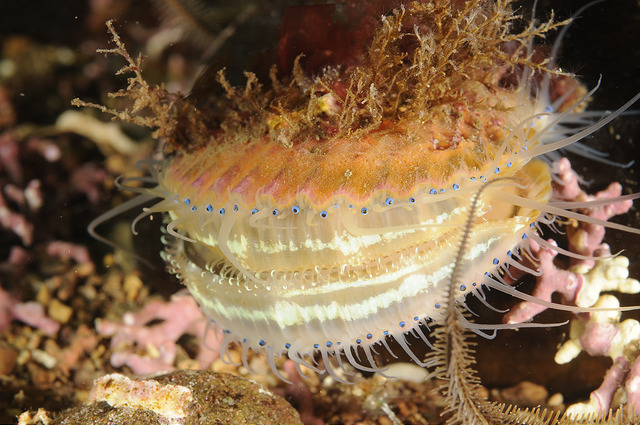
Loch Carron is famed for its rich marine wildlife, such as flameshell, maerl and horsemussel beds. The Marine Conservation Society (MCS) put part of the loch forward as needing protection in 2013, along with other sites, but it was not taken forward at the time. However, with a policy requirement in Scotland’s National Marine Plan, places with such delicate natural features as these merit protection from potentially harmful activity, whether in designated sites or not.
The Marine Conservation Society was distraught to hear of the destruction caused by scallop dredging to flameshell beds in outer Loch Carron in late April.
Calum Duncan, MCS Head of Conservation Scotland says “Whilst this loophole of inshore fisheries management led to damage, we are hopeful that there is sufficient healthy reef left to return Loch Carron to its natural state, given time.
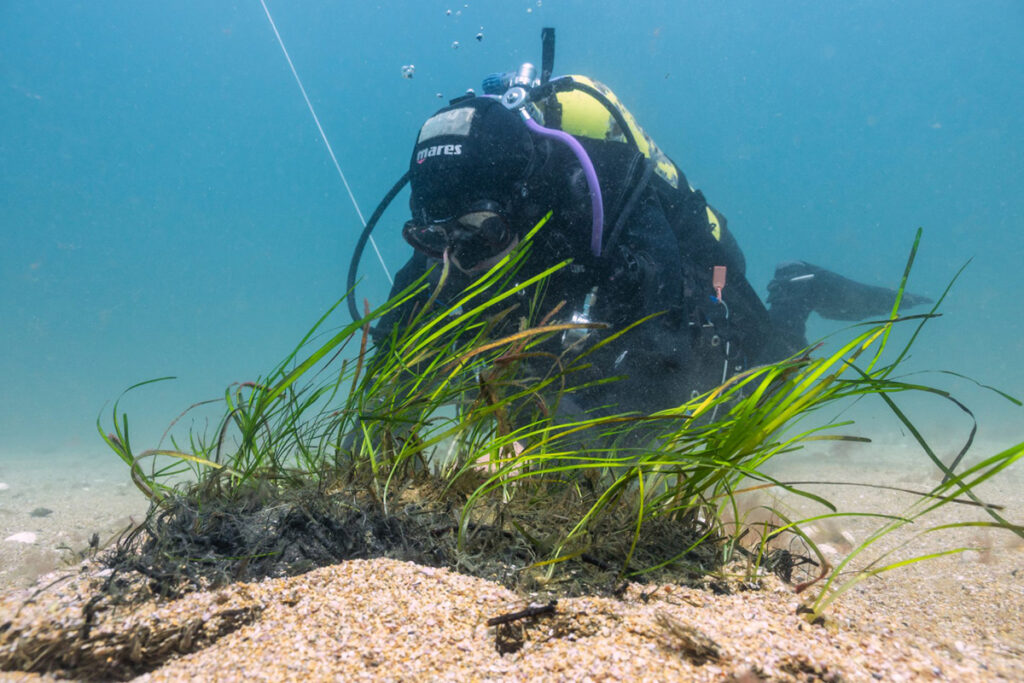
“The decision shows how crucial the efforts of dedicated divers rapidly recording video footage and submitting Seasearch records shortly after the event were. It is therefore good to see the rapid response from Scottish Natural Heritage and Marine Scotland Science to the harm done to Loch Carron, corroborating the citizen science evidence.”
The Marine Conservation Society has long been calling for effective management of inshore fisheries, and particularly scallop dredging, in Scottish waters. It says that it is now imperative that flameshell beds and other priority features that don’t fall within designated sites are also identified and protected, welcoming the Scottish Government announcement to immediately begin work to identify such other areas for protection.
Calum Duncan continues: “We have many records of fragile wildlife features such as flameshell, maerl, seagrass and horsemussel beds throughout Scotland gathered through our extensive Seasearch project. They are worthy of protection from scallop dredging and other damaging activities but are not currently in designated protected areas.
“Commitments to the promised Inshore Fisheries Bill must be upheld to deliver effective, progressive spatial fisheries management to not only protect vulnerable features and critical nursery habitats but to address gear conflict. Scallop dredging in particular has the potential to be devastating so close to the shore and in such shallow waters as demonstrated by this incident.”
“Scotland’s National Marine Plan requires that fishing and any other activity should not significantly impact the national status of these or any other Priority Marine Feature.”
Find out more about the work of the Marine Conservation Society (MCS) here.
Divers are invited to join the Seasearch project to help protect the marine environment around the coasts of Britain and Ireland. Find out more here.