Malta – the Jewel of the Med, Part 2: Gozo
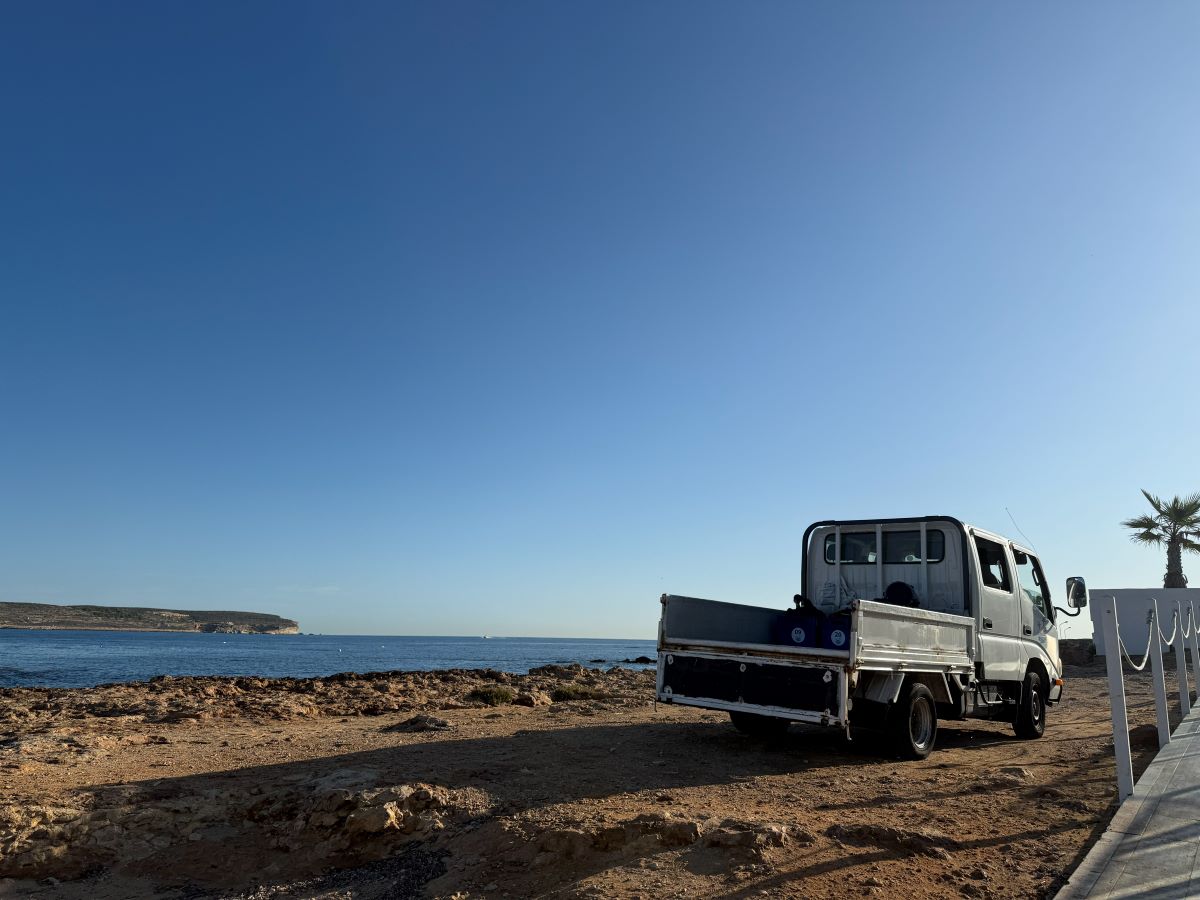
You can’t visit Malta without taking at least a day trip to Gozo. It’s smaller, slower paced and feels a little more wild than the main island. It really feels like once you leave the harbour the only other people around are other divers at the car park!
The island is a short ferry trip away. We started the morning by loading up the trucks at Paradise Diving and headed off to the ferry terminal to begin the journey. The ferry offers great views of Malta, Comino and Gozo on the way over, along with cafes and some great spots to sit and enjoy the views. Once on Gozo, the sites at Xatt l-Aħmar are about a 40 minute drive away across the beautiful island.
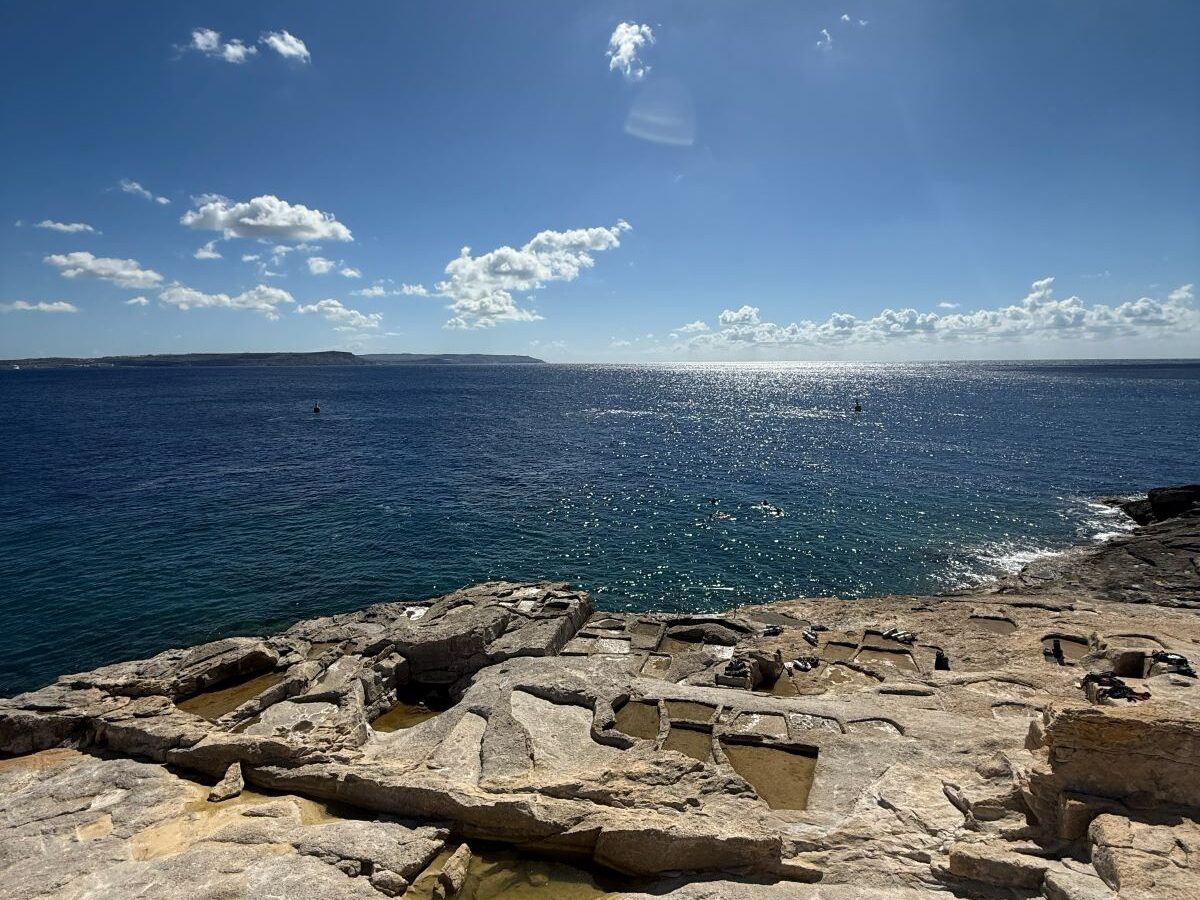
The island has a selection of deliberately sunk vessels that have transformed into thriving artificial reefs, surrounded by underwater cliffs covered in thick green seagrass. It’s a playground for more experienced recreational divers, technical divers and photographers – there’s something for everyone. Whilst many of the wrecks in Malta carry stories of wartime or maritime tragedy, Gozo’s wrecks tell a different story. The wrecks here have been considered, purposefully cleaned and sunk with diver access and the environment in mind. The result is a series of beautiful wrecks, laying upright on the white sandy seabed, just a short swim from the shore. For wreck divers, Gozo offers big, accessible wrecks, very little current and spectacular visibility. I’m sure the vis is bad in some conditions, but for the duration of our trip it was consistently over 20m vis on every dive.
First up on the list of dive sites is undoubtedly the MV Karwela; if Gozo had a flagship wreck, it would be this one. Formerly a passenger ferry operating between Malta and Gozo, the 50-metre vessel was scuttled in 2006 off Xatt l-Aħmar to create an artificial reef, and it has become one of the most photographed wrecks in the Mediterranean.
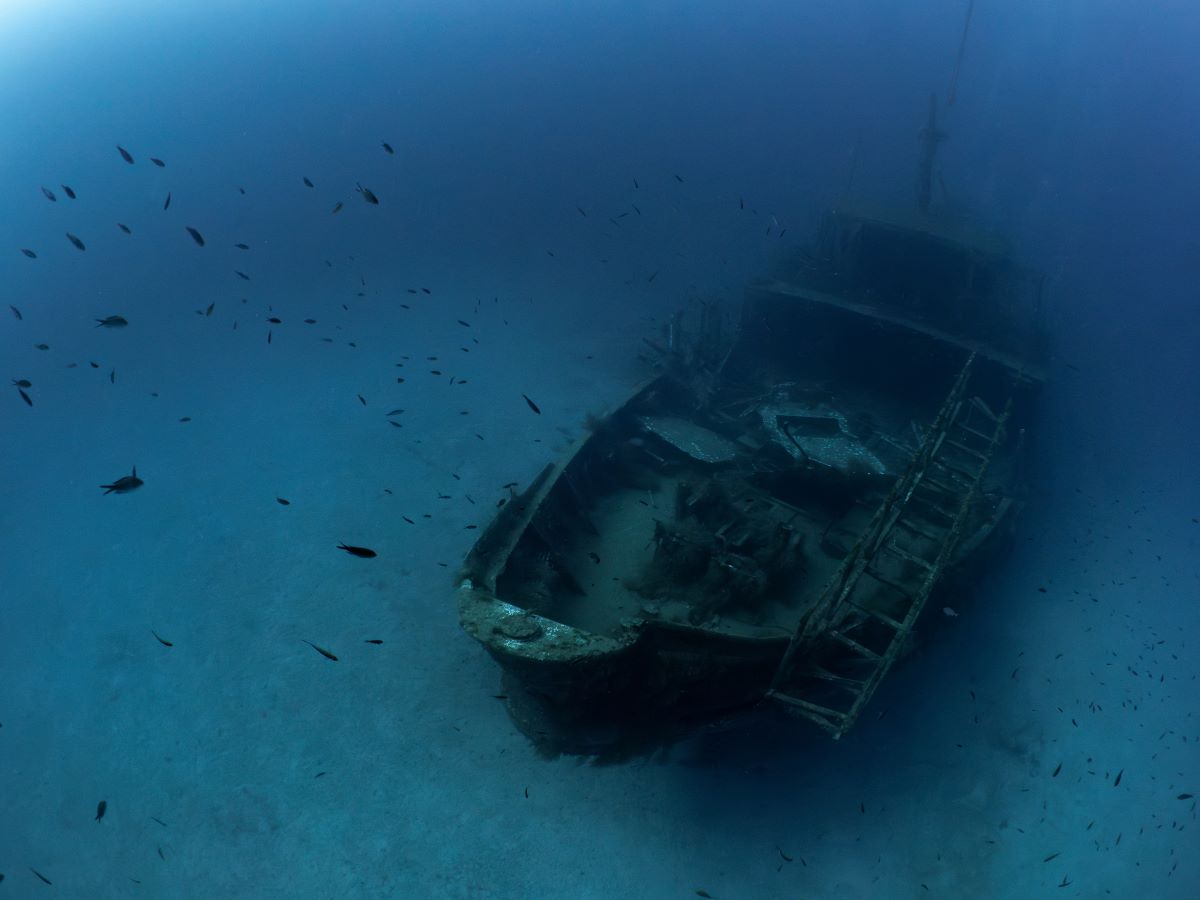
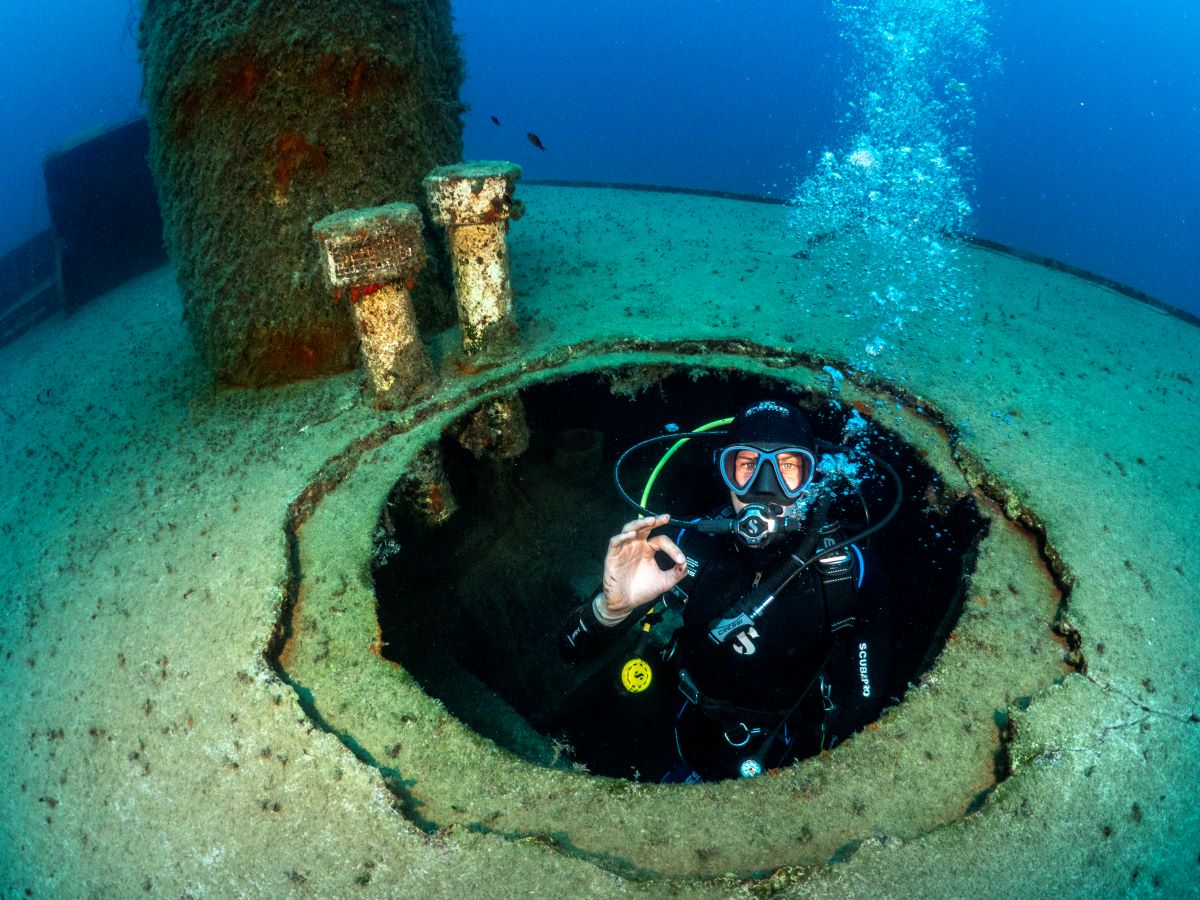
Resting upright on a sandy seabed at around 42 metres, Karwela’s superstructure rises to roughly 35 metres, making it a deep but approachable dive for the more advanced recreational divers. The ship’s open decks, bridge, and wheelhouse are instantly recognisable, but it’s the interior that really steals the show.
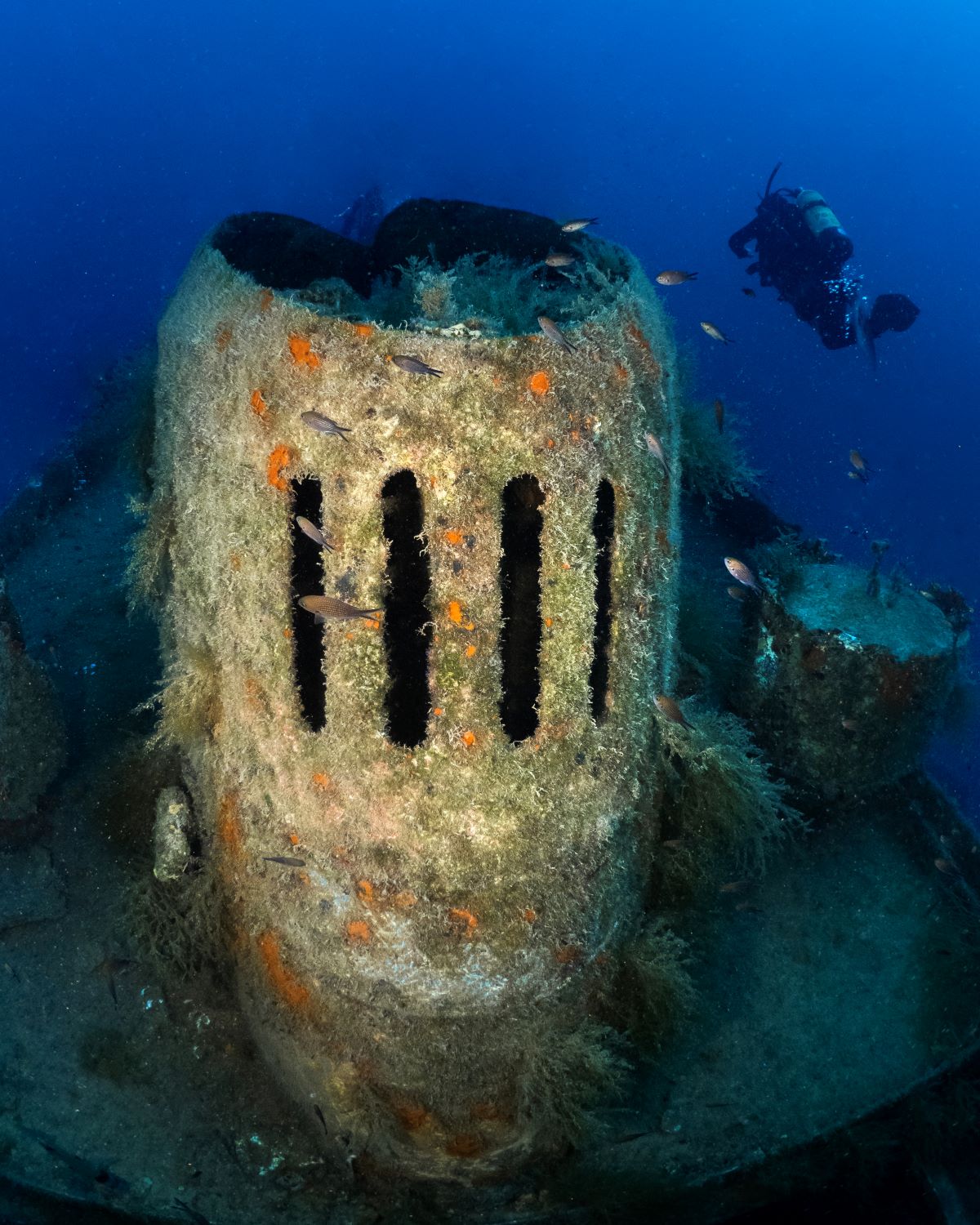
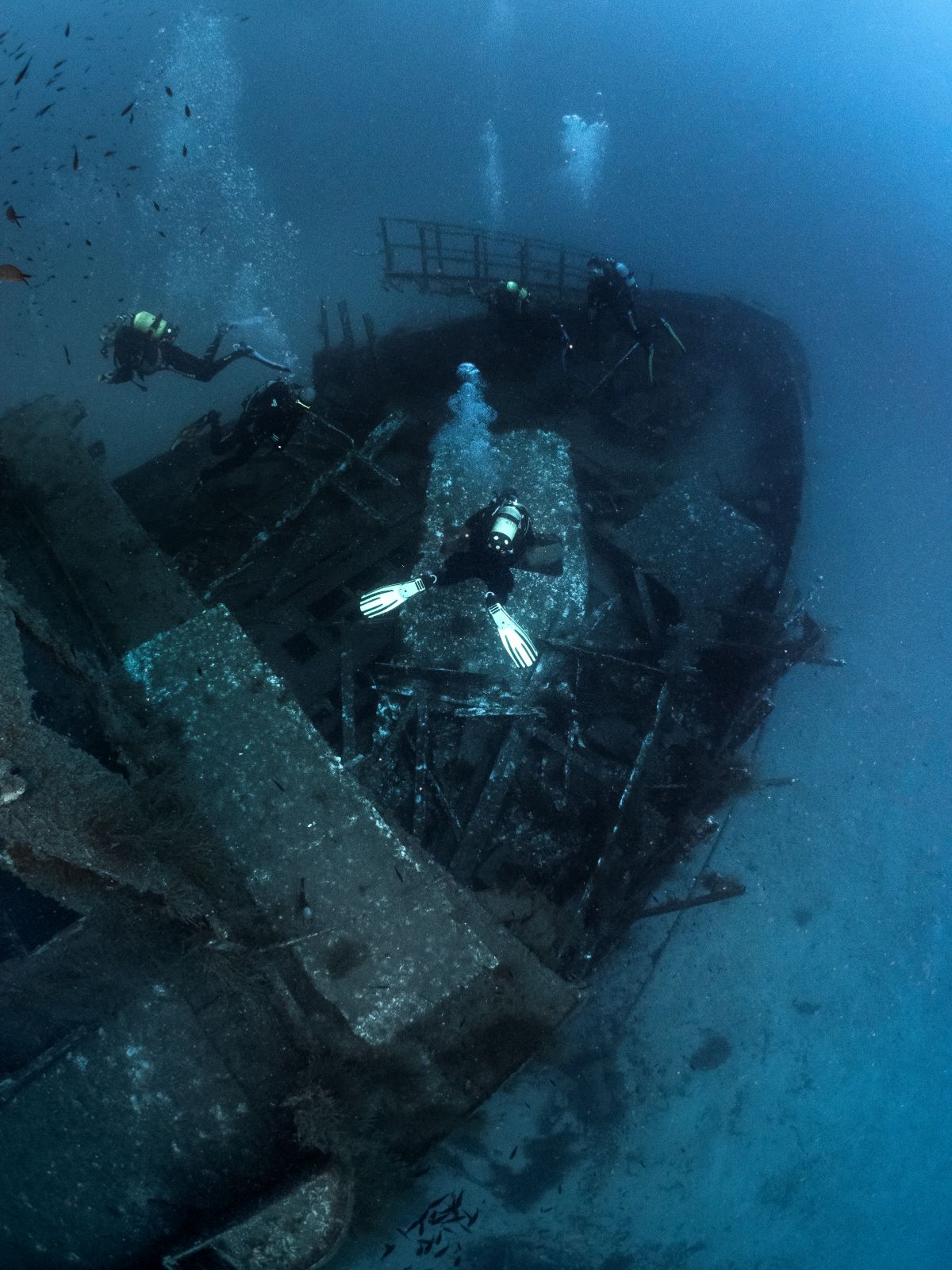
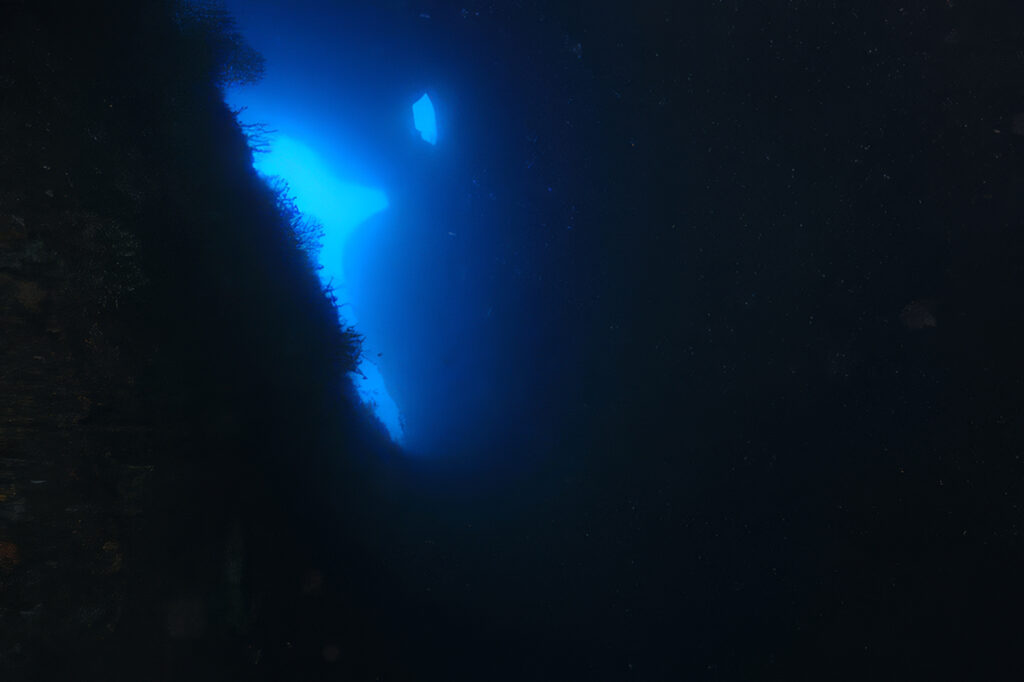
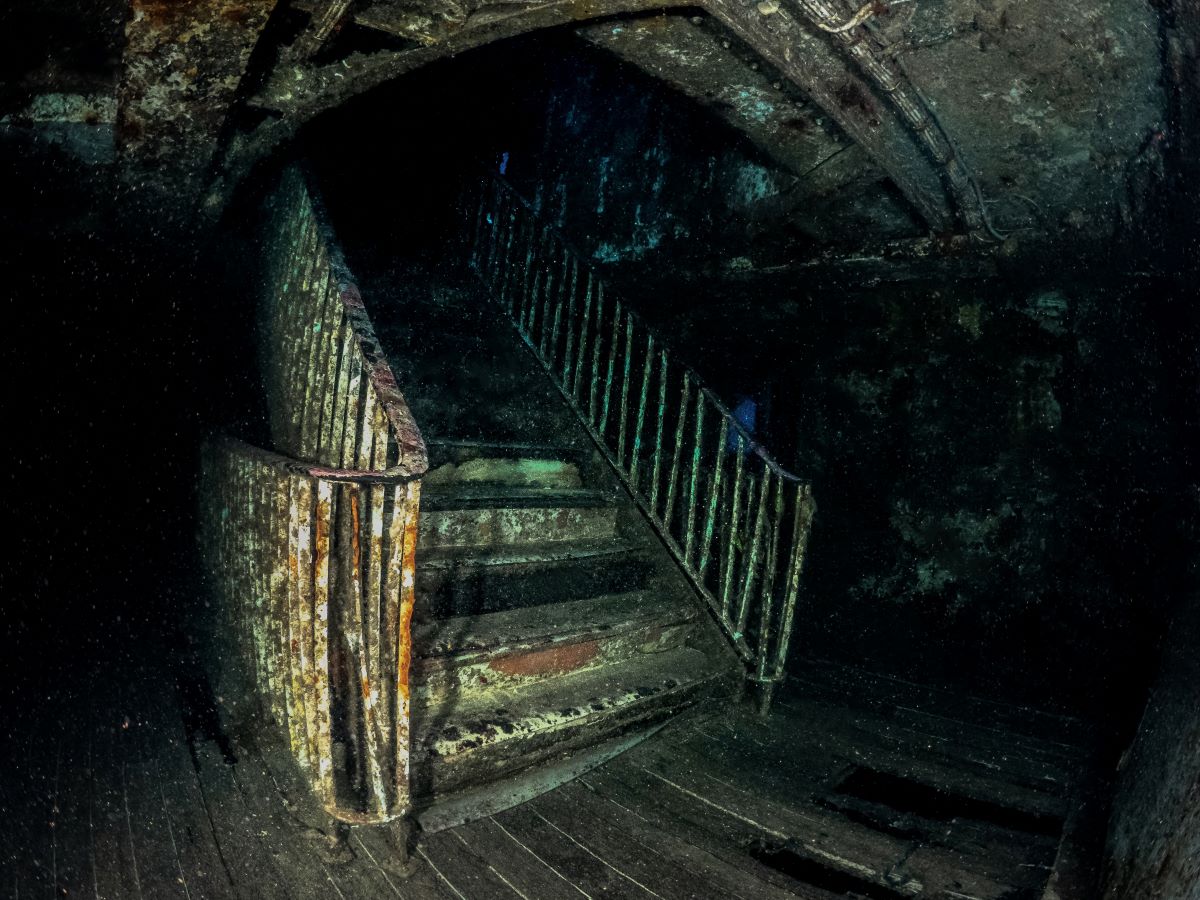
A wide central stairwell, flooded with ambient light, descends through the ship, creating a hauntingly beautiful atmosphere that feels more like a cathedral than a corridor. Swimming through Karwela’s interior spaces is less about tight swim throughs and more about open architecture, with generous entry points and wide passageways allowing divers to explore without feeling too constrained.
It’s not just about the wreck; damselfish hover in clouds above, bream patrol the railings, and nudibranchs decorate the rusted beams. Shoals of barracuda sometimes circle the upper decks, while octopus and moray eels lurk in the shadows below.
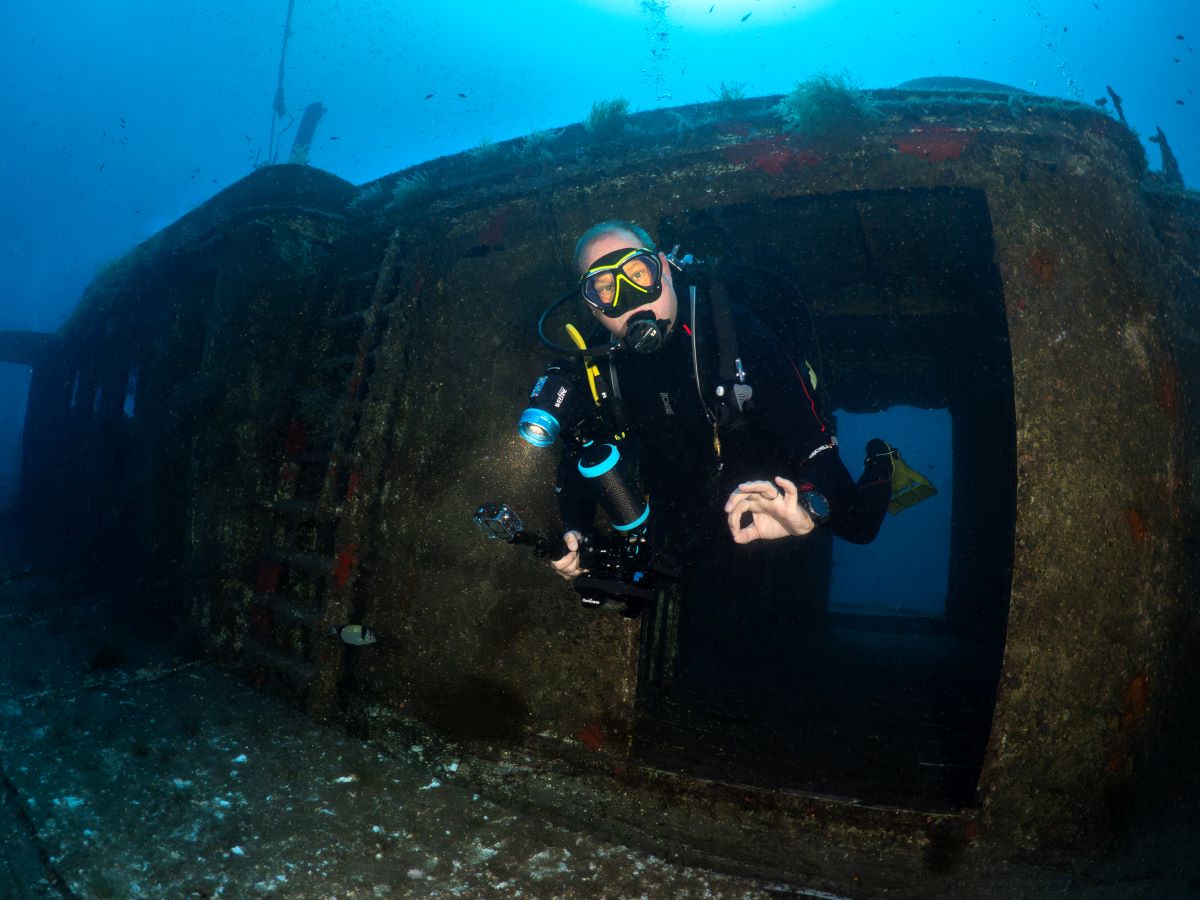
Just a short swim from Karwela lies her quieter sister ship, the MV Cominoland. Slightly smaller and resting upright in around 40 metres of water, Cominoland was also intentionally sunk and offers a more subtle but no less rewarding experience.
Where Karwela impresses with grandeur, Cominoland charms with flow. Her layout encourages relaxed swim-throughs, with open cargo holds, wide passageways, and gently sloping decks. Many divers describe Cominoland as the more “comfortable” wreck, less imposing, more inviting, and often slightly quieter.
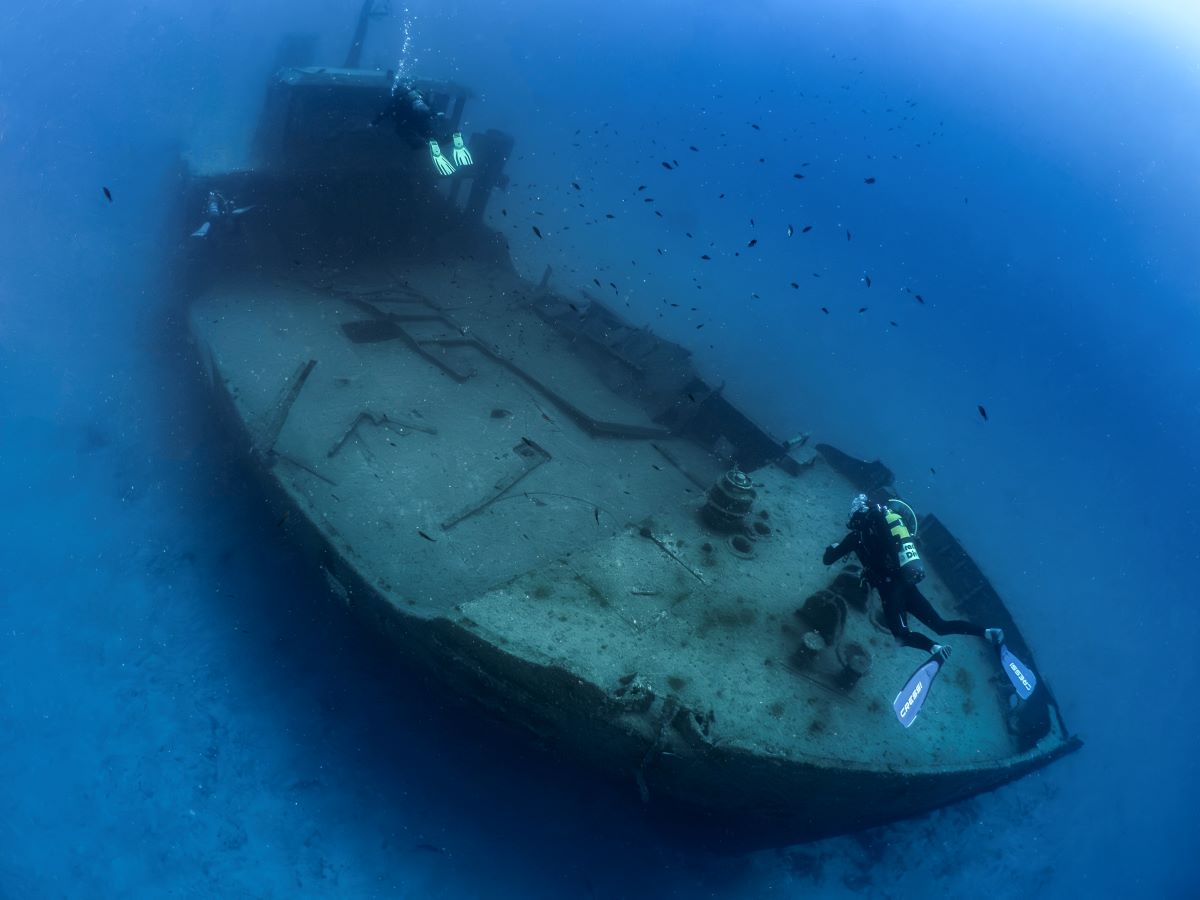
We visited the Cominoland after the Karwela and had the wreck to ourselves. Marine growth has softened Cominoland’s steel lines over time, and schools of damselfish often hover above the bow, while scorpionfish and cuttlefish patrol the sandy patches below. On calm days, the visibility here can exceed 30 metres, allowing divers to take in the wreck’s full profile from a distance, a rare luxury in wreck diving.
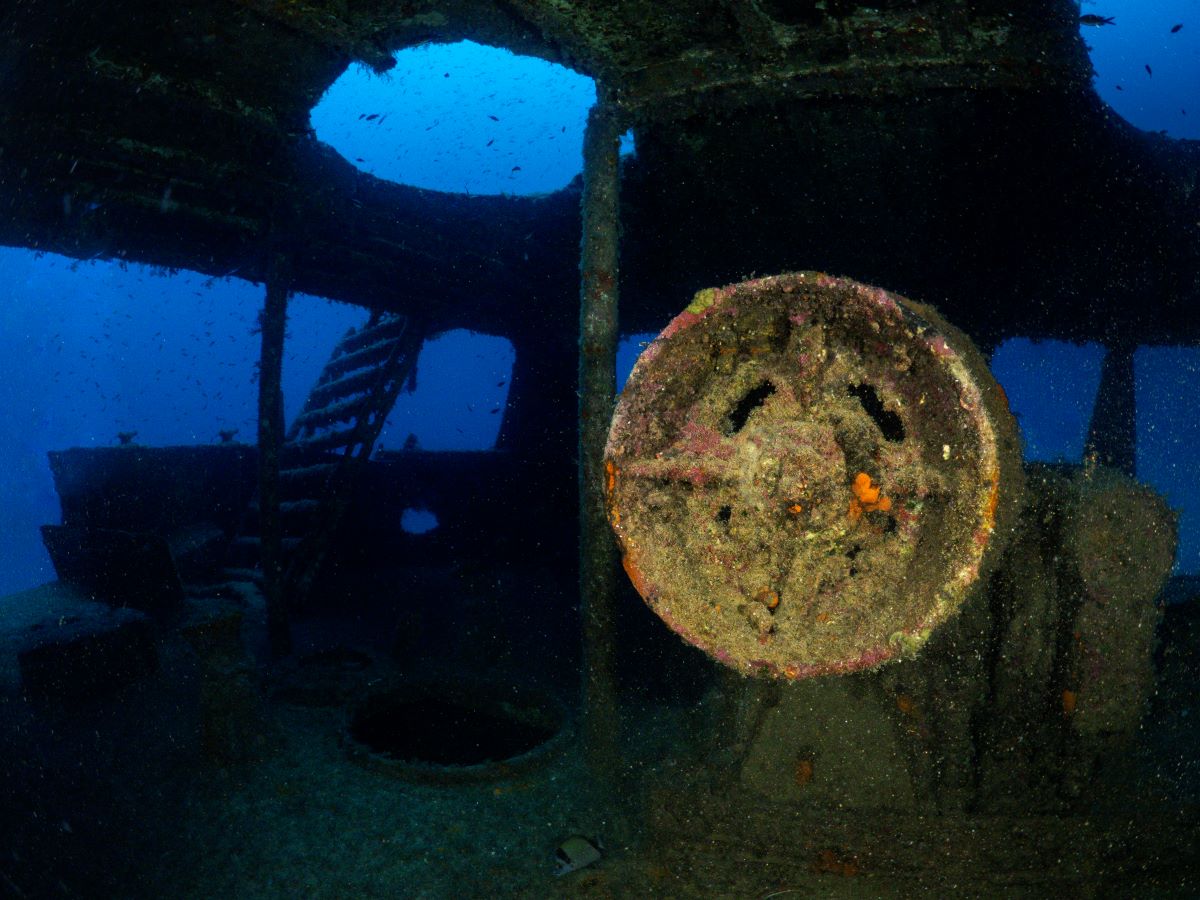
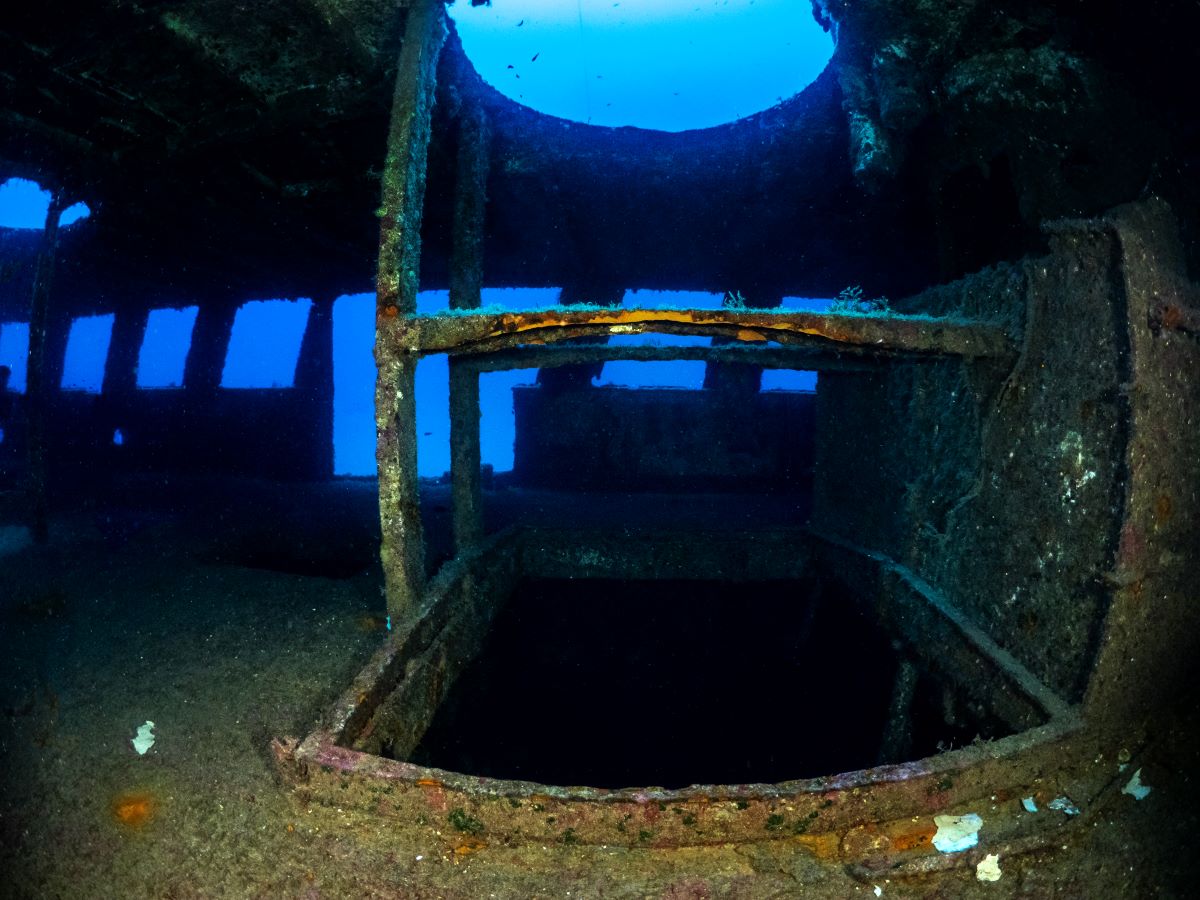
Because of their proximity, Karwela and Cominoland are often dived together as a morning and afternoon dive, making Xatt l-Aħmar one of the Mediterranean’s most efficient wreck diving locations. Few places allow divers to explore two substantial wrecks in a single dive with minimal navigation effort and such reliable conditions.
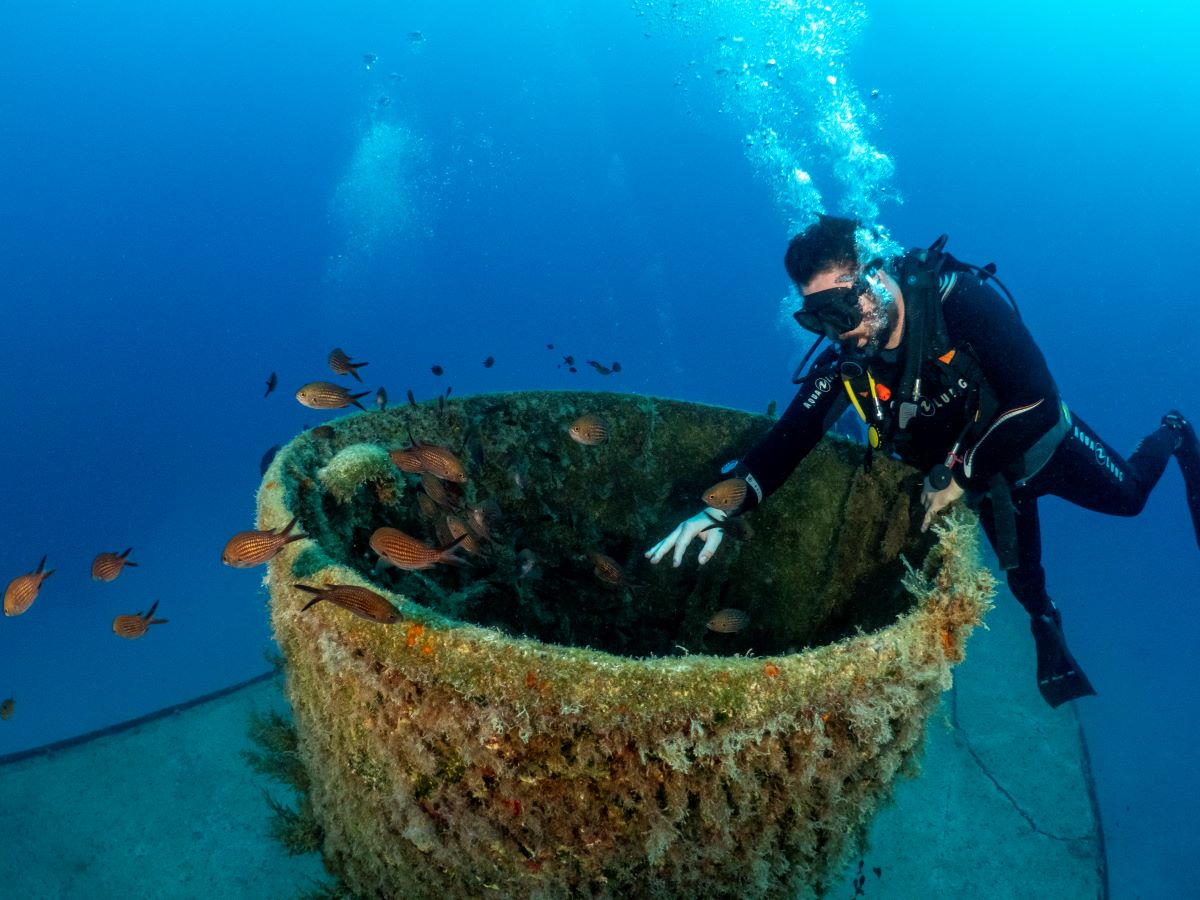
Completing Gozo’s wreck trilogy is the MV Xlendi, a former ro-ro ferry intentionally sunk in 1999. Unlike Karwela and Cominoland, Xlendi rests upturned on the seabed at around 42 metres, creating a dramatically different underwater aesthetic. While penetration opportunities are limited compared to the other two wrecks, Xlendi compensates with atmosphere and scale, a reminder that even purpose-sunk wrecks retain the imposing presence of real ships. Some of our group visited the Xlendi on a DPV tour, whilst the rest of us favoured a visit to the Um El Faroud. I missed out on exploring the Xlendi so I guess I’ll just have to visit again!
What elevates Gozo’s wrecks beyond most Mediterranean destinations is not just their quality, it’s their accessibility. All three of these major wrecks can be reached from shore with short surface swims, sheltered entries, and straightforward navigation. For divers used to relying on boats to reach wreck sites, this freedom is refreshing.
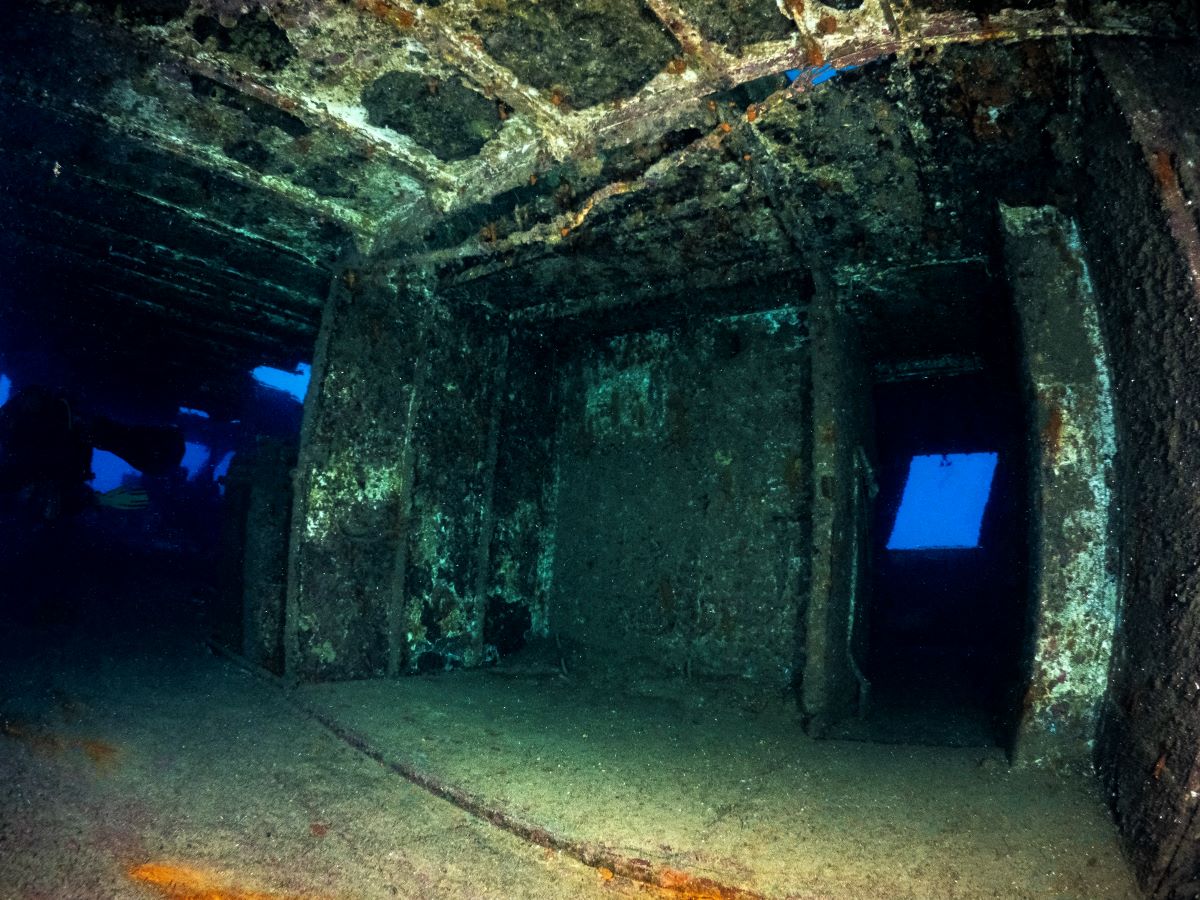
Entries at Xatt l-Aħmar are gentle, and the descent lines leading to the wrecks make navigation easy even in moderate swell. Once underwater, the lack of strong currents allows divers to focus on exploration rather than positioning, buoyancy adjustments, or line management. There’s a perfect shelf at around 5m below the entry/exit point that is covered in life and often seahorses. I spotted the second seahorse I’ve ever seen on this shelf which was very exciting.
This accessibility also makes Gozo ideal for training. Advanced Open Water, Deep, Wreck, and Technical diving courses are frequently conducted here, allowing students to practise skills on real wrecks in controlled conditions, an opportunity rarely found elsewhere without going to a quarry or lake.
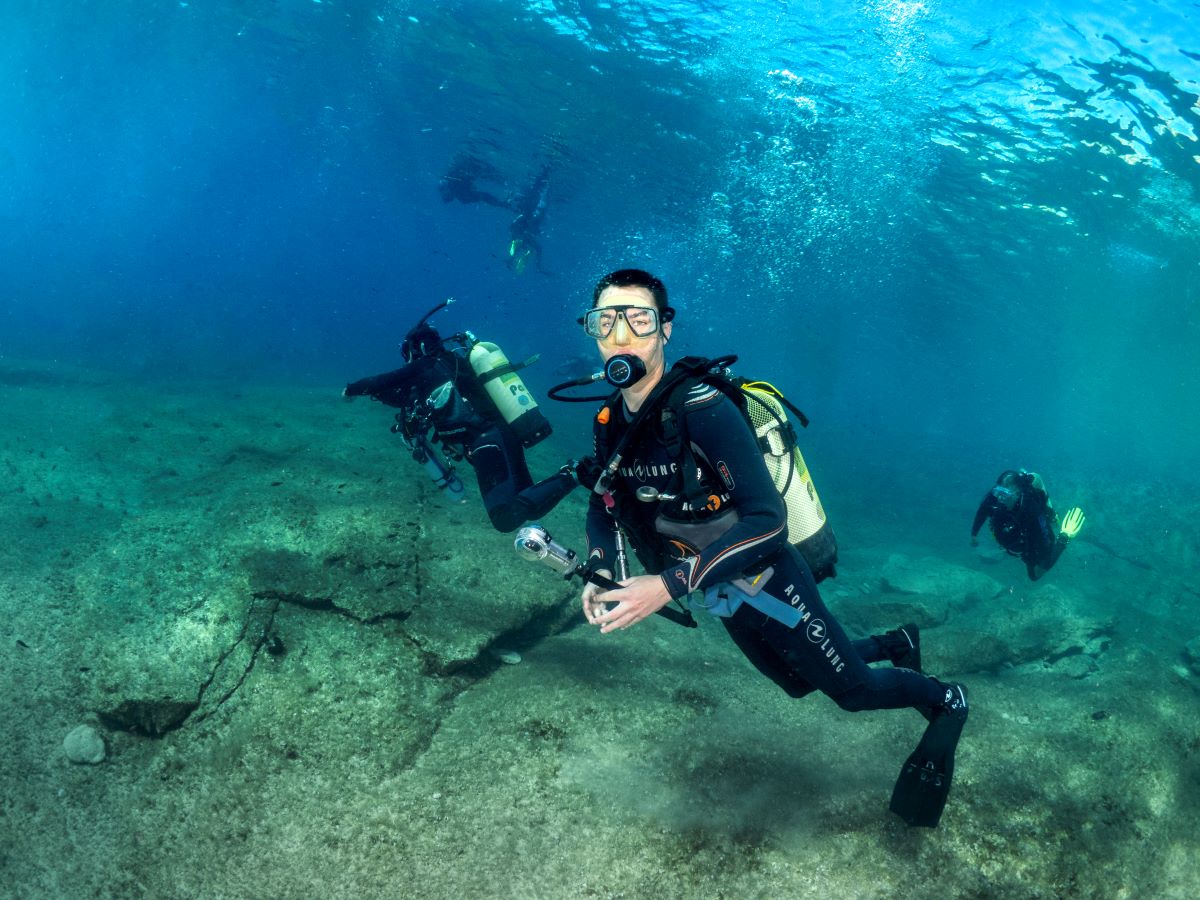
Although Gozo’s wrecks are artificial, the ecosystems they support feel anything but. Over time, sponges, soft corals, algae, and encrusting organisms have softened their edges, turning cold steel into living reef.
Expect to see bream, damselfish, barracuda, amberjack, wrasse, and goatfish on almost every dive. Groupers, moray eels, and octopus frequently inhabit the wreck interiors and surrounding rocky areas, while nudibranchs and crustaceans reward divers who slow down and search for the smaller details.
One of Gozo’s best selling points is the visibility, often exceeding 25–30 metres, which allows divers to appreciate not only individual wreck features but their full silhouettes rising from the seabed. Combined with Malta’s famously blue water, this creates a visual clarity that’s rare even in tropical destinations.
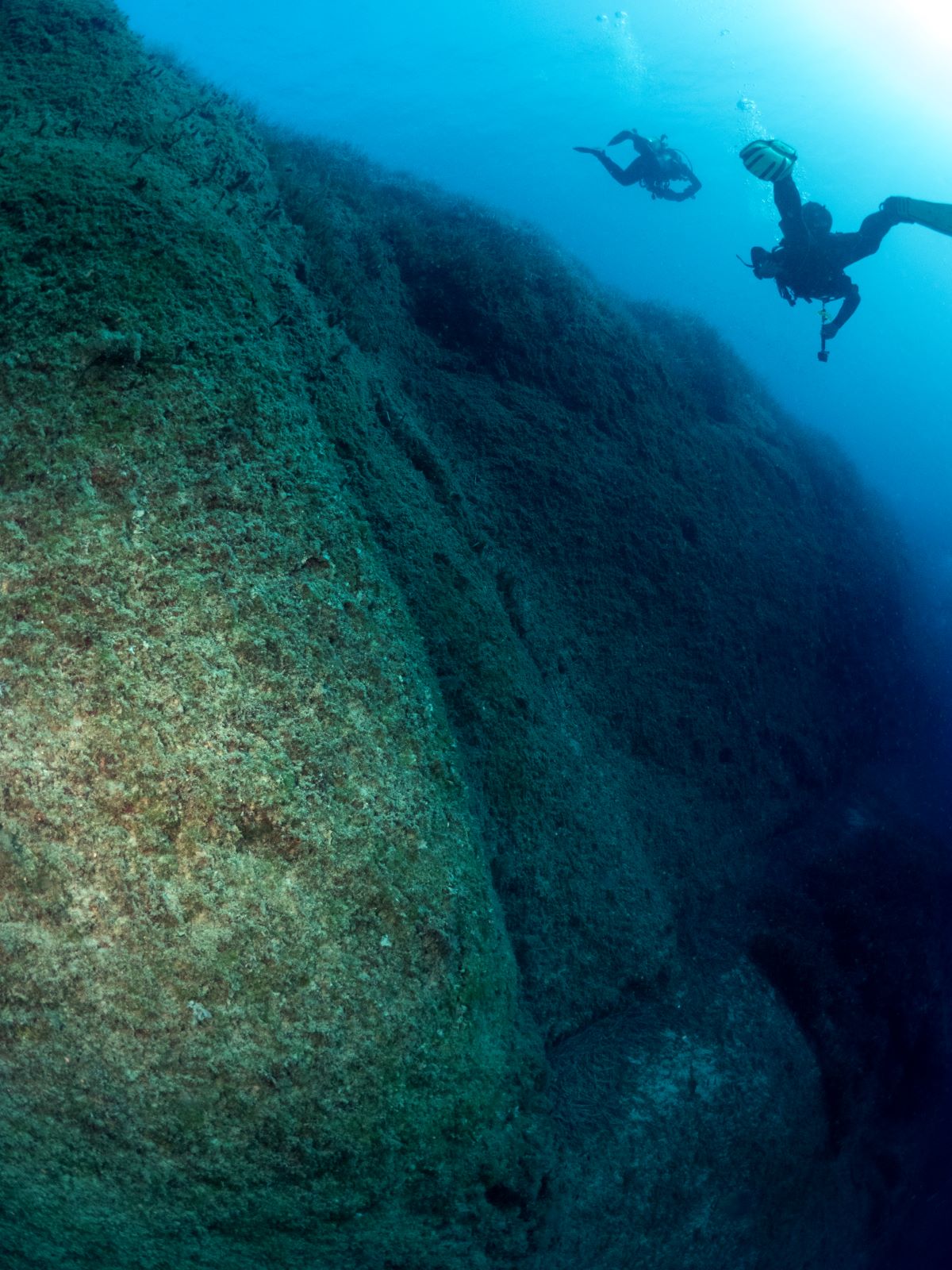
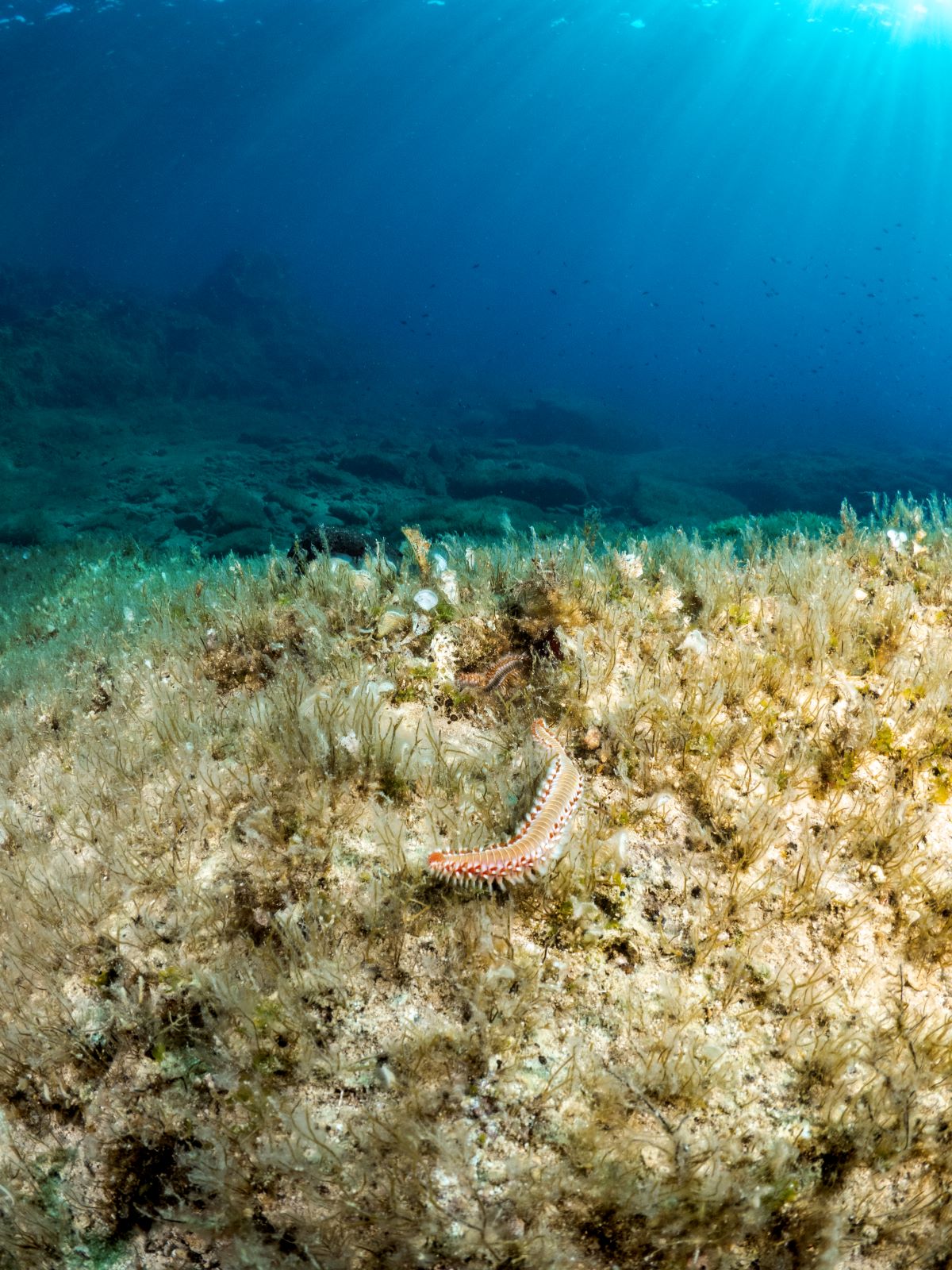
While the depth of the Gozo wrecks places them firmly in advanced recreational territory, they are far from intimidating. The open layouts, lack of entanglement hazards, and controlled conditions make them ideal stepping stones into serious wreck diving. I would suggest nitrox to extend your bottom time and stay out of decompression. As a photographer I wanted to get as long as possible on the wrecks before exploring the shallows. And for technical divers, these wrecks are perfect for decompression diving or training in the clear Maltese waters.
Wreck diving is often associated with cold water, heavy gear, poor visibility, and challenging conditions. Gozo flips that narrative on its head. Here, the water is warm, the wrecks are bathed in light, and accessible from shore in most conditions.
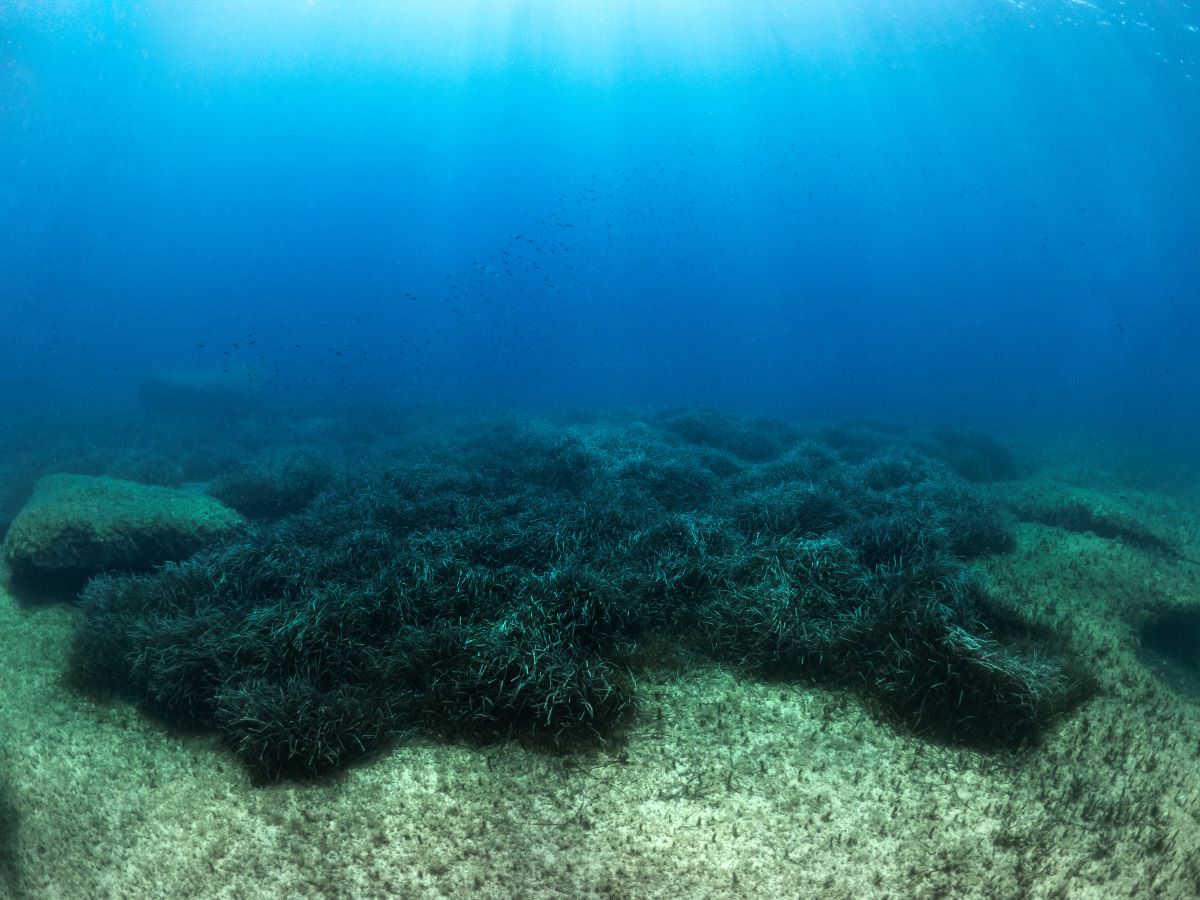
Few places offer three major wrecks within fin-swimming distance, each with a distinct personality and diving style. Fewer still combine that with Gozo’s relaxed island atmosphere, world-class diving infrastructure, and some of the Mediterranean’s best underwater visibility.
In Part 1 (which you can read here), Malta earned its reputation as the Jewel of the Med. In Gozo, that jewel reveals its deepest sparkle, where steel hulls meet turquoise water, and where human history quietly transforms into a living reef.
Shannon’s trip was organised by UK-based dive tour operator Oyster Diving Holidays:
oysterdiving.com/holidays/europe/malta-gozo-diving-holidays
Email: info@oysterdiving.com
Call: 0800 699 0243