How to survive a pandemic on a tropical island when your principal source of revenue is tourism?

The solution lies in the schools.
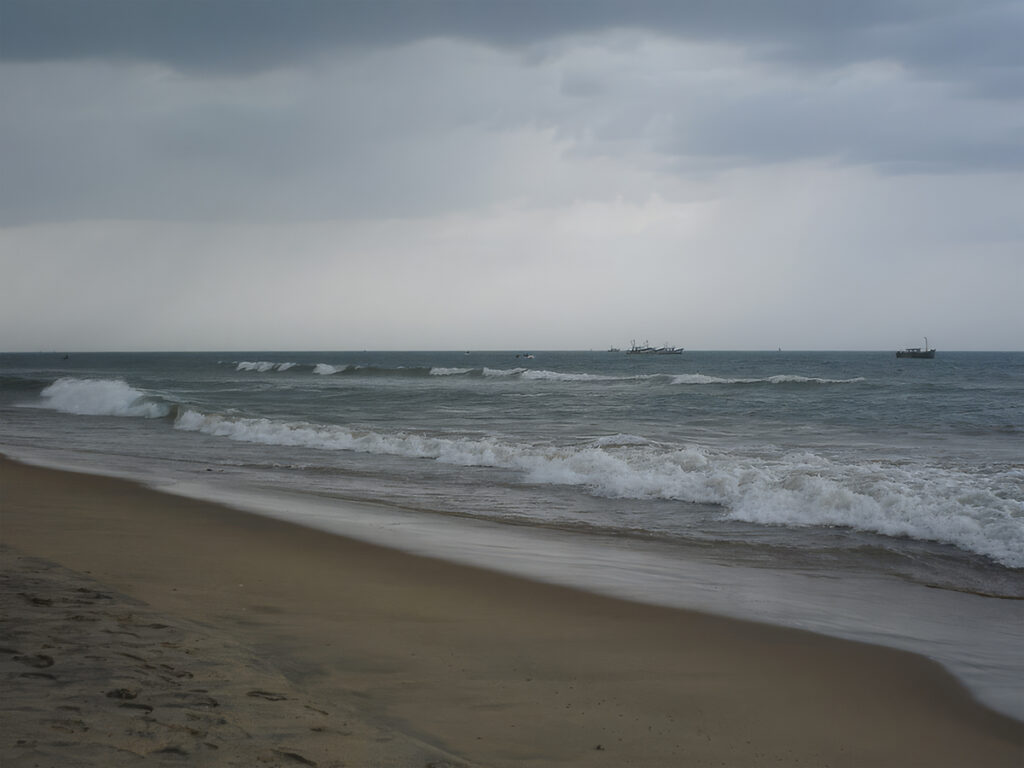
Since 500,000 indentured labourers arrived from India in Mauritius to cut the sugar cane in the 19th century, the ocean has been incredibly low on the list of interests for a predominantly Hindu Island. Revenue came from sugar, later textiles. Subsistence fishing put protein on the plate.
But since 2002 the development of Mauritius as a safe investment and even safer residential option for a globally ageing population has finally placed real wealth in the hands of Mauritians. The IRS scheme, where foreigners were allowed to buy property on the beaches, and the RES Scheme, where foreigners were allowed to develop residential properties in partnership with Mauritians, have successfully unlocked the wealth of the island and placed it firmly in the hands of the Mauritian people who owned those properties.
Free education has given Mauritius a 95% literacy rate, but wealth and a growing ex-pat community has given parents a private school option, so we started our Conservation and Diving initiative with these private and International schools.
Our biggest problem was bridging the financial gap while we established local markets. The Mauritian Government’s wage assistance scheme meant that all our registered employees would be paid by Government in full while our borders remain closed.
We already had school’s interest last year when we sponsored the Northfields Island Swim, cut short by the Virus, but for us it opened the door to this hugely proactive British International School. This gave us a group of students keen to learn to dive, and they are now eagerly awaiting the holidays so they can enjoy groups safaris to the outlying Islands.
Then I was invited to talk to the teachers at the Lighthouse School about the Wakashio disaster and Cleanup. Bernard, our dive master, and I went to the school with a flash drive and a fully equipped tank. Nadine, our sponsor, warned us that there would be only a few interested teachers listening, as there were a lot of presentations. There were 15 people to start with, but when we reached the part about the Wakashio, the numbers grew.
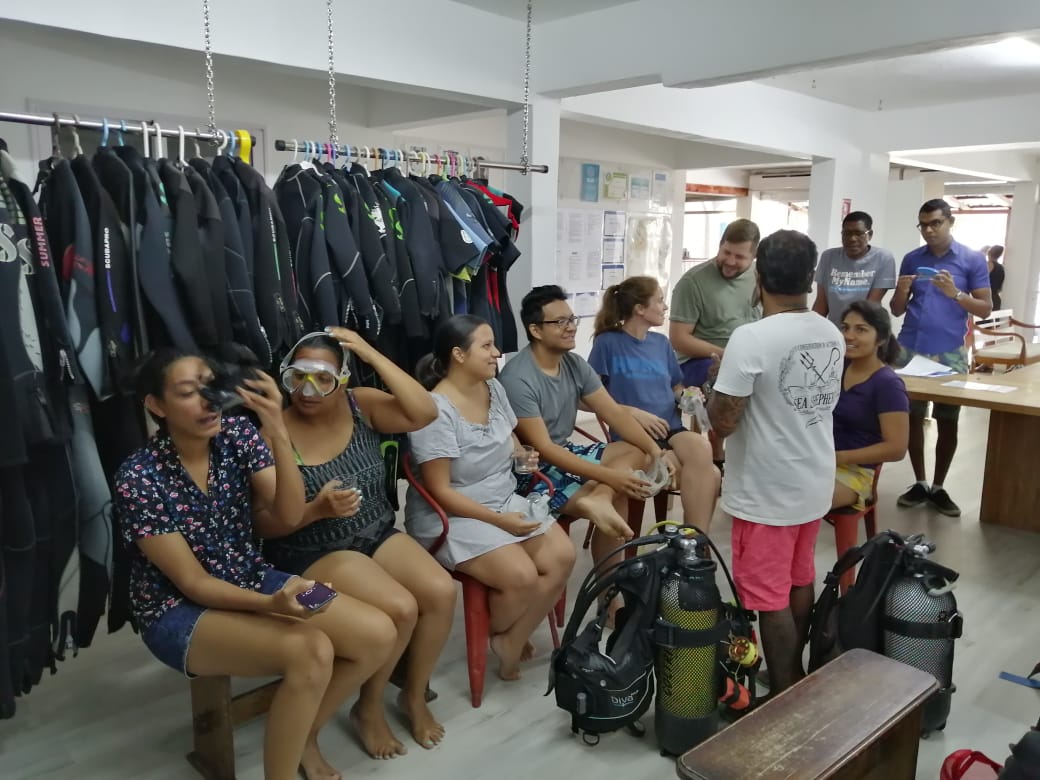
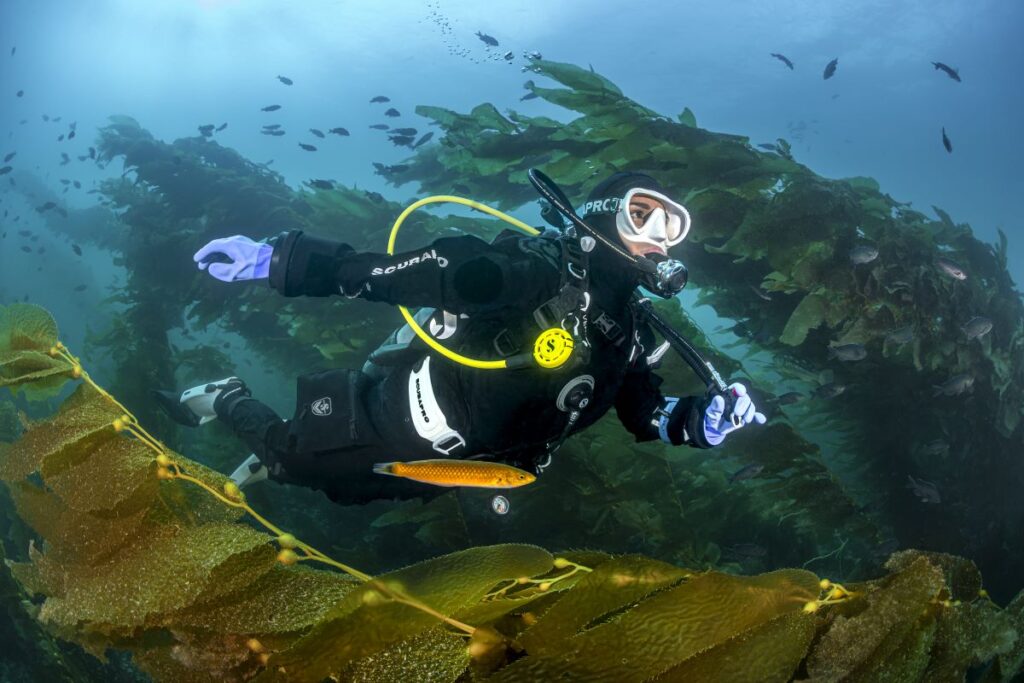
By the end, there were 35 teachers watching the Wakashio videos, and most of them signed up to do the free Try Dive we were offering. 40% are going on to do PADI Courses. Marine Conservation is now on the school curriculum for next year.

Our MSDA is working with the Sports Ministry to have swimming and scuba diving added to the local schools curricular where it will be free, paid by the Government.
Every weekend we are busy with free Try Dives in the lagoon in the mornings, and boat dives and courses in the afternoons.

Our French speaking colleagues Just Diving and Emperator have approached the French School Ecole du Nord, and they expect to fill their boats over Christmas.
Free Try Dives have been a huge success. The most difficult thing in a pandemic is to find a way to survive, and we seem to have found ours.
- Words: Jill Holloway
- Copyright: Ocean Spirit www.osdiving.com 2020
- Images: Ocean Spirit