From Smuggling Ship to Living Reef: Nature Reclaims the MV Shingle
Two years after being deliberately sunk off the coast of Ireland, a former cigarette-smuggling vessel, MV Shingle, is enjoying a remarkable new lease of life beneath the waves, with marine life rapidly colonising its rusting remains.
The 60-metre MV Shingle was sunk in Killala Bay, County Mayo, in September 2024 as part of an ambitious project to create Ireland’s first artificial reef and a new attraction for recreational divers.
The vessel had previously been seized by Irish authorities in 2014 after being discovered carrying approximately 32 million smuggled cigarettes and 4.5 tonnes of tobacco. Following years in custody, it was cleaned and prepared for its new role on the seabed.
Resting at around 30 metres, approximately 4km offshore, the wreck has already undergone a dramatic transformation.
In January 2025, Storm Éowyn battered Ireland’s Atlantic coast, breaking the ship into three separate sections. Although disappointing for those behind the project, the damage has created three distinct areas for divers to explore.
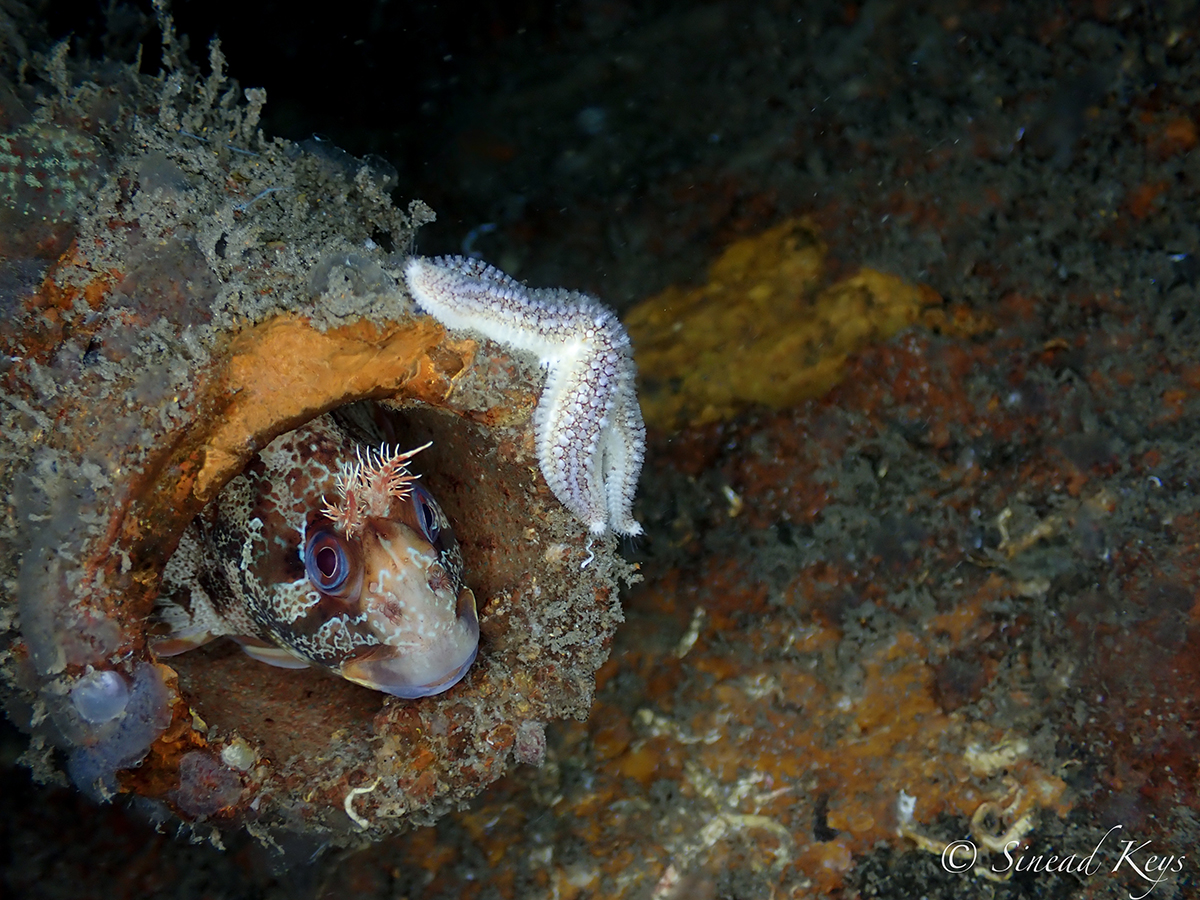
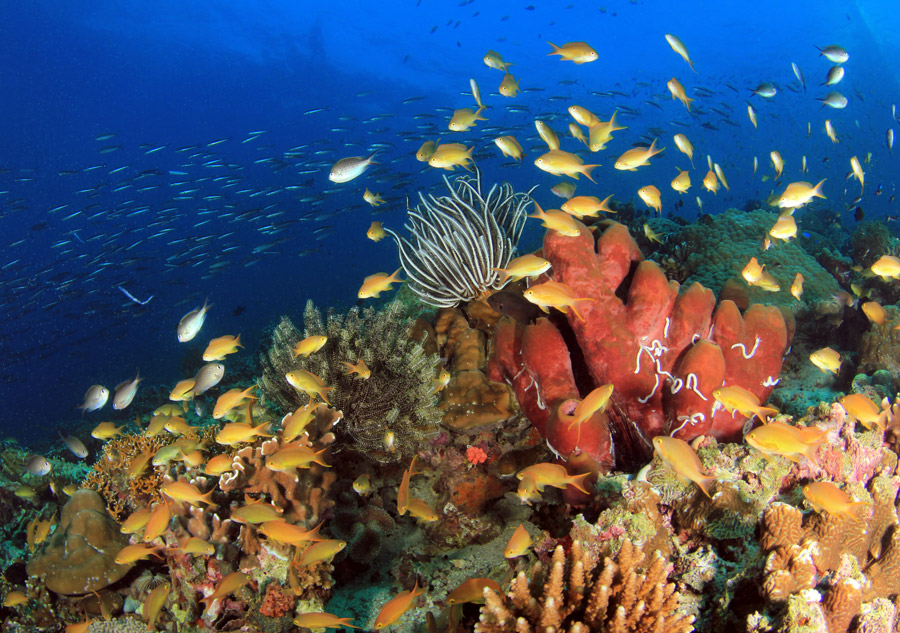
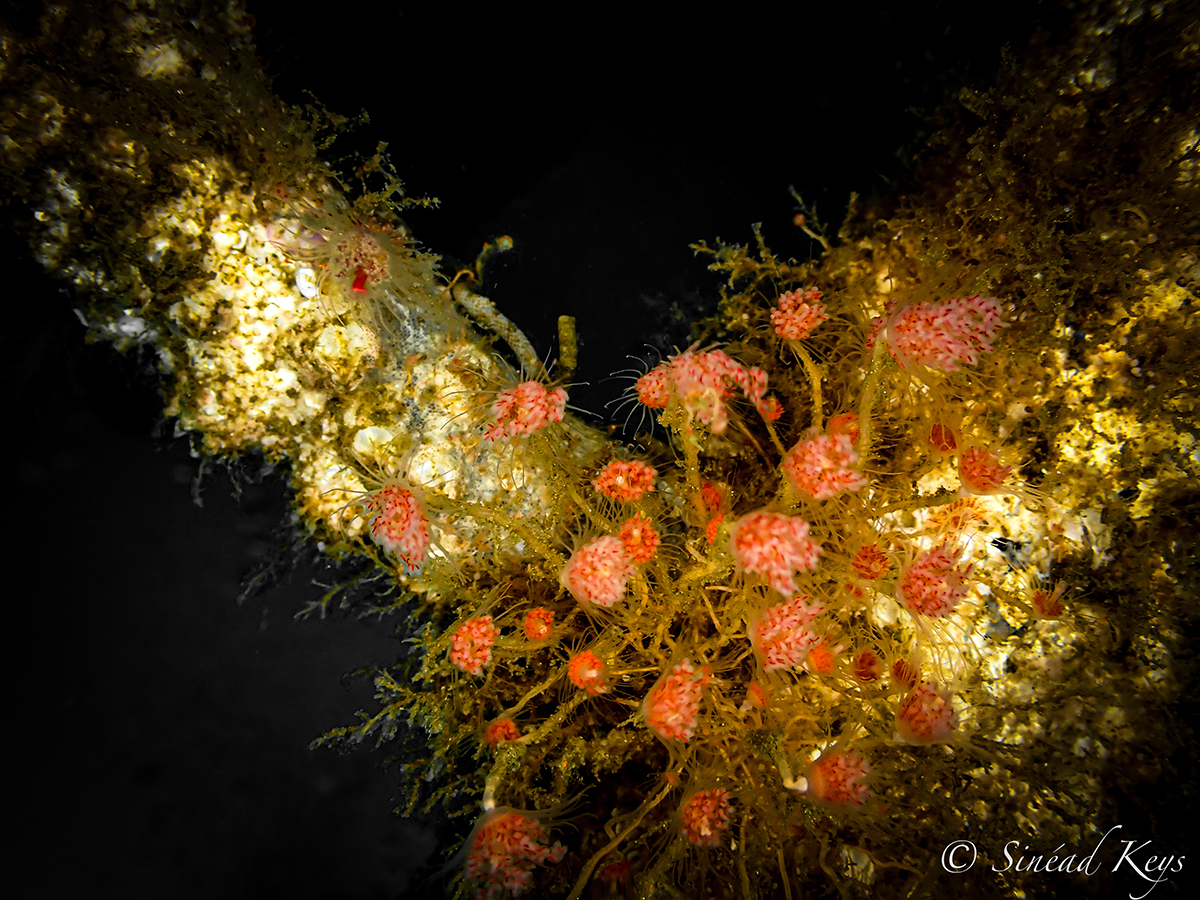
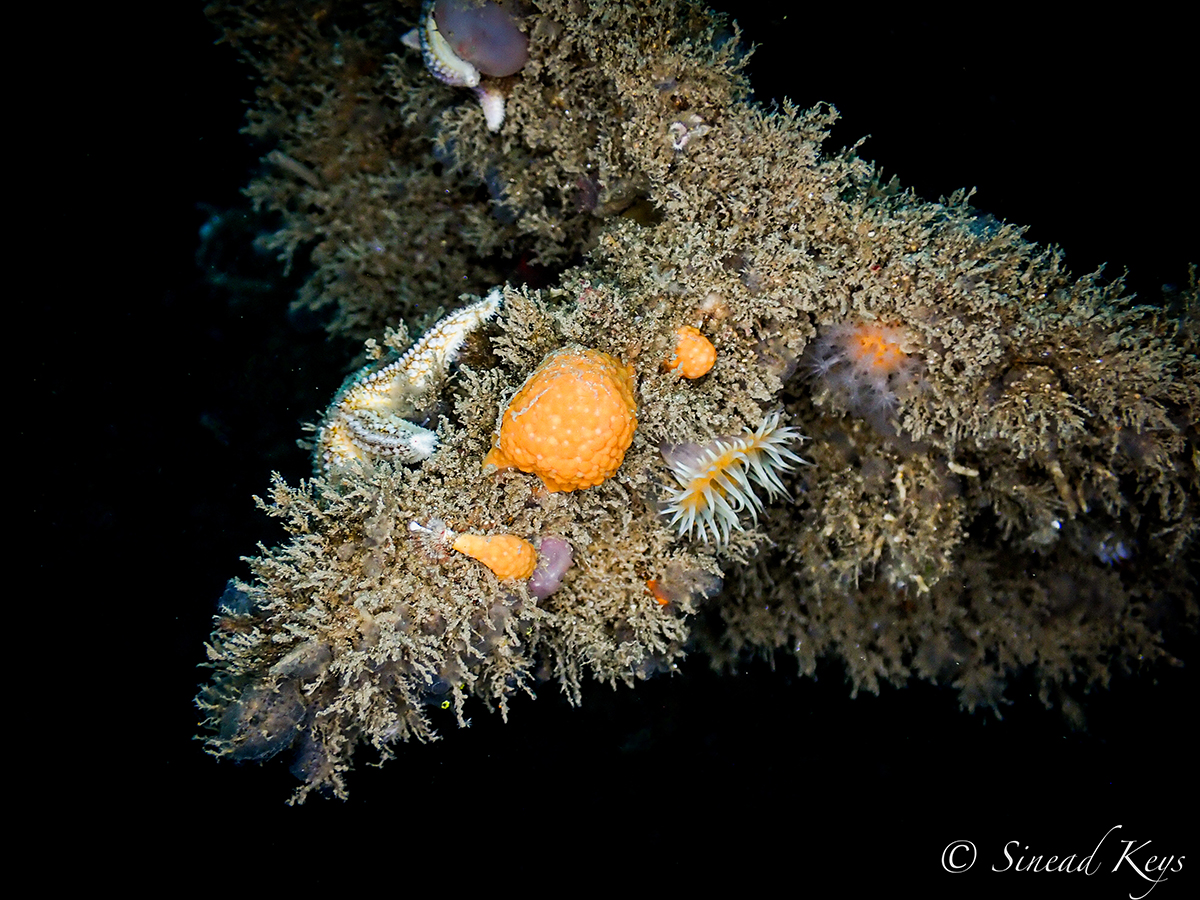
Recent underwater observations have revealed barnacles, sponges, sea squirts, anemones and other marine organisms establishing themselves on the wreck, while fish and crustaceans are taking advantage of the new habitat.
Marine ecologist Dr Jose Maria Fariñas-Franco, from Atlantic Technological University, told RTÉ that the amount of growth was impressive considering how little time the vessel had been underwater. He explained that artificial structures provide surfaces for marine organisms to settle, gradually creating habitat and food sources for other species.
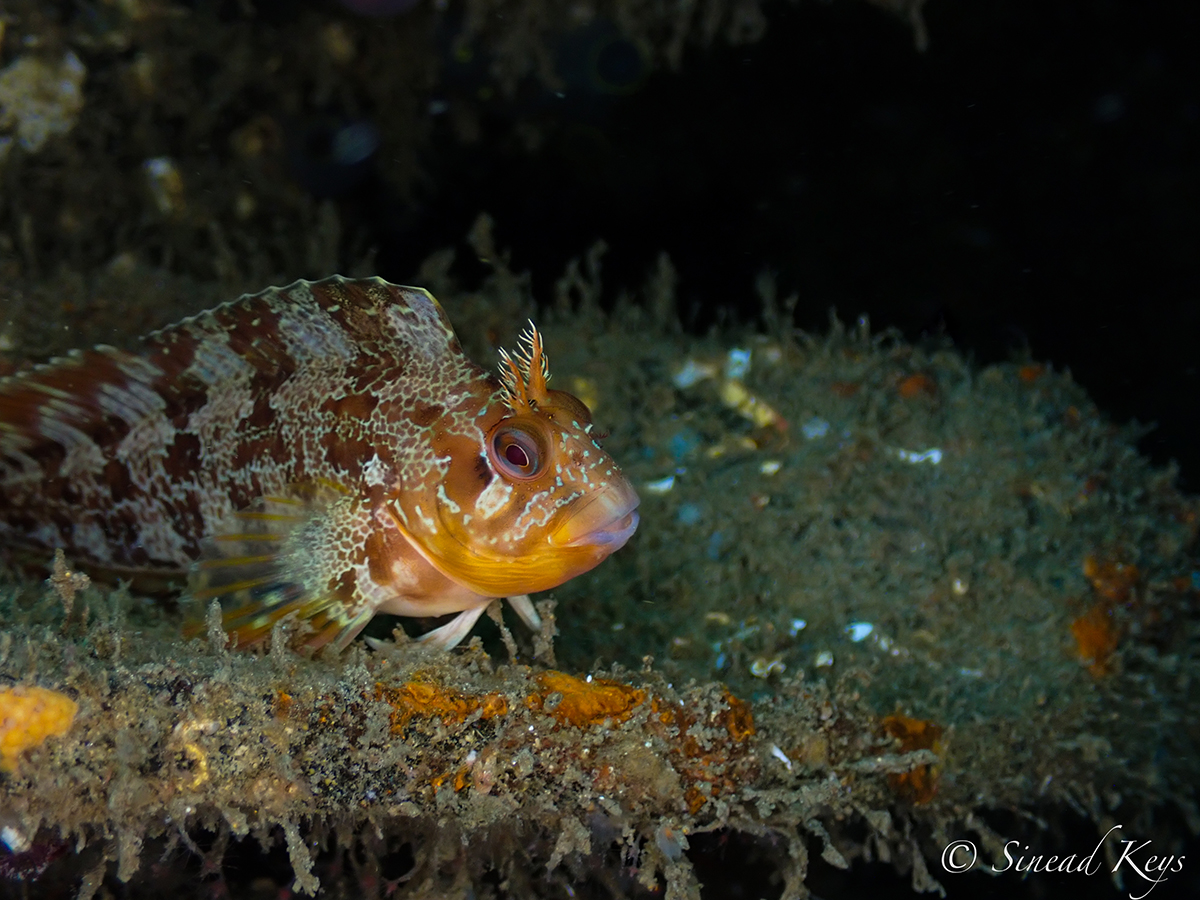
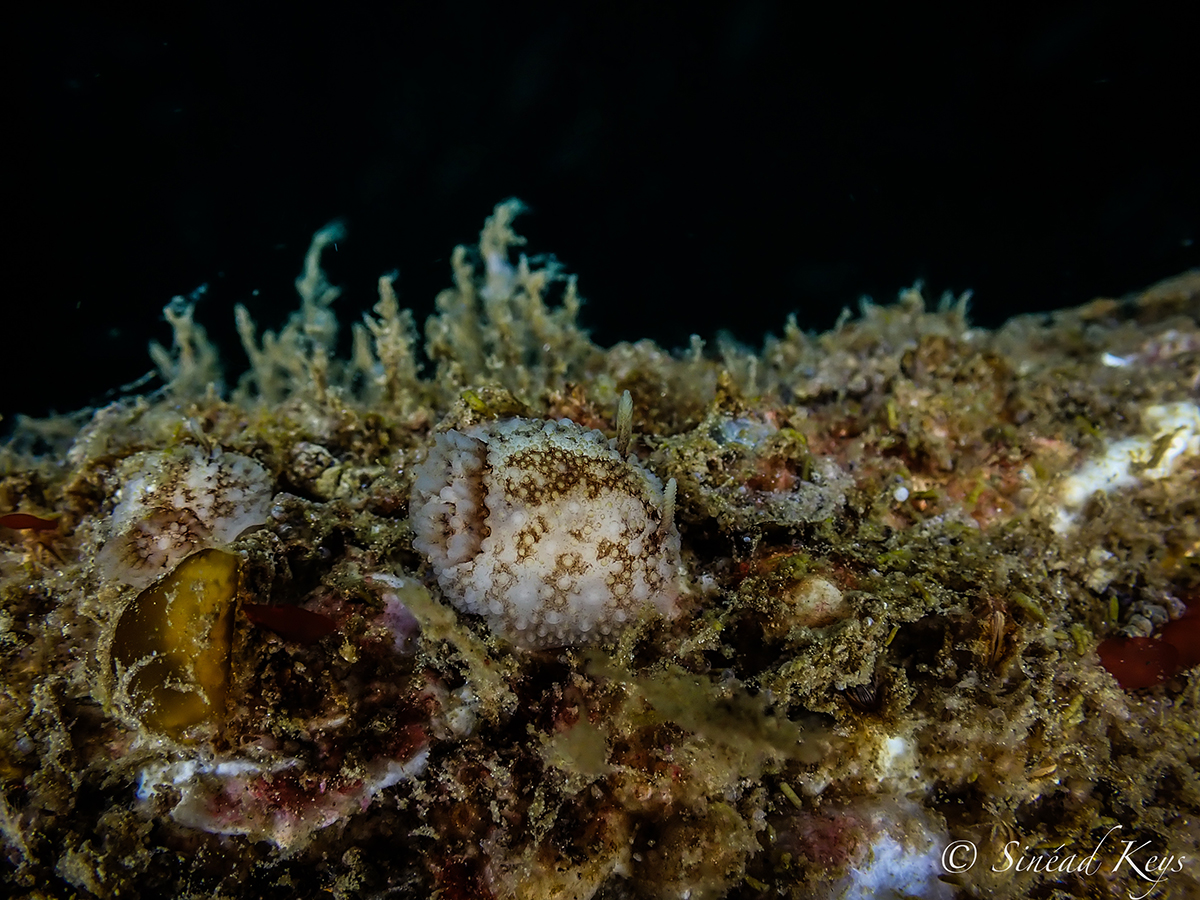
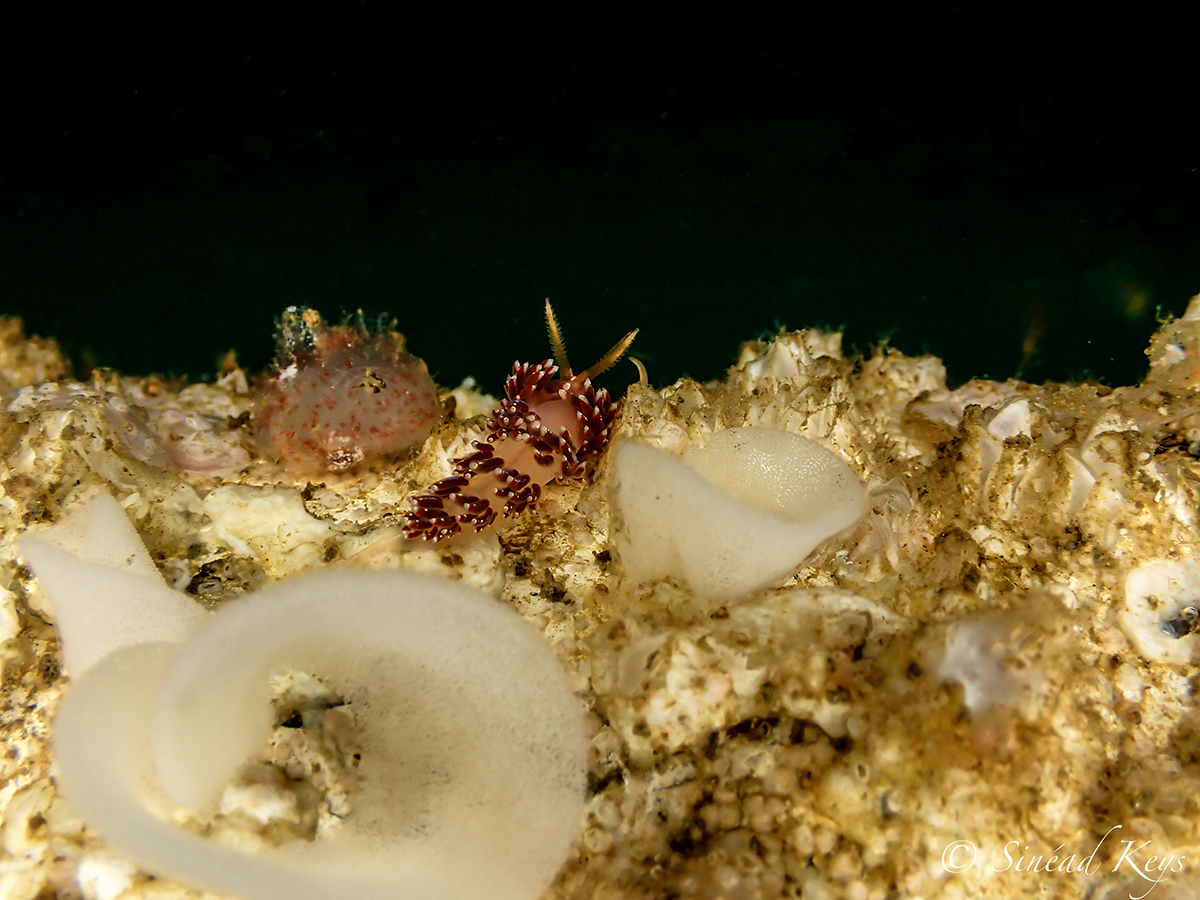
Underwater photographer Sinéad Keys, who has been diving the wreck, has captured some wonderful close-up images of the creatures now making it their home, including colourful nudibranchs, anemones and a characterful tompot blenny.
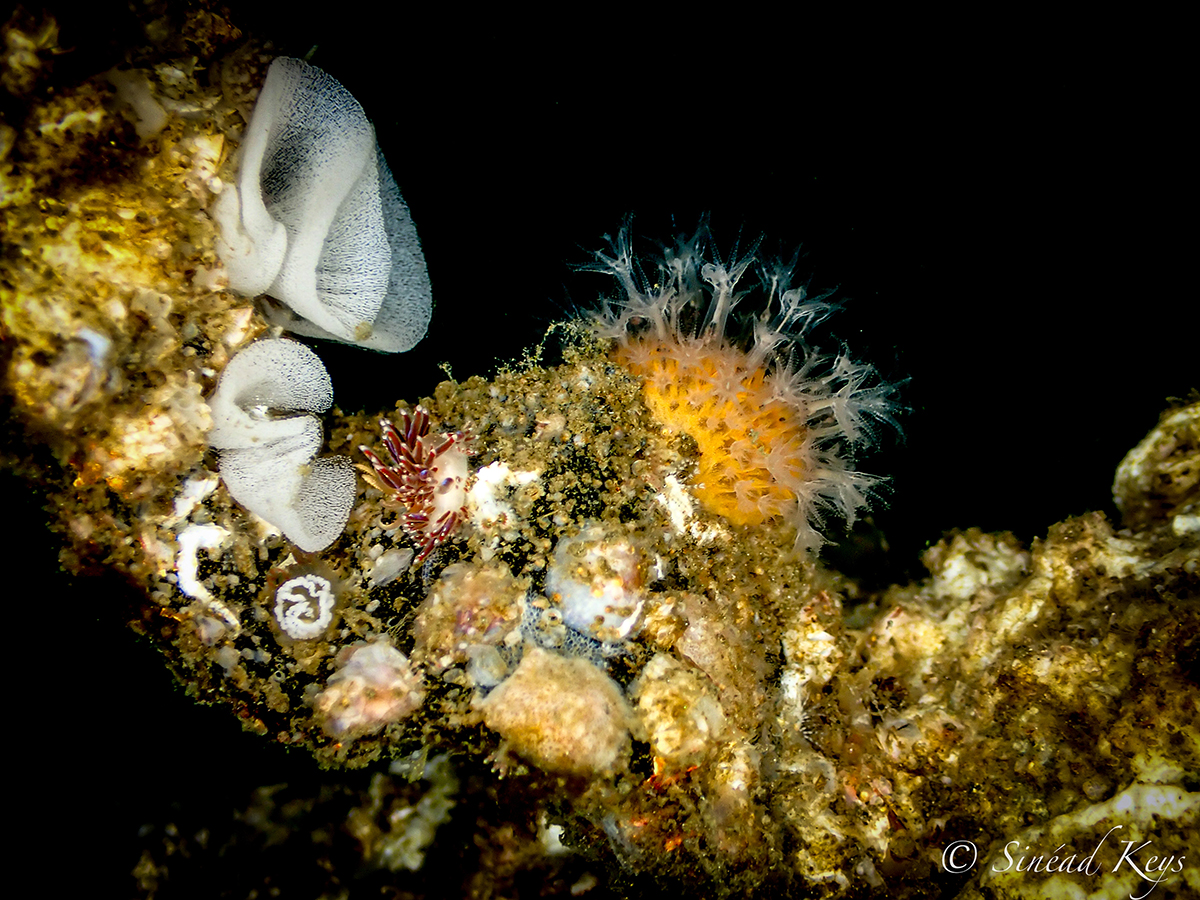
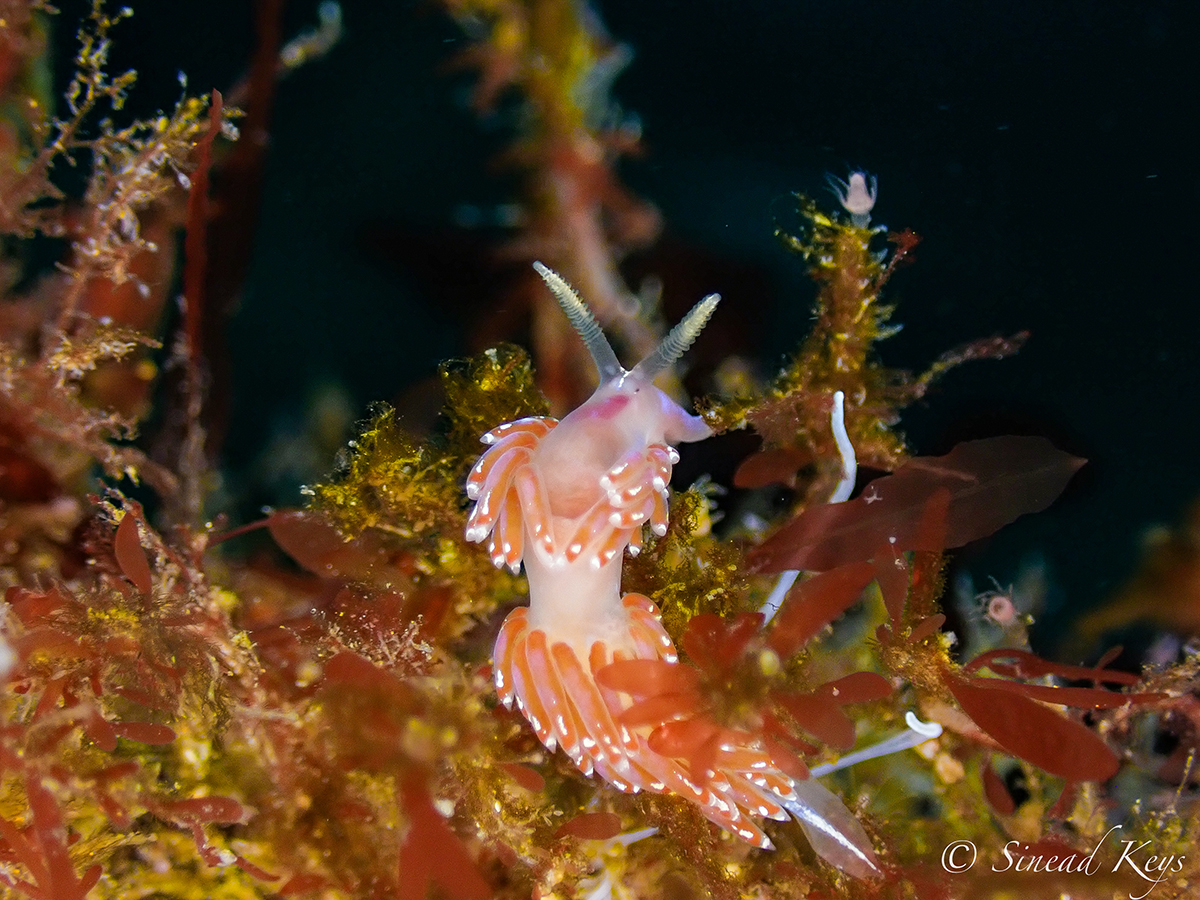
“It’s an incredible dive, and now that the wreck has broken into several sections, it has become a fantastic artificial reef,” Sinéad told Scubaverse.
“The abundance and diversity of marine life that has made it home is just amazing. It’s wonderful to see how nature has taken over and transformed the wreck into such a thriving underwater habitat.”
While scientists caution that artificial reefs cannot replace natural marine habitats, the MV Shingle is already demonstrating how a carefully prepared underwater structure can provide new opportunities for marine life.
For divers, the wreck offers something particularly special: the chance to watch an underwater ecosystem develop and change with every passing year.
And judging by Sinéad’s beautiful photographs, nature is certainly making itself at home.
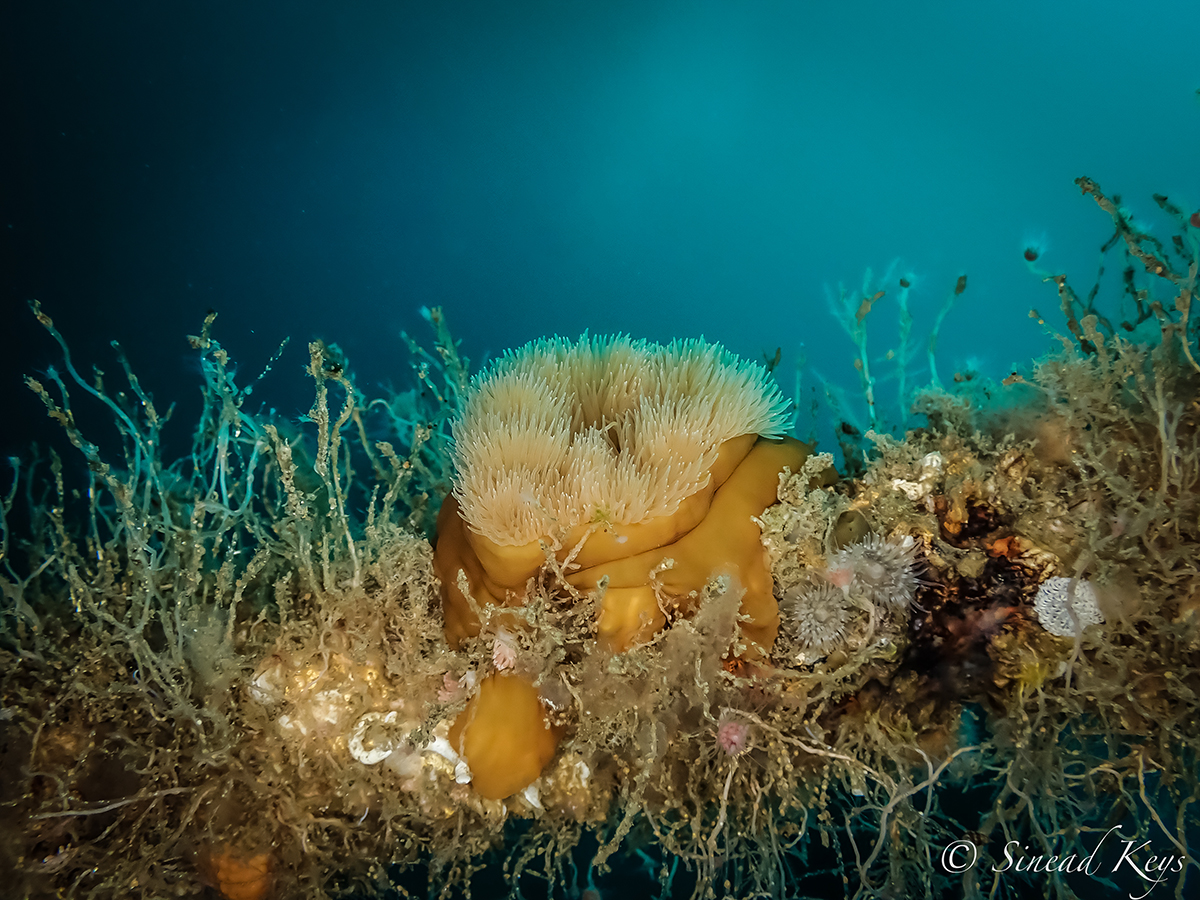
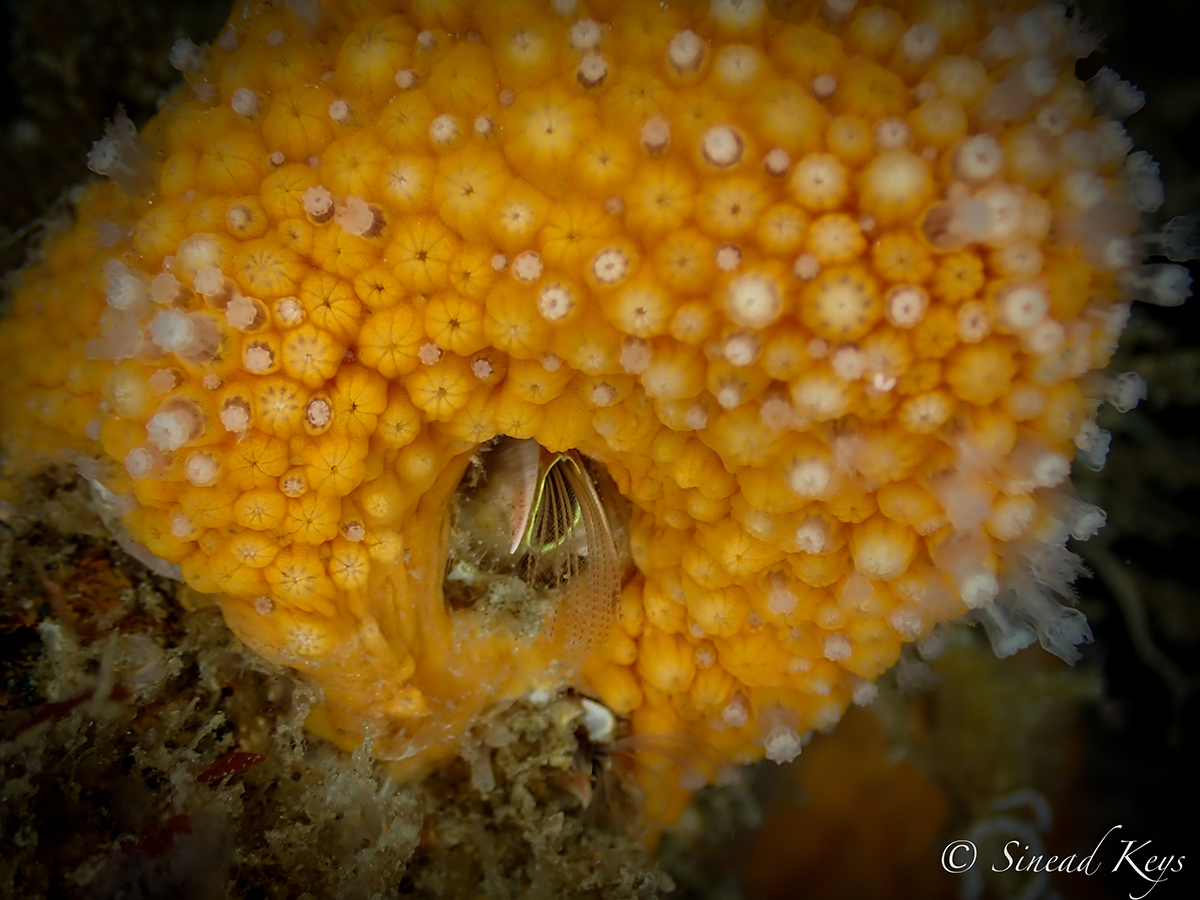
Photography: Sinéad Keys
Sources: RTÉ News, The Mayo News, Western People and underwater photographer Sinéad Keys.