From Fire Drills to the Salem Express: Day One on Ghazala Adventure

A sharp knock on the door was our half-hour warning: the day was about to begin, and it was time to hunt down that glorious coffee machine. Early mornings have never really been my thing… except when diving. Those first dives of the day are often the best, and there’s nothing quite like setting up your gear with a beautiful sunrise spilling across the water behind you.

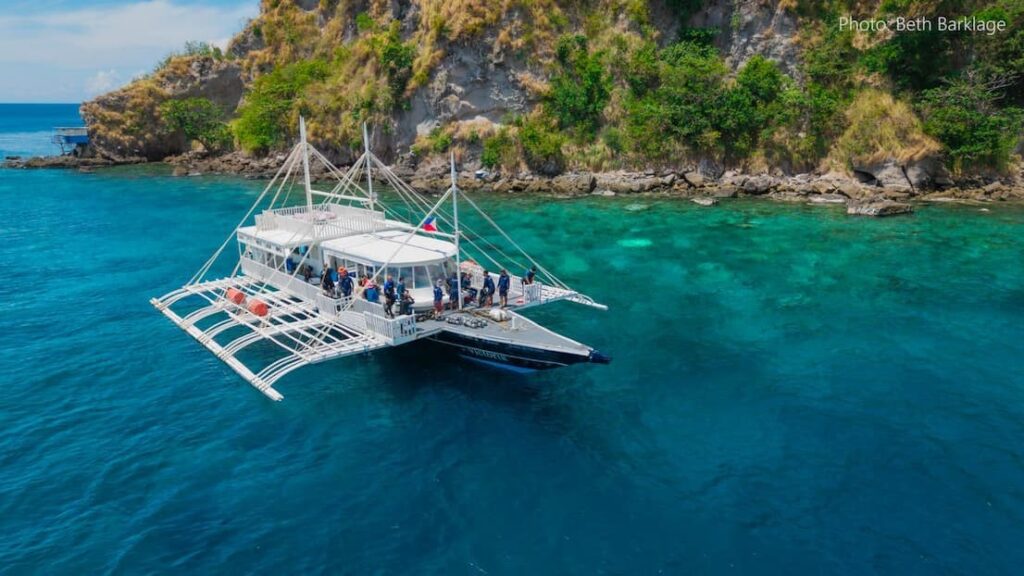
The first full day on a liveaboard is always a busy one, packed with safety briefings, and on the Ghazala Adventure, we even had a full-blown fire drill to fit in. But first things first: breakfast, followed by the Dive Safety Briefing. This covered everything from looking after yourself and your buddy to diving conservatively, making safety stops, and staying hydrated. We were shown how to enter and exit the water safely, both from the main dive deck and from the zodiacs and learned about the emergency recall systems. Fortunately, our boat was easy to spot underwater thanks to its black hull and Ghazala Adventure emblazoned proudly across the transom. We were also warned not to approach the boat unless the flag was lowered, as Captain Saad might still be manoeuvring.


Once our dive guide, Reda, had explained how the diving would work, including when and where to rinse our gear and the schedule for the week, we moved on to our first dive briefing: a guided check dive at Gota Abu Ramada. We were reminded to analyse and log our tanks if using Nitrox and to carry out proper buddy checks. This first dive would commence with a giant stride off the main dive deck and was a chance to fine-tune our buoyancy and practice deploying our DSMBs. Reda showed us a whiteboard divided into columns for each of the dive guides – Reda, Yasser, and Mousa – and everyone added their name to one. After each dive, it was essential to remove your name from the whiteboard, so the crew knew you were safely back on the boat.
FIRE DRILL
With our check dive and lunch behind us, it was time for the fire drill. This was the first one I’d ever taken part in on a liveaboard, and now that I have, I’m convinced it should be an essential part of every safety briefing. It’s one thing to be told what to do in the event of a fire but acting it out adds a whole new level of awareness.
We were informed that the alarm would sound within ten minutes. When it did, we were to put on our lifejackets and follow the designated escape routes to the muster station, where a full roll call would be made to ensure everyone was accounted for. After that, we received a detailed briefing on fire procedures – everything from how to open doors safely, to using fire blankets, evacuating through smoke, and knowing exactly where to assemble and how to exit the boat.


Mousa then led us through a firefighting demonstration, explaining which equipment to use for different types of fires. We learned how to use the extinguishers and the fire extinguisher balls, which were located in all cabins and out on the decks.
We were then given a detailed explanation on how to assemble and administer 02, should no dive guides be available on board, which was a very useful refresher, especially as 02 kits can vary considerably.
So, with all our safety briefings and the check completed it was time for our first wreck dive of the trip. Unlike the vibrant coral gardens and playful marine life we’d enjoyed on our check dive; this dive carried a quiet weight. It’s a site steeped in history and emotion, demanding both care and respect from those who visit.
THE SALEM EXPRESS
Often regarded as Egypt’s most controversial wreck dive, the Salem Express is undeniably an emotive site. Strong opinions persist both for and against diving it, given its relatively recent and tragic history – more than 470 lives were lost when the ferry sank within just twenty minutes of striking a reef in 1991. Our dive, however, was planned to focus solely on the exterior, and I had no doubt that everyone on board would approach the site with the utmost respect.

The Salem Express was a passenger roll-on, roll-off ferry returning from a holy pilgrimage to Mecca when unexpected gale-force winds drove the ship’s bow into the Hyndman Reefs outside Safaga. Today, the wreck rests on its starboard side at a depth of 12 to 30 metres. We descended onto the wreck and followed the hull toward the stern, where the large propeller stands as a silent reminder of the ship’s former power. Scattered across the seabed lie remnants of suitcases, personal belongings, and a lifeboat — all haunting reminders of the passengers who never had the chance to use them.


There is no doubt that the wreck itself is an impressive sight and, like all wrecks, has become a thriving haven for marine life. But whether or not to dive it remains a deeply personal decision.


Back on board the Ghazala Adventure we enjoyed some snacks before preparing for our first night dive and setting sail for an overnight steam, so stay tuned for our next instalment, where we’ll be waking up in the exciting Brothers Islands.
Book your next diving adventure on Ghazala Adventure with Scuba Travel: https://www.scubatravel.com
Book your dive insurance with Dive Master Insurance: https://www.divemasterinsurance.com