From Back Yard to Bucket List: Sandra Stalker
Welcome to a new regular feature, From Back Yard to Bucket List. Each month, we ask an underwater photographer to talk about their dives—local, favourite, and bucket list—and what makes them special. A personal insight into diving with a camera.
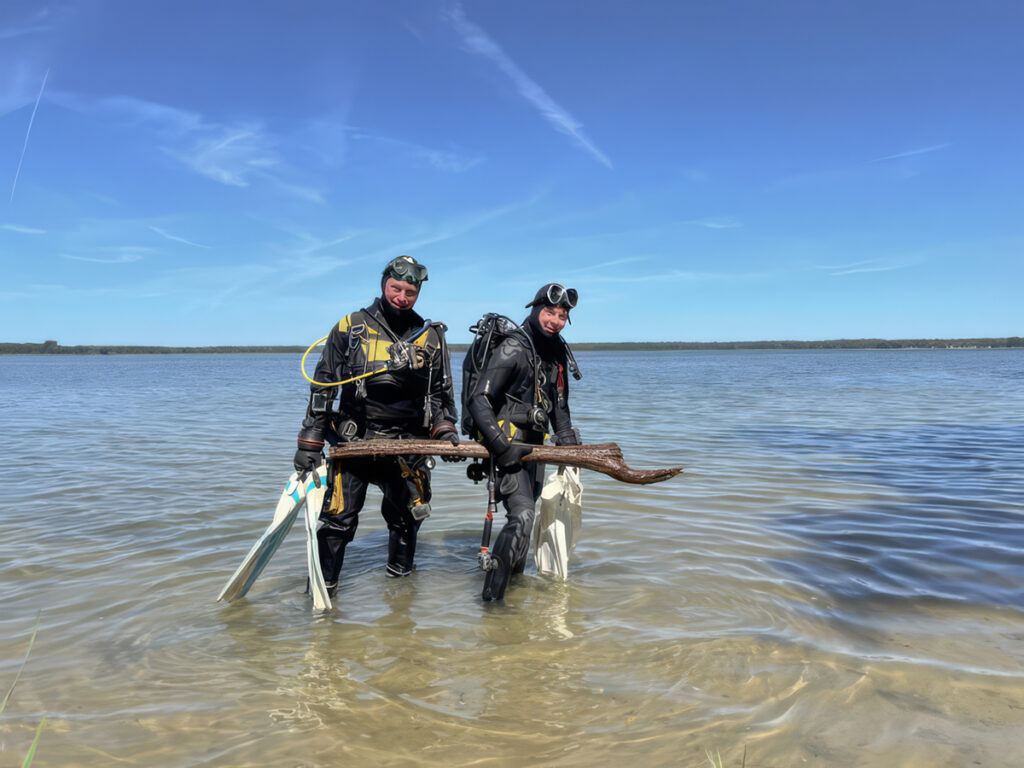
This month, it’s Sandra Stalker. Sandra lives on the south coast of England, where she spends hours floating around off the Dorset coast. But I’ll leave her to tell you all about her dives.
Sandra Stalker
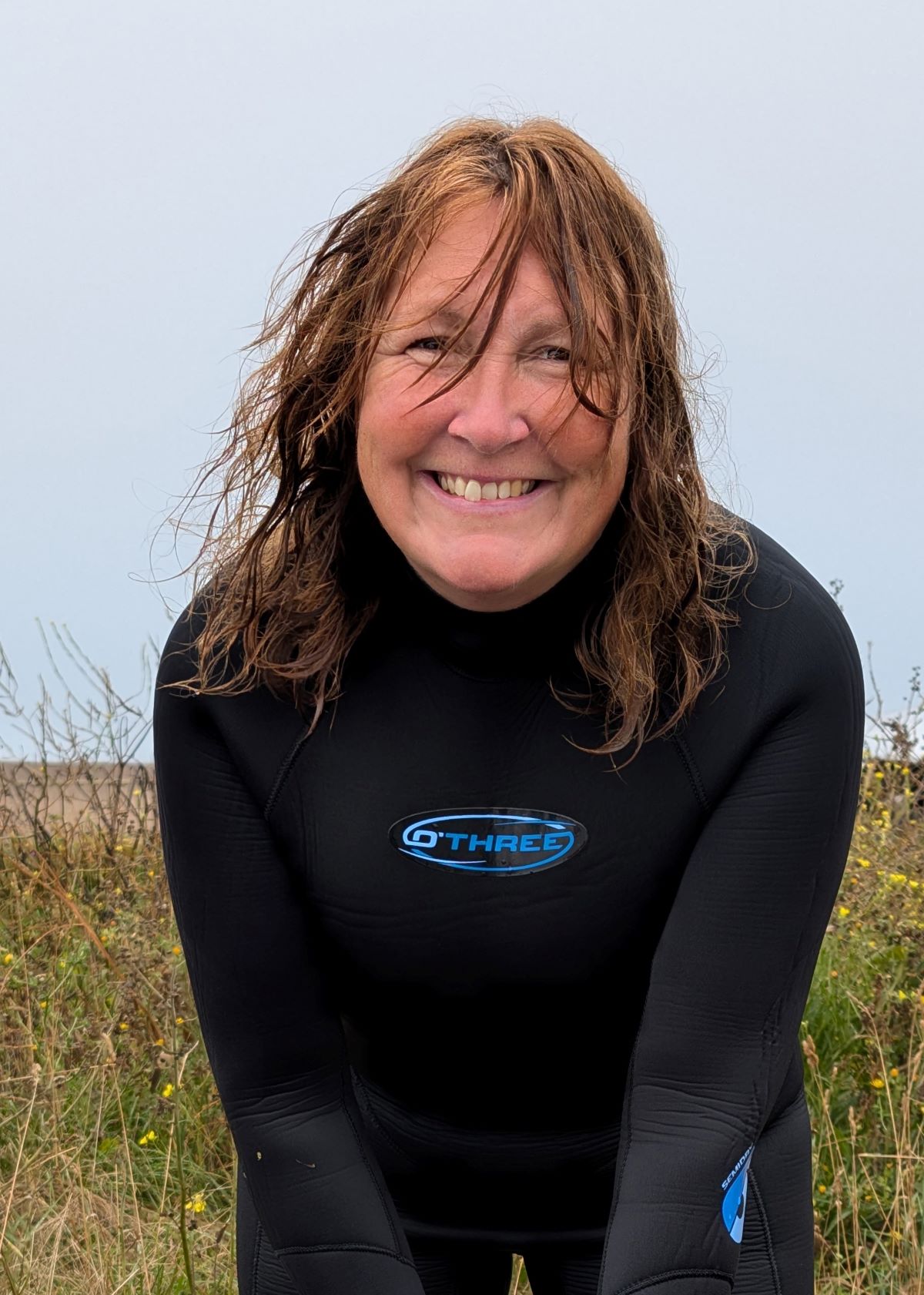 I’m incredibly lucky to live where I do—I’ve thought that every day of the 30 years I’ve lived on the Dorset coast. I’ve been diving for the last 26 years and taking underwater photos for at least half of that time. It’s like a giant treasure hunt right on our doorstep each time we dive here, not knowing what we’ll find to photograph, and I think that’s part of the attraction of UK diving for me.
Being asked to write about a favourite dive and a local dive as two separate things is hard for me, as they often overlap. To be fair, I’m easily excited by any dive site. I’ll start by saying I’m a slow photographer—I can’t be rushed in these things. Some photographers can react to unforeseen underwater subjects really well and come out with something creative, but I only really understand how I want to photograph a subject after the dive, and sometimes after several dives. This means that for me, a favourite dive site—at least for photography—would be one I can visit over and over again, trying new things, relaxing, playing, and making mistakes in my photography to push my creativity forward.

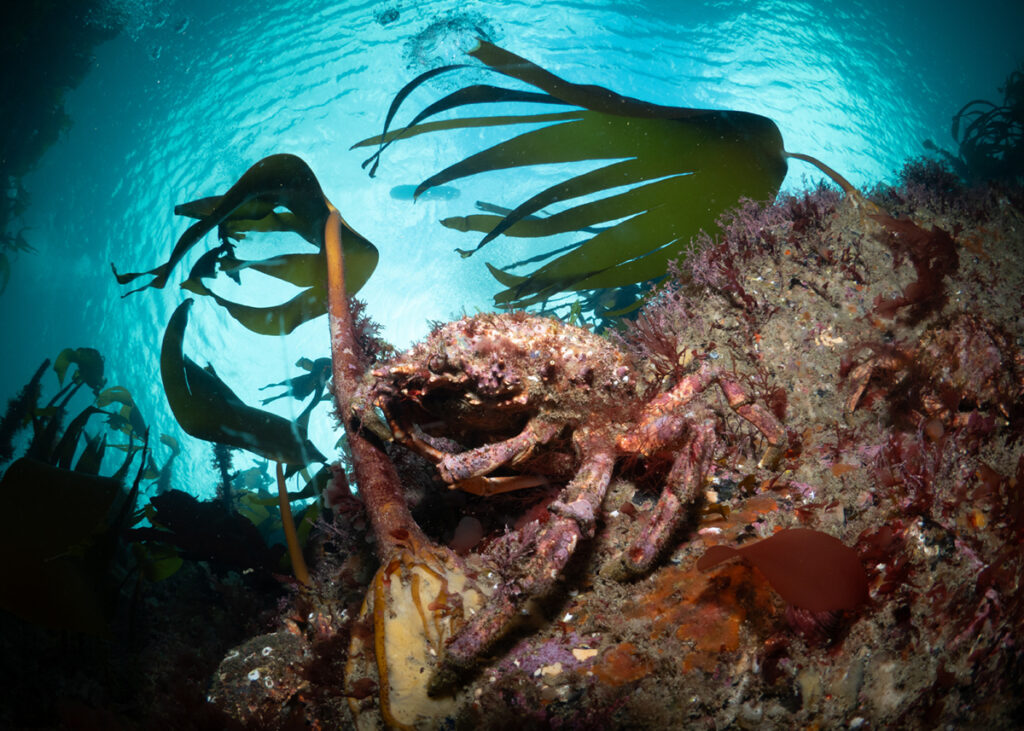
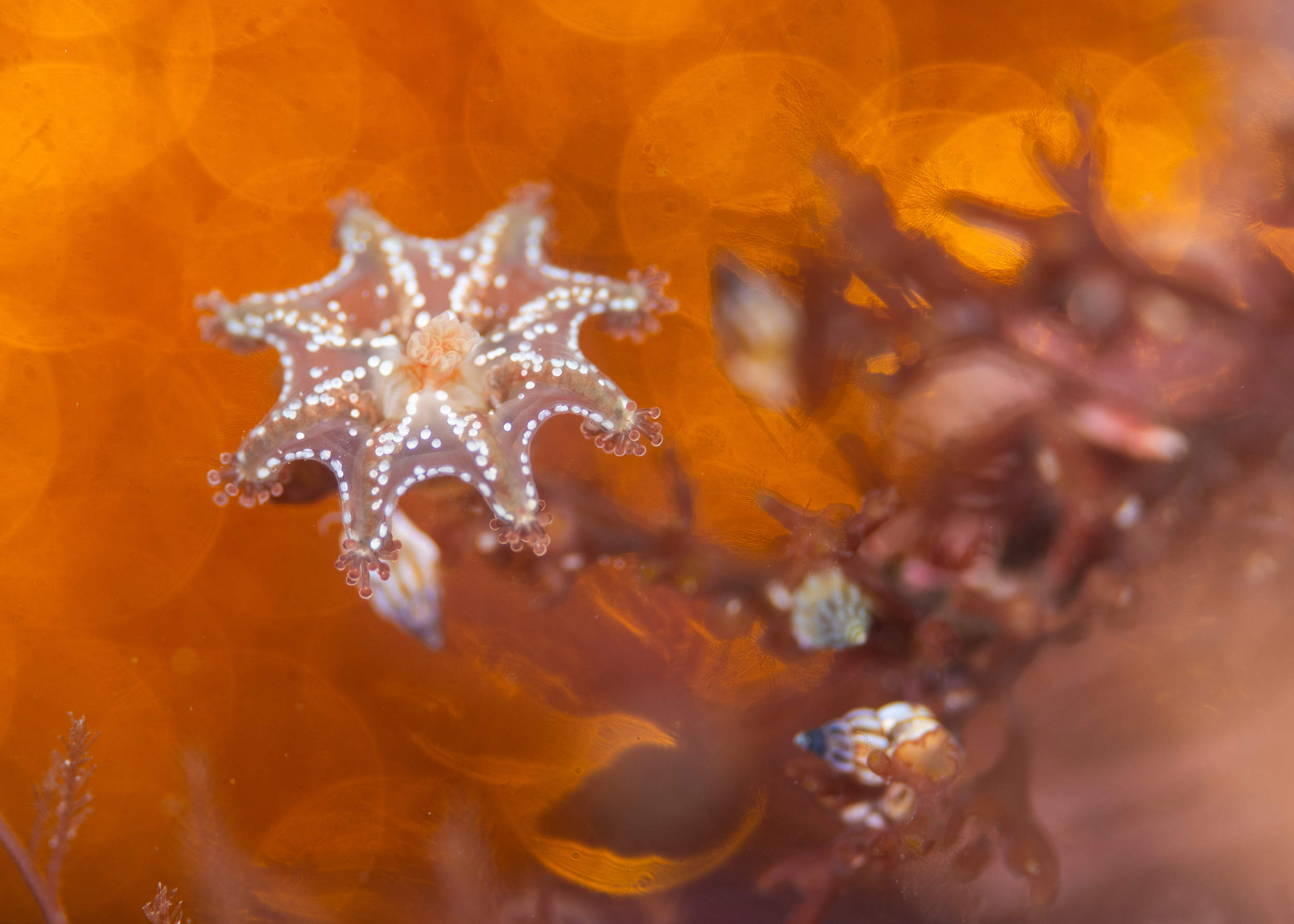
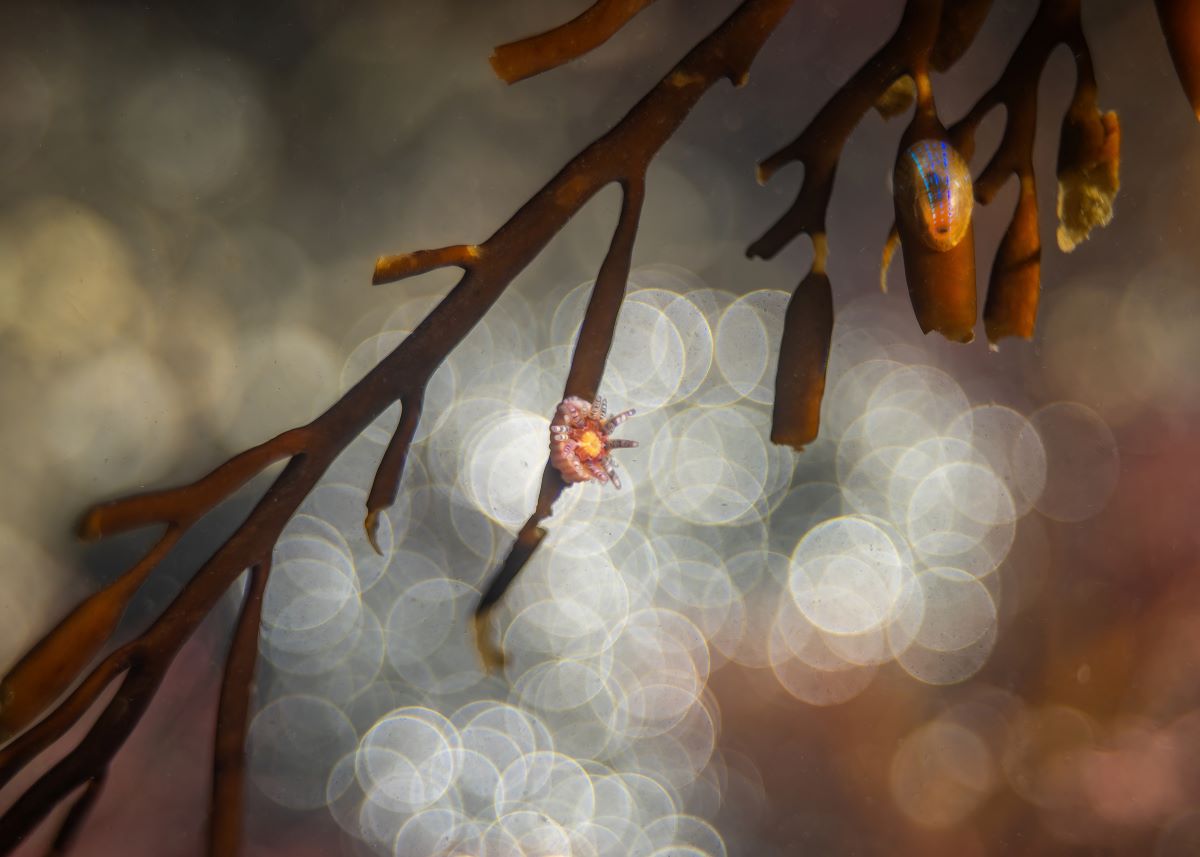
So, for a local and favourite dive, I would choose Kimmeridge Bay in Dorset. It has easy access and, being very shallow, it’s a great treasure hunt of subjects, including one of my absolute favourites: the teeny-tiny, super-cute stalked jellyfish—although some are beasts as large as 2 cm across! In the summer, the bootlace weed in the middle of the bay grows tall, gracing the surface with its gangly but fluffy fronds. That alone provides a wonderful, almost static (slightly swaying) model for wide-angle shots when the sun is low. I like a static model, as opposed to nudibranchs that can move at the speed of a racing whippet.
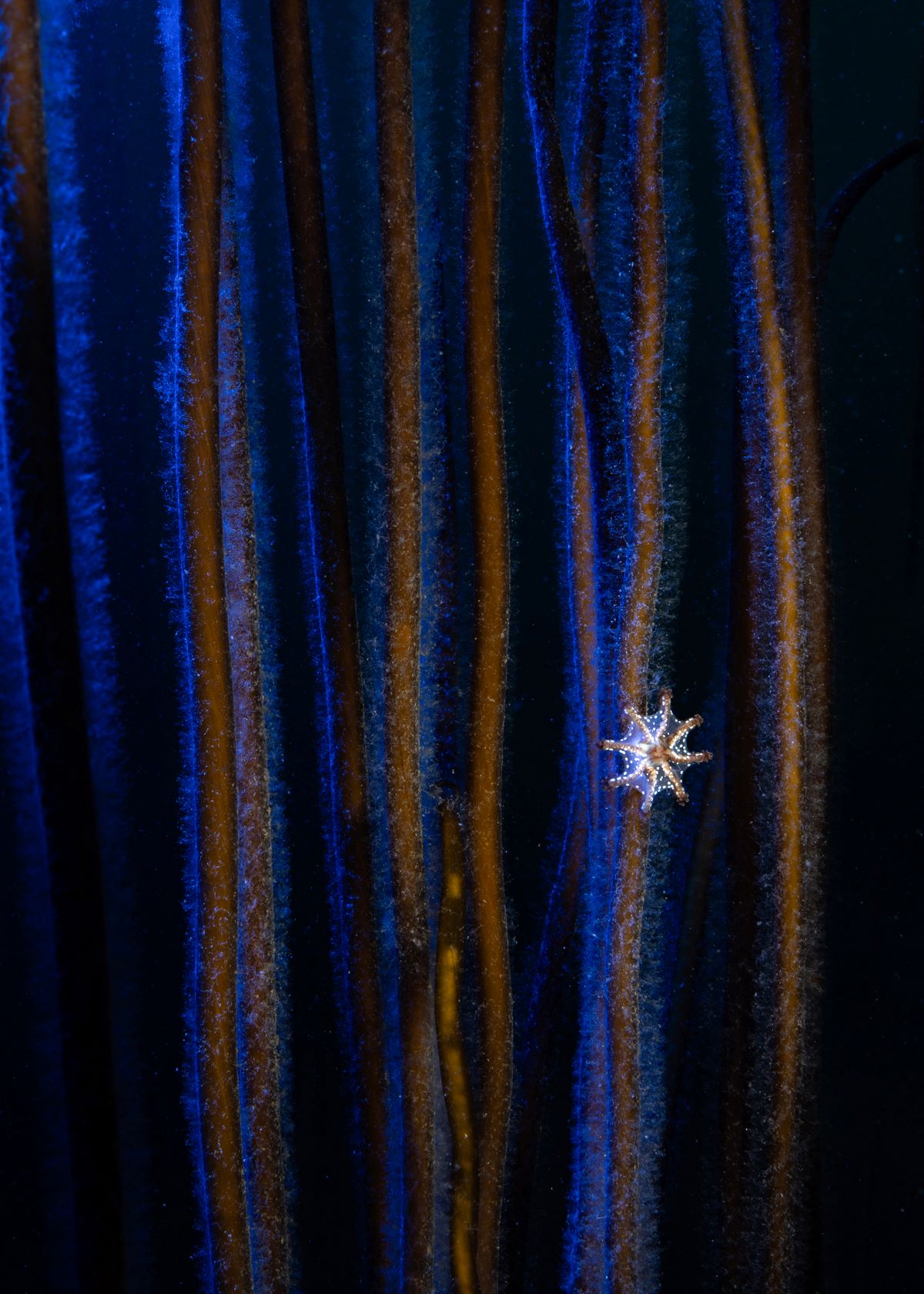
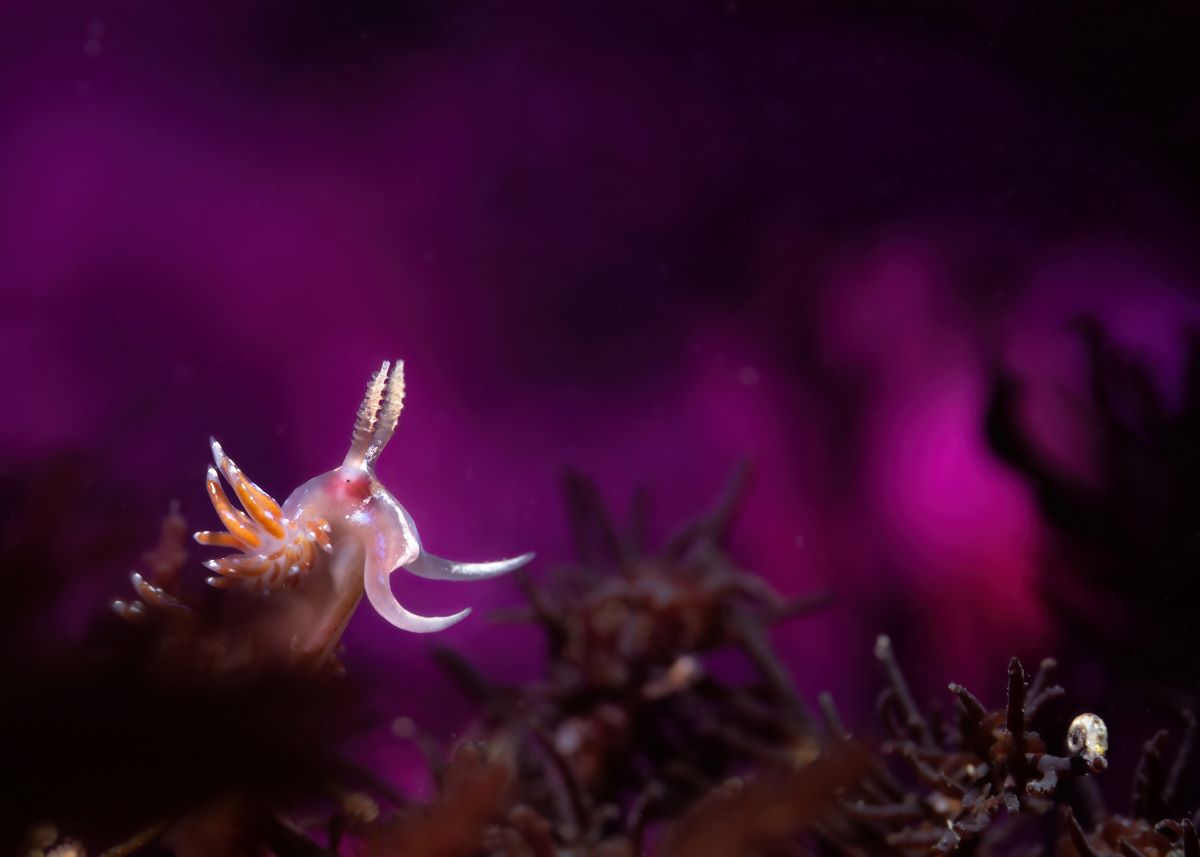
Kimmeridge Bay is home to no fewer than four different species of stalked jellies, each with its own beauty. During the summer, teensy-weensy stalkies can be found clinging onto the bootlace fluff. These are about 3–5 mm wide and appear like tiny jewels. To photograph them—especially if you choose to snoot them with a tiny aperture, like I do—you need the patience of a saint, as the bay is prone to surge, swaying everything to and fro and causing a fair amount of underwater swearing. It’s such a shallow site, though, that it lends itself to hours of trial and error, which, on a sunny day, floating around in such a beautiful place, is no hardship. This site is also home to loads of other fabulous underwater models such as cheeky tompots, squishy-faced flatfish, pouty-lipped dragonets, swarms of mysids, and ledges of snakelocks anemones, amongst many other subjects. You do have to hunt for them—there is no guide—and this is a large part of the enjoyment for me. It can also lead to creating images that no one else has.
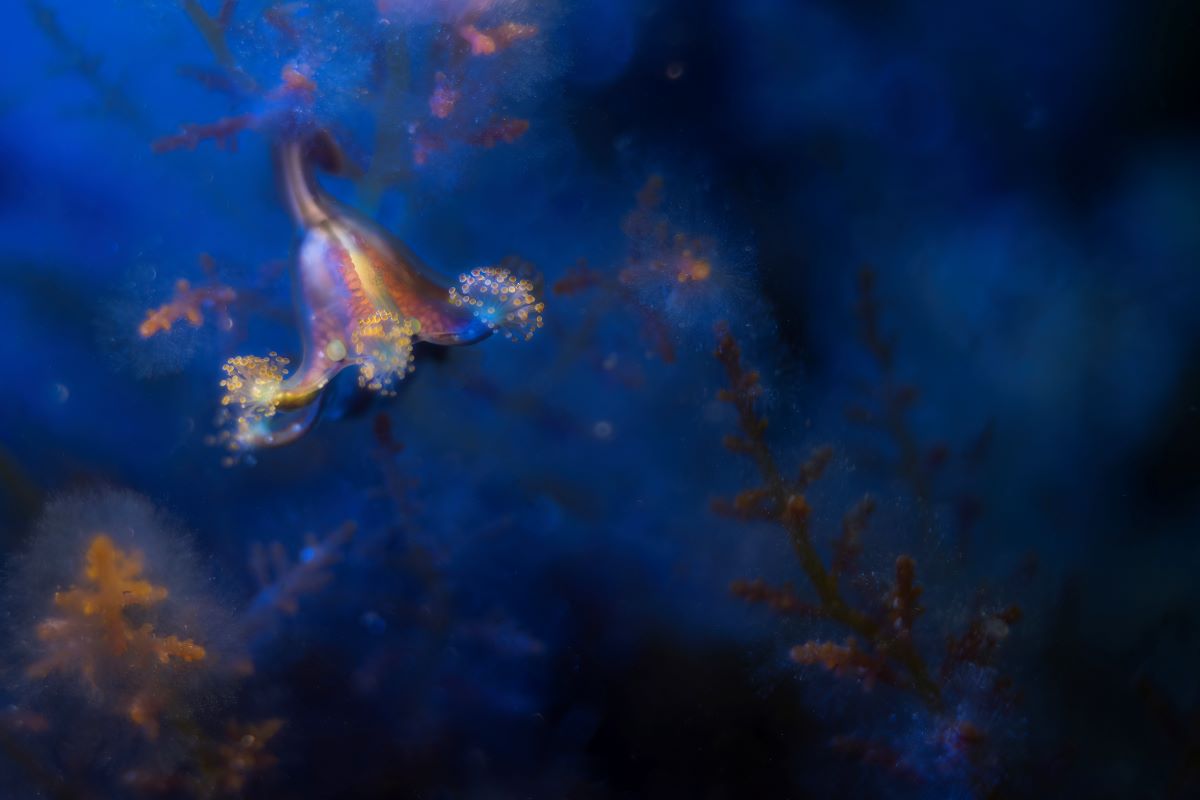
I’m now going to combine my bucket list dive with another favourite dive I recently did. Ever since I saw a photo of the jellyfish lakes in Palau in a copy of National Geographic 30 years ago, which I was using as reference material for some etchings, I’ve been obsessed. To swim in and photograph a lake full of jellyfish has been my absolute dream. I love a nice jelly—who doesn’t? With their fabulous translucent bodies, elegant shapes, and graceful movements, they are always a favourite underwater model of mine to photograph off Chesil Beach, where we live. They lend themselves so beautifully to ambient lighting with their long, wafty, translucent tentacles. Sadly, I’ve never managed to make it to Palau, but I still have that dream of clouds of jellies in the back of my head.

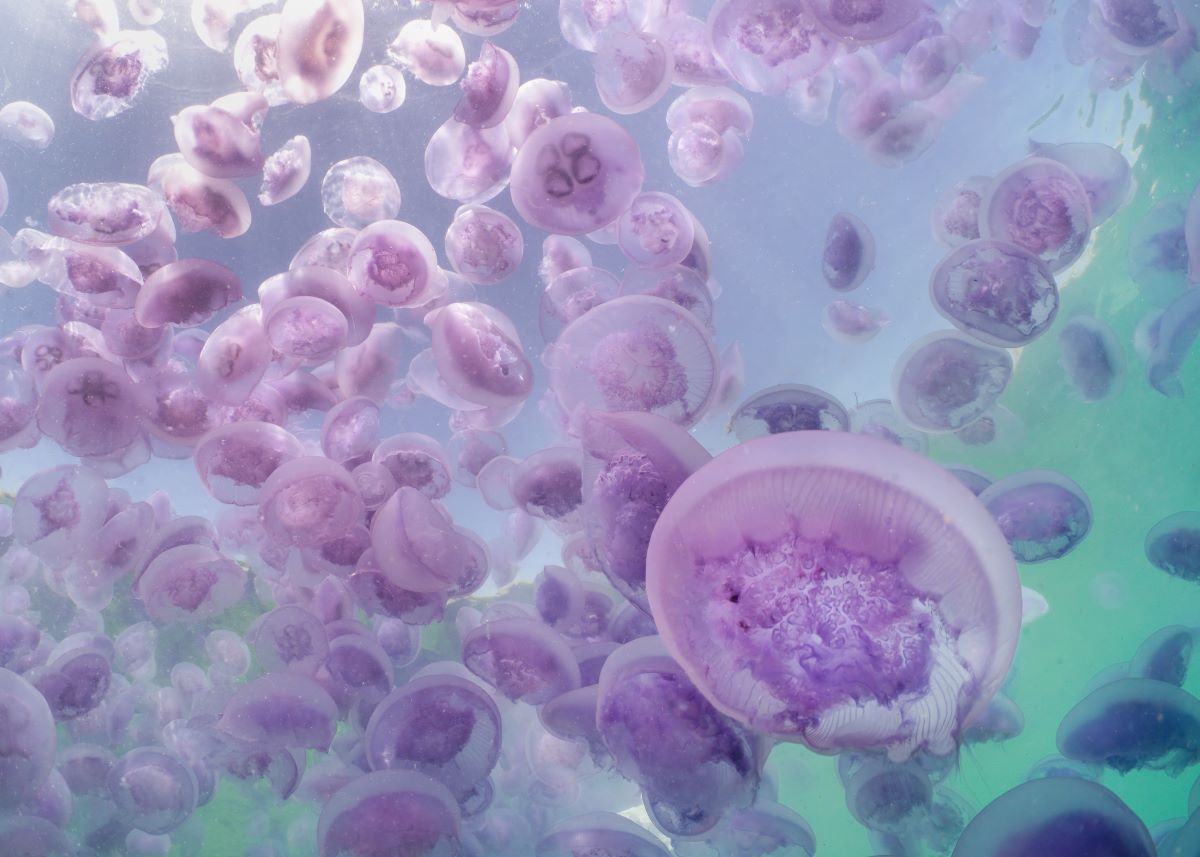
On a recent trip to Marsa Shagra in the Egyptian Red Sea, though, my dream came true. As soon as we got into the water, there were beautiful purple moon jellies everywhere. Luckily, I had gone in wide angle—as it was our check dive—so I just wanted to float around and look for subjects I might like to shoot over the coming five days. As we headed for the rope, the jellies became thicker and thicker, to the point where I had to bump my way through them, surrounded by a sea of lilac and almost exploding from overexcitement (it doesn’t take much, but this was something extra special). As I’ve said, I’m a slow photographer, so I didn’t do anything exciting or creative. The blazing sun in the sky also made things tricky to shoot in certain directions. I just played it safe and tried to capture that feeling of floating in clouds of lilac while also simply enjoying the moment. By that evening, they had mostly washed up on the beach, and flicking through my photos, I was filled with thoughts of Why didn’t I just try this or that while I had the chance? It’s hard to imagine diving without a camera, but it’s also nice to sometimes forget it’s in my hands and simply treasure an experience rather than always having to get a shot.
I hope you enjoyed finding out a little more about Sandra’s dives and photography. Would you like to feature? If so, ping me an email and we can talk about your From Back Yard to Bucket List.