Divers excavating the wreck of the London say finds could be as significant as those recovered from the Mary Rose


Finds recovered from the wreck of the London which mysteriously blew up in the Thames Estuary in 1665 off Southend-on Sea could potentially be similar in scope to those recovered from King Henry VIII’s warship the Mary Rose but just over a century later, English Heritage and Cotswold Archaeology experts believe.
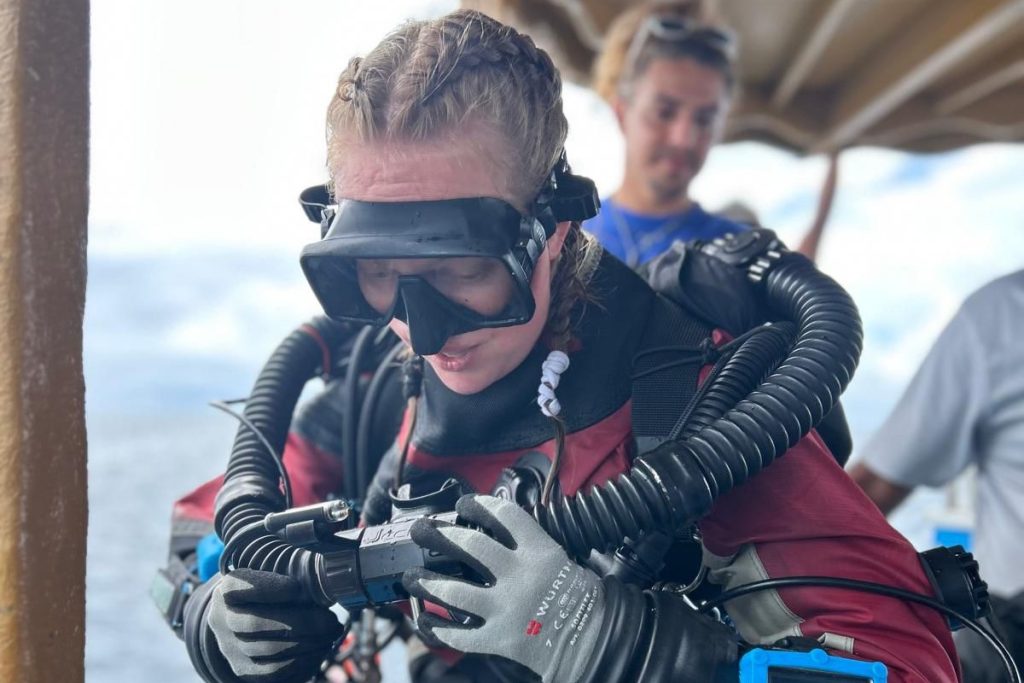
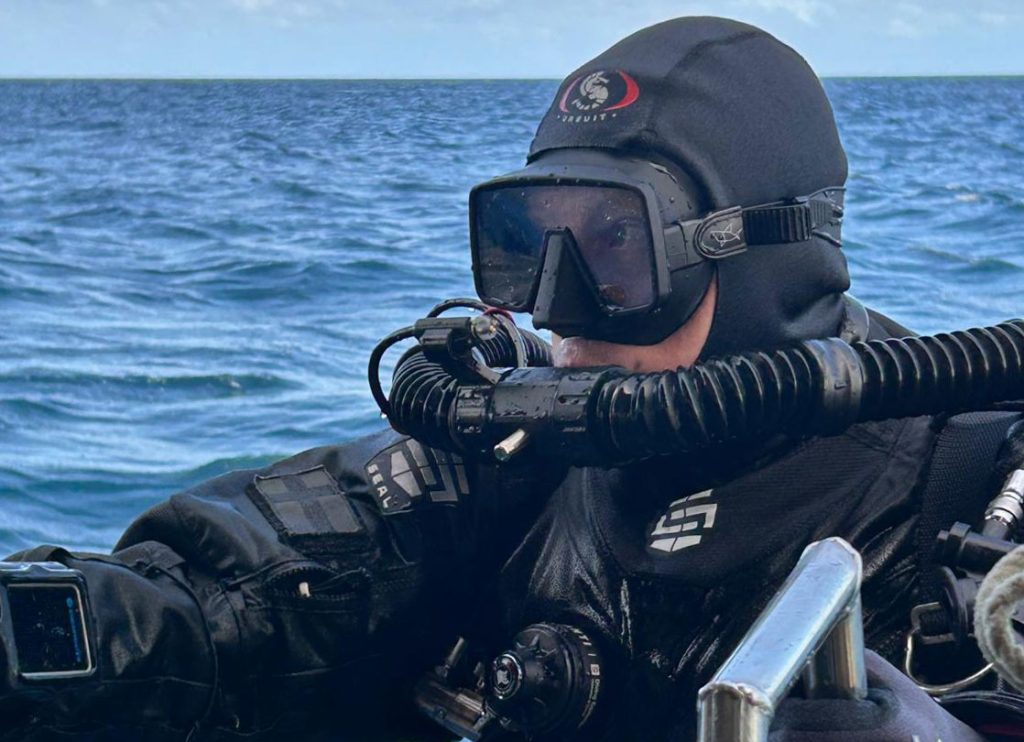
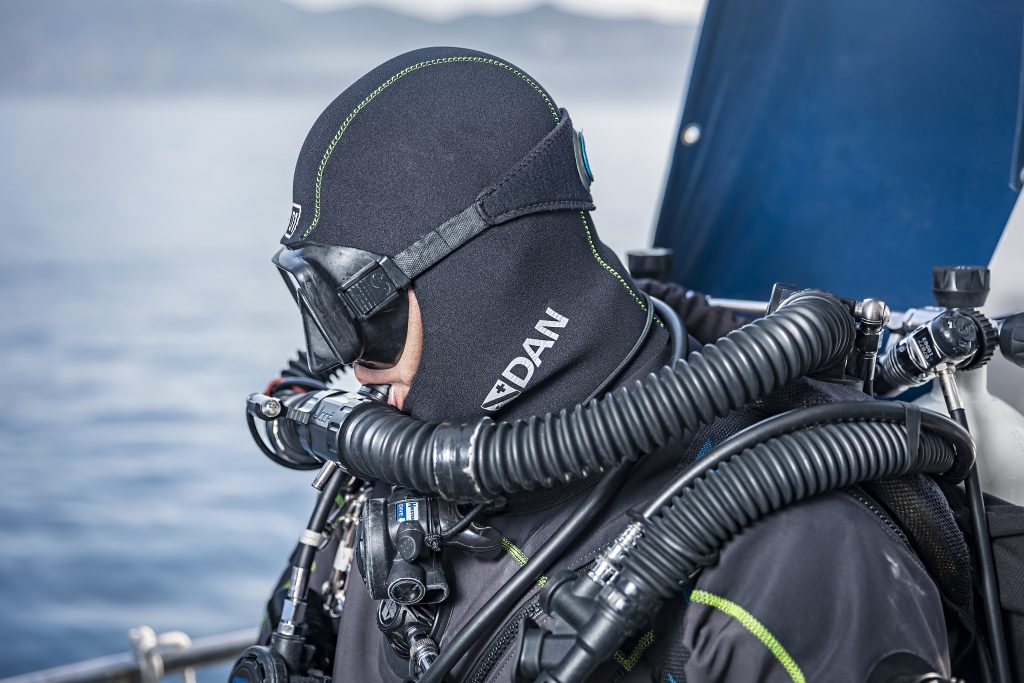
Over the past three months, a specialist diving team led by experienced Thames Estuary diver Steven Ellis, have undertaken 10 planned dives of one of England’s most important 17th century shipwrecks. They have been mapping the ship and discovering and retrieving a series of objects such as musket shots and ingots as well as ship fixtures and fittings including a hand-made glass cabin window, tools and personal items including pewter spoons, coins and navigational dividers.

Mark Dunkley, Maritime Archaeologist at English Heritage, said: “There are still five dives to go but what we have confirmed so far is that the well preserved and vulnerable remains of the wreck of the London are consistent with the historical records that she did in fact blow up.”
Steve Webster, Project Manager at Cotswold Archaeology said: “This two year project is the only ongoing excavation on an underwater wreck in England at the present time and the artefacts that we can recover may be similar in scope to those recovered from the Mary Rose, but 120 years later in date. This will allow us to better understand a whole range of changes that occurred between the first half of the 16th century and the second half of the 17th century, a period that saw the expansion of Britain’s sea power and marks the start of the British Empire.”

Steven Ellis, who has been granted the Government licence to dive the wreck, said: “Working underwater in the murky Thames Estuary has been challenging, but we’re making real progress in understanding the nature of this fascinating 300 year old wreck site.”
Finds recovered from the site are being curated by Southend Museums Service which secured a grant from the Esmée Fairbairn Foundation to develop the community project to record the finds as well as hosting a permanent display. There will also be a publication produced about the wreck.
“Luisa Hagele, Project Curator at Southend-on-Sea Borough Council’s Museums Service, said: “This project provides an incredible opportunity for local people to engage with their own heritage and a unique experience for the Southend community. The Museums Service has worked alongside the Nautical Archaeology Society to train some local volunteers to assist us with work on the finds and they are all extremely excited to be getting involved.”
The London was one of only three completed wooden Second Rate ‘Large Ships’ that were built between 1642 – 1660 and is the only one that survives.

English Heritage commissioned Cotswold Archaeology to carry out this underwater excavation in order to find out just how much archaeological material survives. Divers are excavating three trenches in the bow of the wreck, designed to explore archaeological remains in the hold, the orlop deck where the anchor cables are, the main gun deck as well as carpenter and boatswains store rooms which would have contained tools and timber stores.

The London was rediscovered in 2005 during works in advance of the London Gateway Port development in Thurrock, Essex. In October 2008, it was designated under the Protection of Wrecks Act (1973) and immediately placed on English Heritage’s Heritage at Risk register as its fragile archaeological remains were being exposed by shifting sediment levels on the seabed. The wreck is routinely monitored by professional diver Steven Ellis and his team.
Southend Museums Service and Steven Ellis with his dive team are a contender for this year’s English Heritage Angel Awards for their work on the London. The Angel Awards, co-funded by the Andrew-Lloyd Webber Foundation, celebrate local people who rescue heritage at risk and will be announced at a glittering ceremony in London on the 3rd November 2014.
More photos of the excavation of the London can be found here.