Divers Document Collapse of Jeju’s Soft Coral Gardens
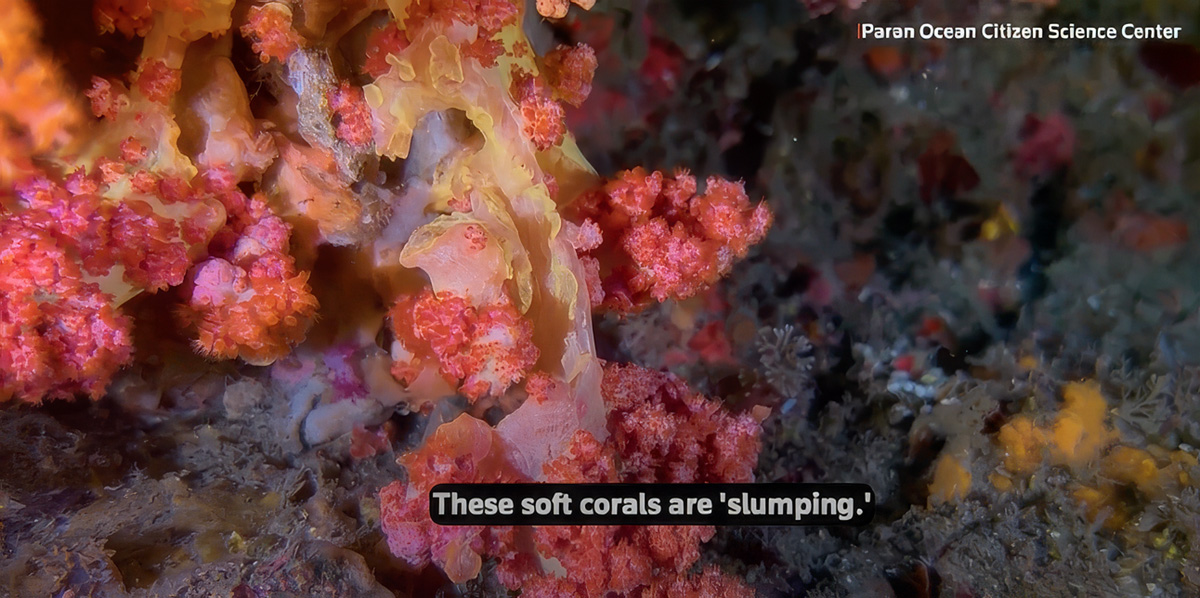
Divers and scientists are raising concerns over the health of spectacular soft coral gardens around South Korea’s Jeju Island, where colonies are once again showing signs of an unusual phenomenon known as ‘slumping’.
Unlike hard corals, soft corals do not have rigid calcium carbonate skeletons and instead rely on internal fluid pressure to maintain their shape. During a slumping event, colonies lose this structural support, causing them to droop, collapse and, in severe cases, begin to disintegrate.
The phenomenon was first documented on a large scale around Jeju in 2024. Researchers believe a combination of prolonged low salinity and unusually warm water may have contributed to the event, although the precise causes are still being investigated.
Now divers from the Paran Ocean Citizen Science Center say signs of slumping have returned, with around half of one monitored coral cluster near the islet of Beomseom reportedly struggling in recent months.
Local divers are playing an important role in monitoring the changes, regularly photographing the coral beds and providing their observations to scientists.
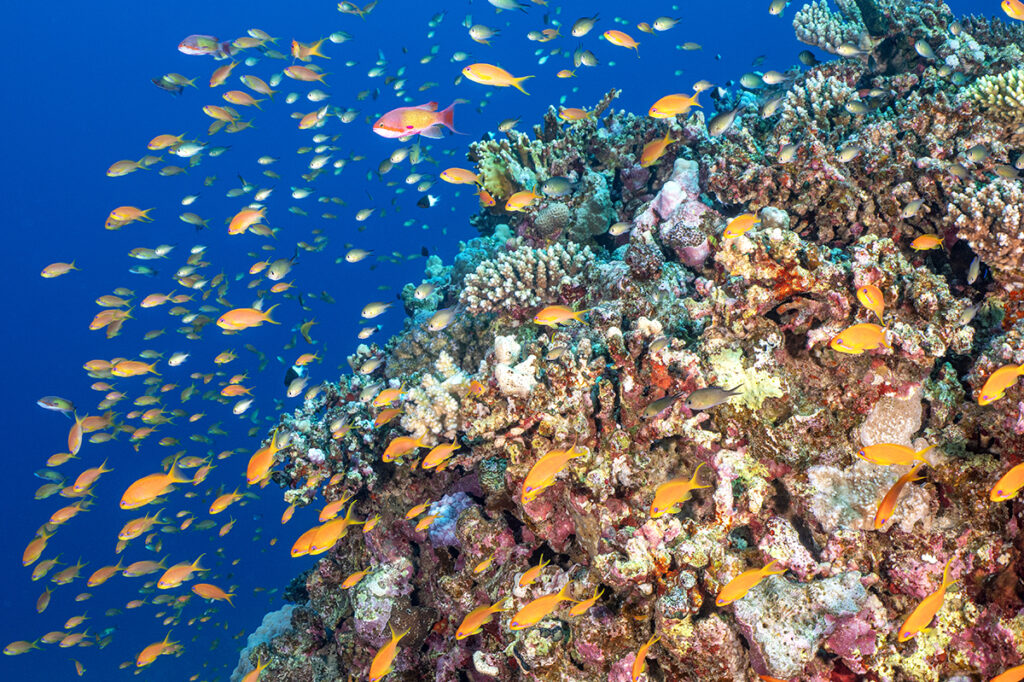
Jeju’s waters support some of South Korea’s most spectacular soft coral communities and form part of the UNESCO-listed Jeju Island Biosphere Reserve. The coral gardens provide important habitat for marine life and underpin the wider ecosystem.
Researchers from the Korea Institute of Ocean Science and Technology say continued, long-term monitoring will be essential to understand what is happening and whether repeated slumping events are reducing the corals’ ability to recover.
With high water temperatures potentially continuing through September, scientists and divers will be watching Jeju’s soft coral gardens closely over the coming weeks.