Divers Discover Mysterious 10,500-Year-Old Timbers Beneath German Lake
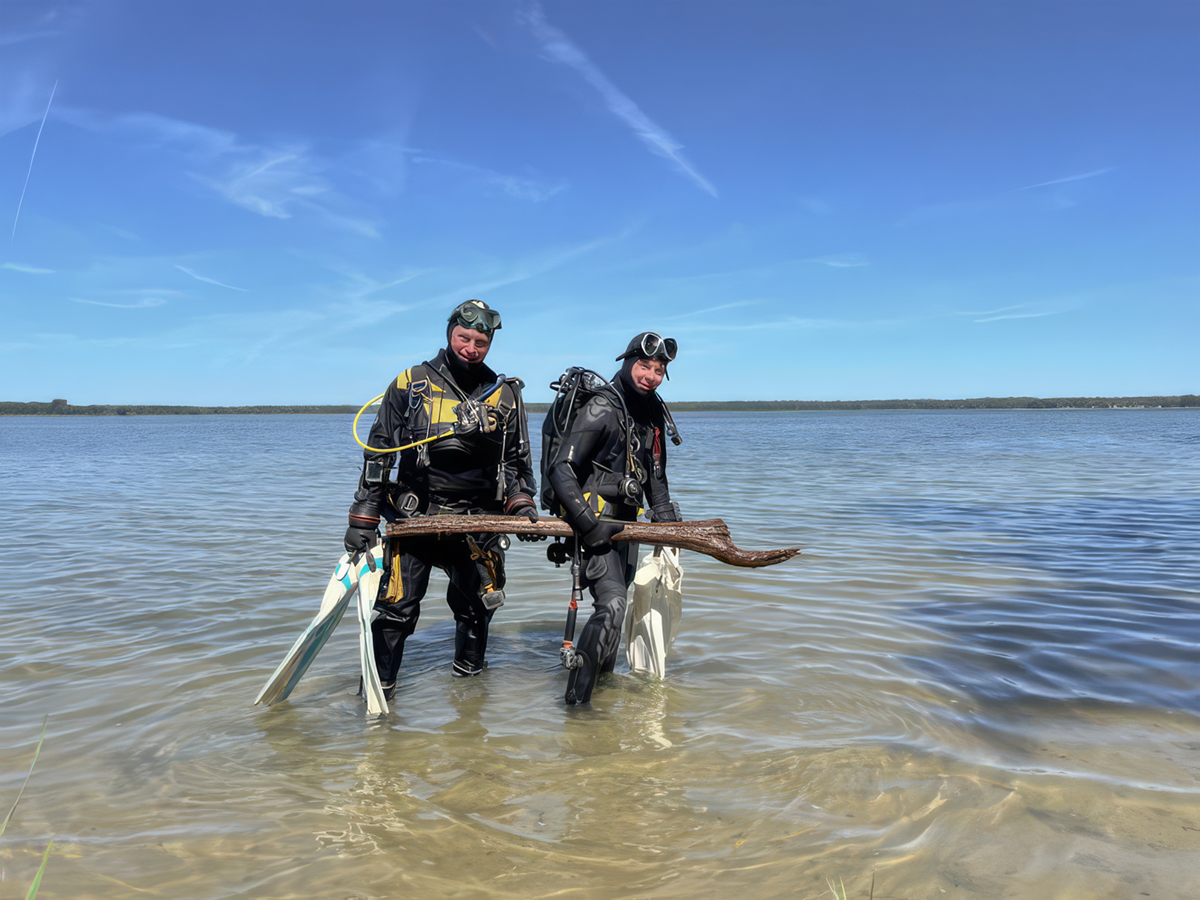
The finds were made in Lake Arendsee in northern Saxony-Anhalt, where underwater archaeologists have been investigating submerged sites for several years.
Source: Juraj Lipták
Copyright: State Office for Heritage Management and Archaeology Saxony-Anhalt
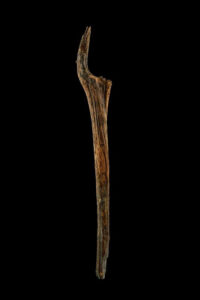
Lying beneath a thin layer of sediment at a depth of around 20 metres, the Mesolithic timbers include a 1.6-metre wooden post showing clear signs of felling and working, along with split boards measuring up to 1.3 metres long.
Exactly what they formed part of remains a mystery.
Researchers believe they could be the remains of huts or other wooden structures built by hunter-gatherers thousands of years before farming became established in Central Europe.
If the timbers do prove to be evidence of permanent buildings or intensively used living spaces, they could change our understanding of Mesolithic communities. The finds pre-date the arrival of Central Europe’s first farmers and their longhouses by around 3,000 years.
The exceptional preservation is partly thanks to the geology of Lake Arendsee. The lake bed has gradually sunk due to processes associated with an underlying salt dome, allowing the ancient shoreline and archaeological remains to survive beneath the water.
Following the discovery, researchers returned with an ROV equipped with high-resolution sonar to map the former shoreline and identify areas for future archaeological dives.
Further investigations are now planned to determine exactly what these mysterious wooden structures were – and what they can tell us about the people who lived on the shores of Lake Arendsee more than 10,000 years ago.
Image: Juraj Lipták / State Office for Heritage Management and Archaeology Saxony-Anhalt
Source: State Office for Heritage Management and Archaeology Saxony-Anhalt