Beautiful, brainless and deadly. How Jellyfish are changing the ocean’s fragile landscape
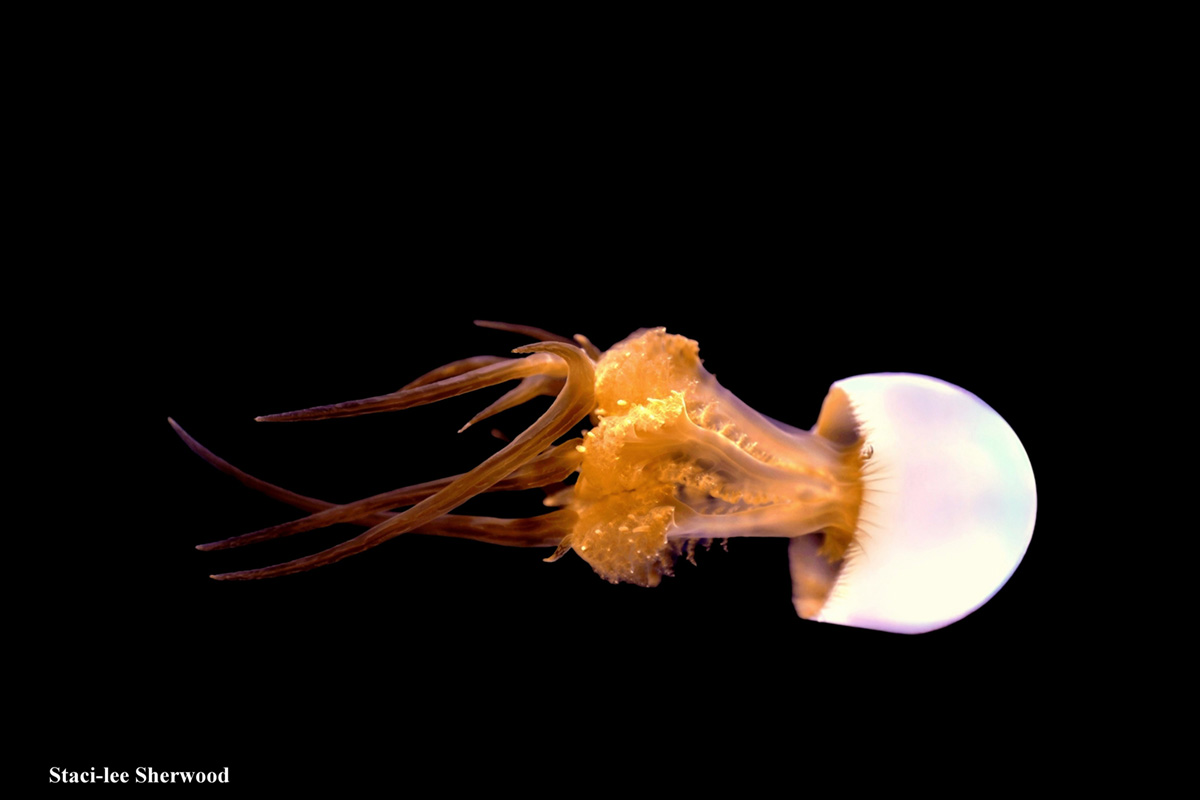
By Staci-lee Sherwood
Scientists believe the first animal to be classified as a Jellyfish first appeared during the Ediacaran period, over 500 million years ago. Long before dinosaurs or their ocean cousins ever ruled. The Ediacaran period was the last stage of the Precambrian Era which witnessed the emergence of the Earth’s first multi cellular animals. Some genetic studies show that Jellyfish arrived around the same time as Corals and Sea Anemones. All three species still survive today.
Jellyfish don’t have a brain the way we do. They have a decentralized nerve network that allows them to sense and respond to their environment. They feed on plankton, small fish and some invertebrates. Getting an accurate count of populations and species is challenging. Many species live in deep waters and observing any species that travels the world, from almost microscopic in size to larger than a human, will always be a best guess estimate. Though each species has different lifespan ranges, depending on many factors, they tend to live short lives like Octopus.
It’s currently estimated there are some 2000 species of Jellyfish, new ones are still being discovered while some counted as Jellyfish may not be ‘true’ Jellyfish. The classic bell shape helps define true Jellyfish which come in a variety of sizes and colors. Some will sting while others are non- stinging, the Man-o-War is not considered in this group though they have many similar characteristics. The name ‘Jellyfish’ comes from the combination of words describing an animal with a gelatinous body that is aquatic. It’s used as an umbrella label to describe any species of Jellyfish.
Different species around the world
Jellyfish species are as diverse in color and size as they are in habitat. Some are cold water creatures while others prefer warmer waters. Many are translucent while others are brightly colored. Either way they’re fascinating to watch. They have outlived millions of species now extinct and five mass extinctions. They, along with Coral and Sea Anemones, are among the only living organisms with such a long ancestral life history. Despite having lived on Earth for half a billion years there is more we don’t know about Jellyfish than do know. Here’s a look showing the variety of the species one might be lucky enough to see in the ocean.
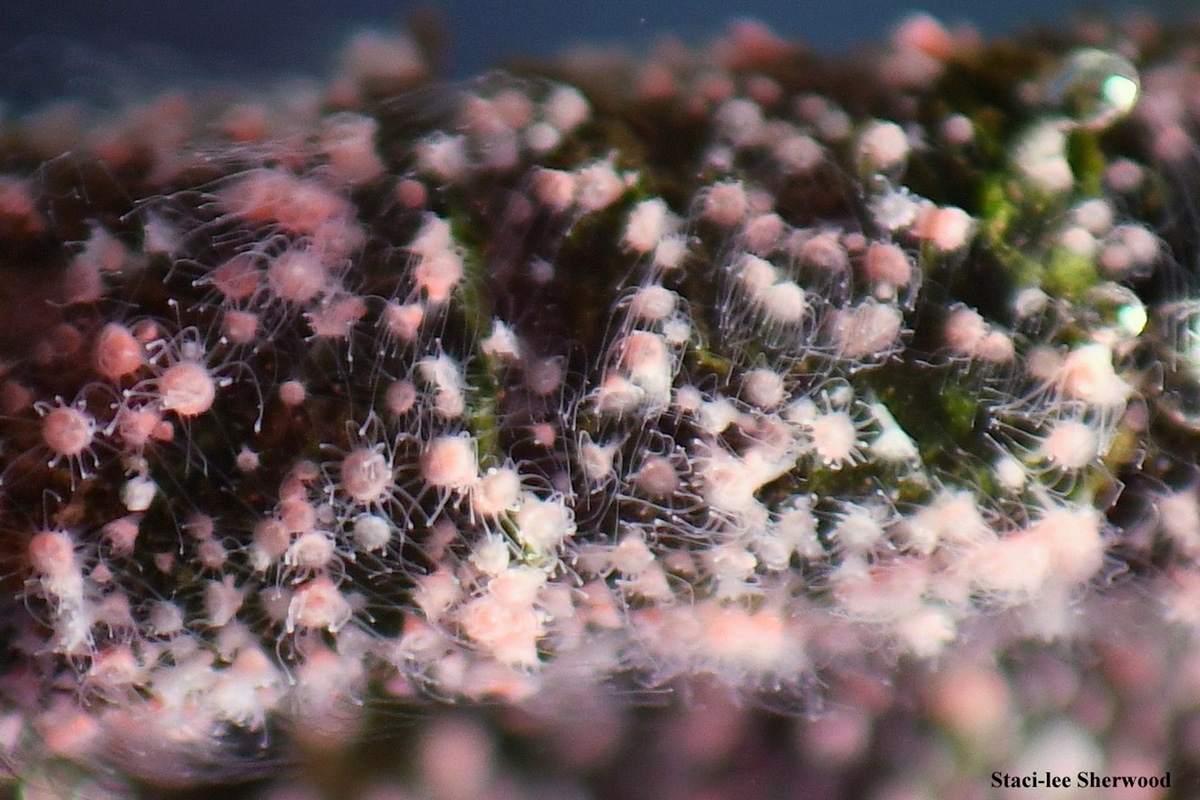
The Moon Jellyfish is the classic species most people think of when they hear the word Jellyfish. Here you can the polyps, which are nearly microscopic.
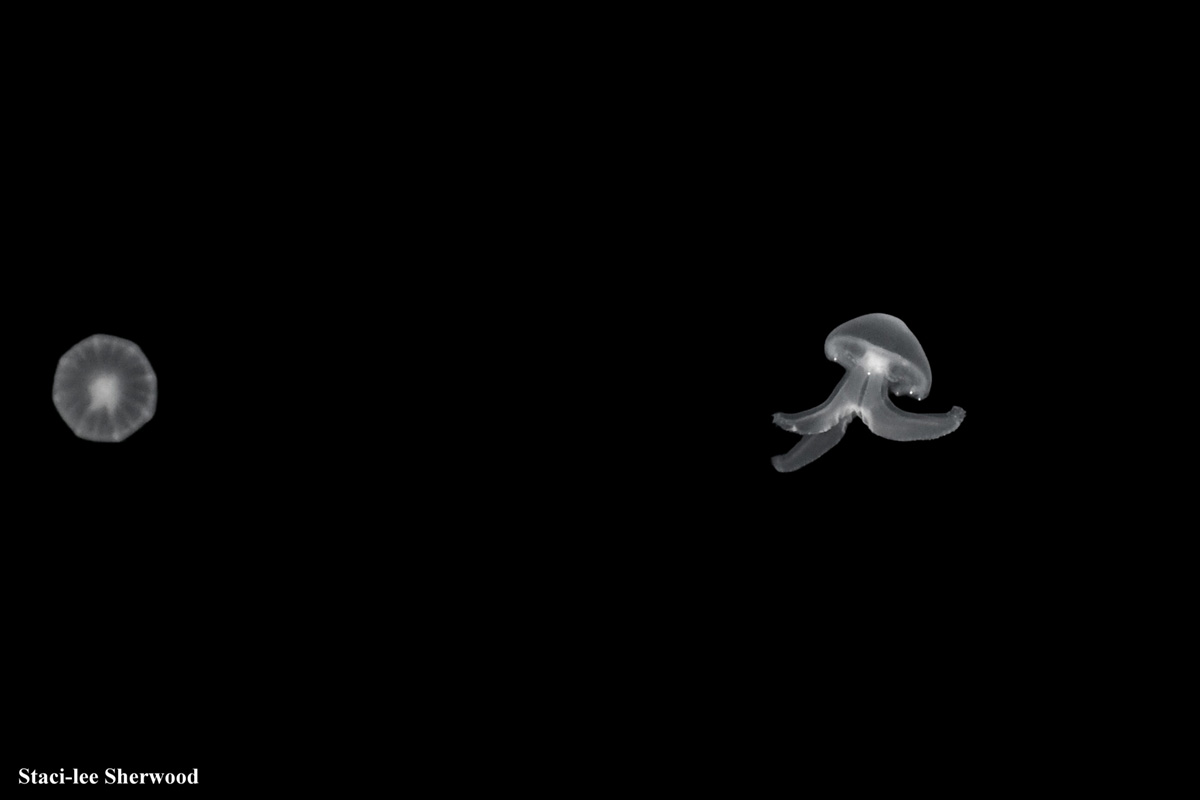
Next stage is ephyra, or baby Moon Jellyfish, smaller than a penny.
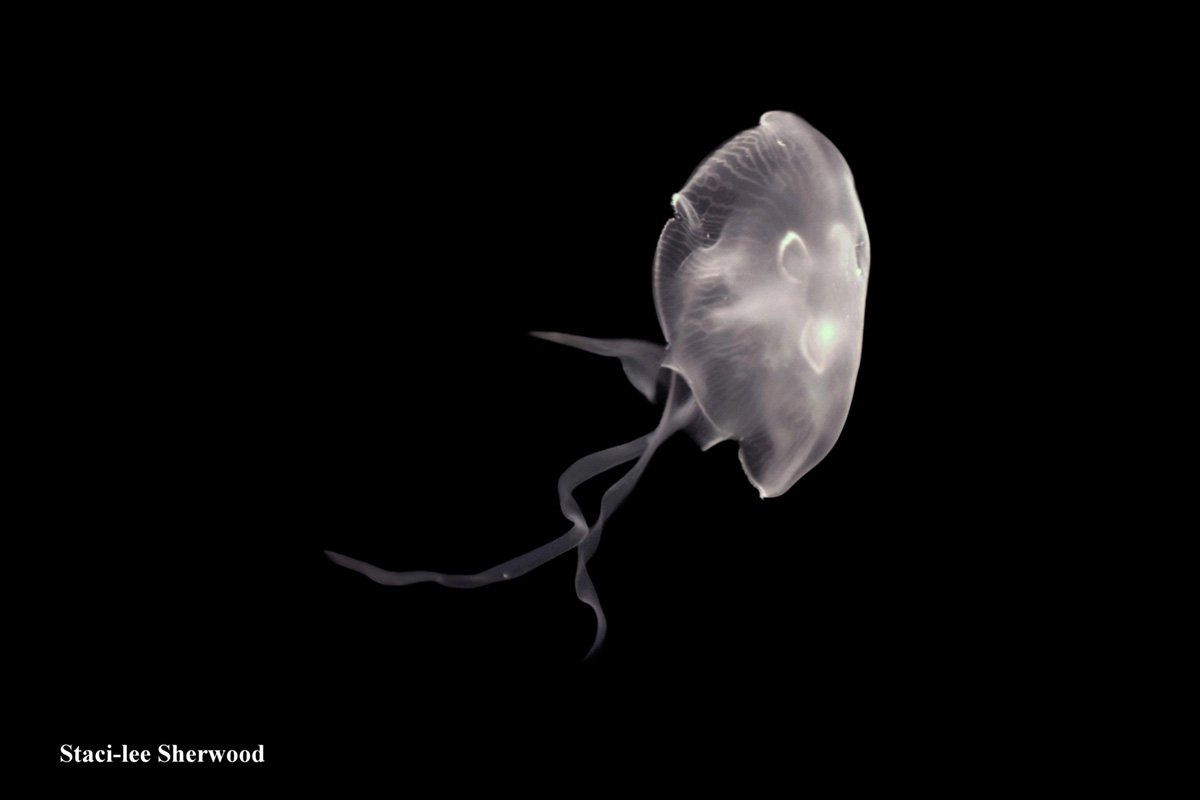
An adult Moon Jellyfish shows how transparent they are. Adults can grow up to 16 inches in length if food is abundant. They have a mild sting for humans yet strong enough to paralyze its prey which can be microscopic organisms, fish eggs and zooplankton. Their native range are coastal waters of the Atlantic, Pacific and Indian Oceans.
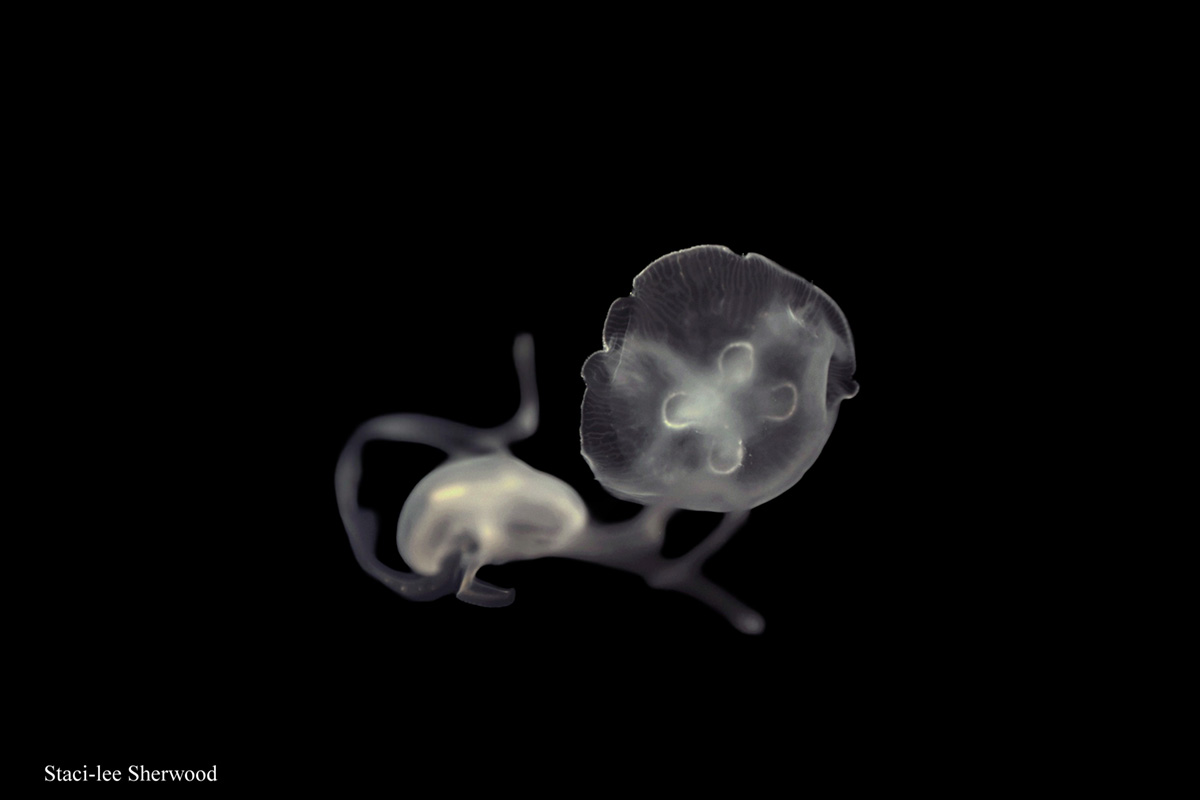
The Crystal Jellyfish is actually a hydrozoan, a relative of true Jellyfish. They have a glass like clear body with tiny fronds that dots the edge of their bell, giving the appearance of shining crystals. They .can grow up to 18 inches in length and feed on other Jellyfish species. Most notably they’re bioluminescence is produced through a photoprotein called aequorin giving them the ability to glow in blue or green hues. Their native range is the Pacific Ocean.
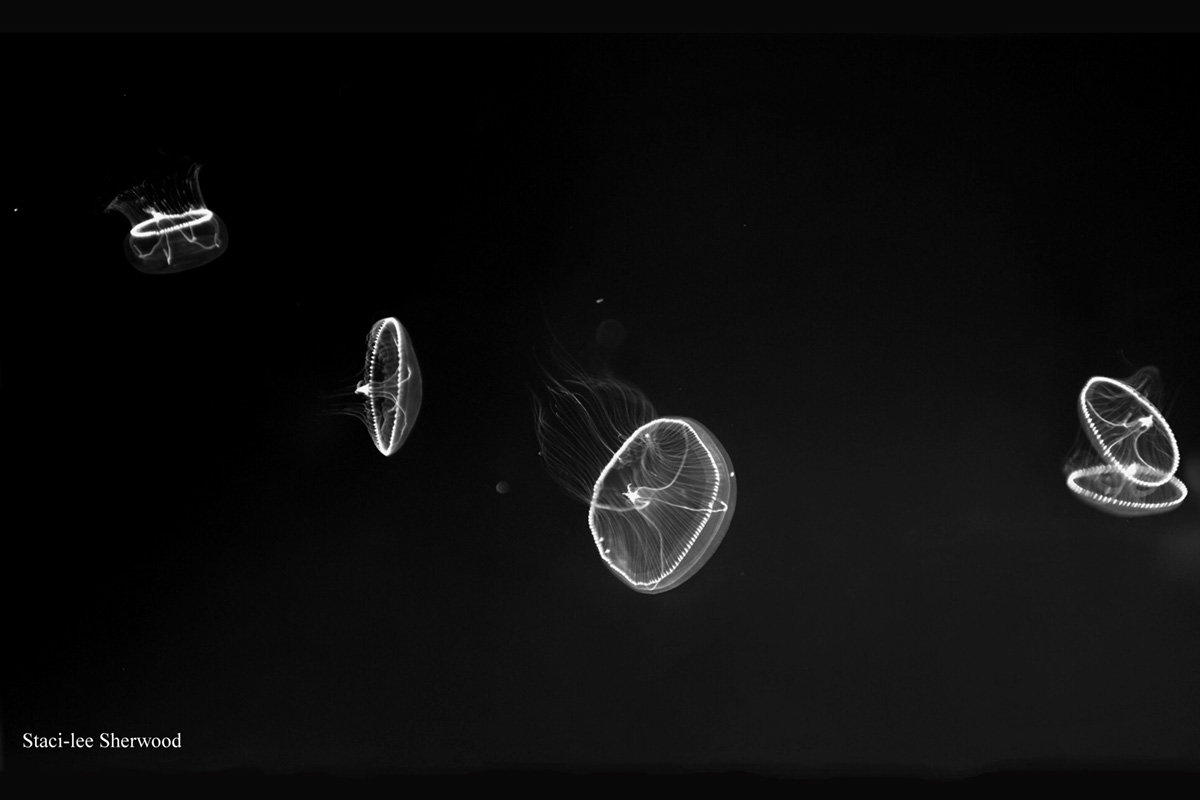
The Fried Egg Jellyfish is aptly named for its striking resemblance to a fried egg. They can grow up to 20 feet in length (extremely long tentacles) and feed on plankton, small fish and crustaceans. They have a symbiotic relationship with tiny algae that live inside its tissues. The algae photosynthesize and provide extra nutrients. They have a painful but not deadly sting. Their native range is the Atlantic and Pacific Ocean and the Mediterranean Sea.
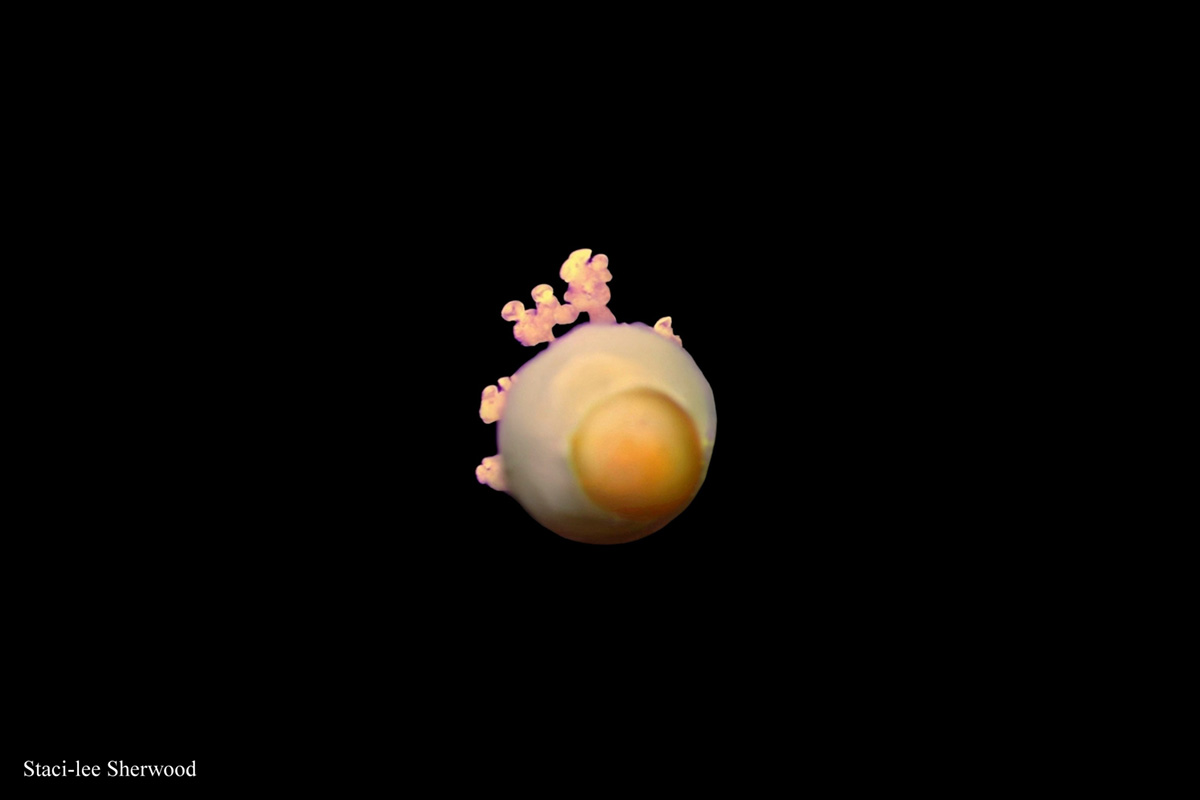
The Marble Jellyfish can grow up to 9 inches in length and feeds on zooplankton and shrimp. They lack long tentacles, instead they have thicker ‘arms’ which look as though they were made of fine lace. They have a moderate but not deadly sting to humans. Their native range is the eastern coast of South America.
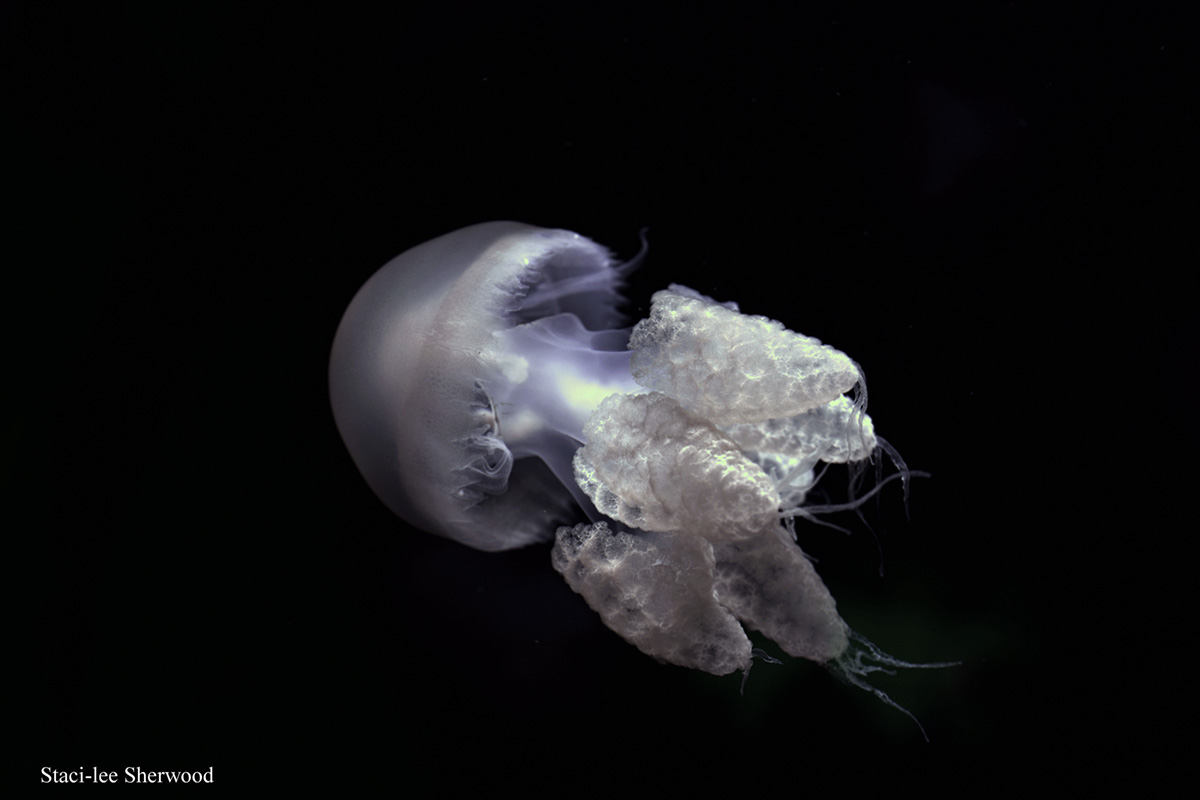
The Barrel Jellyfish can be white or pale blue with dark blue dashes around the bell cap. They have a mild sting and feed on plankton and microscopic particles. They can grow to 5 feet in length and are a prime food source for critically endangered Leatherback Sea Turtles, which can grow to over 8 feet long. Their native range is the northern Atlantic Ocean and the Mediterranean and Black Seas.
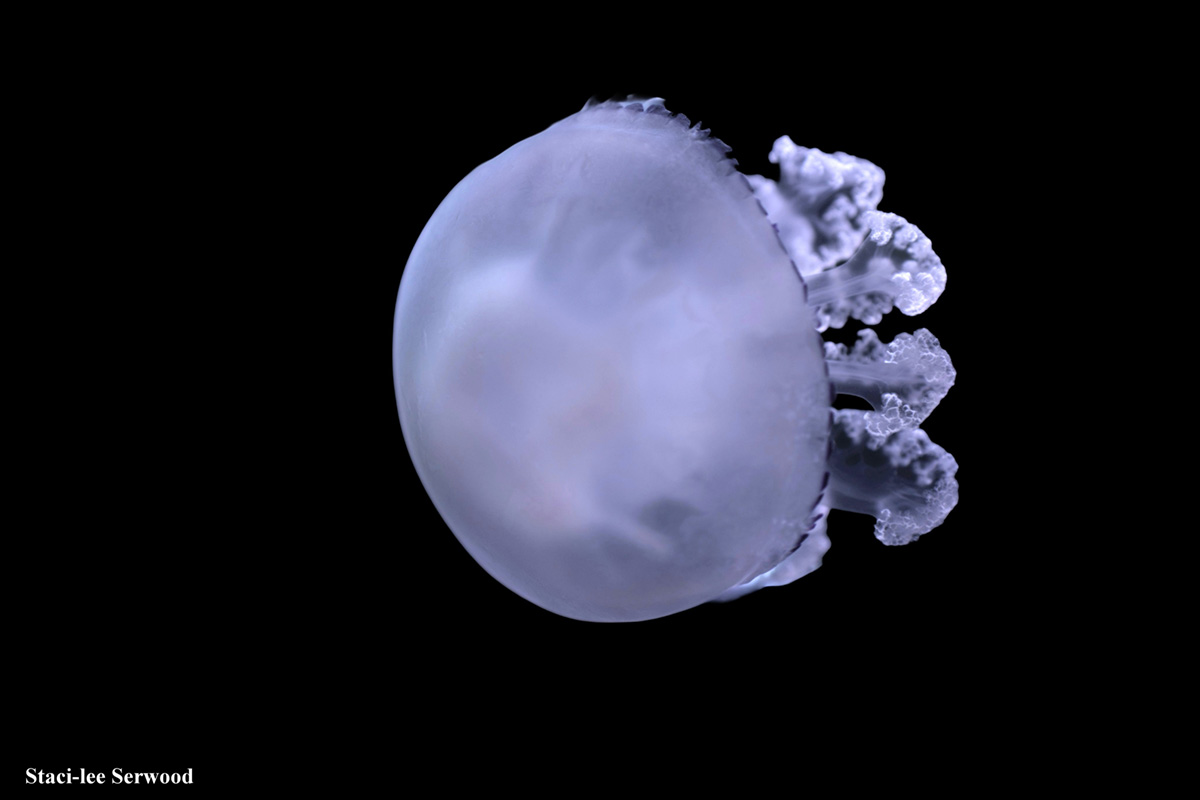
The Australian Spotted Jellyfish can grow up to 24 inches in length and has a slight blueish tint with bold white spots. Some other species can look drab in comparison as this species looks quite elegant. They primarily feed on zooplankton and small fish and are known for living in large swarms. Their native range is the Pacific Ocean mostly near Australia and Japan.
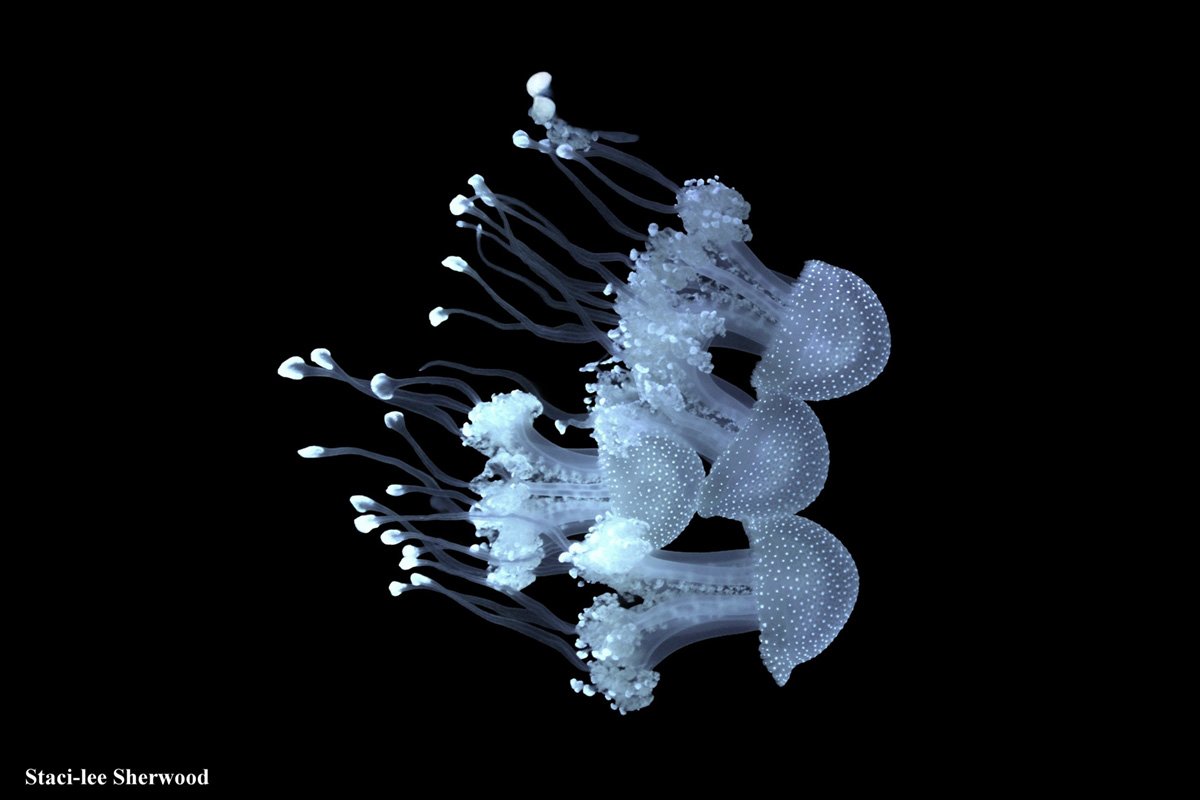
A close-up shows the striking pattern
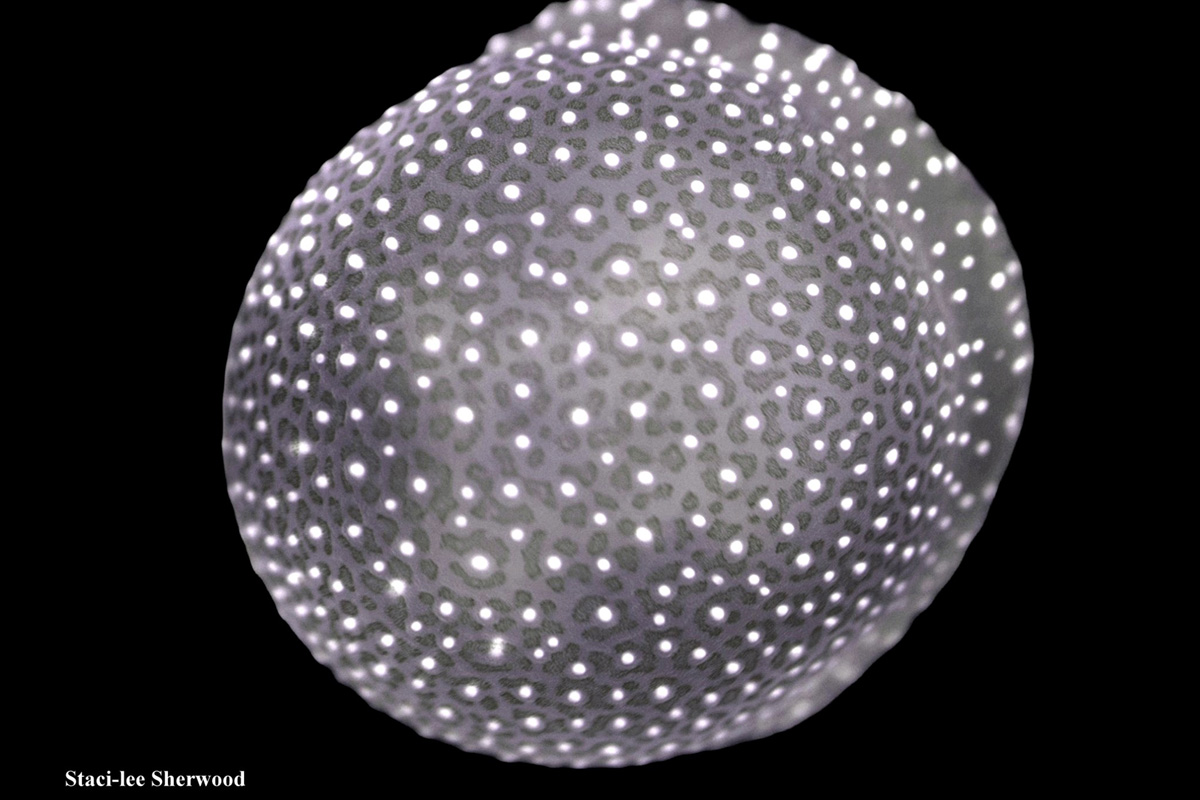
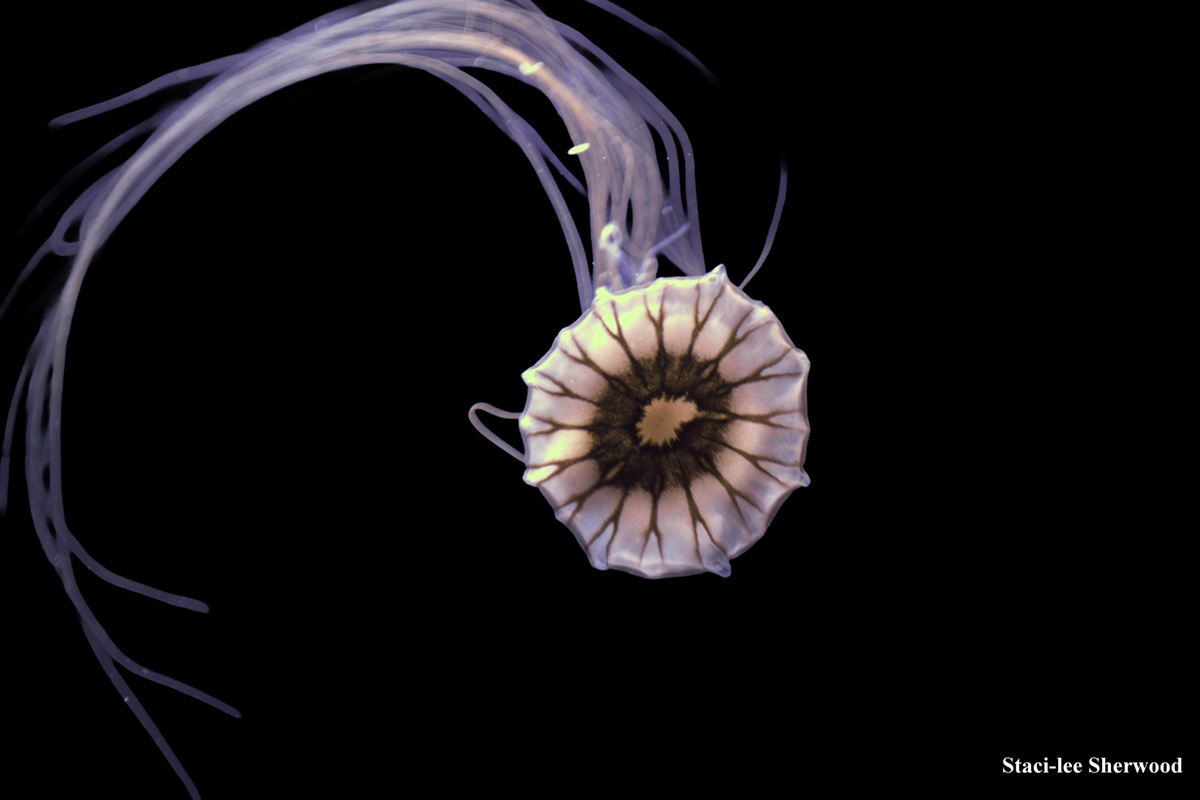
The Flame Jellyfish is one of the more striking species. They have a mild sting and feed on microscopic marine life. They can grow up to 27 inches in length. They’re often consumed in China and sometimes used in Traditional Chinese Medicine (TCM). Their native range is the Pacific Ocean.
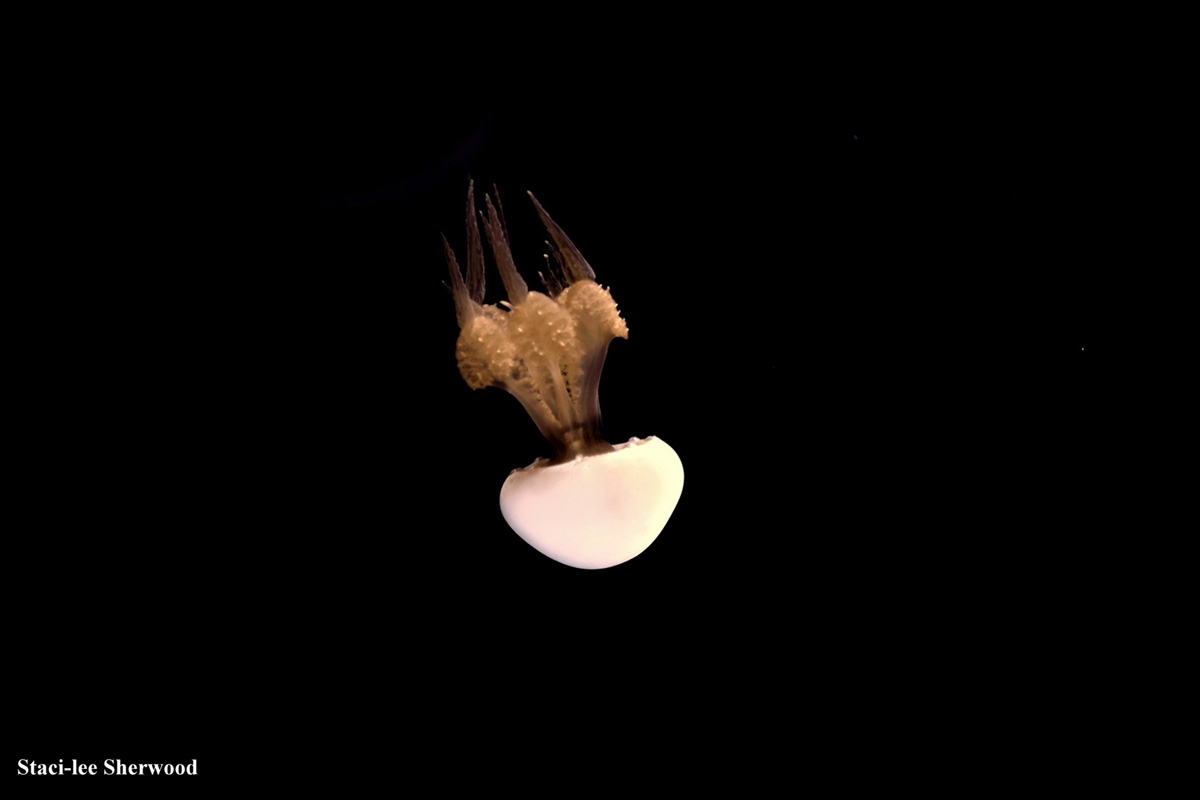
The Japanese Sea Nettle can grow up to a 7 feet in length making them one of the largest Jellyfish species. They mostly feed on copepods, plankton, small fish and other Jellyfish but are opportunistic hunters feeding on anything available. This species is a prime food source for Sea Turtles, Sunfish and Tuna. They have a mild sting. Their native range is the Pacific Ocean mostly near Japan.

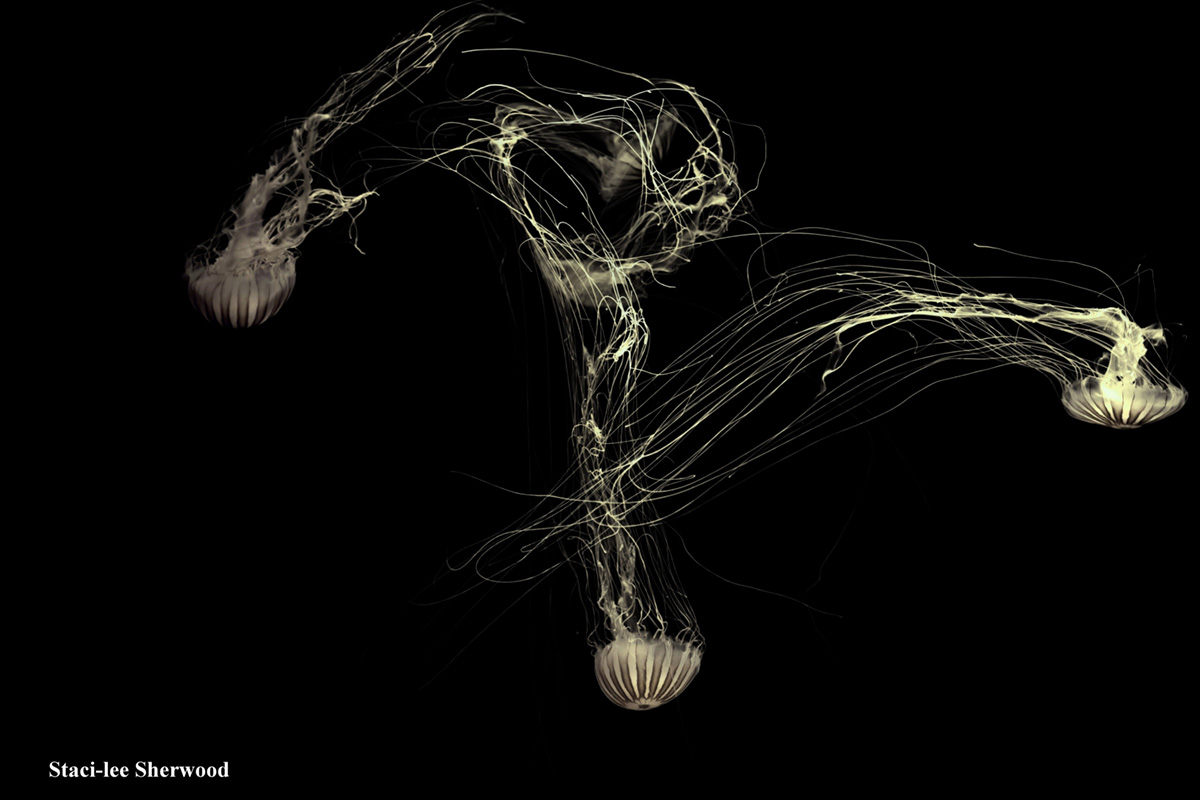
The Northern Sea Nettle is larger than the Japanese Sea Nettle. They feed on copepods, small fish, large zooplankton and other Jellyfish. They can grow to over 10 feet in length and has a mild sting. Their native range is the Pacific and Arctic Oceans.
What Jellyfish populations mean for the ocean’s long term health
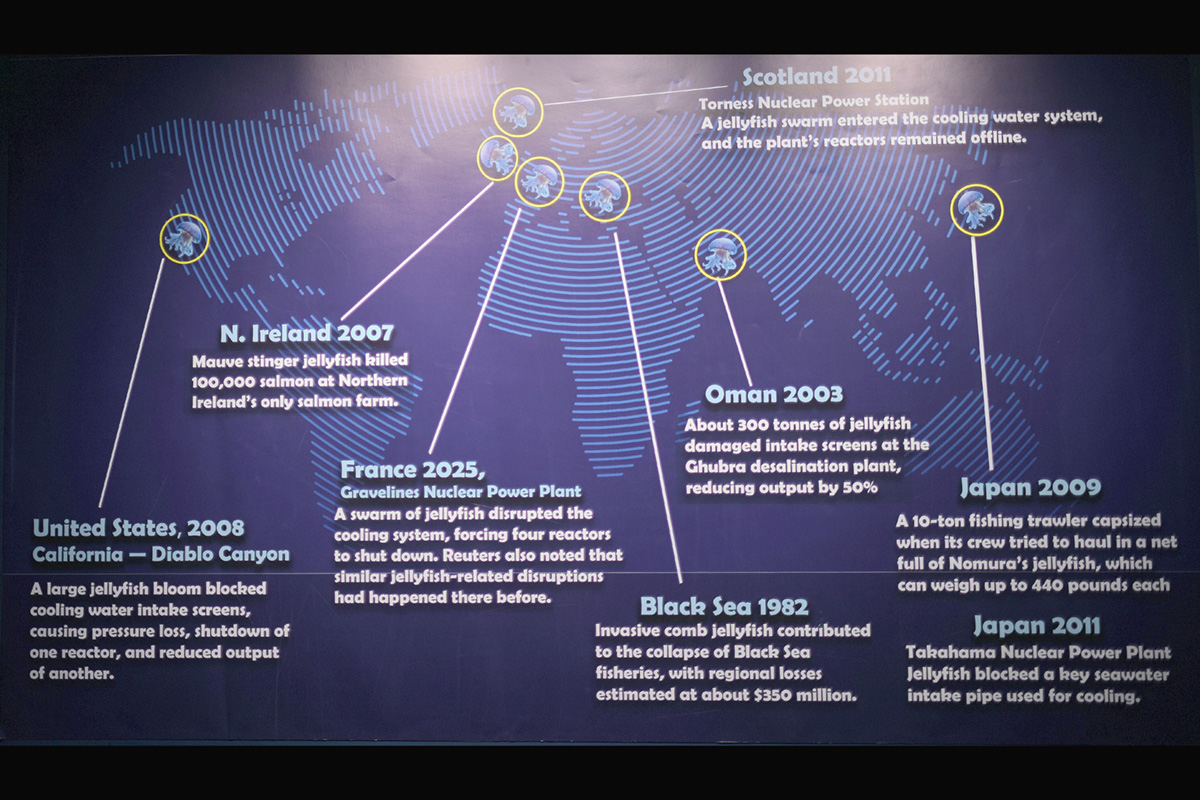
How Jellyfish populations impact the oceans depends on the species. The Australian Spotted Jellyfish is invasive in many waters, like the Gulf of Mexico. They travel in large swarms and have the ability to consume all the plankton in 65 cubic yards of water in a single day, according to the Texas Invasive Species Institute. This can have long lasting even permanent negative consequences for a balanced ecosystem. Other species like the Comb Jellyfish collapsed fisheries in the Black Sea. Species known to grow to several hundred pounds with a bell cap of several feet wide have been known to clog fishing nets, capsize boats even disrupt cooling systems. Ireland had its Salmon farm decimated by a large swarm.
Long-term research in Japan shows that Jellyfish blooms used to happen about every 40 years, but since 2000 they happen yearly. The blooms seem to originate in Chinese water where overfishing is prevalent. Since the 1990s Jellyfish numbers have increased in the Bering Sea, indicating a shift in the oceans ecosystems.
As the ocean warms many natural predators of Jellyfish are dying off. This leads an ever widening gap for Jellyfish populations to explode and they have enjoyed a boom in recent years. Over the years massive blooms have wrecked havoc on an ever increasing fragile ecosystem. This is not something that will correct itself on its own. Human impact has caused great damage from warming waters to pollution and toxic overload in marine life.
Unless we change our destructive ways the large blooms will continue to worsen. That can only spell disaster for the entire ocean ecosystem so out of balance now.
This chart shows some of the more notable human impacts of large blooms
To learn more about Jellyfish click here
To report a sighting click here to fill out their form
https://jellywatch.org/node/add/new_sighting