Master Underwater Video: The RAID Action Camera Course with Jeff Goodman (Part 2 of 9)
Over the coming weeks, Jeff Goodman shares in part some key sections from his RAID Action Camera Video Course. Jeff has selected 9 extracts from the Underwater Video Course which will be published here at Scubaverse.com.
Part 2: Camera Equipment
Unlike SLR or dedicated video models, the action cameras are far easier to choose and understand. A very basic rule is that you get what you pay for. Top of the line cameras may cost you around £550 where as a lower end model may come in at £50-£100 and do the required job well enough.
Let’s look at the basic requirements and discuss additional features which will make your video life far easier and rewarding.
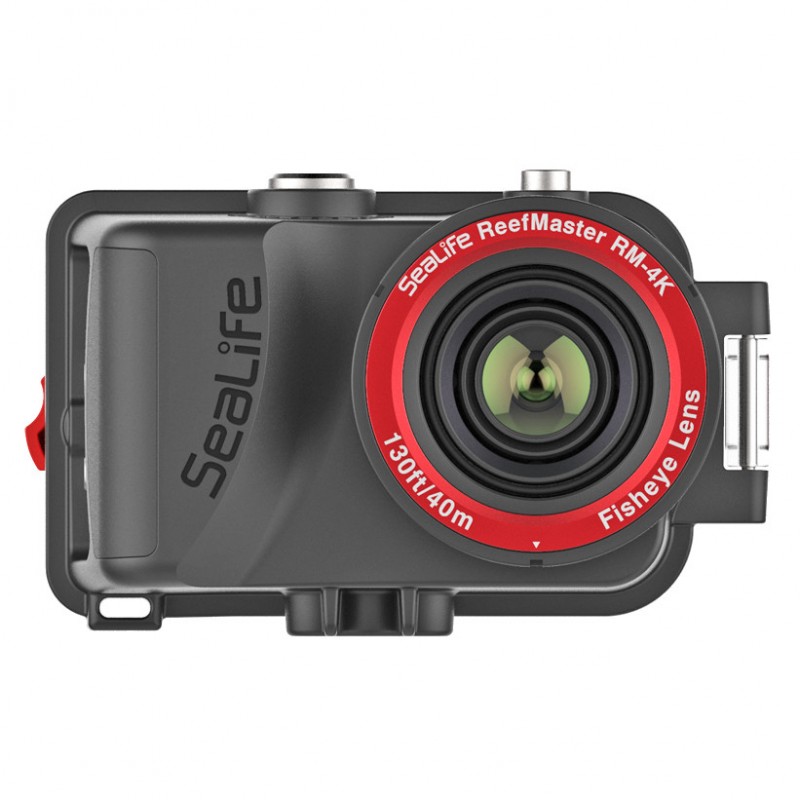
Choosing a Camera
One of the joys of action cameras is that they can produce excellent quality results in their full automatic mode even if you have no prior knowledge about video or photography. Other than the positioning or mounting of the camera there seems to be very little else for you to do except press ‘record’ and later, ‘stop’. This does put the camera and the technicians who created it, in full control of how it shoots the scene or action you are filming. The camera is making the decisions for you.
These cameras are remarkably clever, but alas not intelligent enough to know what it is exactly you are trying to achieve. So with just a little extra knowledge you will be able to take control of the camera settings and create video and photos much more to your own design.
Depth Rating and Construction
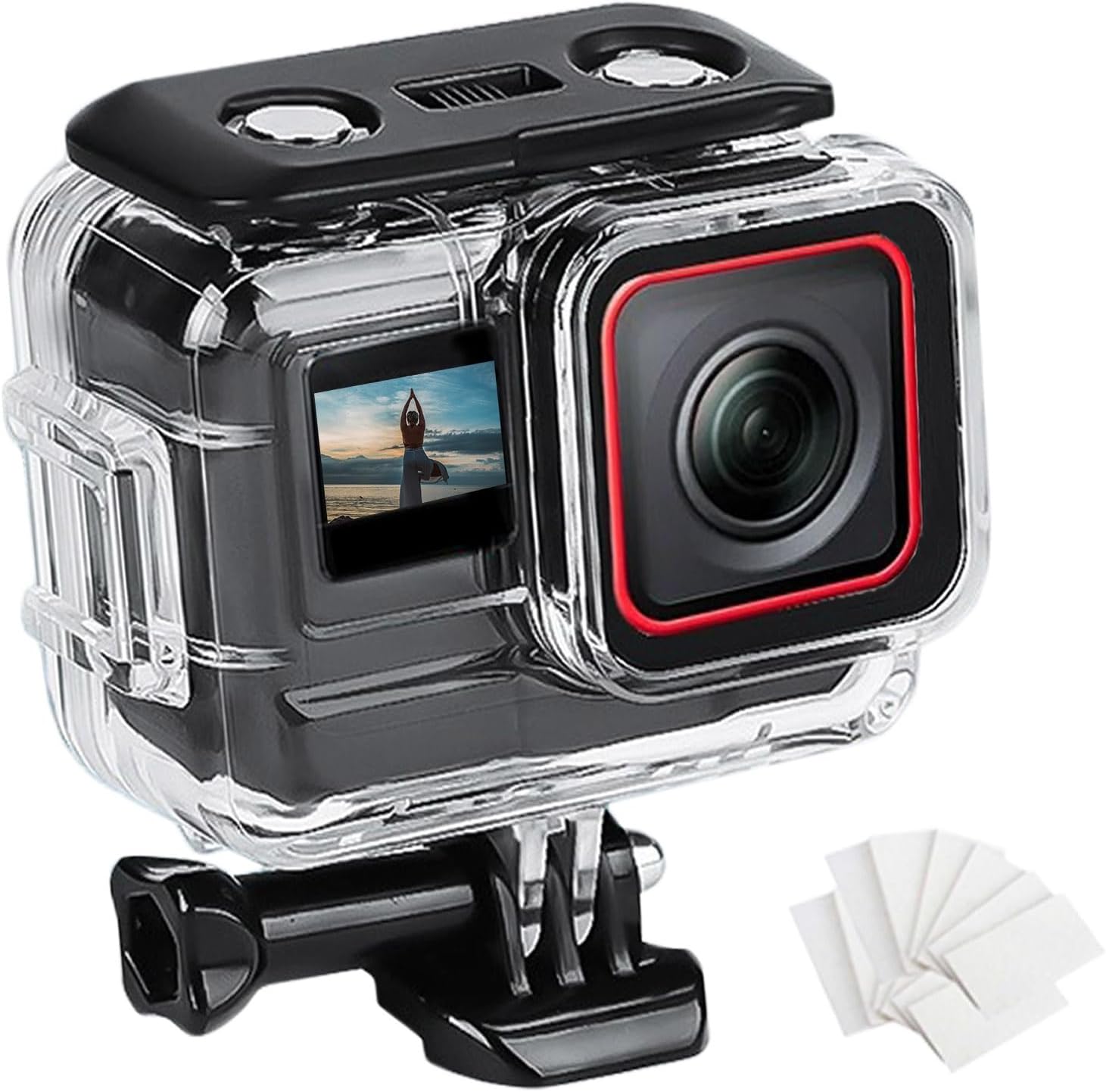
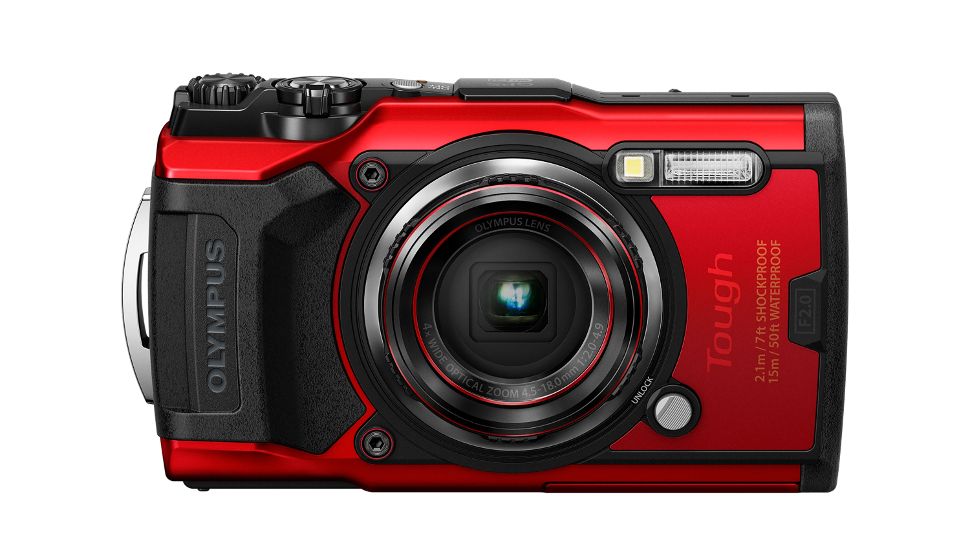
Not all action cameras on the market are suitable for diving. Some are just designed to be water resistant, which is good for wet conditions such as skiing, cycling or canoeing. Others may only be waterproof down to a depth of 10 meters which is good for snorkelling or surfing. Be sure you pick a camera, or camera and housing, that has a good depth rating for your diving requirements. Most are guaranteed down to depths of 30 meters or more, but do be sure.
Then take a good look at how the housing seals are made and function. Are the closing clips flimsy or substantial and well made? Same applies to the hinges.
If it is a waterproof camera with no housing then make sure you are happy with the reliability and construction of the memory card and battery compartment.
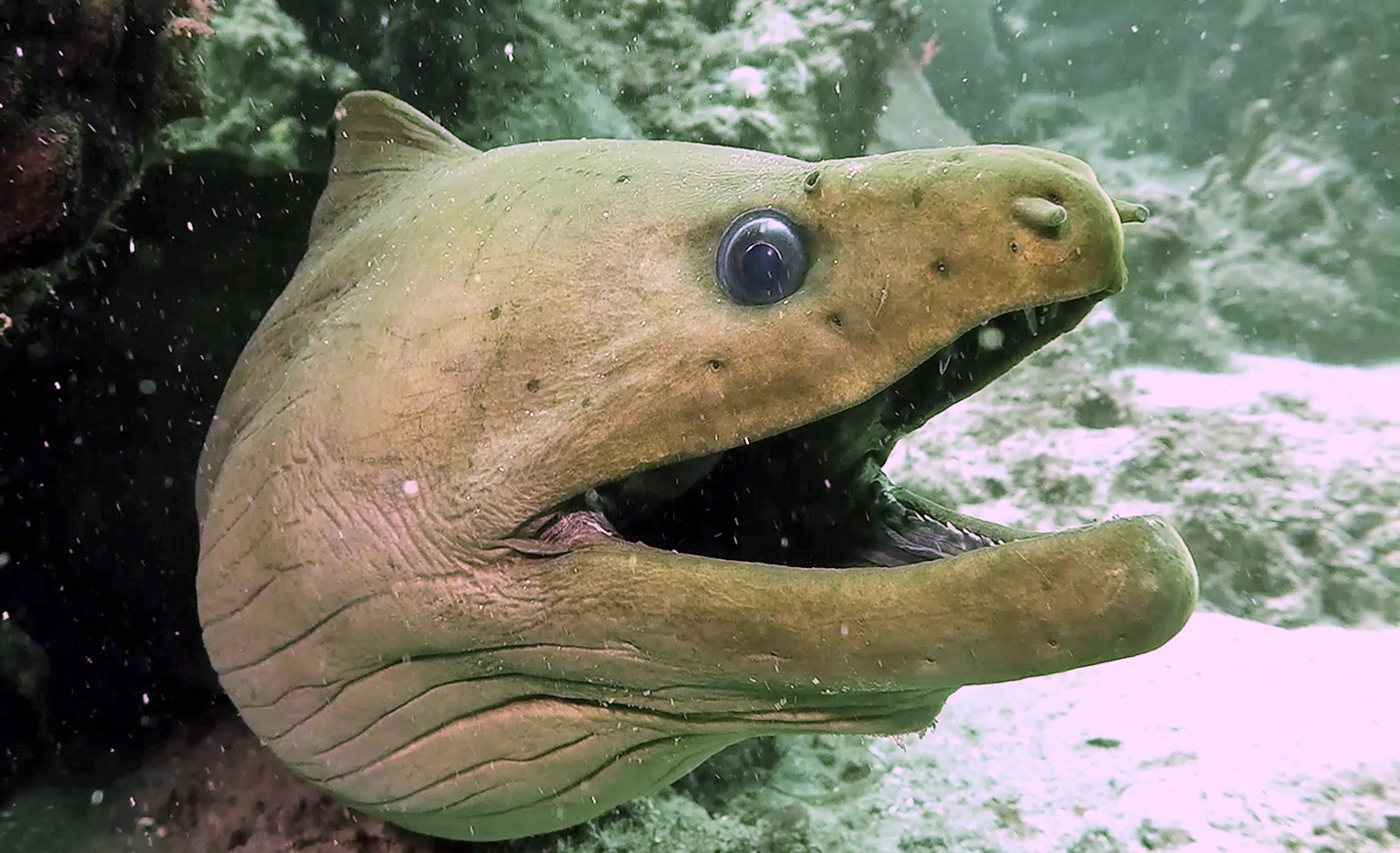
Camera and Housing Accessories
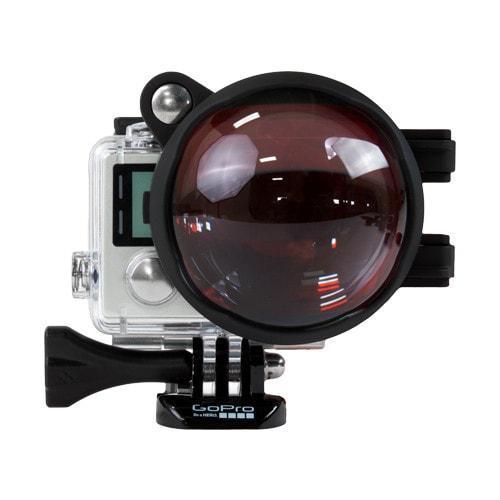 Most action cameras are based around a wide angle lens so as to be sure of capturing the action and getting everything in frame. Wide angle lenses are very good for underwater filming but there will no doubt come a time when you will want to explore the possibilities of close up and macro shots. Some cameras such as the GoPro give three options of lens coverage in the menu. Wide angle, medium and narrow field of view. But even the narrow field of view will not give a sufficient close up and macro image. It is more telephoto than macro. An alternative option is to add a dioptre (close-up lens) to the front of the camera. These are basically glorified magnifying glasses. Be sure these are available for the model of camera you are looking at.
Next Time: Underwater Lighting
Find the full course at diveraid.com/action-camera.