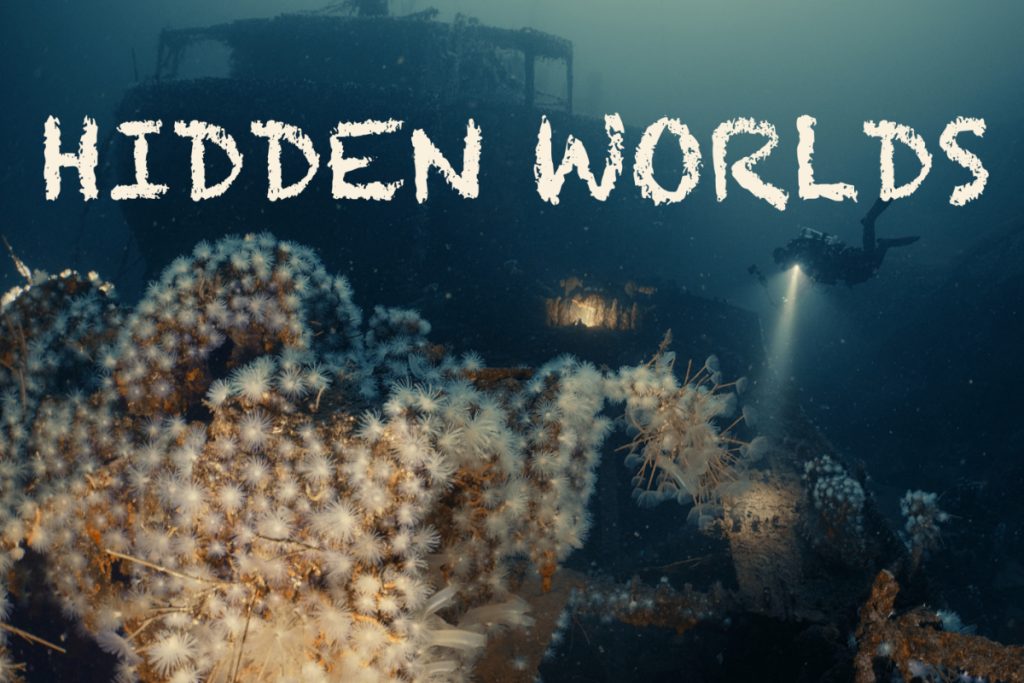
Mission To Survey Shipwrecks Lost During ‘Operation Dynamo’ –The Evacuation Of Allied Troops From Dunkirk In 1940

- Drassm in partnership with Historic England, is aiming to locate shipwrecks lost during Operation Dynamo lying in French waters
- High-tech geophysical survey equipment will be used from 25 September to 13 October 2023 to examine more than 30 vessels sunk during the evacuation
- Taking place over nine days during the Second World War (26 May – 4 Jun 1940), more than 338,000 Allied soldiers were rescued by sea from Dunkirk in the north of France
A research project to detect and identify undiscovered shipwrecks lost during the rescue of 338,226 Allied troops from Dunkirk in France during ‘Operation Dynamo’ in May/June 1940 is being launched by Drassm – France’s Department of Underwater Archaeological Research – in partnership with Historic England, the public body responsible for England’s heritage.
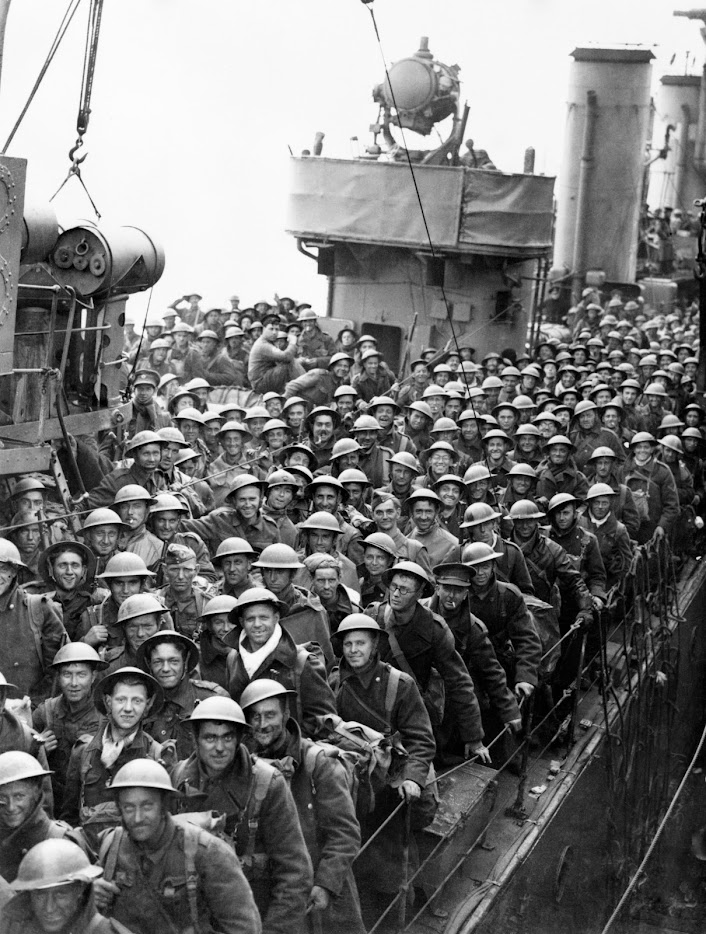
Operation Dynamo was a key event in the early stages of the Second World War. It involved the evacuation across the English Channel of 338,226 Allied soldiers who were surrounded by the German army. From 26 May to 4 June 1940, military, transport, fishing and service vessels, as well as pleasure craft, were used to carry out this operation. Over a thousand ships – flying British, French, Belgian, Dutch, Polish, Danish, Norwegian and Swedish flags – were involved in the nine days and nights of the evacuation.
Duncan Wilson, Chief Executive of Historic England, said:
“The evacuation from Dunkirk marked a critical point in the history of the Second World War. We are honoured to have been invited by the French marine heritage agency, Drassm, to join their investigation of ships sunk in those desperate days. These wrecks are a physical legacy to Operation Dynamo and all those it affected, including many who did not reach safety.”
New archaeological research to locate lost shipwrecks sunk in Operation Dynamo
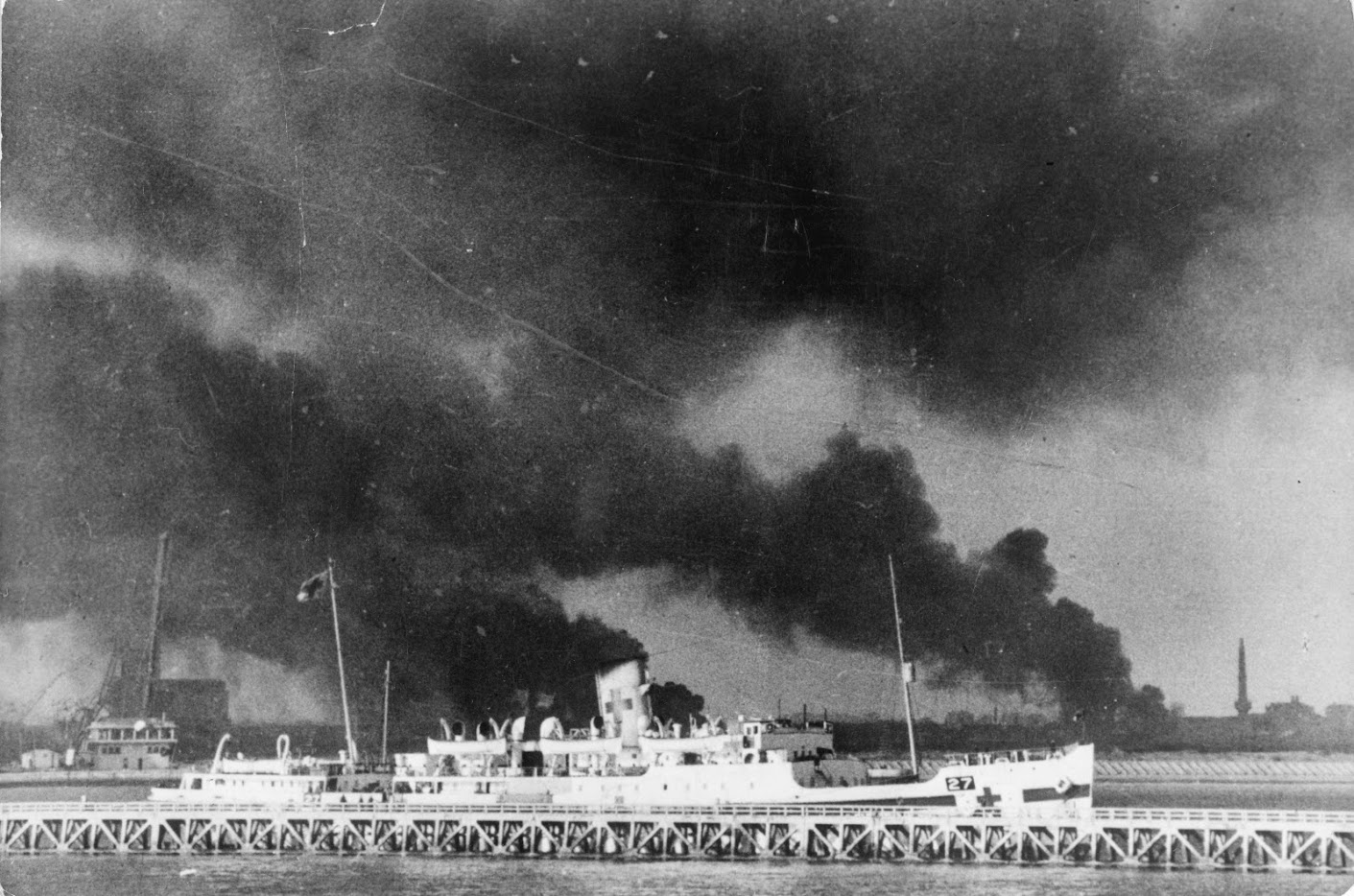
More than 305 vessels were lost during Operation Dynamo. Research in 2021-2023 by Claire Destanque (Aix-Marseille University) has revealed new information about the location and condition of these wrecks. Thirty seven wrecks linked to Operation Dynamo have already been located in French waters, in particular by divers from Dunkirk and the surrounding area. A further 31 vessels are believed to have been lost in the area but have yet to be located.
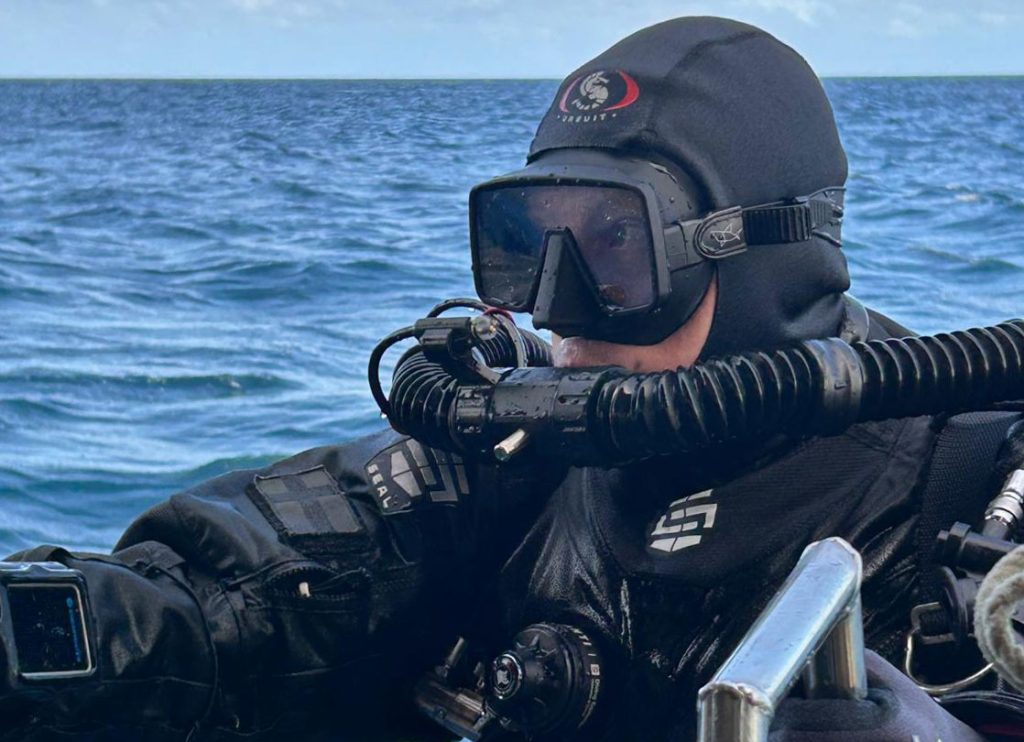
The 2023 campaign will search for these undiscovered wrecks and document the sites that are already known using geophysical survey equipment (multibeam echosounder, side scan sonar and magnetometer). This study, which will be followed by diving surveys in 2024, will provide an overall view of this heritage and enable the introduction of conservation and public engagement strategies.
The operation is being led by Drassm (operation managers Cécile Sauvage and Claire Destanque, archaeologists). It will be conducted from the André Malraux, a DRASSM research vessel captained by Fabien Géreux (Bourbon Offshore Surf). The campaign will involve geophysicists from DRASSM and Historic England.

This mission is the first collaboration between Drassm and Historic England. The initial results of this research will be shared with the public at events organised from 13 to 15 October in partnership with the Communauté Urbaine de Dunkerque.
Why this research is important
This campaign by Drassm and Historic England is a unique opportunity to:
- Expand historical and scientific knowledge on both sides of the Channel about Operation Dynamo and the maritime dimension of the evacuation;
- Enrich the content of the Dunkirk War Museum (data, photos, videos, etc.), in particular the future permanent exhibition at the Maison d’Accueil du Grande Site at the Ferme Nord in Zuydcoote;
Inform discussions about a memorial for the Allied soldiers and seafarers who died at sea during Operation Dynamo.
About Historic England
We are Historic England the public body that helps people care for, enjoy and celebrate England’s spectacular historic environment, from beaches and battlefields to parks and pie shops. We protect, champion and save the places that define who we are where we’ve come from as a nation. We care passionately about the stories they tell, the ideas they represent and the people who live, work and play among them. Working with communities and specialists we share our passion, knowledge and skills to inspire interest, care and conservation, so everyone can keep enjoying and looking after the history that surrounds us all.