New report highlights actions on how UK Government can save a dolphin a day

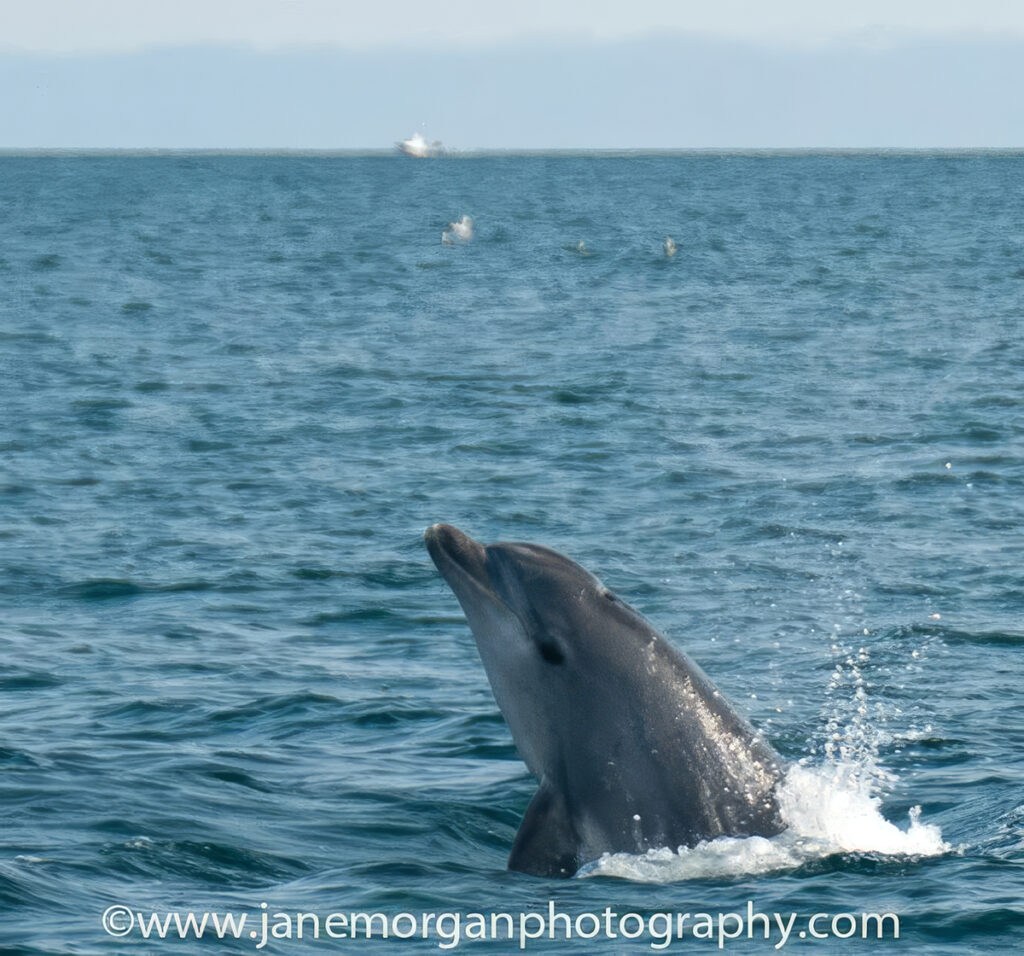
Whale and Dolphin Conservation (WDC) has launched a campaign to stop around a thousand whales, dolphins and porpoises dying in nets and other fishing gear each year, a new report issued today from experts at WDC and co-sponsor of the study HSI (Humane Society International), outlines action the UK and devolved Governments can take now to lead the world on preventing bycatch post Brexit and save a dolphin a day suffering death by suffocation.
Based on recent figures, it is estimated that around 1,000 porpoises, hundreds of dolphins and tens of whales suffer and die in UK fishing gear in waters around the coast every year. WDC’s campaign seeks to highlight that urgent action is needed and is critical in particular for populations such as the harbour porpoise in the Celtic Sea and English Channel, humpback and minke whales in Scottish waters, and common dolphin populations in the Bay of Biscay, and Celtic Sea.
Whilst the EU drags its heels on tackling this matter, the new report – https://uk.whales.org/wp-content/uploads/sites/6/2021/02/cetacean-bycatch-uk-fisheries-problems-solutions.pdf – sets out a range of solutions that the Government and the fishing industry could adopt to reverse the death toll in UK waters and elevate the UK to the world leader in tackling this horrific and unnecessary issue.
Implementing the recommendations in the report now could help to reduce the death rate by the end of 2023 so that bycatch incidents involving marine mammals are all but eradicated (reduced to the occasional accident) by 2030.
WDC’s campaign encourages the UK and devolved Governments to adopt measures to reduce bycatch and increase independent at sea monitoring on fishing vessels by the end of 2021 to track progress. A key action is to start to phase out gill nets (which cause the most deaths) in UK waters, so that alternatives are found for those fisheries with the highest levels of bycatch by 2026.
Bycatch in fisheries is the biggest single killer of whales and dolphins worldwide with several species now close to extinction as a result. Effective solutions developed for UK fisheries could also be used to address the problem elsewhere.
Sarah Dolman, WDCs Bycatch programme lead, said: “No one wants to catch dolphins, porpoises and whales. But bycatch has continued much the same for decades and the research highlights some effective solutions. Now is the time to take action. The Fisheries Act 2020 requires the UK to ‘minimise and where possible eliminate’ dolphin, porpoise and whale bycatch. The UK and devolved governments can fulfil this legal obligation and show global leadership by implementing fleet-wide solutions at sea that will prevent individual dolphins, porpoises and whales suffering, save lives, as well as providing confidence to consumers and the wider public and so benefit fishers.”
Claire Bass, executive director of Humane Society International UK, said: “The seas around the UK are like an assault course for marine mammals, causing largely unseen suffering and death. We would like to see government work with the fishing industry on a plan to phase out fishing gears that are known to be whale, dolphin and porpoise death traps, such as gillnets. Monitoring and reporting of bycatch must also be stepped up, so that timely and effective changes can be put in place to deal with gear or location hotspots. A growing proportion of consumers expect transparency and responsibility in food production, and we fully support WDC’s new campaign to ensure that the suffering caused by the fishing industry will not remain ‘out of sight, out of mind’.”
Russell Leaper, scientist who wrote the report, said: “Good fisheries management involves preventing bycatch. With the changes that are happening in UK fisheries management, there is a real opportunity to make this happen. The best way to do this is by moving away from fishing methods that are the highest risk to our cetaceans.”
For more information about WDC visit their website by clicking here.
Photo Credit: Whale and Dolphin Conservation