UN Agreement gives ships lost in World War One greater protection

Many thousands of sailors and merchant navy personnel lost their lives in the Great War, and now the huge number of ships sunk in the conflict are to be offered increased protection under a UN agreement.
Many of these wrecks are currently threatened by salvage operations, deliberate destruction and looting.
But experts from 36 states meeting in Belgium have been hearing how the Unesco Convention on the Protection of Underwater Cultural Heritage will increase safeguards.
Introduced in 2001, the convention only applies to ships sunk at least 100 years ago.
With the centenary of World War One imminent, the agreement is soon to be extended to thousands of sites.
“It makes a real legal difference,” said Ulrike Guerin, of Unesco.
“It prevents the pillaging, which is happening on a very large scale. It prevents the commercial exploitation, the scrap metal recovery, and it will have regulations on the incidental impacts, such as the problem of trawlers going over World War One sites.”
The naval losses suffered by the belligerents during World War One pale in comparison with the suffering in the trenches.
However, there were a number of large-scale engagements, including the Battle of Jutland and at Gallipoli.
The locations of many of the wrecks of these ships are known and have proved popular with recreational divers but also with commercial salvage companies.
The issue of dismemberment for salvage has become a major problem, especially as the price of metals has increased in recent years.
In 2011, the remains of three British cruisers which were sunk in 1914 were dismantled by Dutch ships.
HMS Aboukir, HMS Hogue and HMS Cressy went down with the loss of 1,500 lives, but the remains of the ships were destroyed for the copper and bronze they contained.
The Netherlands is said to be close to signing the convention and that would help prevent this type of action in the future.
However, the increase in the number of sites that signatories of the convention will soon become responsible for raises concerns about resources.
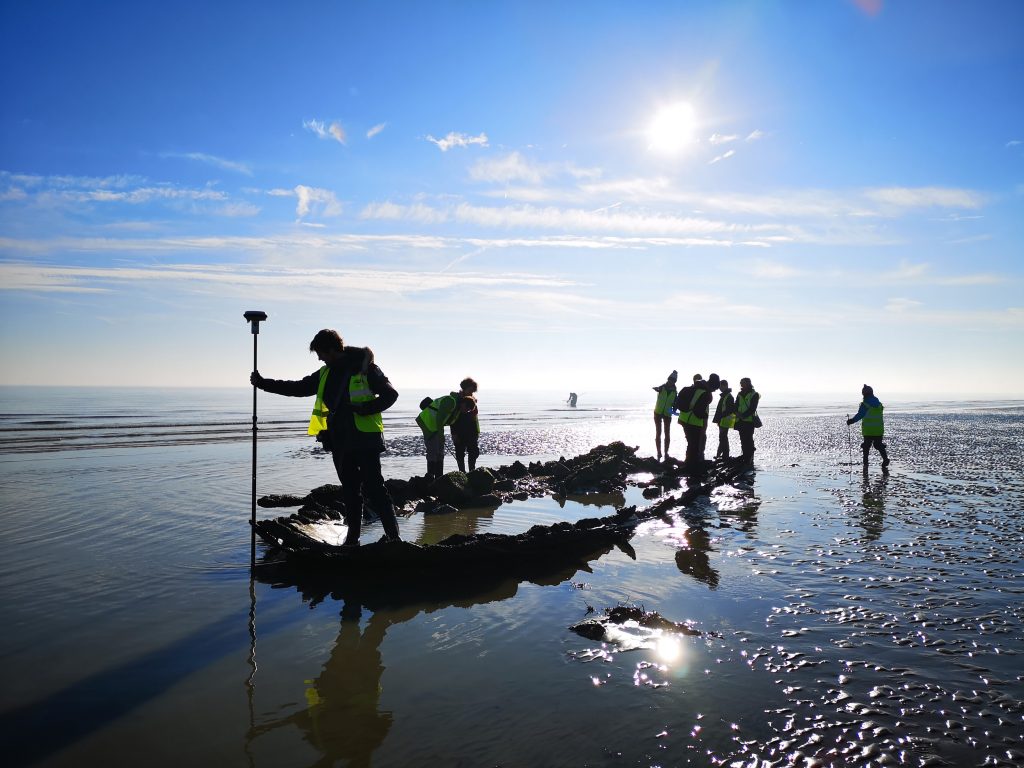
“The heritage managers of countries like France and Belgium and the rest are now staring down the barrel of a major headache,” said Dr Innes McCartney, who has led six research expeditions to the wrecks from the Battle of Jutland.
“There are war graves in the English Channel that in the past few weeks have been subject to salvage, within sight of land. This issue is ongoing. If you want to stop it, it’s a matter of resource. Mouth is one thing but money is what makes the difference.”
While Britain has not signed the convention, the government has taken the view that it will observe the spirit of the agreement.
The researchers also want to compile a global inventory of ships lost in the war and carry out investigations on erosion. Apart from these steps, the scientists say the biggest issue is education.
“The very fact that there were twice as many merchant ships sunk in World War One than World War Two is a statistical fact that the vast majority of the public have no cognisance of,” said Dr McCartney.
“One of the challenges is to show people what is there and that it is very much part of their cultural history and legacy.”
Source: www.bbc.co.uk/news