The Sunken Kingdom of Alexandria: Egypt’s Most Extraordinary Dive

Fringed by the rolling blue of the Mediterranean and steeped in myth and legend, Alexandria is usually celebrated for its ancient lighthouse, classical ruins and storied past. But slip beneath the surface just offshore, and you enter a completely different realm — one of the most surreal and adventurous dives on Earth.

Here, in the silty shallows of Abu Qir Bay and around the city’s eastern harbour, entire sections of the ancient world lie scattered across the seabed. Colossal statues, temple blocks, sphinxes and harbour walls rest where they fell centuries ago — creating a dive experience that feels less like observation and more like discovery.

Alexandria isn’t about coral reefs or tropical fish. This is archaeology diving in its rawest form — high-atmosphere, dimly veiled and utterly unique.
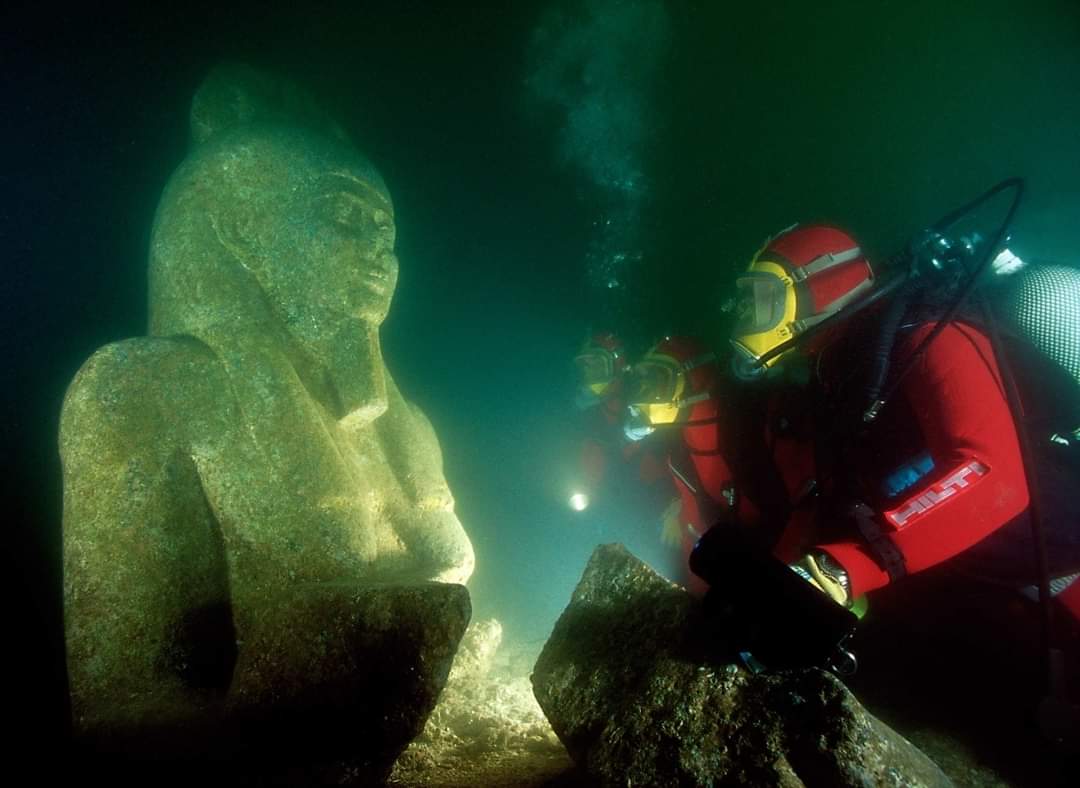
Most sites lie in shallow water, typically between 5 and 15 metres, making them accessible to divers of all experience levels. Yet what they lack in depth, they more than compensate for in sheer scale. One moment you’re finning over muted sand; the next, the outline of a massive statue appears through the haze, its granite features emerging like a ghost from antiquity.

In Abu Qir Bay, divers explore the submerged remains of Thonis-Heracleion — once Egypt’s principal Mediterranean port before Alexandria existed. The seabed here is littered with toppled columns, temple foundations, canals and scattered amphorae fields, giving the uncanny sense of hovering above a drowned city grid.

Closer to the modern shoreline, Alexandria’s own ancient royal quarter lies underwater near the former island of Antirhodos, where Cleopatra’s palace once stood. Divers can drift over sphinxes, pavements and architectural fragments from the Ptolemaic era, all now softened by centuries beneath the sea.

This is not Red Sea diving — and that’s exactly why it’s so compelling.
Visibility can range from just a few metres to around 10 metres on a good day, thanks to Nile sediments suspended in the water column. But rather than distracting from the experience, the murky green water amplifies the sense of mystery and discovery. Sites reveal themselves slowly, often at the last moment, turning every dive into a genuine exploration.

Navigation tends to be close-range and deliberate, with divers moving carefully over fragile structures and artefacts. Good buoyancy control is essential — both to protect the site and to avoid disturbing silt that can quickly reduce visibility to near zero.

The reward is an atmosphere unlike anywhere else: torch beams sweeping across carved stone, ancient blocks looming suddenly from the gloom, and the eerie quiet of a place untouched by sunlight for more than a millennium.

What makes Alexandria truly special is that much of what you see remains exactly where it fell. These aren’t reconstructed ruins or artefacts moved for display — they are original structures lying in situ across the seabed.

Massive statues several metres tall rest beside temple walls; harbour installations and quay stones still trace the outline of ancient waterfronts. In places, you can follow submerged streets and canals, their alignments still visible beneath thin layers of sediment.

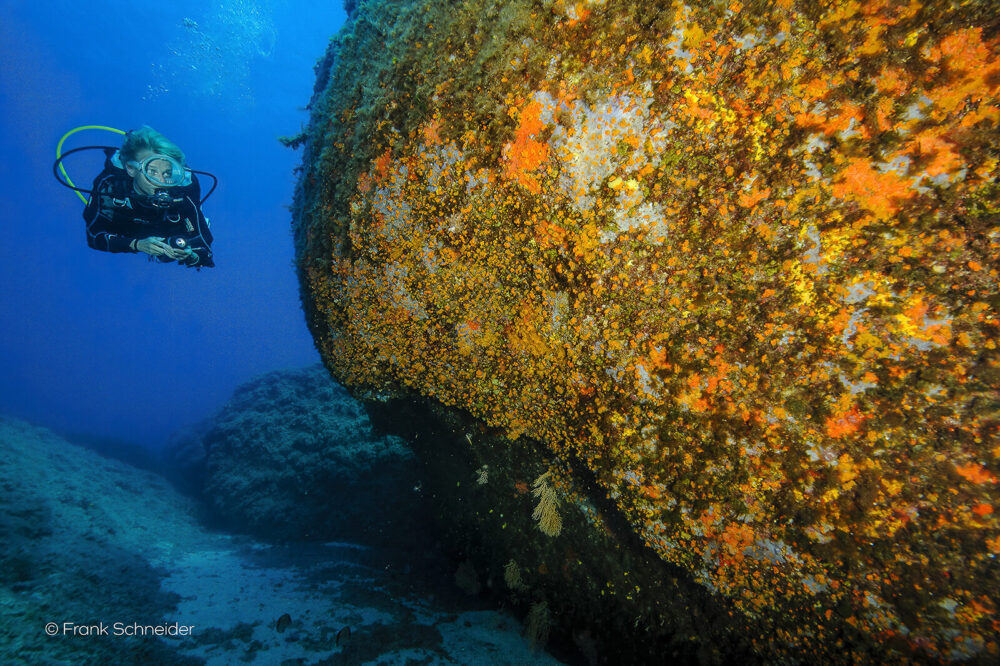
Marine life has claimed the ruins too. Sponges, algae and small Mediterranean fish now coat statues and columns, adding texture and colour to the stone — a fusion of nature and history that gives every dive a timeless feel.

Who it’s for
Alexandria diving isn’t about adrenaline or pristine reefs — it’s about curiosity, atmosphere and the thrill of discovery. It appeals especially to experienced divers, underwater photographers and anyone fascinated by history or exploration.

Conditions can be changeable, and dives are typically conducted with local operators familiar with permits and protected-site regulations. But for those willing to trade visibility for wonder, the payoff is extraordinary.
There are few places on Earth where you can fin past the face of a pharaoh-era statue, trace the outline of a vanished harbour, or hover above the ruins of a civilisation swallowed by the sea.

The ultimate historical adventure dive
Egypt’s Red Sea may be world-famous for reefs and wrecks, but Alexandria offers something rarer still: the chance to dive a lost world.
Every descent feels like entering myth; a silent city of stone emerging from green water, where history isn’t displayed behind glass but scattered across the seabed beneath your fins.
It’s challenging, haunting and unforgettable.
It’s diving Atlantis… for real.

Discover more at www.experienceegypt.eg/en/city/27/alexandria-.