The best dive spots in Australia

Australia has some of the most widely acclaimed top diving spots on the planet. This is partly due to the stunning and diverse underwater habitats available in this country. Whether it is a coral reef, old shipwreck, or underwater cave, you will see amazing sea life and uncommon aquatic plants and animal species. Here are some of the best places to dive and explore life under the sea in Australia:
Kangaroo Island
Kangaroo Island, located in South Australia, offers cool waters and is the home of the leafy sea dragon. Other creatures found here include a variety of sponges (white, orange and red), diverse kinds of fish such as boar fish, coral fish, harlequins, and blue devils. This is also one of the very few places where you can find a combination of fur seals from New Zealand and the Australian sea lion. The sea lions are extremely playful, friendly and entertaining underwater creatures. Bear in mind that the leafy sea dragon is quite shy, so you should not move too close to it if you want to enjoy its colourful displays.
Byron Bay
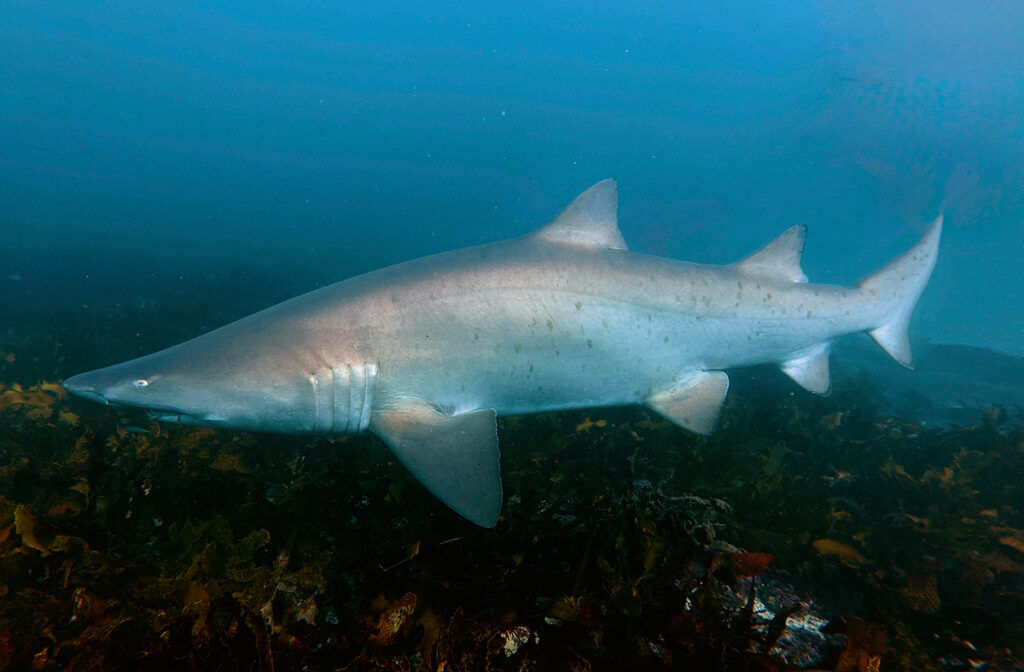
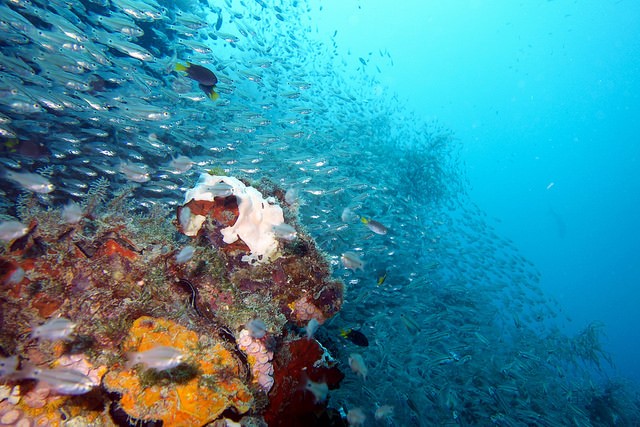
At Byron Bay, the cooler waters of the south meet with warm tropical water from the northern part of the country. There are two small islands encompassed by a marine park called Julian Rocks. At Julian Rocks, new divers can learn the basics of diving while the more experienced divers practice their diving skills. Beneath the water, you will see wobbegong sharks, humpbacks, grey nurses and leopard sharks. You will also see may colourful sponges and corals as well as manta rays, sea stars and turtles. To see the leopard sharks, you should come here in mid-summer and you can also see whales during their annual migration from May to September.
Ningaloo Reef
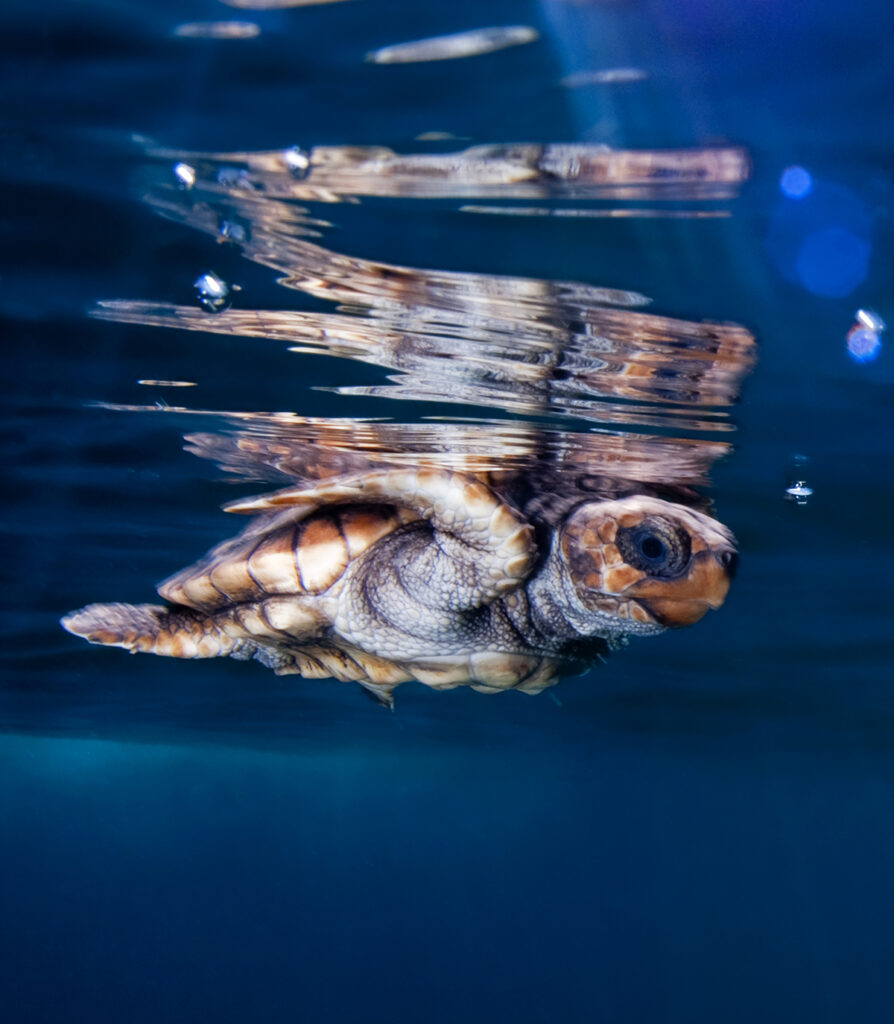
Australia’s largest fringing reef – Ningaloo Reef – is located on the West Coast of the country. This beautiful coral reef stretches for more than 250 kilometres along Northwest Cape. One of the most popular inhabitants of this reef is the whale shark – the world’s biggest fish, which can grow up to 18 metres in length. In addition, you may also see hawksbill and loggerhead turtles, manta rays and humpback whales. To see the whale sharks, you should endeavour to come here between March and June when they draw close to the reef in search of food.
Great Barrier Reef
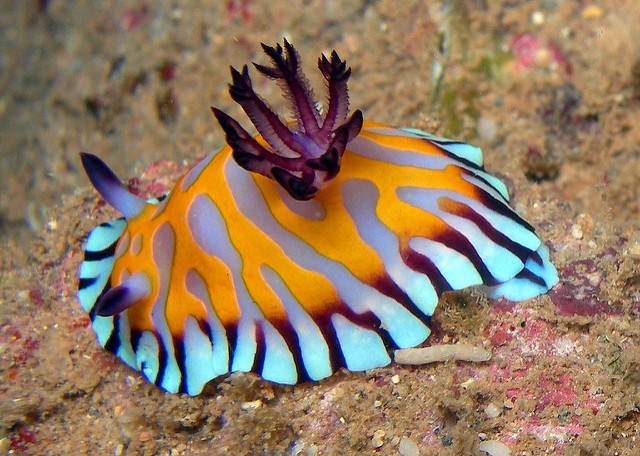
The Great Barrier Reef is one of the most popular dive sites in Australia and indeed the entire world. Renowned as the world’s largest reef system (even visible from outer space), this expansive system has several popular dive spots including Lizard Island in the northern part and Heron Island and Osprey Reef in the south. If you dive at Cod Hole on Lizard Island, where beginners love to dive, you can see white tip reef sharks, giant clams, potato cods, feather stars and manta rays.
Off the coast of Heron Island in the southern part of the Great Barrier Reef, you may take a brief ride from the jetty and gain access to about 30 popular dive spots including the Blue Pools, Heron Bommie and the Coral Cascades. Underneath the water, you will have a chance to see some stunning coral banks, tunnels and overhangs as well as turtles, octopus, moray eels, parrot fish and wobbegong sharks.
Yongala Shipwreck
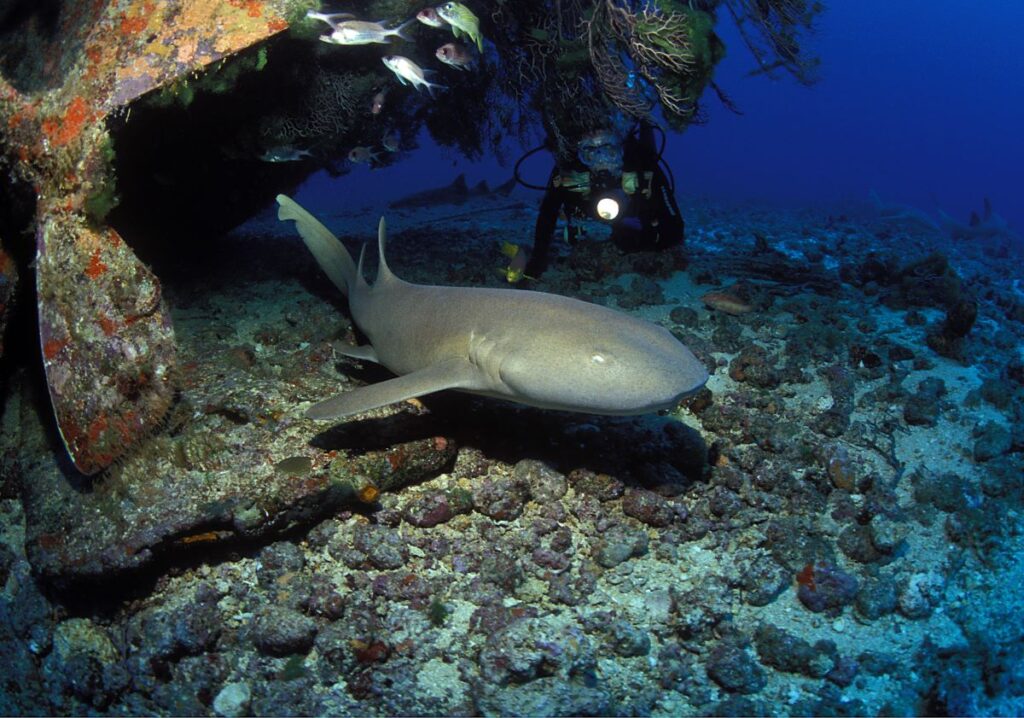
The SS Yongala was caught up in a cyclone over a century ago in 1911. Over 120 people died on the shipwreck at that time. But today, this shipwreck has become one of the most popular diving spots on earth. Located about 90 kilometres south of Townsville, you can see how bustling marine life has transformed this shipwreck into a unique habitat for various species of aquatic plants and animals. For instance, you will see extremely bright coral species, many snakes, eels, clown fish, sharks, turtles, and potato cod. In the winter months, you can spot humpback whales and manta rays while in summer you will see a large school of bait fish. Virtually every diver who comes here wants to return to explore this amazing dive site again.
Conclusion
These are just a few of the unique dive spots in Australia. All around the continent from the north to the east to the south to the west and then up north again, you can never run out of amazing diving spots.