Sharks: The Oceans Greatest Mystery – Part 3

Sharks are a truly incredible animal that have evolved and shaped themselves to be the perfect predator which, in turn, has shaped our oceans and the animals that live within it. Sharks have existed on our planet for up to 400 million years and throughout that time they have become one of the most numerous top predators on our planet, they have lived through 5 major extinction events when many other species died out. Sharks have been doing something right all this time, but at this very moment sharks are facing a threat that is so powerful that it is literally changing the face of our planet, and that force is Humans, it’s us. Sharks are being killed at an unprecedented rate, a rate of unimaginable scale. Recent studies by scientists have shown that since 1970 we have reduced Shark & Ray populations by a staggering 71%.
What threats do they face?
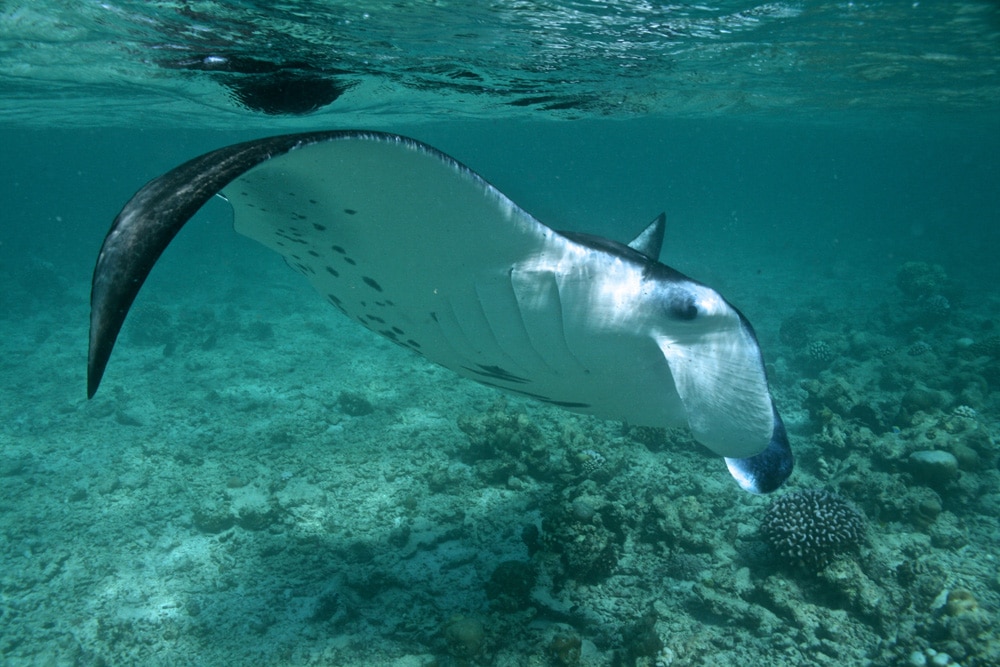
Sharks worldwide are currently dealing with a huge array of issues which is putting the whole group at risk. Sharks are being killed for their Fins, Oil, Teeth/Jaws and other members of the group, such as Manta Ray’s, are killed for their Gill Rakers and wings.
Firstly, let us talk about what is potentially the most inhumane form of animal harvesting, Shark Finning. This is the practice of removing a Sharks Fins, usually whilst the animal is still alive, and then discarding the rest of the animal back into the Ocean. The Shark is usually still alive throughout the whole process and the animal usually dies from drowning or blood loss on the sea floor. Shark fins only account for around 2% of a Sharks average body weight which means that 98% of the animal is merely tossed back into the ocean, 98% of the animal is just simply wasted. Now this begs the question what are Shark fins used for? Well, they are used in an Asian dish known as Shark Fin Soup, now Shark fin is tasteless, which means that the fin only adds mere texture to a Chicken or Pork flavoured broth which further begs the question, why use Shark Fin and not something else to add texture. Well, the soup serves more as a status symbol and it is known as the food of emperors and kings, those who can afford and serve Shark Fin at a banquet or party are revered as wealthy.
Sharks are also harvested for traditional medicine, where it is believed that by ingesting Shark parts such as their cartilage or liver, it can give you a Sharks “magical” powers and abilities. The most common rumour is that Sharks do not get cancer, and by consuming Sharks you can also become immune to cancer. This is of course false; Sharks do in fact get cancer and with recent additions of pollutants and chemicals into the oceans from human activities, sharks get cancer now more than ever, along with a whole host of other ailments. This means that by eating Sharks you are actually more likely to catch illnesses and ailments such as Mercury poisoning, due to the fact that Sharks hold a large quantity of such toxic substances in their bodies.
Aside from Shark finning, they are also at huge risk of becoming caught in nets and on lines as Bycatch, this means that they get caught despite not being the targeted species. For example, Sharks are commonly caught on Tuna hooks or in Tuna nets. Unfortunately, in these instances they tend to not even have their fins removed and, in this case, the whole animal is wasted. The sharks are usually already dead after being brought up due to the amount of time they have sat on hooks and usually die from exhaustion or drowning. Sometimes Sharks are killed in sport fishing tournaments as game fish, where people will go out on Shark fishing days and many Sharks will be killed for the chance of beating a previous record.
Sharks are also at risk of habitat loss, in the same way as Jaguars and Macaws in the Amazon, and Elephants in Asia. Human activities such as fishing, expansion, pollution, mining and Global Warming are all threatening Sharks Habitats. Flapper Skates, which are also known as Common Skates, are now Critically Endangered around the UK due to trawling damaging the egg laying sites for this species. The Bimini Islands, which are famous for the presence of a Lemon Shark Nursery, were in trouble a few years back with plans for demolishing a section of the Mangrove Forest on the island, to make way for a Golf Course. Thankfully it wasn’t successful, but if it was it could have put the Lemon Sharks at extreme risk as this is an area needed for the beginning of the lemon shark’s life cycle.
Another factor putting sharks at risk, is the amount of plastic pollution and pollutants in the water. Plastics can block the digestive system of plankton feeding Sharks and Ray’s such as Whale Sharks and Manta Ray’s, and discarded fishing gear such as nets can entangle up Sharks and other aquatic animals. The amount of fishing being done in the oceans also puts sharks at risk from their food supply disappearing, as humans fish the oceans, we are inadvertently removing the fish stocks that Sharks rely on for their survival.
Sharks & People
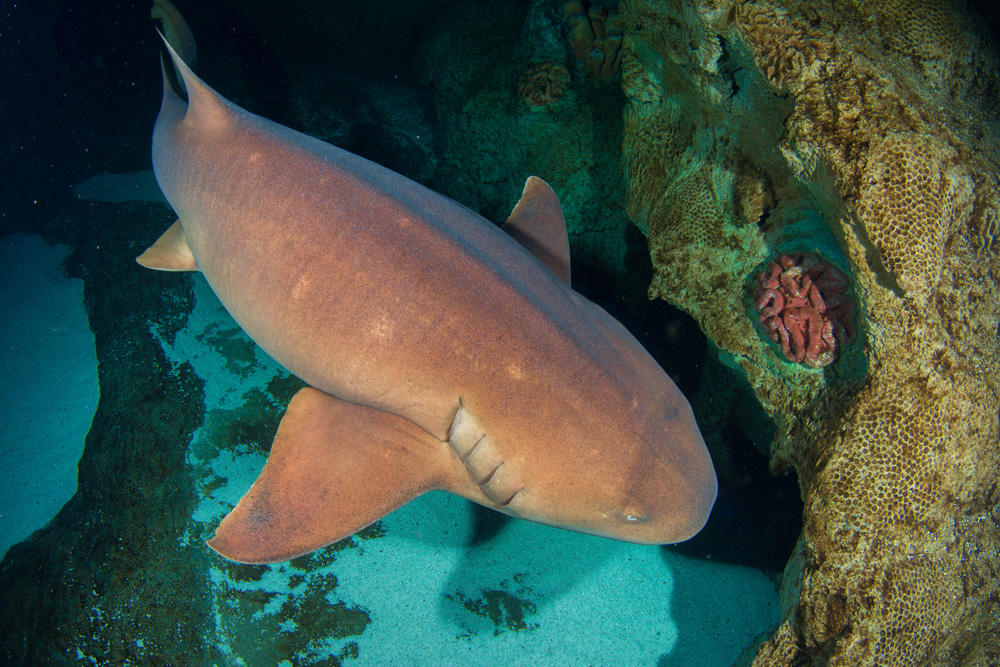
Sharks are an apex predator in the World’s Oceans, and it may seem far-fetched to believe, but we depend on Sharks more than you might think. Let us start with fish, currently 10-12 percent of the world’s population relies on the Ocean’s fish for their diet and survival, and Sharks help to keep fish stocks healthy by eating sick, injured or diseased fish and holding the toxins and diseases in their bodies until they die, this is why Sharks have such a strong immune system. With Sharks hunting these fish, it helps to keep the stocks healthy and means the fish that we catch and eat won’t make us sick.
Sharks also play a vital role in the Planet’s oxygen cycle, the Ocean essentially acts as a giant blue lung taking in Carbon Dioxide from the air, seagrass beds and plankton then absorb the Carbon Dioxide and release it as Oxygen back into the atmosphere. If Sharks were to disappear then other animal stocks would explode out of proportion and eat all of the sea grass and/or plankton and the oxygen cycle would be hindered. An example is, if Tiger Sharks were to disappear, then the Turtle population would rapidly increase, allowing the Turtles to eat all of the Seagrass, which would mean we lose a key component of the production of our oxygen. Along with plankton, seagrass helps to produce 75% of the Oxygen we breathe daily. Seagrass Meadows also store more Carbon than any Forest on land making them one of the most productive habitats on our Planet.
How can we be better Ambassadors to Sharks?
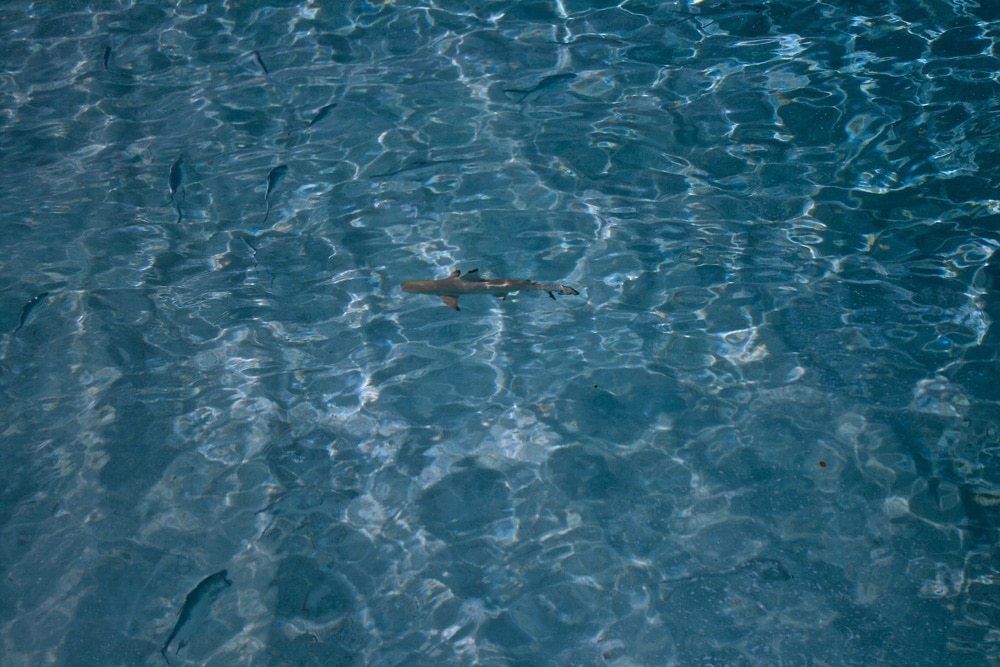
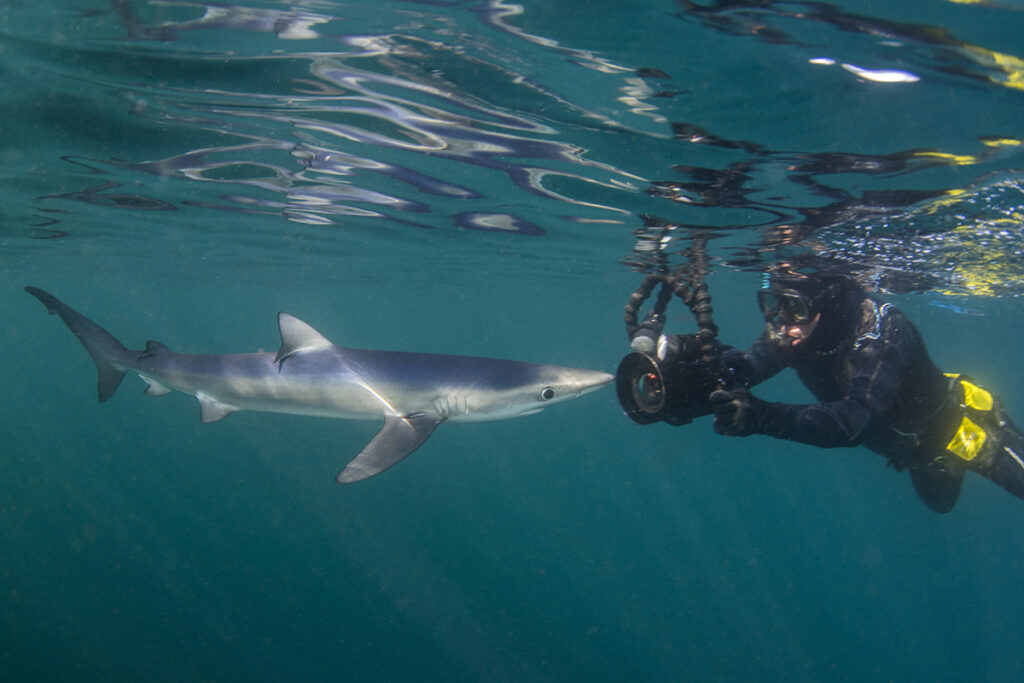
It may seem like there is not much we can do, but you would be surprised to hear that there is in fact a lot that we can do to help Sharks. Sharks have been tarnished with a hugely negative reputation, a reputation that can make protecting them difficult. The problem is people are told their whole lives that Sharks are mindless killing machines and that if you go in the Ocean, you are likely to meet your timely demise, but we now know that these stories are literally just that, stories. One of the best ways of protecting sharks is to help people better understand them and all it may take is a simple conversation, a conversation where you can debunk myths, a conversation where you can change their perspective. Jacques Cousteau once said, “People protect what they love”, and this saying holds a lot of weight. People will protect sharks if they love them, and the only way to allow people to love them is for them to first understand them, and understanding first comes through education. If people love Sharks, then the whole cycle starts again with them going out and telling people about Sharks. If you are Diver and or, Underwater Photographer, then you can share your experiences and imagery with people, which will allow their perspectives to shift, and you would be surprised to find out how beneficial Social media can be for Sharks, as it’s a place where you can share your images and stories to a very wide audience across the globe.
Another way to help is to not buy Shark Fin Soup or any Shark products, it may be tempting to buy a Shark tooth necklace or Shark in a jar when on holiday, or even to try Shark Fin Soup, but this will only feed the problem, if we can do this then, when the buying stops then the killing can too.
Something that has been realised recently is that Sharks are worth more alive than dead and over a Sharks lifetime, it can bring in many millions of Dollars through Echo-Tourism, compared to the couple of dollars it will bring into a fisherman if the animal is killed. Thankfully, areas that were once Shark fishing hotpots, have turned to becoming areas where Shark populations have exploded, due to an influx of Divers from across the globe going to see Sharks alive and healthy. Places such as Raja Ampat, The Maldives, and The Galapagos Islands have put protections on sharks and in doing so attract divers to these areas where Sharks are protected, with divers going to these areas only further helps and funds the Protected area and allow the work to continue.
A final thing you can do is to write to your Local MP about needing larger and stronger Marine Protected areas, with stronger protections from commercial fishing. As it stands there is less than 0.5% of our World’s Oceans that have complete protection from commercial fishing. Scientists have stated that for our Oceans to be protected, we need at least 30% of our Oceans to have complete protection for Sharks, Fish and other marine mammals, which will, in turn, allow our Oceans to stabilise themselves.
There is still a lot that you can do and if you do just one of these things, you could help change the fate of Sharks and allow them to continue thriving and shaping our oceans for millennia to come.
So that’s it, a deep dive into Sharks, our Oceans Greatest Mystery. A look into their biology, behaviour and secrecy. I hope after this you come away with a better understanding and appreciation for this incredible group of animals, I hope after this you now look at a Shark and see not a monster, but an animal that is incredibly misunderstood and one that not only keeps our Oceans healthy, but also our whole Planet. Sharks are a key component in our survival, and with our help they can continue to be our Oceans Greatest Mystery.
Follow Donovan on Instagram at www.instagram.com/donovans_reefs